Houseplant Pests & Problems: Identification and Natural Fixes
Not every problem is a pest, though. Yellow leaves, brown tips and drooping are usually care issues, most often overwatering, light or humidity. This guide helps you tell the difference, then fix it.
First, Catch It Early: How to Inspect Your Plants
The single best defense against houseplant pests is a quick look every time you water. Turn a few leaves over and check the undersides and the joints where leaf meets stem, because that is where pests hide. Look for fine webbing, sticky residue, white fuzz, tiny moving dots or small bumps. Catching an infestation in week one instead of week six makes all the difference, and a healthy, well-cared-for plant is far less likely to be attacked in the first place.
If you ever bring home a new plant, keep it away from your others for a couple of weeks first. A short quarantine is the easiest way to stop one hitchhiking bug from spreading through your whole collection.
The Most Common Houseplant Pests (and How to Beat Them)
Mealybugs
Mealybugs look like little spots of white cotton wool, usually tucked into leaf joints and along stems. They suck sap and leave a sticky residue. For a light case, touch each one with a cotton swab dipped in 70% alcohol. For more, spray and wipe, then repeat every few days until they are gone. Full step-by-step: How to Get Rid of Mealybugs.
Spider mites
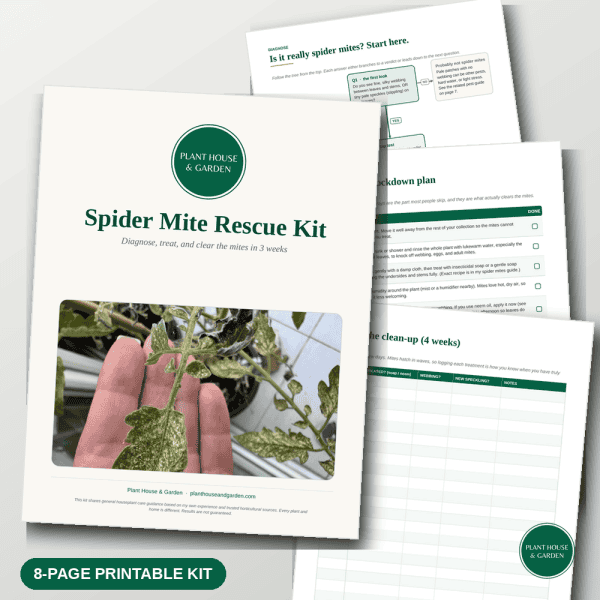
Spider mites are tiny and hard to see, but the signs are clear: fine webbing, and leaves that look speckled, dull or sandy. They love warm, dry air, so raising humidity helps. Wipe leaves down, treat with neem oil or alcohol, and rinse the plant regularly. Full guide: How to Get Rid of Spider Mites.
Fungus gnats
Those little flies drifting around your soil are fungus gnats. The adults are harmless but annoying; the real issue is constantly damp soil, which is where their larvae live. Let the top of the soil dry out more between waterings, and that alone breaks their cycle. My permanent fix is here: Get Rid of Fungus Gnats Permanently.
Scale, aphids and thrips
Scale shows up as small, hard brown bumps on stems and leaves that do not move easily. Aphids are tiny green, black or white insects that cluster on new growth. Thrips are slender and leave silvery, scarred patches. The good news is the same natural toolkit below handles all of them: alcohol for spot treatment, neem oil for ongoing control, and keeping leaves clean.
Natural Treatments That Actually Work
You do not need harsh chemicals to win this. These are the three I reach for, with a video for each.
70% Isopropyl Alcohol
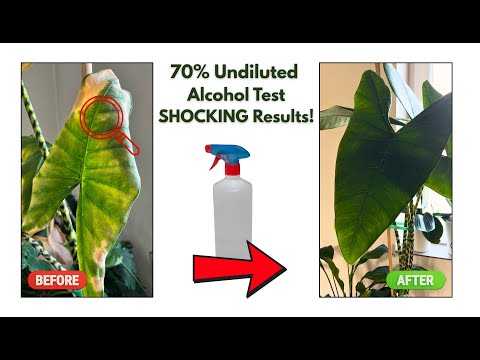
This is my desert-island pest treatment. A 70% alcohol solution kills most soft-bodied pests on contact and evaporates quickly. Use it on a cotton swab for spot treatment, or diluted in a spray for larger areas. I tested exactly how safe it is for plants in this video:
Full written guide: Using 70% Alcohol on Houseplants.
Neem Oil
Neem oil is a natural plant oil that disrupts pests over a few applications and helps prevent them coming back. It is my go-to for ongoing control rather than emergencies. Here is exactly how I mix and use it:

Full written guide: Neem Oil for Houseplants.
Clean, Shiny, Pest-Free Leaves
Clean leaves are not just pretty, they are your first line of defense. Dust-free leaves photosynthesize better and give pests fewer places to hide. Here is my simple homemade recipe for shiny, clean and pest-free leaves:

Full written guide: Homemade Leaf Shine Recipe.
And for something a little different: I have also experimented with sound therapy for pest control using specific frequencies. I treat it as a gentle, fun extra alongside the proven methods above, not a replacement.
When It Is Not a Pest: Common Plant Problems
For example, a soft, browning, or drooping succulent is usually a care issue, not a pest. See my guide to aloe vera problems for the most common causes and quick fixes.
Many problems people blame on bugs are really care issues. Here is how to read the most common ones.
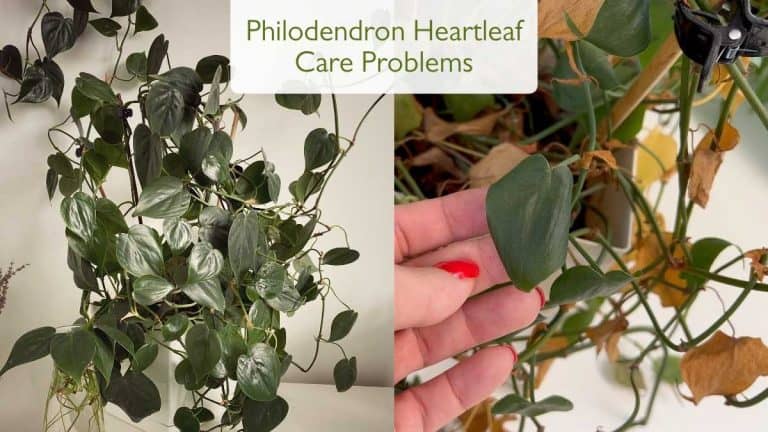
- Yellow leaves are most often a sign of overwatering, but can also mean too little light or a hungry plant. Check the soil moisture first. If it keeps happening, my guides on Monstera leaves turning yellow and why Philodendron leaves go yellow walk you through every cause.
- Brown, crispy tips and edges usually point to low humidity, underwatering or salt buildup. See my fix for yellow and brown edges on Dracaena and brown tips on Spider Plants. The same approach fixes brown spots on a Fiddle Leaf Fig, browning Laceleaf leaves, and an Anthurium that browns or refuses to flower.
- White mold on the soil is a harmless surface fungus that signals too much moisture and poor airflow. Here is how to fix it: White Mold on Houseplant Soil.
- Drooping or wilting can mean either too little or too much water, so always check the soil before you act. It is also the first thing to rule out when a Schefflera starts dropping leaves.
- Root rot sets in when soil stays soggy for too long and the roots start to suffocate, so if your plant keeps drooping in wet soil and the roots turn soft, brown and smell sour, that is likely root rot, and my full guide walks you through saving it.
Some plants come with their own quirks worth knowing. It helps to read up on ZZ plant problems and snake plant mistakes. The same goes for common Dracaena slip-ups, Ficus Tineke troubles and spider plant issues. Philodendron lovers can dig into why a Birkin struggles or a Pink Princess losing its pink, while Alocasia care problems and Bird of Paradise mistakes have their own fixes. And if your holiday bloomers act up, I have you covered for Christmas cactus, cyclamen and poinsettias.
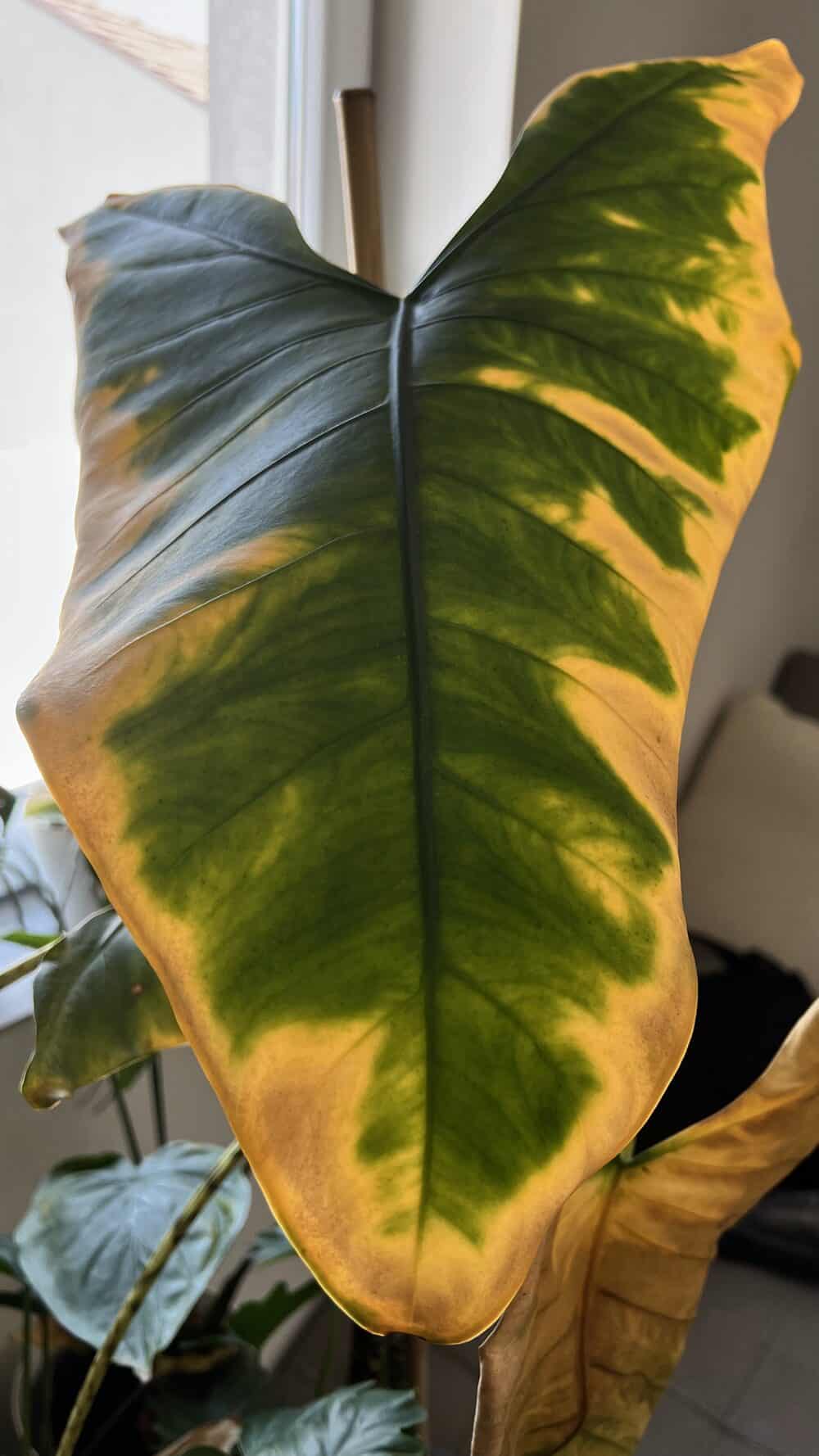
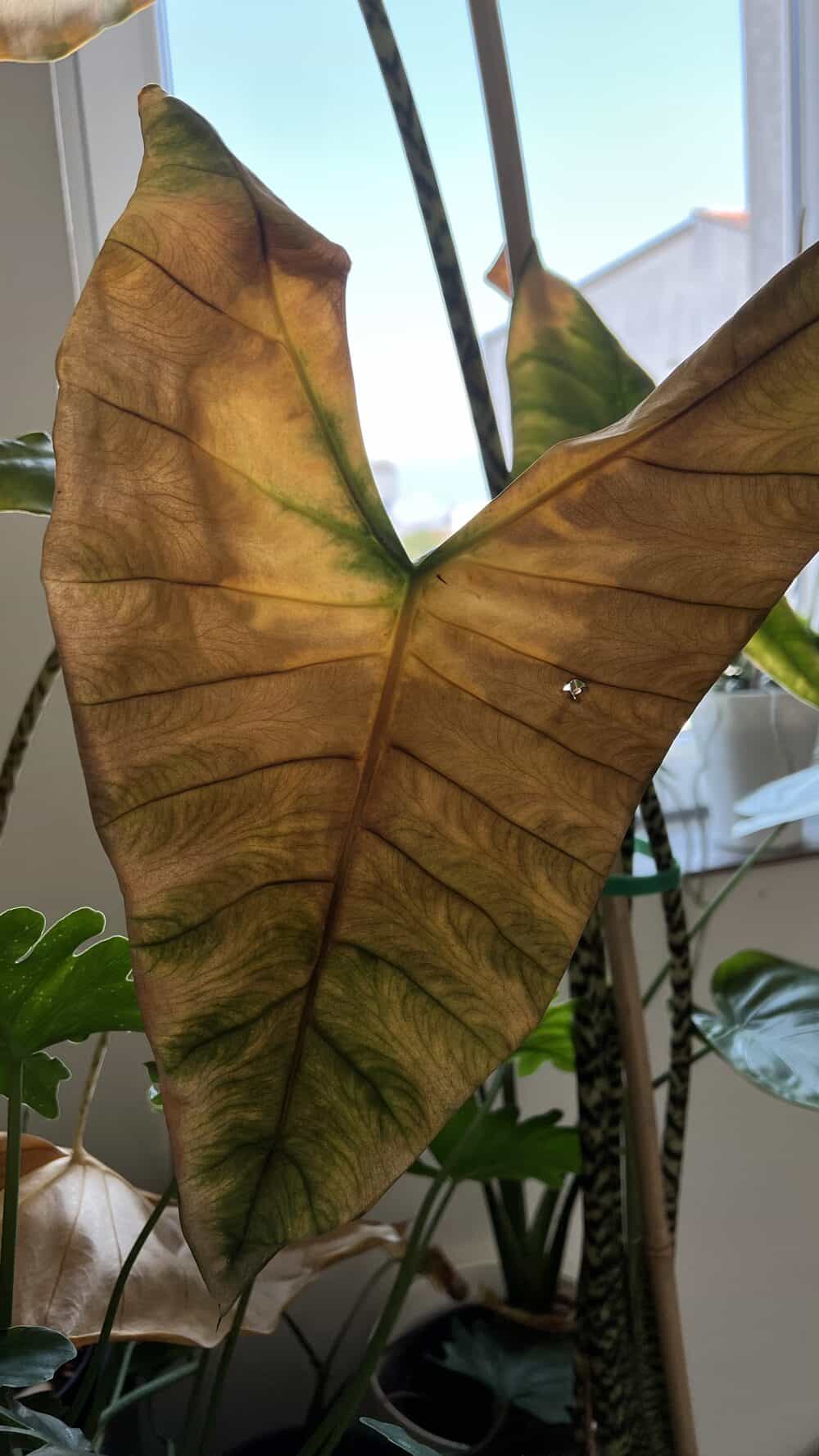
If a problem keeps coming back, the cause is usually one of the five basics rather than a pest. My Houseplant Care for Beginners guide walks through light, water, humidity, soil and feeding so you can fix the root cause.
How to Prevent Houseplant Pests
Prevention beats treatment every time. A few simple habits keep most houseplant pests away for good:
- Inspect when you water, so problems are caught early.
- Quarantine new plants for two weeks before they join the others.
- Keep leaves clean and dust-free.
- Do not overwater, since soggy soil invites fungus gnats and mold.
- Give good airflow and avoid crowding plants too tightly.
- Keep plants healthy, because a strong plant resists pests far better than a stressed one.
Frequently Asked Questions
What is the most common houseplant pest?
Mealybugs, spider mites and fungus gnats are the three you are most likely to meet. Mealybugs look like white cotton wool, spider mites leave fine webbing and speckled leaves, and fungus gnats are tiny flies around damp soil.
How do I get rid of houseplant pests naturally?
For most pests, 70% isopropyl alcohol for spot treatment and neem oil for ongoing control will do the job, along with keeping leaves clean. Repeat every few days until the pests are gone, since one treatment rarely catches every egg.
Is 70% alcohol safe for plants?
Used correctly, yes. A 70% solution kills soft-bodied pests on contact and evaporates quickly. Spot-test a leaf first, treat in indirect light rather than hot sun, and avoid drenching very delicate plants.
Why does my plant have yellow leaves if there are no pests?
Yellow leaves are most often caused by overwatering, and sometimes by too little light or a need for feeding. Check the soil moisture and light before assuming the worst, since this is usually a care issue, not a bug.
How do I stop fungus gnats for good?
Let the top inch or two of soil dry out between waterings, because the larvae need constantly damp soil to survive. Reducing moisture breaks their cycle better than spraying the adults.
How can I prevent pests on my houseplants?
Inspect when you water, quarantine new plants for two weeks, keep leaves clean, avoid overwatering, and give your plants good airflow. Healthy, well-cared-for plants are far less likely to be attacked.
Final Thoughts
Houseplant pests feel scary the first time, but they are almost always beatable with early spotting and a few gentle, natural tools. Keep 70% alcohol and neem oil on hand, inspect your plants when you water, and remember that many problems are really care issues in disguise. Stay calm, treat consistently, and your plants will bounce back.
Written by Bojana
Plant lover, grower, and music maker behind Plant House & Garden, with 35+ years of hands-on houseplant experience. Read more about Bojana →