Anthurium Clarinervium Care: Everything You Need to Know
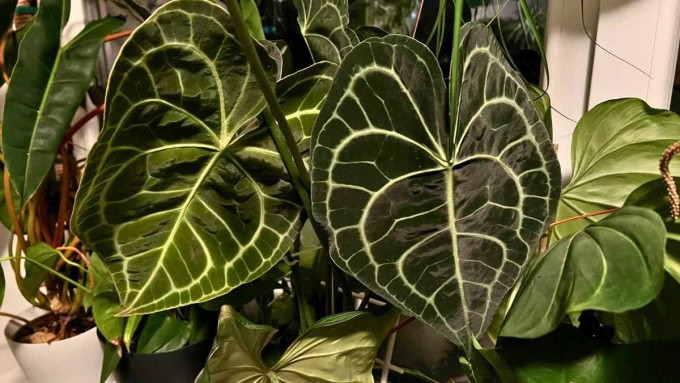
The Anthurium Clarinervium, also called the velvet cardboard anthurium, is one of the most striking aroids you can grow indoors. Its dark, velvety leaves with dramatic white veins look almost unreal - like a living piece of art. But while it’s a collector’s favorite, this plant also has a reputation for being sensitive if care isn’t just right. With the right approach, though, Anthurium Clarinervium care is straightforward and deeply rewarding. This guide covers light, watering, soil, humidity, fertilizing, repotting, propagation, and common problems so you can keep those heart-shaped leaves pristine.
📺 Want more Anthurium content? See my Laceleaf guide here: Anthurium Laceleaf Care.
| Need | What it likes |
|---|---|
| Light | Bright, indirect light, no harsh direct sun |
| Water | When the top inch of mix dries, never soggy |
| Humidity | High, 60 to 80 percent is ideal |
| Temperature | Warm, around 18 to 27 C, no cold drafts |
| Soil | Chunky, airy, fast-draining aroid mix |
| Feeding | Diluted balanced fertilizer monthly in spring and summer |
| Toxicity | Toxic if eaten, keep away from pets and children |
Light Requirements
In nature, Anthurium Clarinervium grows under a forest canopy, which means it prefers bright, indirect light. Direct sun can burn the velvety leaves, while too little light causes slow growth, smaller leaves, and pale color.
From my own experience, I tested what happens when I gradually increased light for my Clarinervium. I started by placing it near a bright west-facing window, but a little further back so it wouldn’t get too much direct sun at once. Over time, I moved it closer and let it adapt step by step. To my surprise, the plant handled a couple of hours of direct sun without damage. In fact, the leaves grew larger and the veins stood out even more clearly.
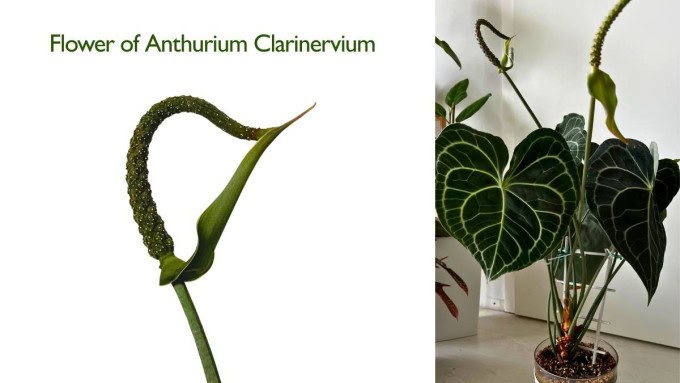
Even more exciting, this summer the plant pushed out one to two new leaves almost every month, and several times it rewarded me with two to three blooms at once. That growth and flowering confirmed how much it appreciated the stronger light once it had adapted.
This tells me that Anthurium Clarinervium care isn’t just about protecting it from light, but also about helping it adapt to stronger light slowly. With gradual exposure and the protection of window glass (which filters some UV), the plant can thrive in brighter spots than most people expect.
👉 Light is one of the most important aspects of Anthurium Clarinervium care, because it directly influences leaf size, vein contrast, and overall health.
Watering | Anthurium Clarinervium Care
Clarinervium prefers evenly moist soil that never stays soggy. Let the top 2-3 cm (1-2 in) dry before watering again. Overwatering leads to root rot and yellowing, while underwatering causes drooping and crispy edges. Always water thoroughly until excess drains out, then empty the saucer.
From my own experience, I’ve learned that the watering needs change dramatically depending on light and temperature. When I moved my Anthurium Clarinervium to a west-facing window where it received stronger light, it started to grow faster and used up water much more quickly. During summer, I was watering it almost every 3-5 days. If I had watered on a slower schedule, the soil would have dried too much and the leaves would have suffered.
This shows that Anthurium Clarinervium care isn’t just about following a fixed watering schedule. Instead, it’s about paying attention to how your plant responds in its environment. A Clarinervium in lower light may only need water weekly, but in a sunny, warm spot, it can drink far more. The combination of light intensity, temperature, and growth speed all dictate how thirsty it becomes. Read more about Houseplants Watering Tips.
💡 Important: If your Clarinervium is in a brighter spot and actively growing, don’t be afraid to water more often. Just keep the soil airy and well-draining, and your plant will thrive. Consistent watering is one of the trickiest but most rewarding parts of Anthurium Clarinervium care.
👉 To stay on track, use a Plant Watering Planner to log dates and adapt your routine to the seasons.
Anthurium Clarinervium Care: Fertilizing
Anthurium Clarinervium may look delicate, but it’s actually a very hungry plant. To develop large, velvety leaves and frequent blooms, it needs a steady supply of nutrients. A light feeding once in a while won’t do much - this plant thrives when fertilized regularly.
From my own experience, I noticed a huge difference once I started feeding almost every time I watered during the growing season. Since I was watering more often after moving it to a west-facing window, this meant the plant received a gentle dose of nutrients almost weekly. The result? Bigger, healthier leaves, and this summer it rewarded me with 2-3 blooms at once, several times. That kind of performance is only possible when the plant has enough energy to fuel both foliage and flowers.
The best approach is to use a balanced liquid fertilizer diluted to half strength, applied frequently but lightly. This way, the plant gets a constant nutrient supply without the risk of salt buildup or root burn. Always reduce feeding in fall and winter, when growth naturally slows.
👉 Fertilizing generously is one of the most important aspects of Anthurium Clarinervium care. If you prefer natural options, you can also try my Homemade Organic Fertilizer Recipe, which is gentle yet effective for supporting steady growth and flowering.
🎥 Watch My Anthurium Clarinervium Blooms
Want to see how rewarding this plant can be? Here are some shorts of my Clarinervium producing multiple blooms at once - proof of how light, water, and feeding all come together:

Click here to watch the Video on YouTube
Anthurium Clarinervium Care: Best Soil
Anthurium Clarinervium has thick roots that need air circulation, so regular potting soil is too dense. The best option is a chunky, airy aroid mix that balances moisture and drainage. A typical recipe combines orchid bark, perlite, coco coir, and a bit of charcoal or worm castings. This allows water to flow while still holding enough moisture for the roots.
If you want to see exactly how I prepare my mix, check out my full guide: Best Soil Mix for Aroids - it’s the same blend I use for Anthuriums, Philodendrons, and other aroids.
Another important part of Anthurium Clarinervium care is repotting or refreshing the soil at least once a year, preferably in spring. Because this plant receives frequent fertilizer during the growing season, salts can build up in the soil and damage the roots over time. By giving it fresh mix annually, you prevent salt stress, restore nutrients, and keep the plant thriving.
👉 Choosing the right soil and renewing it regularly is one of the most crucial steps in Anthurium Clarinervium care.

Click here to watch the video on YouTube

Repotting Anthurium Clarinervium
Repotting every 2-3 years is usually enough, but with Anthurium Clarinervium I recommend at least refreshing the top layer or fully changing the mix once a year. Heavy feeding during the growing season leads to fertilizer salts building up, which can slowly damage roots if the soil isn’t renewed. A fresh mix in spring gives your plant a clean start and keeps growth strong.
When repotting, always choose a pot just one size bigger and make sure it has good drainage holes. Standing water at the bottom of the pot is one of the fastest ways to cause root rot. Anthuriums like a snug fit and actually do better when they are slightly root bound, so don’t rush to move them into oversized pots.
Gently loosen the roots and replace as much of the old mix as possible with fresh, airy substrate. Keep the crown at soil level, since planting too deep can suffocate the base of the plant.
If you’re unsure what soil to use, I’ve shared the exact recipe I rely on for my tropicals here: Best Soil Mix for Aroids. This blend provides the airflow and structure Anthuriums love, and it works perfectly when repotting Clarinervium.
👉 Repotting is an essential step in Anthurium Clarinervium care, because it prevents stress from compacted or depleted soil and gives roots the room to stay healthy without losing that snug, supportive environment they prefer.
Humidity and Temperature | Anthurium Clarinervium Care
Anthurium Clarinervium is a true tropical plant - it thrives in high humidity and warm temperatures. If these two conditions are missing, the velvety leaves won’t look their best.
Aim for 60-80% humidity. When the air is too dry, the edges of the leaves turn crispy and new leaves may struggle to unfurl. A simple hygrometer will tell you if the air is humid enough. If it isn’t, you can: If the edges are already browning, see my guide to the 5 common causes of laceleaf brown leaves.
- Run a humidifier near your plant (best solution in winter).
- Place the pot on a pebble tray filled with water.
- Group it with other tropical plants to create a humid microclimate.
Along with moisture in the air, Clarinervium also wants steady warmth. Keep temperatures between 65-80°F (18-27°C). If it drops below 60°F (15°C), the plant can quickly show stress by drooping or even dropping leaves. Cold drafts from windows or sudden temperature swings will set it back.
From my experience, once I moved my Clarinervium to a warmer and sunnier west-facing window, it clearly loved the combination of strong light, frequent watering, and steady humidity. That’s when it started producing larger leaves and even multiple blooms at once.
👉 Maintaining humidity and warmth is not optional - it’s one of the most important aspects of Anthurium Clarinervium care, and the secret to keeping those velvety leaves healthy and lush.
Common Anthurium Clarinervium Care Problems
This plant “talks” through its leaves:
- Yellowing → usually overwatering or compact soil.
- Brown tips/edges → low humidity, fertilizer burn, or underwatering.
- Drooping → thirst or temperature shock.
- Pests → spider mites and mealybugs may appear in dry air.
Most Anthurium Clarinervium care issues improve when you correct light, watering rhythm, humidity, and soil aeration. For pests, see:
Is Anthurium Clarinervium Pet Safe?
Like many aroids, Clarinervium is toxic to pets if ingested and its sap can irritate skin. Keep it out of reach of cats and dogs, and wear gloves when pruning. Looking for safer options? Check my guide to Pet-Friendly Houseplants.
Anthurium Clarinervium rewards consistency. My Plant Care Journal helps you track watering and humidity, so those velvety, white-veined leaves stay flawless.

Frequently Asked Questions
Why is my Anthurium Clarinervium getting brown leaf tips?
Brown, crispy tips usually mean the humidity is too low or the plant is underwatered. Raise the humidity with a tray, grouping, or humidifier, keep the mix lightly moist, and avoid hot, dry air. This velvet-leaf anthurium really thrives in a humid spot.
What is the best soil for Anthurium Clarinervium?
As an epiphyte, it needs a chunky, airy mix that drains fast and lets the roots breathe. A blend of orchid bark, perlite, and a little coco coir or sphagnum moss works well. Avoid dense, heavy potting soil, which holds too much water and causes root rot.
How often should I water Anthurium Clarinervium?
Water when the top inch of the mix feels dry, usually every few days to once a week depending on warmth and humidity. Keep it lightly moist but never soggy, and always let excess water drain away to protect the delicate roots.
Why are the leaves on my Clarinervium curling?
Curling leaves usually signal underwatering or low humidity, and sometimes too much direct light. Check that the mix has not dried out completely, raise the humidity, and move the plant out of harsh sun into bright, indirect light.
Is Anthurium Clarinervium toxic to pets?
Yes. Like other anthuriums, it contains calcium oxalate crystals that are toxic if chewed or eaten and can irritate the mouth and throat. Keep it out of reach of pets and children, and wash your hands after handling or repotting it.
Conclusion
When you dial in the essentials - bright, indirect light, a breathable aroid mix, steady moisture without sogginess, high humidity, and gentle feeding - Anthurium Clarinervium care becomes easy and deeply rewarding. With patience and consistency, you’ll enjoy those velvety, heart-shaped leaves for years.
Watch My Anthurium Clarinervium Care Journey
One of the most rewarding parts of plant care is seeing progress over time. My Clarinervium has grown from a small plant into a thriving showpiece with bigger leaves, steady new growth, and repeated blooms.



Written by Bojana
Plant lover, grower, and music maker behind Plant House & Garden, with 35+ years of hands-on houseplant experience. Read more about Bojana →