Pet-Friendly Houseplants: Safe and Toxic Plants for Cats and Dogs
Part of my complete Philodendron Care Guide: light, water, problems, every variety, and propagation in one place.
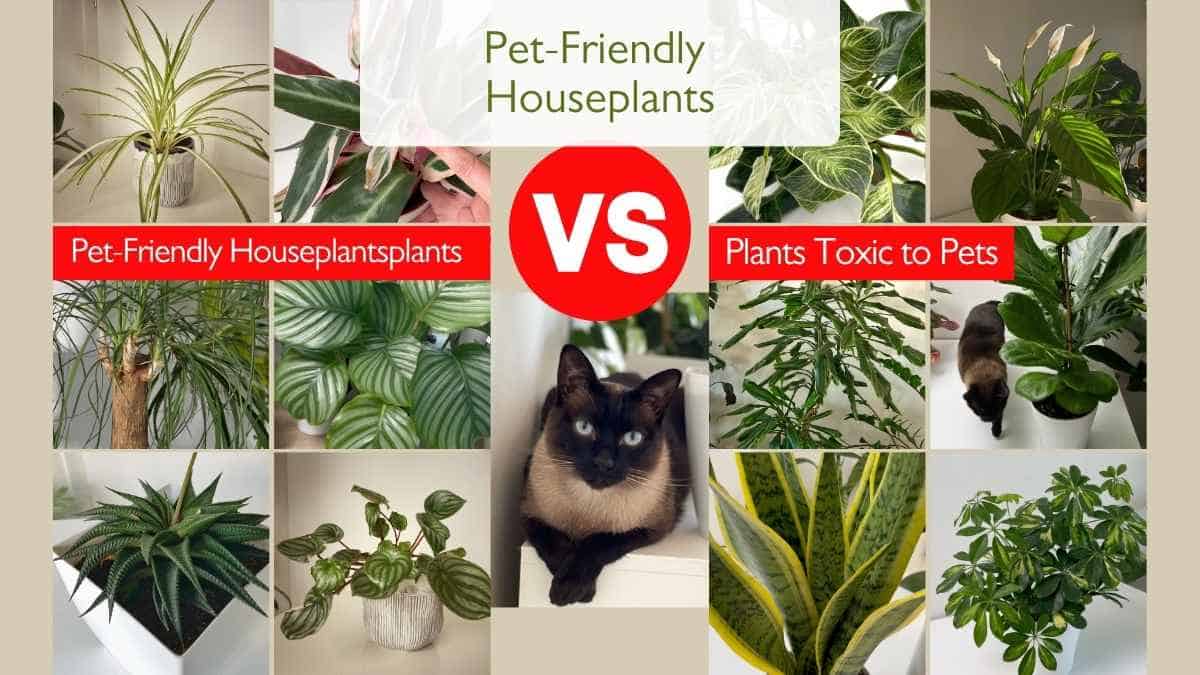
If you have cats or dogs at home, choosing indoor plants safe for cats and dogs is essential for keeping them safe while still enjoying indoor greenery. As a plant lover and pet owner myself, I know how important it is to keep your indoor garden beautiful and protect your furry family members. Pet-friendly houseplants are essential for anyone who wants to enjoy indoor greenery without risking their pets’ health. Many common houseplants can be toxic if ingested, so knowing which plants are safe and non-toxic is essential.
Want this in a handy format? Grab my free pet-safe plant checklist to keep your cats and dogs safe at a glance.
In this article, I’ll share a detailed list of the best pet-friendly houseplants, explain why plant toxicity matters, and give you practical tips to create a safe and green home for both your plants and pets.
Why Choosing Pet-Safe Houseplants Matters
Pets, especially cats and dogs, are naturally curious. They sniff, chew, or nibble on plants, which can be dangerous if the plant contains toxic chemicals. Exposure can cause symptoms ranging from mild irritation to serious health issues like vomiting, diarrhea, or even organ failure.
Knowing which houseplants are safe allows you to enjoy greenery without worry. Plus, many pet-safe plants still offer great air-purifying benefits and can enhance your home’s atmosphere.
Toxic Houseplants That Are Dangerous for Cats and Dogs
Before exploring pet-friendly houseplants, it’s important to know which popular houseplants are toxic to pets. If you already have any of these, be sure to place them out of reach or consider replacing them with safe alternatives. Here are some common toxic plants and why they’re harmful:
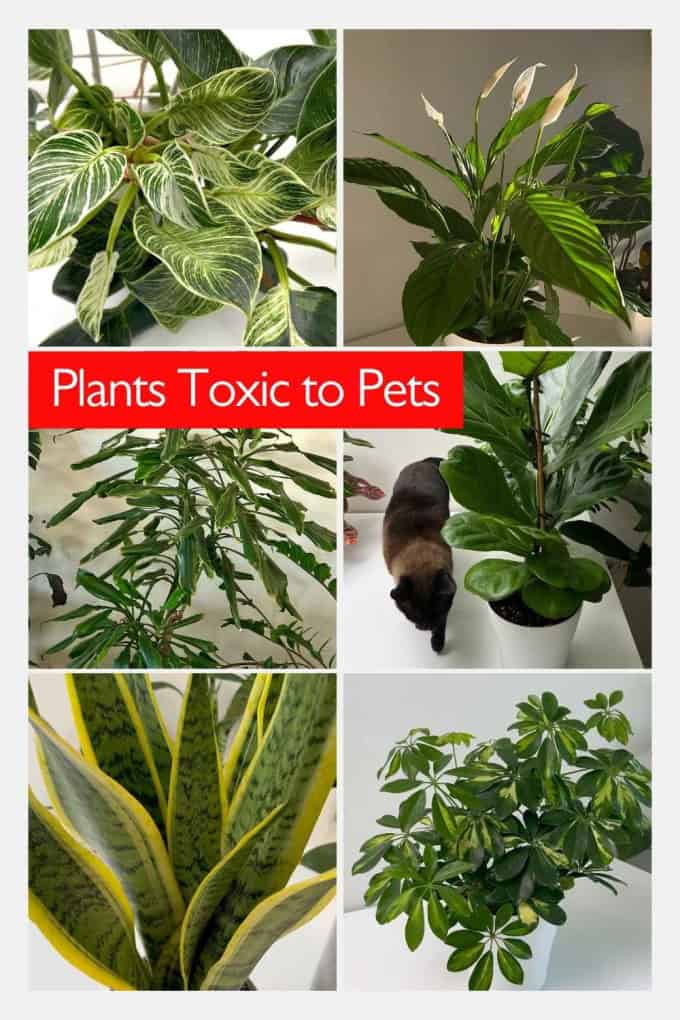
- Philodendron species: Contains calcium oxalate crystals that cause oral irritation, swelling, and vomiting if chewed by pets.
- Dieffenbachia (Dumb Cane): Toxic due to insoluble calcium oxalates; ingestion leads to burning sensations in the mouth, drooling, and difficulty swallowing.
- Pothos (Devil’s Ivy): Like philodendrons, it causes oral irritation and digestive upset from calcium oxalates.
- Sago Palm: Highly toxic; ingestion can cause severe liver damage and even death.
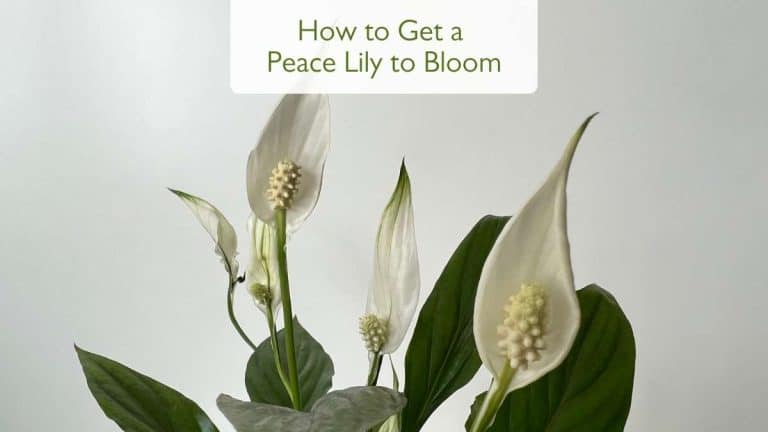
- Peace Lily (Spathiphyllum): Contains calcium oxalates causing oral irritation, vomiting, and drooling.
- Aloe Vera: Safe for humans but toxic to cats and dogs; can cause vomiting, diarrhea, and lethargy.
- Snake Plant (Sansevieria): Contains saponins that can cause nausea, vomiting, and diarrhea.
- Oleander: Extremely toxic; ingestion can be fatal due to cardiac glycosides.
- Schefflera (Umbrella Plant): Contains calcium oxalates causing oral irritation and digestive upset.
- ZZ Plant (Zamioculcas zamiifolia): Toxic due to calcium oxalate crystals; causes oral irritation and gastrointestinal symptoms. Read more about this plant.
- Ficus Species (Rubber Plant, Weeping Fig): Sap can cause skin irritation; ingestion may lead to vomiting and diarrhea.
- Dracaenas: Contains saponins; ingestion causes vomiting, drooling, and weakness.
If you already have any of these, be sure to place them out of reach or consider replacing them with pet-safe alternatives, they are not pet-friendly houseplants.
Safety Note:
Plant toxicity information in this article is based on veterinary safety references such as the ASPCA Toxic and Non-Toxic Plant Database. Always consult your veterinarian if you suspect your pet has ingested a plant. Always verify plant safety before bringing new plants into homes with pets.
My Experience with Toxic and Non-Toxic Plants Around Pets
I want to be honest, I keep both toxic and non-toxic plants in my home, and so far, I haven’t had any serious problems. While some pets may ignore toxic plants, many animals still chew leaves out of curiosity, which is why choosing pet-safe houseplants is always the safest option.
That said, I’ve had one close call with my ponytail palms, which are actually non-toxic. The leaves are very sharp, and my cat once ate a longer leaf that got stuck in his throat. I had to rush him to the vet because he couldn’t swallow it. For a while, he was choking and uncomfortable, but thankfully, the leaf started to come out through his nose the next day, and he recovered.
This experience taught me that living with pets always carries some risks, even with pet-friendly houseplants. It’s important to stay vigilant and pay attention - just because a plant isn’t poisonous doesn’t mean it can’t cause harm.

Quick List: Indoor Plants Safe for Cats and Dogs
Here are 20 indoor plants safe for cats and dogs at a glance. All are listed as non-toxic by the ASPCA, but it is always worth double-checking your specific plant before you bring it home.
| Plant | Safe for cats | Safe for dogs | Light |
|---|---|---|---|
| Spider Plant | Yes | Yes | Bright indirect |
| Areca Palm | Yes | Yes | Bright indirect |
| Parlor Palm | Yes | Yes | Low to medium |
| Bamboo Palm | Yes | Yes | Medium |
| Ponytail Palm | Yes | Yes | Bright |
| Boston Fern | Yes | Yes | Indirect, humid |
| Bird's Nest Fern | Yes | Yes | Indirect, humid |
| Calathea / Prayer Plant | Yes | Yes | Medium indirect |
| Peperomia | Yes | Yes | Medium |
| Baby Rubber Plant | Yes | Yes | Medium |
| African Violet | Yes | Yes | Bright indirect |
| Cast Iron Plant | Yes | Yes | Low |
| Christmas Cactus | Yes | Yes | Bright indirect |
| Moth Orchid (Phalaenopsis) | Yes | Yes | Bright indirect |
| Haworthia | Yes | Yes | Bright |
| Friendship Plant (Pilea) | Yes | Yes | Medium |
| Polka Dot Plant | Yes | Yes | Bright indirect |
| Money Tree (Pachira) | Yes | Yes | Bright indirect |
| Bromeliad | Yes | Yes | Bright indirect |
| Watermelon Peperomia | Yes | Yes | Medium indirect |
My Favorite Pet-Friendly Houseplants for Indoors
Choosing pet-friendly houseplants that are safe for your furry friends is a top priority if you want a green and healthy home without worries. Over the years, I’ve discovered many beautiful and easy-care plants that are completely non-toxic to cats and dogs. Here are some of my favorites that you can confidently add to your indoor garden:
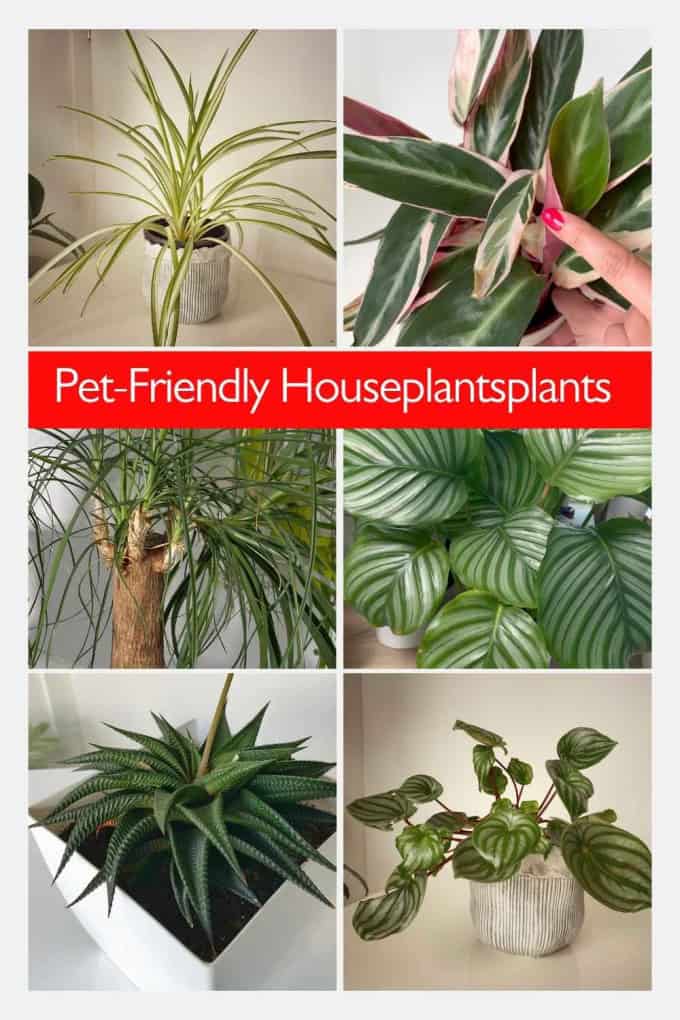
1. Spider Plant (Chlorophytum comosum)
A classic easy-care plant that’s safe for cats and dogs. Plus, its arching leaves can help clean indoor air. Read more about Spider Plant here.
2. Areca Palm (Dypsis lutescens)
This elegant palm is non-toxic and pet-safe. It adds a tropical vibe and naturally humidifies the air.
3. Boston Fern (Nephrolepis exaltata)
A lush, feathery fern that pets can’t get sick from. It loves humidity and indirect light.
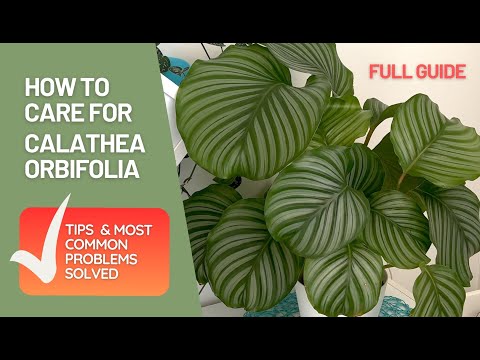
4. Calathea Orbifolia - Pet-friendly houseplants
Brightly patterned leaves make this one a favorite. It’s non-toxic and safe for cats and dogs, though it prefers higher humidity. For a detailed guide on how to care for your Calathea Orbifolia and keep it thriving, watch the video below:
5. Parlor Palm (Chamaedorea elegans)
Another palm that’s safe for pets, easy to care for, and perfect for low-light corners.
6. Peperomia
With many varieties, peperomias are small, attractive, and non-toxic. Ideal for tabletops or shelves.
7. African Violet (Saintpaulia)
A flowering plant that’s safe for pets and easy to grow indoors.
8. Cast Iron Plant (Aspidistra elatior)
This plant is incredibly tough and low-maintenance. Its glossy, dark green leaves add elegance to any room, and it’s completely pet-friendly houseplants.
9. Baby Rubber Plant (Peperomia obtusifolia)
A compact, succulent-like plant perfect for tabletops and shelves. Easy to care for and non-toxic, so you can relax knowing it’s safe around pets.
10. Prayer Plant (Maranta leuconeura) - Pet-friendly houseplants
Known for its beautiful, patterned leaves that fold up at night. It loves moderate humidity and indirect light and is safe for cats and dogs alike.
11. Christmas Cactus (Schlumbergera bridgesii)
A seasonal favorite, this flowering cactus brightens homes during winter holidays. It’s non-toxic and safe for pets.
12. Friendship Plant (Pilea involucrata)
An easy-to-grow houseplant with textured, quilted leaves. Safe for pets and adds lovely greenery indoors.
13. Haworthia - Pet-friendly houseplants
A small succulent that thrives on neglect and fits perfectly on desks or windowsills. Non-toxic and great for pet owners wanting low-maintenance plants.
14. Moth Orchid (Phalaenopsis)
A beautiful flowering orchid that’s safe for pets and adds elegance with minimal care.
15. Bamboo Palm (Chamaedorea seifrizii)
A pet-safe palm that purifies the air and thrives in low light. A popular choice for homes with pets.
16. Ponytail Palm (Beaucarnea recurvata)
A unique and striking plant that’s non-toxic to pets. However, be cautious its long, curly leaves have sharp tips.
Choosing these pet-friendly houseplants helps you create a safe and vibrant indoor garden where both your plants and pets can thrive happily. If you want to know how to care for Ponytail Palm click here to read more.
Tips to Keep Your Plants and Pets Happy Together
Even with pet-friendly houseplants, it’s smart to take some precautions to protect both your plants and your pets:
- Place plants in areas difficult for pets to reach, like hanging baskets or tall shelves.
- Use decorative barriers or deterrents if your pets are persistent chewers.
- Train your pets gently to avoid plants using positive reinforcement.
- Provide pet-friendly grass or safe chew toys to divert attention from your plants.
- Monitor your pets for any signs of plant ingestion, such as vomiting or lethargy, and contact your vet immediately if needed.
If your pet ingests a plant that may be toxic, stay calm and:
- Identify the plant if possible.
- Contact your veterinarian or an emergency animal poison control hotline immediately.
- Follow their instructions carefully.
Early treatment can make a huge difference in recovery.

FAQ About Pet-Friendly Houseplants
Are succulents safe for cats and dogs?
Some succulents like Haworthia are safe, but others such as Aloe Vera can be toxic, so always check plant safety before buying.
What happens if my pet eats a toxic plant?
Symptoms may include vomiting, drooling, or lethargy. Contact your veterinarian immediately if ingestion is suspected.
How can I keep pets away from houseplants?
Place plants on shelves, use hanging baskets, or provide pet-safe grass to redirect chewing behavior.
What indoor plants are safe for cats?
Spider plants, parlor and areca palms, Boston ferns, calatheas, peperomias, African violets and Christmas cactus are all safe for cats. See the quick list above for 20 indoor plants safe for cats and dogs.
Are spider plants safe for cats?
Yes. Spider plants are non-toxic to cats and dogs. Cats sometimes like to nibble the leaves, which is harmless, though eating a lot of any plant can cause mild stomach upset.
What is the most pet-friendly houseplant?
Spider plants and parlor palms are among the most pet-friendly: both are non-toxic, easy to grow in low to medium light, and forgiving for beginners.
Which common houseplants are toxic to cats?
Keep lilies, pothos, philodendron, monstera, snake plant, dieffenbachia, ZZ plant, aloe vera and caladium away from pets. They are common but toxic to cats and dogs.
Are philodendrons safe for cats and dogs?
No. Philodendrons (including the Birkin) contain insoluble calcium oxalates that are toxic to cats and dogs, causing mouth irritation, drooling and vomiting if chewed. Keep them well out of reach, or choose a pet-safe plant like a spider plant or parlor palm instead.
Final Thoughts
Bringing houseplants into your home can greatly improve your living space, and it’s completely possible to do so safely with pets. Choosing the right pet-friendly houseplants lets you enjoy the benefits of nature without risking your furry friends’ health.
If you want a starter list, I highly recommend Spider Plants, Areca Palms, and Boston Ferns - these have been favorites in my home for years.
References
For more detailed information on pet-friendly houseplants and toxic plants, I recommend these trusted sources:
- ASPCA Toxic and Non-Toxic Plant List:
https://www.aspca.org/pet-care/animal-poison-control/toxic-and-non-toxic-plants - ASPCA’s Guide to Pet-Friendly Plants:
https://www.aspca.org/news/liven-your-space-these-pet-friendly-plants - Top 10 Toxic Plants for Pets (ASPCA):
https://www.aspca.org/news/top-10-toxic-plants-pets-what-look-out - Gardening Safety 101: Keeping Your Pets Safe (ASPCA):
https://www.aspca.org/news/gardening-safety-101-your-guide-keeping-your-pet-safe - Are Succulents Safe to Have Around Pets? (ASPCA):
https://www.aspca.org/news/are-succulents-safe-have-around-pets

Written by Bojana
Plant lover, grower, and music maker behind Plant House & Garden, with 35+ years of hands-on houseplant experience. Read more about Bojana →