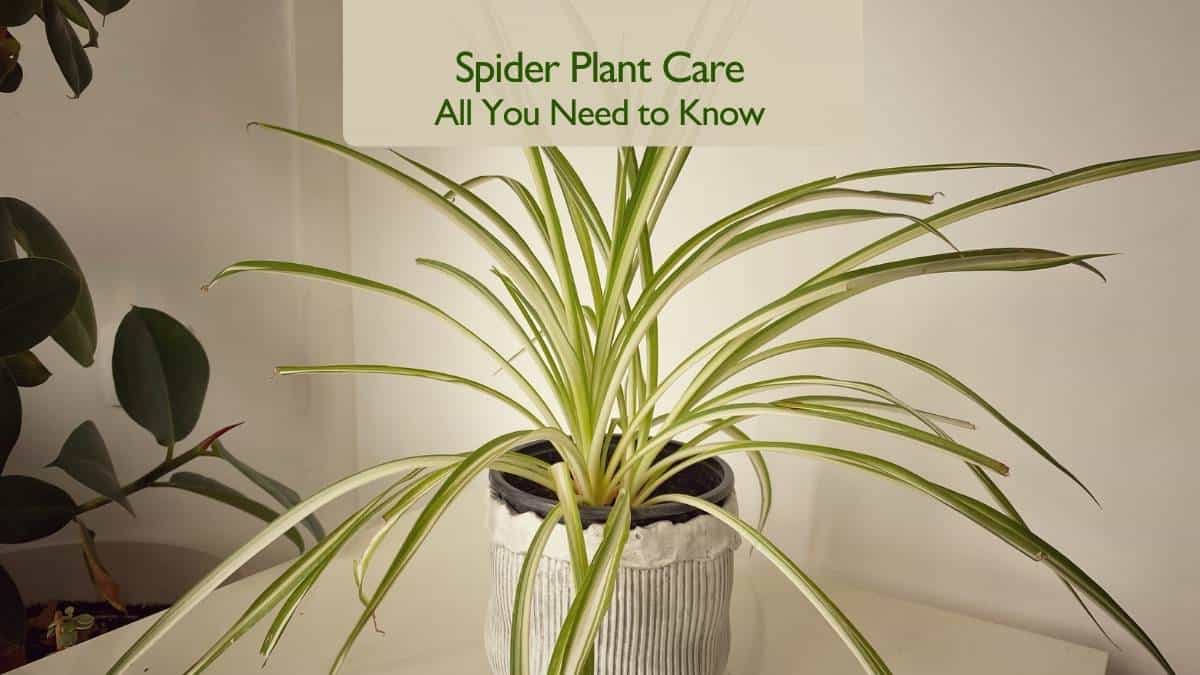
Spider Plant Care: Everything You Need to Know
The Spider Plant (Chlorophytum comosum) is one of the easiest and most rewarding houseplants to grow. With its arching green-and-white striped leaves and the charming baby plantlets (“spiderettes”) that dangle down, it brings a fresh and lively look to any room. But while spider plants are hardy, they still need proper care to thrive. In this guide, I’ll cover everything about Spider Plant Care - from light and watering to fertilizing, soil, repotting, and common problems, so you can enjoy a happy, thriving plant in your home.
| Need | What it likes |
|---|---|
| Light | Bright, indirect light, tolerates lower light too |
| Water | When the top inch of soil dries, slightly less in winter |
| Soil | Light, well-draining potting mix |
| Humidity | Average room humidity, enjoys a little extra |
| Temperature | Warm, 15 to 24 C, no cold drafts |
| Feeding | A balanced feed monthly in spring and summer |
| Water quality | Filtered or rainwater helps prevent brown tips |
| Pet safety | Non-toxic and safe for cats and dogs |
Light Requirements for Spider Plant Care
Light is one of the most important aspects of Spider Plant Care. These plants grow best in bright, indirect light, where their leaves stay lush and their long stems produce plenty of baby spiderettes. An east-facing window is usually ideal because it offers gentle morning sun, but spider plants can also adapt to stronger light, especially in west-facing windows.
If the light is too low, spider plants will survive but not thrive. You may notice slower growth, duller leaves, and fewer or no spiderettes. On the other hand, too much harsh direct sun without acclimation can scorch the leaves and cause brown patches.
From my own experience, I moved my spider plant to a west-facing window where it receives several hours of afternoon sun. Instead of putting it straight into the brightest spot, I gradually acclimated it by starting further back from the glass and moving it closer week by week. This slow adaptation allowed the plant to adjust without stress. Over the summer, it fully adapted to the stronger light and started thriving.
The results were clear: the leaves grew stronger and more vibrant, the plant became fuller, and it began producing spiderettes more regularly. This convinced me that spider plants don’t just tolerate direct sunlight - they can love it once properly acclimated. In fact, with enough sun, they grow more vigorously, send out longer stems, and make many more baby plants than they ever would in dim corners.
👉 The takeaway: don’t be afraid to give your spider plant more light, even direct sun, as long as you let it adapt gradually. Light is the foundation of successful Spider Plant Care, and the more light it receives, the more beautiful and rewarding your plant will be.


Watering Spider Plant Care
Watering is one of the most important parts of Spider Plant Care, and it’s where many people go wrong. Spider plants like their soil to be kept slightly moist, but never soggy. The golden rule is to let the top inch of soil dry before watering again. Too much water can cause root rot and mushy leaves, while too little water leads to dry, crispy tips.
Here’s where things get interesting: spider plants adjust their water needs depending on their environment. In lower light and cooler conditions, they use less water and can go longer between drinks. But in brighter, warmer spots, they grow faster and drink more.
From my own experience, when I moved my spider plant to a west-facing window, I noticed a big change in its watering needs. The stronger sun and higher summer temperatures made it grow more quickly and use up water much faster. During the hottest months, I was watering almost every 3-5 days to keep the soil from drying out completely. Without that frequent watering, the leaves would start to droop and the tips would brown.
This shows how closely watering is tied to light and temperature. A spider plant sitting in a darker corner might only need water once a week, but the same plant in a sunny spot could need water every few days. The key is to observe your plant and adjust, rather than sticking to a fixed schedule.
💡 Important Tip: Spider plants are sensitive to chemicals like fluoride and chlorine often found in tap water, which can cause brown tips. If possible, use filtered or rainwater. And to make sure you stay consistent, a Plant Watering Planner can help you track when and how often you water, especially as the seasons change.
👉 Consistent watering, adapted to your plant’s light and environment, is the secret to healthy Spider Plant Care. Check out my Houseplant Watering Tips
Best Soil for Spider Plant Care
Spider plants need well-draining soil that holds some moisture but doesn’t stay heavy or compacted. A high-quality indoor potting mix with added perlite or pumice works best. The extra aeration helps prevent waterlogging and keeps roots healthy.
When potting, always use a container with drainage holes. Spider plants also like to be a bit root-bound, so you don’t need to repot them too often. Every 1-2 years is usually enough. Repot in spring if you notice roots pushing out of the pot or circling tightly inside.
Fertilizing Spider Plant Care
Spider plants are relatively hungry and appreciate regular feeding during their active growing season (spring and summer). Use a balanced liquid houseplant fertilizer every two to three weeks. This supports strong leaf growth and encourages the plant to produce spiderettes.
Because they grow so quickly, spider plants can also build up fertilizer salts in their soil. That’s why it’s a good idea to flush the soil with clean water every couple of months or repot them annually to refresh the mix.
👉 I also love using my homemade Organic Fertilizer Recipe for spider plants - it gives them all the nutrients they need in a natural way.

Humidity and Temperature for Spider Plant Care
Spider plants love moderate to high humidity and warm temperatures. They do best between 60-75°F (16-24°C). While they can adapt to lower humidity, you’ll often see brown leaf tips if the air is too dry. Placing a humidifier nearby, grouping plants together, or setting your spider plant on a pebble tray with water will help.
Avoid sudden drafts, cold windowsills in winter, or heat vents, as these can stress your plant. Stable, cozy indoor conditions will keep your spider plant at its happiest.
Seeing brown tips or leaves on your Spider Plant? Read my full guide here: Spider Plant Brown Tips? Here’s Exactly Why It Happens (+ Easy Fixes).
Propagation in Spider Plant Care
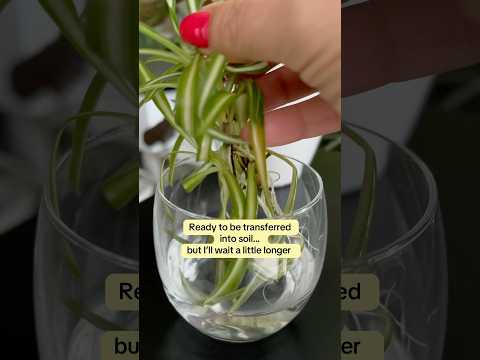
One of the most fun parts of growing spider plants is how easy they are to propagate. As the plant matures, it sends out long stems with baby spiderettes at the end. You can leave them hanging for a full, cascading look, or root them to make new plants.
To propagate, simply cut off a spiderette and place it in water or directly into moist soil. Within a few weeks, it will develop roots and grow into a new spider plant. This makes spider plants an excellent choice if you want to expand your collection or share plants with friends.

Common Problems in Spider Plant Care
Even though spider plants are hardy, they may develop issues if their care isn’t right:
- Brown leaf tips: Often caused by low humidity, underwatering, or fluoride in tap water.
- Pale leaves: Usually a sign of too little light or lack of nutrients.
- Root rot: Caused by overwatering and poor drainage.
- Few or no spiderettes: Happens if the plant isn’t getting enough light or is under-fertilized.
By adjusting your spider plant care routine, most of these problems can be solved quickly. Want to learn the 5 most common Spider Plant problems and how to fix them? Read more here.
Are Spider Plants Pet-Safe?
Yes! Spider plants are non-toxic to cats and dogs, making them one of the best houseplants for pet-friendly homes. However, cats sometimes love chewing on their leaves, which may cause mild stomach upset if too much is eaten. Place your spider plant in a hanging basket or on a shelf if you want to keep it out of reach.
👉 You can also check my full guide to Pet-Friendly Houseplants.
Related Topics You’ll Love
Frequently Asked Questions
Why does my spider plant have brown tips?
Brown tips are usually caused by fluoride and salts in tap water, underwatering, or dry air. Switch to filtered or rainwater, keep watering consistent, and trim the brown tips off if you like. It is cosmetic and does not harm the plant.
How often should I water a spider plant?
Water when the top inch of soil feels dry, often about once a week in the growing season and less in winter. Spider plants store water in their fleshy roots, so it is better to slightly underwater than to leave them soggy.
How do I propagate a spider plant?
Spider plants are very easy to propagate from the baby plantlets, or spiderettes, they send out on long stems. Snip a plantlet and root it in water or pot it straight into soil, keeping it lightly moist until roots establish.
Why is my spider plant not producing babies?
Spider plants usually produce plantlets once they are slightly rootbound and getting enough bright, indirect light. Give it good light, do not over-pot it, and feed it during the growing season, and the baby plantlets should follow.
Are spider plants safe for pets?
Yes. Spider plants are non-toxic and safe for cats and dogs, which makes them a great choice for pet households. Some cats like to nibble the leaves, which is not harmful, though you may want to keep it out of reach to protect the plant.
Final Thoughts on Spider Plant Care
The Spider Plant Care routine is simple once you understand what this plant loves - bright, indirect & direct light, evenly moist soil, regular feeding, and a bit of extra humidity. With the right conditions, spider plants reward you with lush green-and-white foliage and dozens of baby spiderettes to grow or share.
If you’re just starting your plant journey, the spider plant is one of the easiest and most forgiving plants to grow. It’s not only beautiful but also helps purify the air in your home.

Written by Bojana
Plant lover, grower, and music maker behind Plant House & Garden, with 35+ years of hands-on houseplant experience. Read more about Bojana →