How to Make a Terrarium: Moss, Plants and Closed Ecosystems
The two things beginners get wrong are too much water and too much direct sun. A terrarium wants bright, indirect light and only a light misting, not a downpour.
What Is a Terrarium? Closed vs Open
A terrarium is simply a small garden inside glass. There are two kinds, and the difference matters:
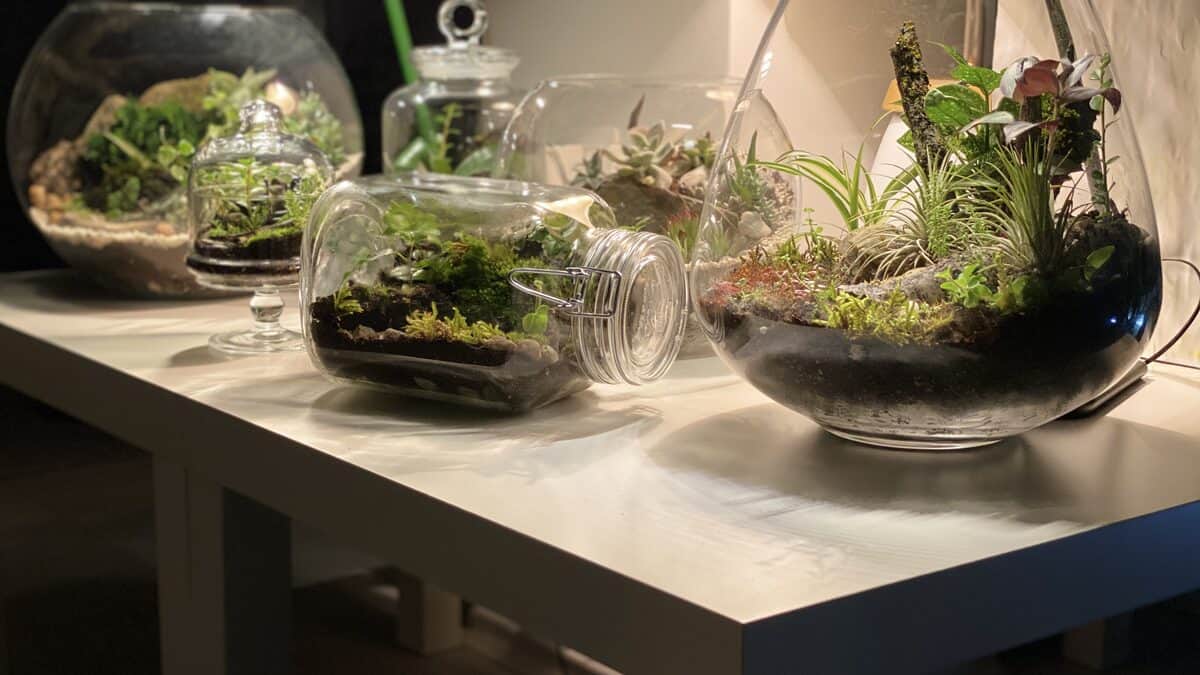
- A closed terrarium has a lid and traps humidity, creating a self-watering mini ecosystem. It is perfect for moss and humidity-loving plants and barely needs watering.
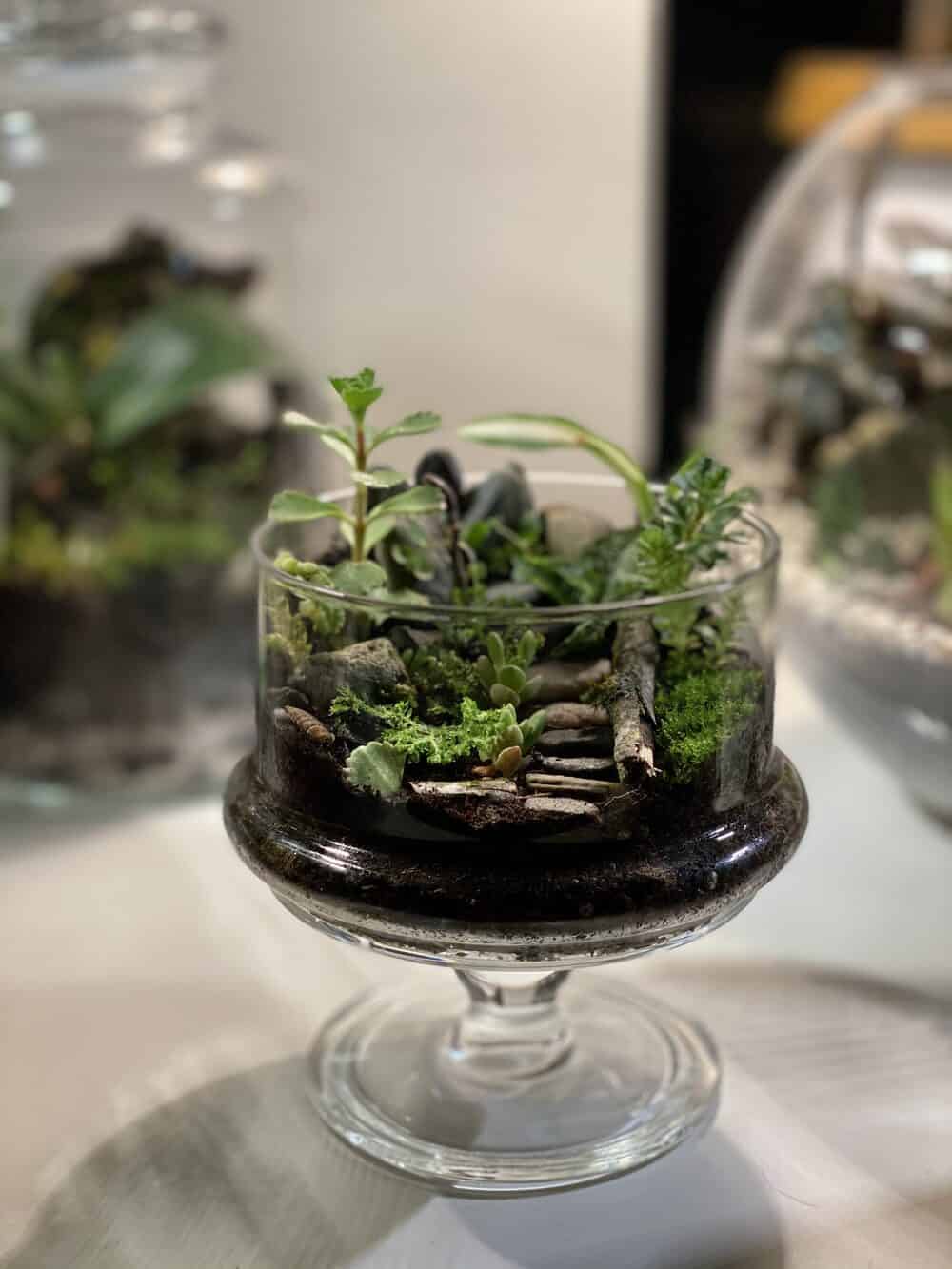
- An open terrarium has no lid, so it suits plants that like drier air and good airflow, such as succulents and air plants.
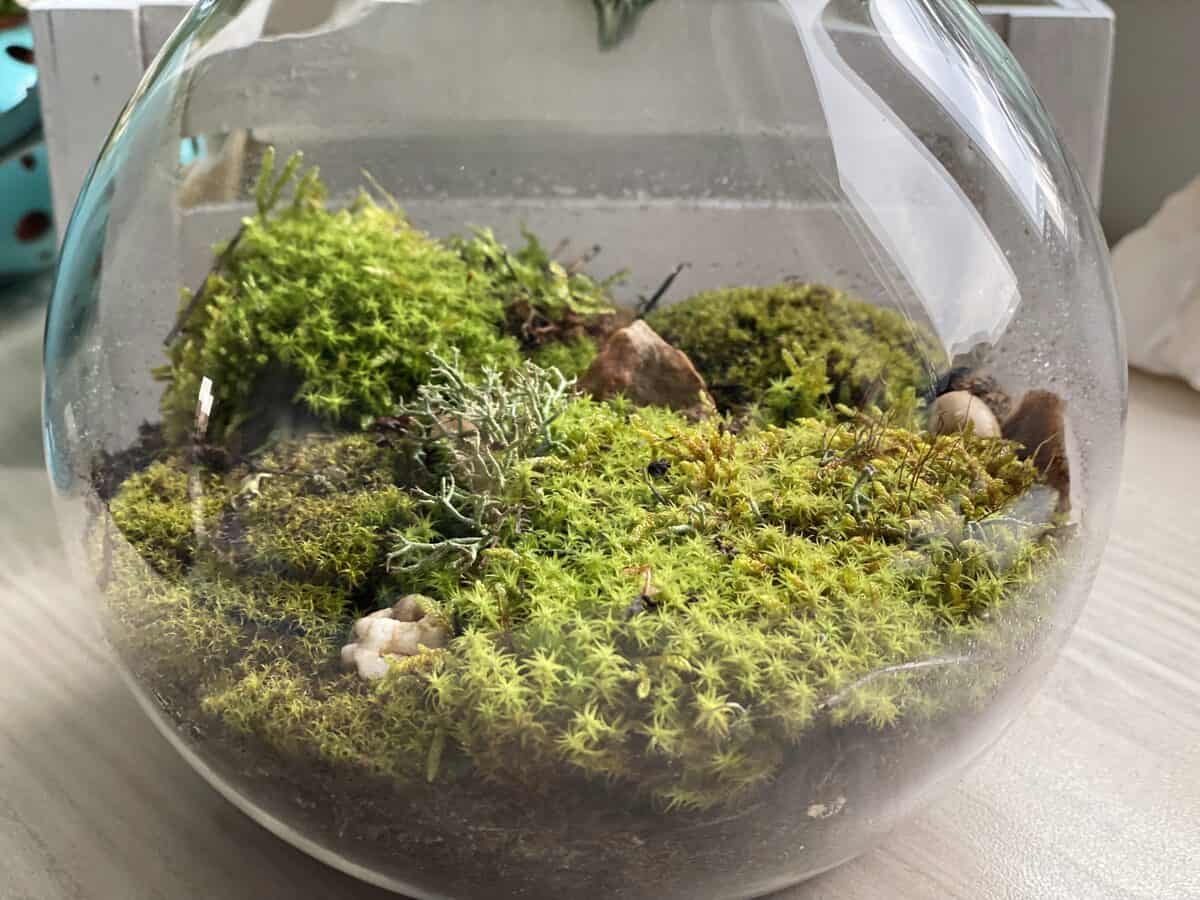
Most of the magic, the misty, lush, self-sustaining look, comes from closed terrariums full of moss. That is where I would start.
What You Need to Make a Terrarium
You do not need anything fancy. A clean glass jar or bowl works beautifully. Here is the simple kit:
- A glass container, with or without a lid depending on closed or open.
- Drainage stones (gravel or small pebbles) for the bottom.
- A thin layer of charcoal to keep everything fresh.
- The right soil mix (light and airy, more below).
- Moss and small plants.
- Decorations: stones, driftwood, bark, or a small figurine.
You can even gather most of this for free from nature, which is one of my favorite ways to do it. Here is my full method: How to Make a Native Terrarium in Nature for Free.

How to Make a Closed Terrarium, Step by Step
This is the heart of it. Build your layers from the bottom up:
- Drainage layer. Add an inch or two of small stones so water never sits on the roots.
- Charcoal. A thin sprinkle keeps the closed environment fresh and odor free.
- Soil. Add your terrarium soil mix, deep enough for roots. A light, airy mix is essential, and you can make a perfect one for free. Here is exactly how: Soil Mix for Closed Terrariums.
- Plants and moss. Place your plants first, then tuck moss around them and press it gently onto the soil so it makes contact.
- Decorate and mist. Add stones or driftwood, mist lightly, and close the lid.
Here is my full beginner build from start to finish:

And my detailed soil mix video:

For two full written walkthroughs, see How to Make a Closed Terrarium in a Glass Jar and How to Make a Closed Terrarium with Moss and Houseplants.
What to Put Inside: Best Plants for a Terrarium
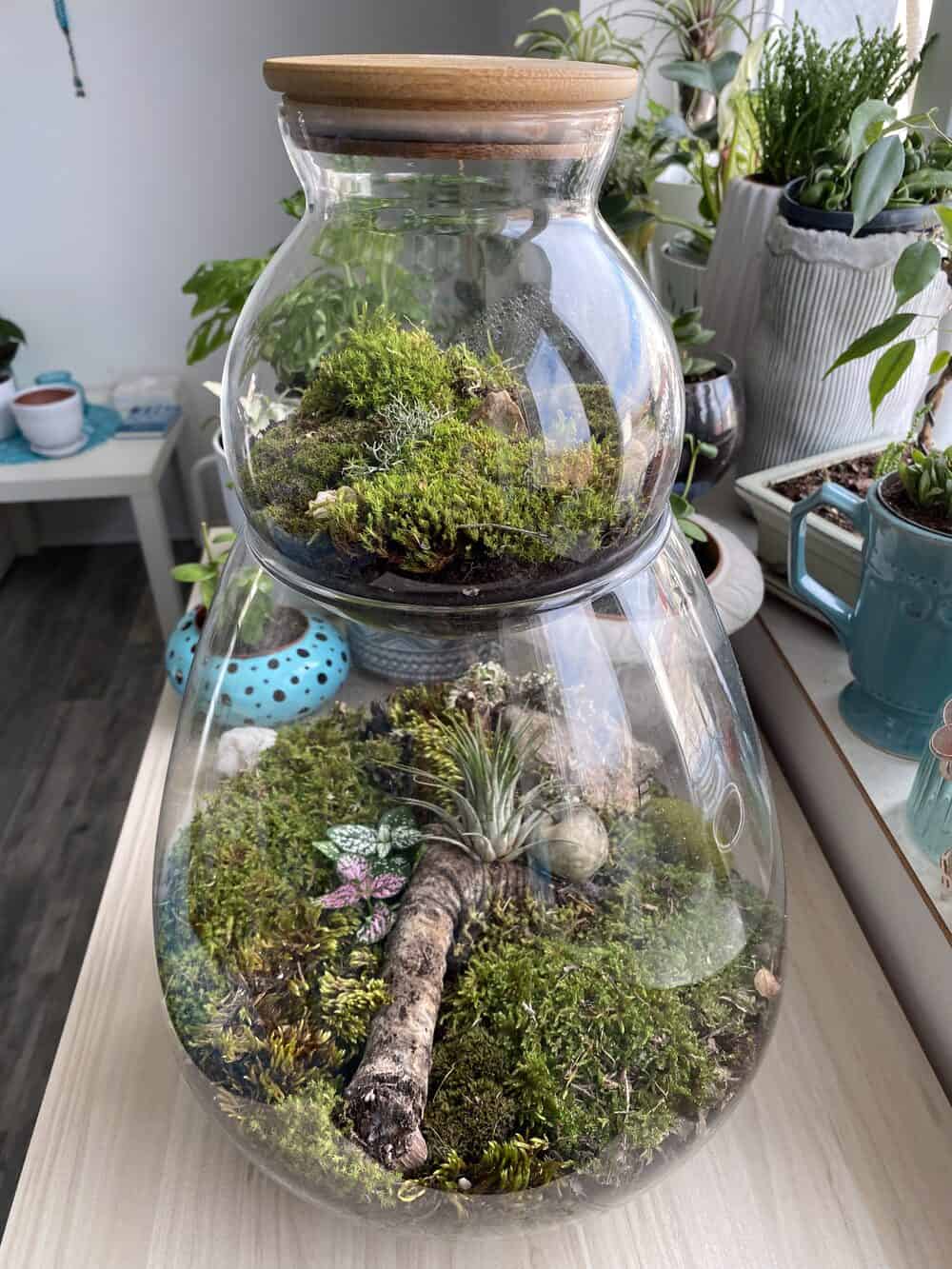
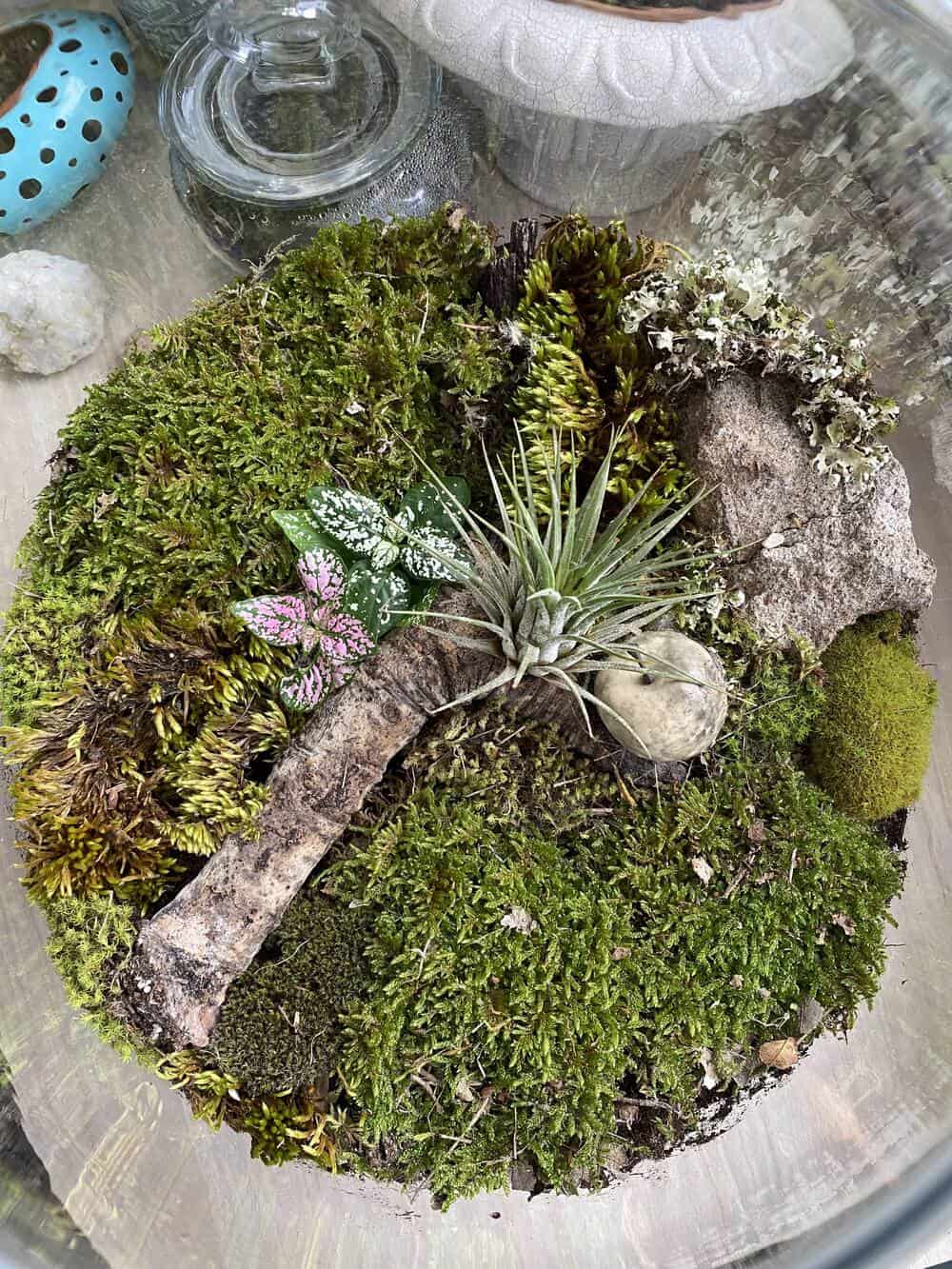
The best terrarium plants stay small and love humidity. Good choices for a closed terrarium include ferns, fittonia, baby tears, small tropical seedlings and, of course, plenty of moss. For open terrariums, succulents and air plants are happiest. For my full list, see 7 Best Plants for Closed Terrariums.
All About Moss: The Heart of a Terrarium
Moss is what gives a terrarium that lush, magical carpet, and it is wonderfully easy to work with. Here is everything you need.
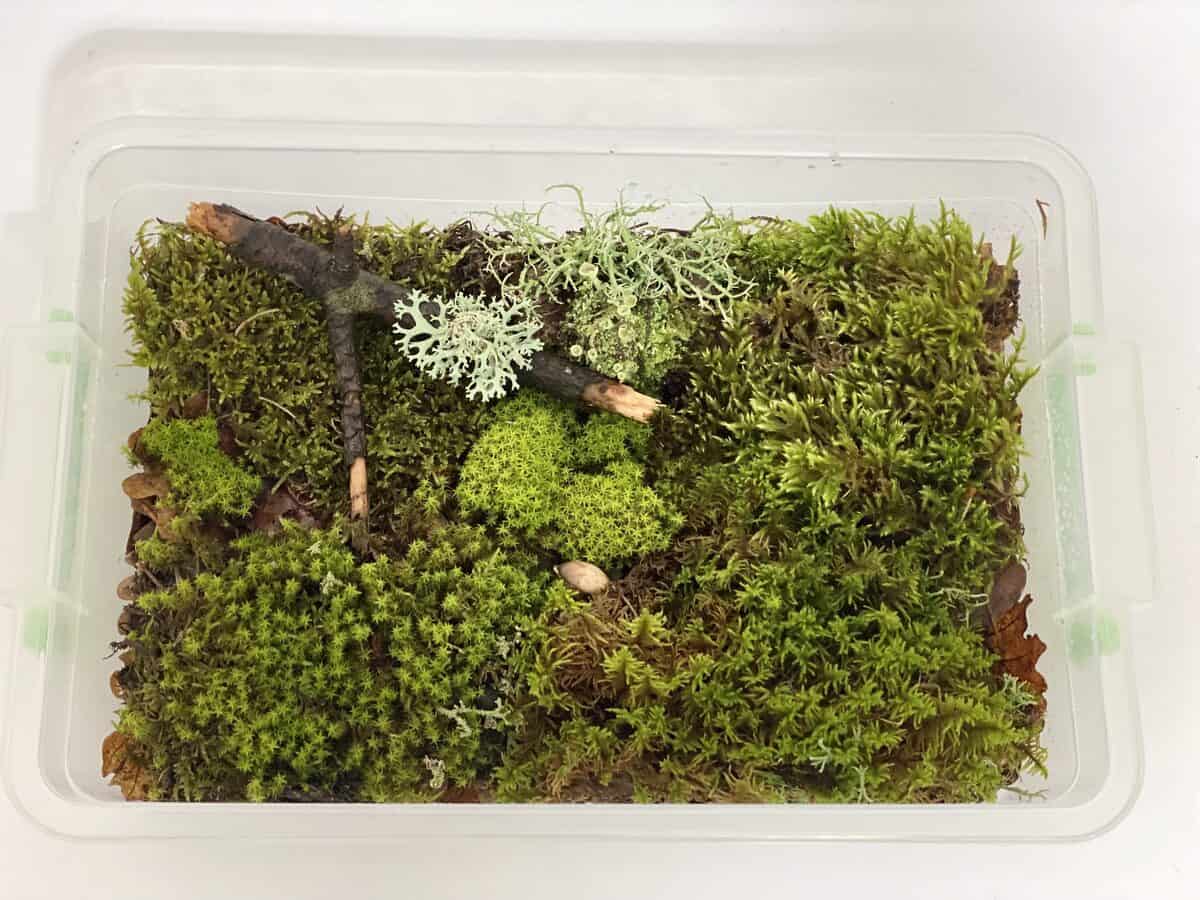
Collecting moss
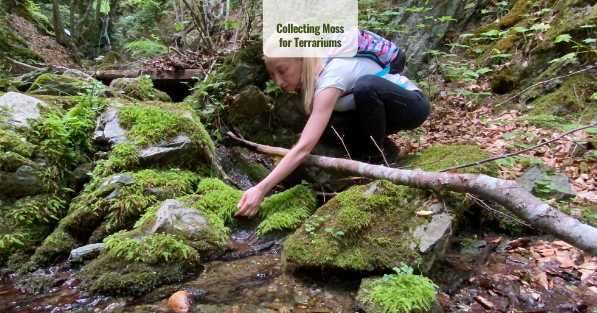
You can gather moss for free from your garden or on a walk, taking only small amounts and leaving plenty behind. Here is how I do it responsibly: Collecting Moss for Making a Terrarium.
Cleaning and preparing moss
Before moss goes into glass, it needs a gentle clean to remove soil, bugs and debris. My method is here: How to Clean and Prepare Moss and Lichen.
Identifying moss
Not all moss behaves the same in a terrarium. Knowing what you have helps you place it well: Moss Identification.
Reviving dried moss
If your moss dries out or arrives crispy, do not throw it away. Most moss can be brought back to life with moisture and patience: How to Revive Dried Moss and Regrow It.
Caring for Your Terrarium
A closed terrarium is close to self-sufficient. Keep it in bright, indirect light, never in direct sun, which would cook it. If you see heavy fog inside, open the lid for an hour to let some moisture out. If it looks dry, mist lightly. That is really all most terrariums need, and a good one can thrive for years. Mine is proof: my orchid terrarium after three years.
Common Terrarium Mistakes to Avoid
- Too much water. Closed terrariums recycle moisture, so a light mist is plenty. Soggy terrariums rot.
- Direct sunlight. Glass magnifies heat and will scorch everything inside. Bright, indirect light only.
- No drainage layer. Without stones at the bottom, water pools and roots rot.
- Skipping the moss clean. Unwashed moss brings in pests and mold.
- Cramming it too full. Leave a little room so air can move and plants can grow.
Frequently Asked Questions
How do you make a terrarium for beginners?
Add a drainage layer of stones, a thin layer of charcoal, then airy soil. Place small plants, tuck moss around them, add a few stones or driftwood, mist lightly and, for a closed terrarium, add the lid. Keep it in bright, indirect light.
Do closed terrariums need watering?
Very rarely. A closed terrarium recycles its own moisture, so it can go weeks or months between mistings. Only add a light mist if it looks dry, and open the lid briefly if it fogs up heavily.
What plants are best for a terrarium?
For closed terrariums, choose small humidity lovers like ferns, fittonia, baby tears and moss. For open terrariums, succulents and air plants do best because they prefer drier air.
Can I use moss from my garden in a terrarium?
Yes, garden or woodland moss works wonderfully. Take only small amounts, leave plenty behind, and clean it gently to remove soil and bugs before adding it to glass.
Why is my terrarium foggy inside?
A little condensation is normal and healthy. Heavy, constant fog means too much moisture, so open the lid for an hour or two to let some out, then close it again.
How long does a terrarium last?
A well-made closed terrarium can thrive for years with almost no care. Mine has gone strong for over three years. The keys are the right light, good drainage and not overwatering.
Final Thoughts
Once you know how to make a terrarium, you will want to make more, because they are calming to build and almost magical to watch. Start with a simple closed jar, a layer of stones, some clean moss and a couple of small plants, and let nature do the rest. Keep it out of direct sun, mist lightly, and your little glass world will look after itself for a long time.
Written by Bojana
Plant lover, grower, and music maker behind Plant House & Garden, with 35+ years of hands-on houseplant experience. Read more about Bojana →