Orchid Terrarium Care: How to Keep It Alive for Years (My 3-Year Results)
If your orchid terrarium keeps struggling or slowly declining, you’re not alone. These beautiful mini ecosystems can look perfect at first, but without the right balance of light, humidity, and watering, they can quickly go downhill.
If you’re wondering how to care for an orchid terrarium, the key is finding the right balance between light, humidity, and watering.
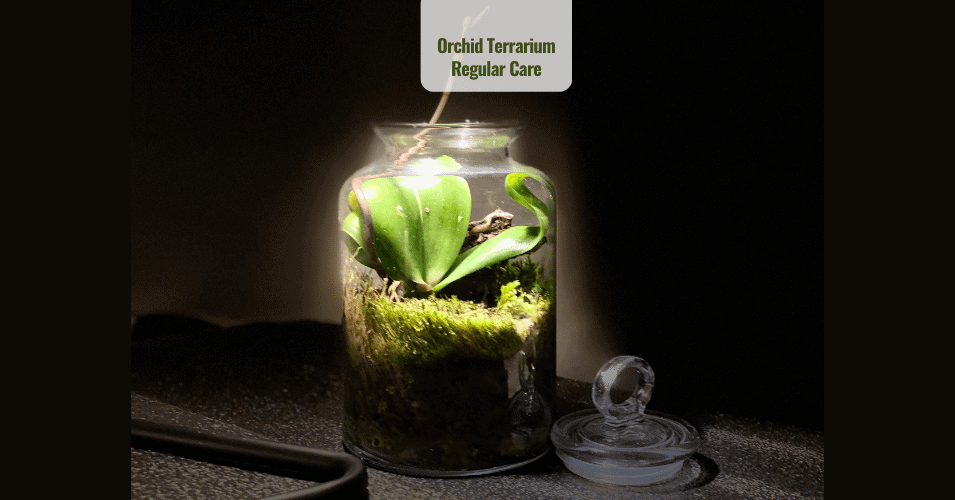
In this guide, I’ll show you exactly how I’ve managed my orchid terrarium care for over 3 years, what actually works, what to avoid, and how to keep your orchids healthy long-term.
🎥 Watch how my orchid terrarium looks after 3 years and how I maintain it step by step:

| Need | What to do |
|---|---|
| Light | Bright, indirect light, no harsh direct sun |
| Watering | Minimal, only when the substrate is slightly dry |
| Humidity | Stable and high, which the terrarium maintains |
| Airflow | Gentle air movement to prevent stale, stagnant air |
| Substrate | Open, free-draining orchid or terrarium mix |
| Common mistake | Overwatering, since terrariums stay moist much longer |
Light Requirements for Orchid Terrarium
Light is one of the most important factors in orchid terrarium care.
Orchids naturally grow in filtered jungle light, which means they don’t tolerate direct sun very well. In a closed or semi-closed terrarium, too much light can quickly overheat the environment and damage the leaves.
The ideal setup is:
- Bright, indirect light
- Near a window with filtered sunlight
- No direct midday sun
If you notice yellowing leaves or fading color, light is often the first thing to adjust.
Choosing the right plants is just as important, here are some of the best plants for closed terrariums that thrive in similar conditions.
Orchid Terrarium Watering (Most Common Mistake)
When it comes to orchid terrarium watering, overwatering is the most common mistake.
Because terrariums retain moisture, water evaporates slowly and stays trapped inside. This creates a humid environment, but it also increases the risk of root rot if you water too often.
Instead of watering on a schedule:
- Check moisture levels first
- Only water when the substrate is slightly dry
- Use small amounts of water
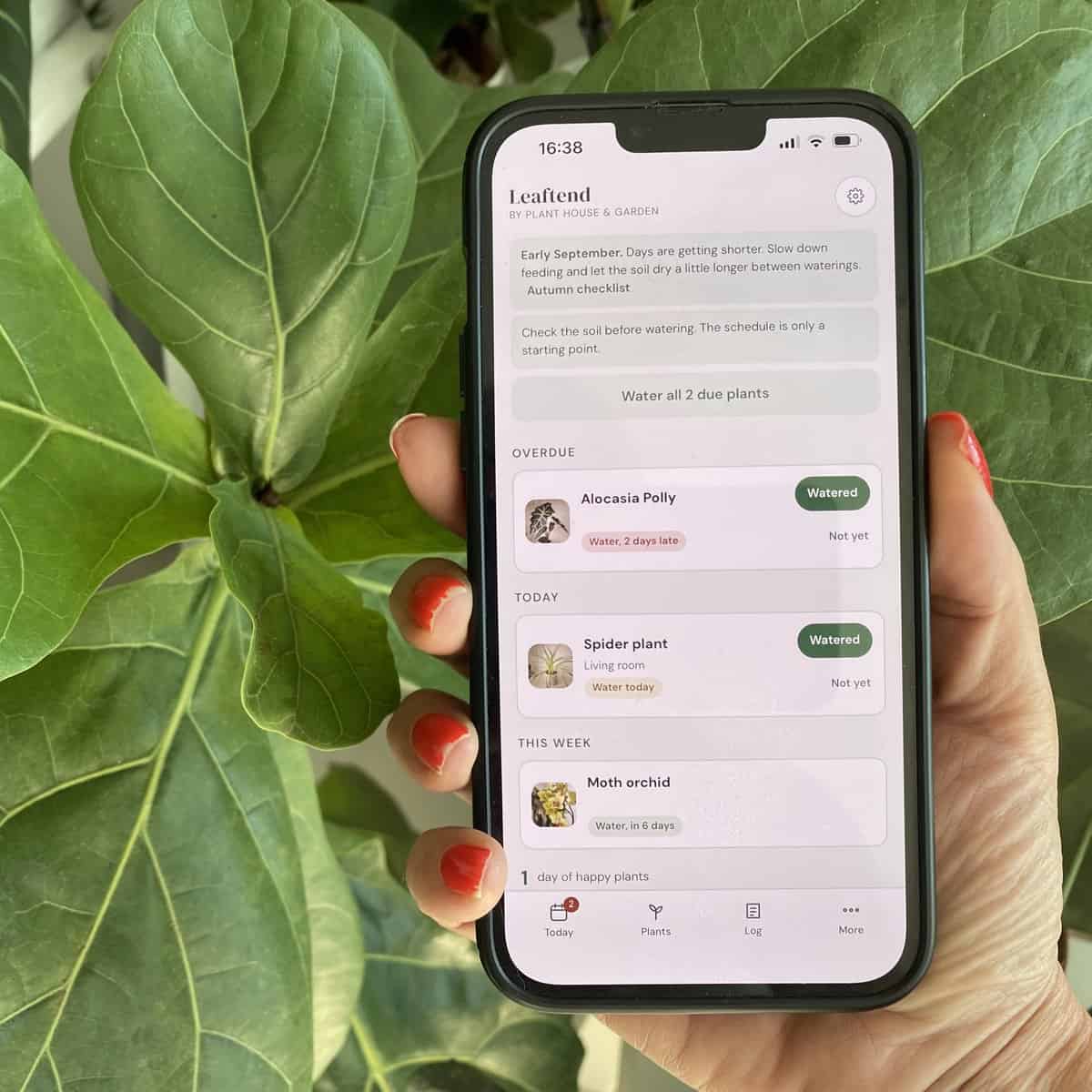
One of the easiest ways to avoid overwatering is by checking soil moisture before watering. Many plant owners use a moisture meter to understand when their plant actually needs water. This simple tool can help prevent root rot and improve overall plant care.
Humidity and Airflow Balance
Humidity is naturally higher inside a terrarium, which orchids love - but balance is key.
Too much humidity without airflow can lead to:
- Mold
- Root rot
- Fungal issues
Too little humidity can cause:
- Dry leaf edges
- Slow growth
The goal is a stable environment with moderate humidity and occasional airflow.
Moss plays a key role in moisture balance - you can see how it’s used in this closed terrarium setup with moss and houseplants.
Many plant owners use humidifiers to create a more stable indoor environment, especially during winter when air becomes very dry. A good humidifier can help prevent dry leaf edges and support overall plant health. This is especially useful for tropical plants like orchids that prefer higher humidity levels.
Soil and Substrate for Orchid Terrarium
The right substrate is essential for healthy roots.
Orchids don’t grow in regular soil. They need an airy mix that allows oxygen to reach the roots while still holding some moisture.
A good orchid terrarium mix includes:
- Orchid bark
- Moss
- Perlite
Avoid compact, heavy soil at all costs it will suffocate the roots and lead to root rot. You can also create your own mix using this step-by-step guide on how to make soil mix for closed terrariums at home.
If you don’t want to mix your own substrate, many indoor gardeners choose ready-made well-draining soil mixes designed for orchids. These mixes often include components like bark and perlite, making them a convenient option for healthy root development. Choosing a quality mix can make a big difference in long-term plant health.
My 3-Year Orchid Terrarium Results
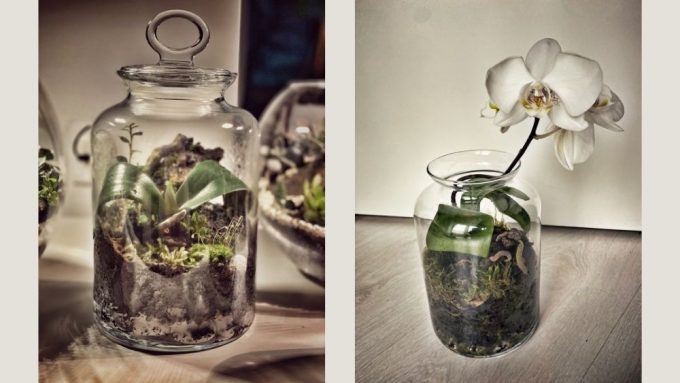
After more than 3 years, my orchid terrarium is still alive, stable, and growing.
The biggest lesson I learned is this:
👉 It’s not about doing more - it’s about doing less, but correctly.
Once the environment is balanced:
- watering becomes minimal
- growth becomes steady
- maintenance becomes simple
This is what makes orchid terrariums so rewarding when done right.
Common Orchid Terrarium Problems
Even with proper orchid terrarium maintenance, problems can happen.
Yellow leaves
Usually caused by too much light or overwatering.
Root rot
Most often from poor drainage or excess moisture.
No growth or slow growth
Often related to low light or lack of nutrients.
Mold inside terrarium
Caused by too much humidity and no airflow.
Most issues come down to one thing: imbalance.
If you’re just starting out, this guide on how to make a closed terrarium in a glass jar will help you build a stable environment from the beginning.
Tools That Can Help
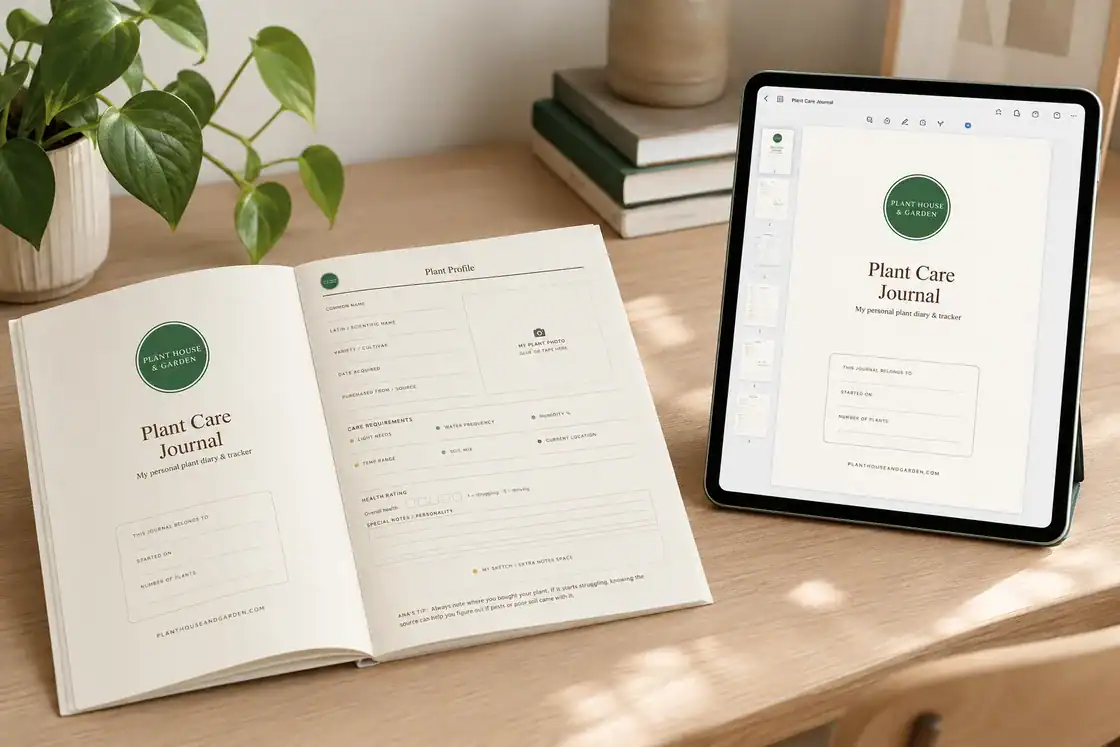
A terrarium that lasts for years is all about consistent, light-touch care. My Plant Care Journal is handy for logging when you watered, misted, or pruned, so you can spot what keeps your orchid terrarium thriving over time.
Some helpful tools for orchid terrarium care include grow lights, humidifiers, moisture meters, and well-draining orchid mixes. Choosing the right setup can make plant care much easier and more effective in the long run.
FAQ: Orchid Terrarium Care
How do you care for an orchid terrarium?
Orchid terrarium care is all about balance. You need bright, indirect light, minimal watering, stable humidity, and proper airflow to keep your orchids healthy long-term.
How often should you water an orchid terrarium?
Orchid terrarium watering should be minimal. Only water when the substrate is slightly dry, since terrariums retain moisture longer than regular pots.
What are the light requirements for an orchid terrarium?
Orchid terrarium light requirements include bright, indirect light. Avoid direct sunlight, as it can overheat the terrarium and damage the leaves.
How do you maintain an orchid terrarium long-term?
Orchid terrarium maintenance involves controlling humidity, avoiding overwatering, ensuring airflow, and keeping a stable environment over time.
Why is my orchid terrarium dying?
Most orchid terrarium problems are caused by overwatering, poor light conditions, or lack of airflow. Fixing these factors usually helps restore plant health.
Final Tips for Orchid Terrarium Care
If you want your orchid terrarium to thrive long-term, focus on balance:
- Light: bright but indirect
- Water: minimal and controlled
- Humidity: stable, not extreme
- Airflow: occasional but important
Small adjustments make a big difference over time.
Related Articles
- How to Clean and Prepare Moss and Lichen for making Terrarium: A Complete Guide
- Collecting Moss for Terrarium: Your Complete Guide
- How to Revive Dried Moss: A Complete Guide to Bring Moss Back to Life
- Ludisia Discolor Care: Why Your Jewel Orchid Is Dying (And How to Fix It)

Written by Bojana
Plant lover, grower, and music maker behind Plant House & Garden, with 35+ years of hands-on houseplant experience. Read more about Bojana →