How to Clean and Prepare Moss and Lichen for making Terrarium: A Complete Guide
If you’re diving into the beautiful world of terrariums, one of the key elements that will set your project apart is how to clean and prepare moss and lichen for making terrarium properly. Moss and lichen add a lush, natural vibe to your mini ecosystem, but to keep them healthy and vibrant, they need a bit of care before you place them in your terrarium. In this guide, I’ll walk you through the essential steps, tips, and tricks to ensure your moss and lichen thrive and bring life to your terrarium.

Click here to watch the video on YouTube!
| Step | What to do | Why it matters |
|---|---|---|
| Rinse | Rinse under cool water to wash off soil and loose debris. | Removes dirt and spores. |
| Inspect | Check closely for bugs, slugs, and eggs and pick them off. | Stops pests hitching into the terrarium. |
| Soak | Briefly soak in water to flush out hidden critters. | Flushes insects from deep in the moss. |
| Trim and dry | Gently squeeze out water and trim dead brown bits. | Reduces rot and mold risk. |
| Store | Keep lightly damp in a breathable container out of direct sun. | Keeps the moss alive until you build. |
How to Clean and Prepare Moss and Lichen for a Terrarium, Step by Step
Step 1: Collecting Moss and Lichen
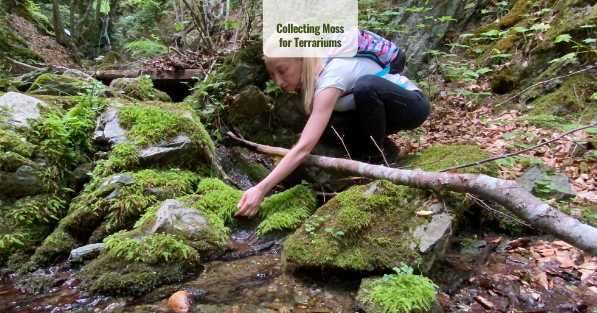
The first step on how to clean and prepare moss and lichen for making terrarium is sourcing quality moss and lichen. The best moss often grows in shaded, damp areas - think forest floors or near streams, especially after a rain. When collecting moss, be gentle and take only small portions to preserve natural habitats. Store moss loosely in breathable containers or paper bags to avoid suffocation.
Important: Avoid putting lichens in plastic bags as they can trap moisture and cause decay. Keep lichens dry until you are ready to use them, preserving their delicate structures and natural health.
Step 2: Proper Storage Before Cleaning
If you need to store your moss before use, the process on how to clean and prepare moss for making terrarium includes proper storage. Keep moss in plastic containers or bags with ventilation to maintain humidity without suffocating the moss. Avoid leaving moss in sealed plastic bags for more than 24-30 hours, as this can lead to rot and mold.
For long-term storage, consider using breathable fabric bags or placing moss in shallow trays with regular misting. Keeping moss hydrated but not soaked is the balance that will keep it ready for your terrarium project.
Step 3: Thorough Cleaning of Moss and Lichen
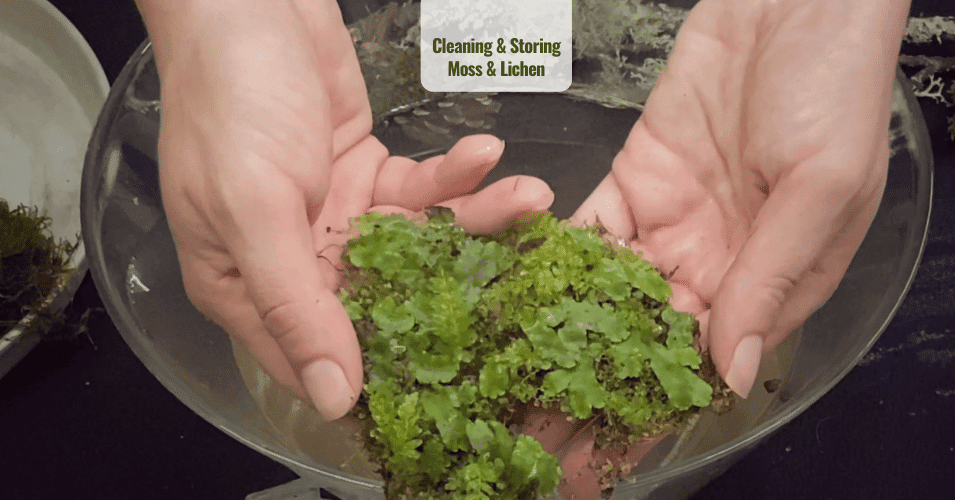
Cleaning is vital to remove debris, pests, or contaminants that might harm your terrarium’s ecosystem. Fill a bowl with distilled or rainwater, since tap water can contain chemicals harmful to moss. Gently submerge each piece of moss and lightly agitate it to dislodge dirt and tiny insects. Use tweezers or fingers to pick out leaves, twigs, or other debris.
For lichens, avoid excessive soaking. Instead, gently brush off dust and dirt or give them a very light mist. Keeping their structure intact ensures they can continue to perform their role in your terrarium.
Step 4: Preparing Moss for Long-Term Terrarium Use
Once cleaned, moss needs to be conditioned before it thrives inside your closed or open terrarium. Begin by laying down a base layer of small pebbles or gravel for drainage. Next, add a thin layer of soil, preferably nutrient-rich and well-draining.
Sprinkle dried leaves or organic mulch over the soil for natural insulation and moisture retention. Finally, lay your prepared moss on top and mist thoroughly with filtered or distilled water.
Cover the terrarium with its lid to trap humidity but place it in a bright spot with indirect sunlight, since direct sun can dry out or burn the moss. To maintain health, mist the moss 2-3 times a week to keep it moist but never waterlog the environment.
Step 5: Special Care for Ebony Spleenwort and Other Fern-like Mosses
If you’re including species like Ebony Spleenwort in your terrarium, it’s crucial to prevent their roots from drying out. When collecting, place these plants immediately into water and keep them hydrated before planting. Ebony Spleenwort thrives in high humidity and indirect light, making it a perfect candidate for closed terrariums.
When integrating them into your soil mix, ensure gentle planting and avoid compacting soil around their roots. This will help them establish faster and grow lushly.
Why Proper Preparation Matters: Benefits of Clean and Healthy Moss?
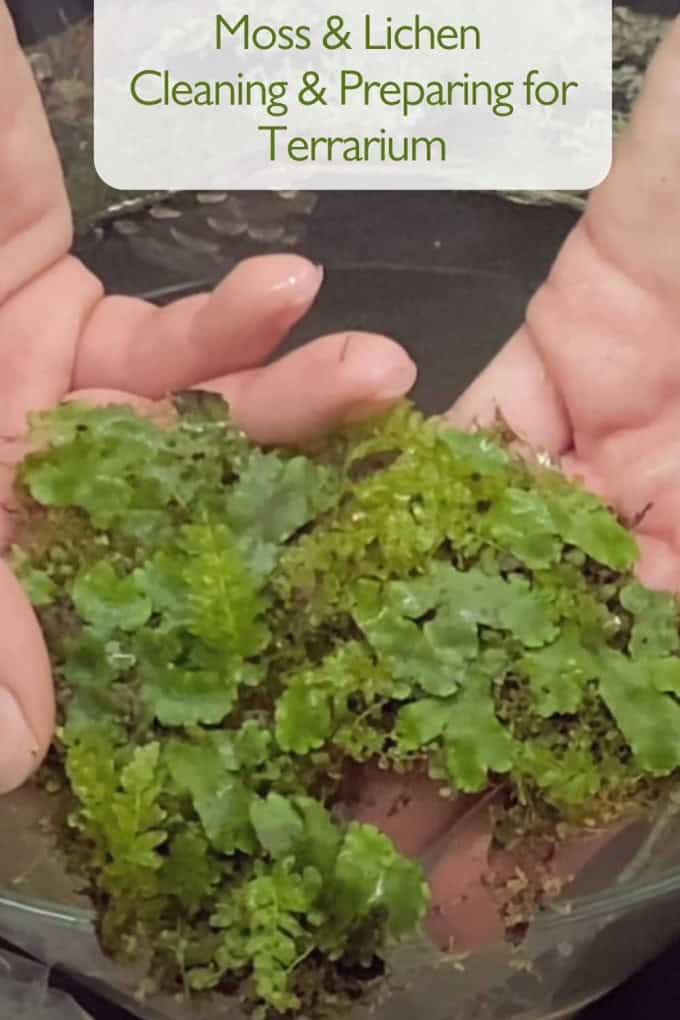
Understanding how to clean and prepare moss and lichen for making terrarium is more than just a preparatory step. It is fundamental for a thriving terrarium. Clean moss reduces the risk of mold, pest infestations, and decay, which can all jeopardize your mini ecosystem.
Healthy moss improves air quality within your terrarium by producing oxygen and maintaining humidity. It also provides a natural, soft carpet that supports the growth of other plants, creating a balanced, self-sustaining environment.
Essential Tools and Materials for How to Clean and Prepare Moss and Lichen for Making Terrarium
When learning how to clean and prepare moss and lichen for making terrarium, having the right tools can make the process easier and more effective. Aside from distilled or rainwater, you’ll want to gather a few essentials such as a soft brush for gentle cleaning, tweezers to remove stubborn debris, and a shallow basin or tray to soak your moss and lichen if needed. Using these tools carefully helps maintain the delicate structure of moss and ensures that lichens aren’t damaged during preparation. Proper tools not only speed up the cleaning process but also protect your natural materials from unnecessary harm, which is crucial for a thriving terrarium.
The Importance of Sterilizing Moss and Lichen in How to Clean and Prepare Moss and Lichen for Making Terrarium
A lesser-known but critical step in how to clean and prepare moss and lichen for making terrarium is sterilization. Since moss and lichen are collected from outdoor environments, they can harbor pests, fungi, or harmful bacteria that might disrupt your terrarium’s balance. To prevent this, after cleaning, consider a mild sterilization method such as soaking the moss briefly in a diluted hydrogen peroxide solution or using a gentle heat treatment. This step eliminates unwanted microorganisms without harming the moss or lichen. Incorporating sterilization into your preparation routine can significantly increase the longevity and health of your terrarium ecosystem.
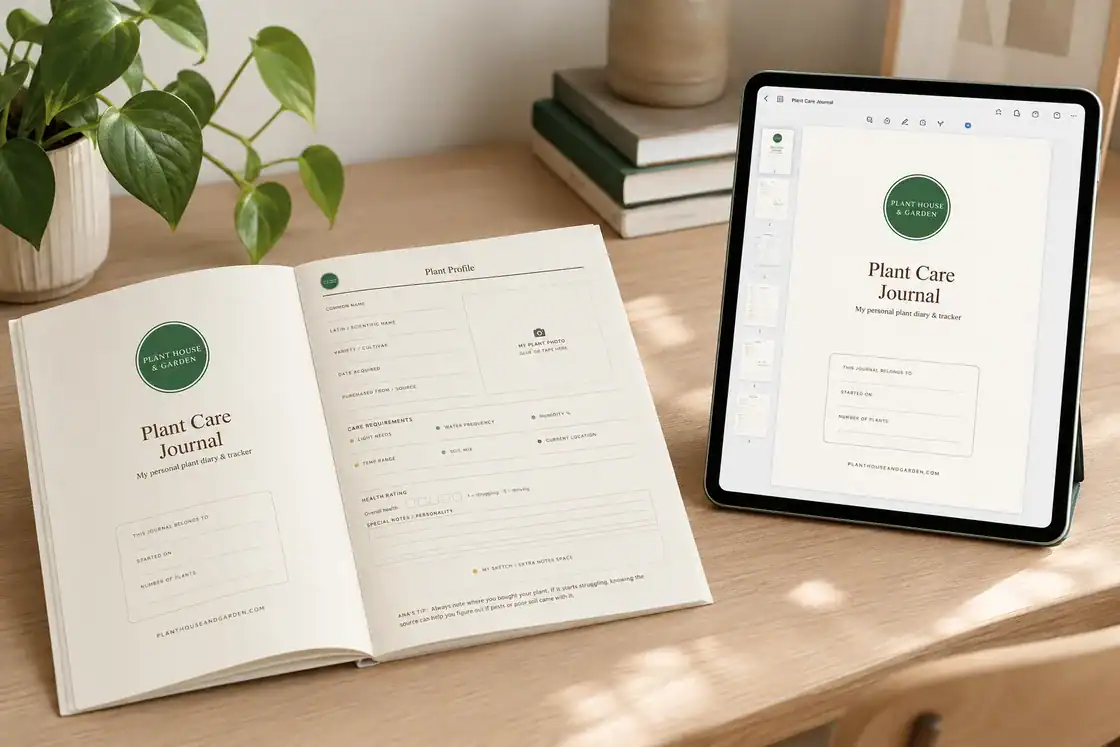
Building more than one terrarium? It helps to keep notes. My Plant Care Journal gives you a place to track each setup, what moss you used, and how it is doing over time.
Frequently Asked Questions
Why do you need to clean moss before using it in a terrarium?
Wild moss and lichen carry soil, spores, insects, and eggs. If you skip cleaning, those pests and mold spores end up sealed inside your terrarium, where they multiply fast. A quick rinse, inspection, and soak keep your terrarium healthy from day one.
How do you get rid of bugs in terrarium moss?
Rinse the moss under cool water, then inspect it piece by piece and pick off any bugs, slugs, or eggs you see. A short soak helps float out hidden insects. For stubborn cases, a longer soak followed by a clean-water rinse usually does the job.
Can you use moss from your garden in a terrarium?
Yes, garden or woodland moss works well as long as you clean it first. Collect it responsibly, rinse off the soil, remove pests, and trim away dead patches. Avoid moss from areas treated with chemicals or pesticides.
How do you store cleaned moss and lichen?
Keep cleaned moss lightly damp, not soaking, in a breathable container like a ventilated tub or a loosely closed bag. Store it out of direct sun and check it every few days. Most moss stays usable for weeks this way.
Does cleaned moss stay green in a terrarium?
Yes, with steady humidity and indirect light, cleaned moss usually stays green and can keep growing inside a closed terrarium. If it browns, it is often too dry, too dark, or getting direct sun.
Final Thoughts on How to Clean and Prepare Moss and Lichen for making Terrarium
With the right care and preparation on how to clean and prepare moss and lichen for making terrarium, your moss and lichen will flourish, giving your terrarium a vibrant and natural look. Don’t rush the process; take time to clean, hydrate, and condition your moss properly. For detailed demonstrations and extra tips, check out the full video tutorial below.
Your terrarium journey will be much more rewarding with healthy moss, nature’s perfect little carpet, to anchor your mini ecosystem.

Written by Bojana
Plant lover, grower, and music maker behind Plant House & Garden, with 35+ years of hands-on houseplant experience. Read more about Bojana →