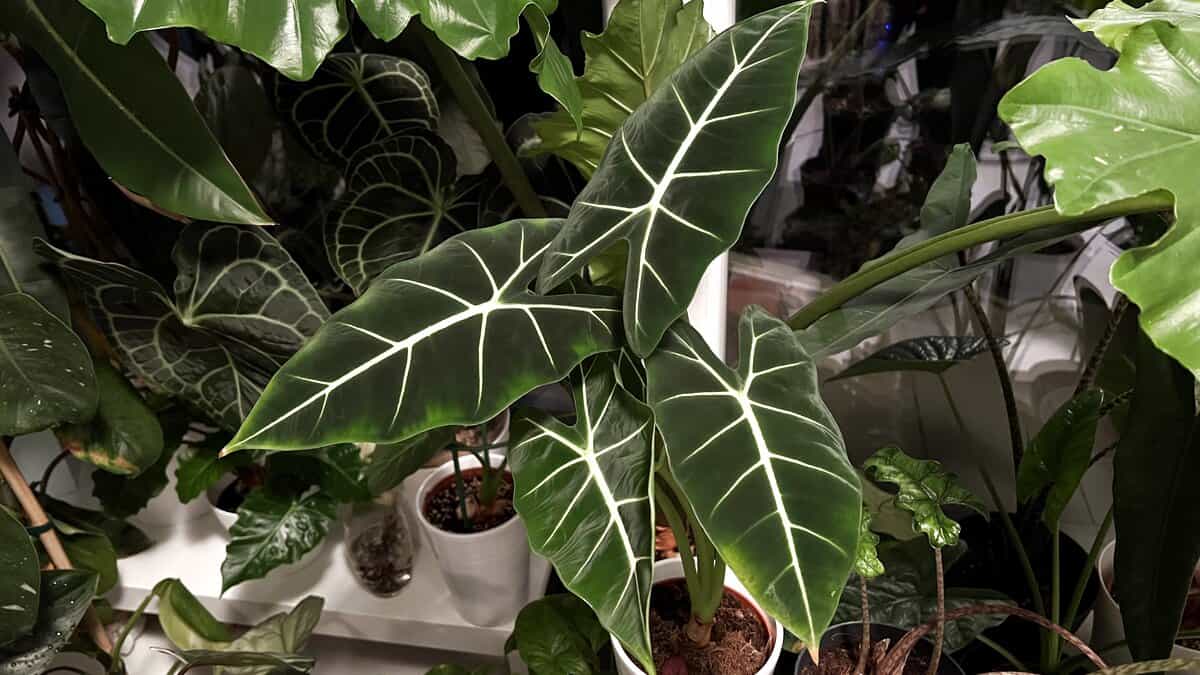
Alocasia Care: The Complete Guide to Thriving Dramatic Leaves
If you have ever brought home an Alocasia and watched it sulk within a week, you are not alone. Alocasias have a reputation as drama queens, and honestly, they earn it. One draft, one missed watering, one dry week, and those gorgeous leaves let you know all about it.
But here is what years of growing them have taught me: Alocasias are not difficult, they are just consistent. They come from the warm, humid understory of Southeast Asian rainforests, and everything they do in your home makes sense once you understand what they expect. This guide brings together everything I know about alocasia care, plus links to my detailed guides for every variety I grow. And if you are still learning houseplant basics, my houseplant care for beginners guide covers the foundations this one builds on.

That is my Alocasia Silver Dragon care video; if it helps, you will find many more on my YouTube channel, so consider subscribing.
| Need | What to do |
|---|---|
| Light | Bright indirect; east window ideal; no direct midday sun |
| Water | When top 2-3 cm of soil is dry; never soggy |
| Humidity | 60 percent or higher; humidifier in dry homes |
| Temperature | 18-29 C; no cold drafts; below 15 C triggers dormancy |
| Soil | Chunky aroid mix, fast draining |
| Feeding | Half-strength balanced feed every 3-4 weeks, spring and summer only |
| Winter | Slowdown or full leaf drop is normal dormancy; keep barely moist and wait |
| Pets | Toxic to cats and dogs |
Light: Bright and Indirect, Always
Alocasias grow under a jungle canopy, so they want plenty of light with none of it direct. An east-facing window is ideal. A few steps back from a south or west window works too. Too little light and new leaves come in small and stems stretch; too much direct sun and the leaves scorch in patches.
If your Alocasia is producing smaller leaves each time, light is the first thing to check. I wrote about exactly this with my Regal Shield in how to grow bigger leaves on Alocasia Regal Shield.
Watering: Lightly Moist, Never Wet
This is where most Alocasias meet their end. They like the top 2-3 cm of soil to dry out, then a thorough drink. What they cannot forgive is sitting in soggy soil, because their thick corm-like roots rot fast.
My rule: check with a finger twice a week, water only when the top layer is dry, and always let the pot drain fully. If you have already overdone it and the base smells musty, my root rot rescue guide walks you through saving the plant step by step.
Humidity and Temperature: Think Rainforest
Above 60 percent humidity is where Alocasias are happy. Below 50 percent you will see brown, crispy leaf edges no matter how well you water. A humidifier is the honest fix; grouping plants and pebble trays help a little, but they will not carry a dry room in winter.
Temperature wise, 18 to 29 C keeps them growing. Below about 15 C they start shutting down, and cold drafts from windows or doors are a common hidden cause of sudden leaf drop.
Soil: A Chunky Aroid Mix
Regular potting soil holds too much water for an Alocasia. They want a chunky, airy mix that drains fast and still holds a little moisture. I mix my own and it changed everything for my collection; the full recipe is in my aroid potting mix guide.
Feeding: Little and Often in Season
During spring and summer, a balanced liquid fertilizer at half strength every 3-4 weeks keeps the leaves coming. Stop feeding in fall and winter. Overfeeding shows up as brown leaf tips and a white crust on the soil, and Alocasias are more sensitive to it than most houseplants.
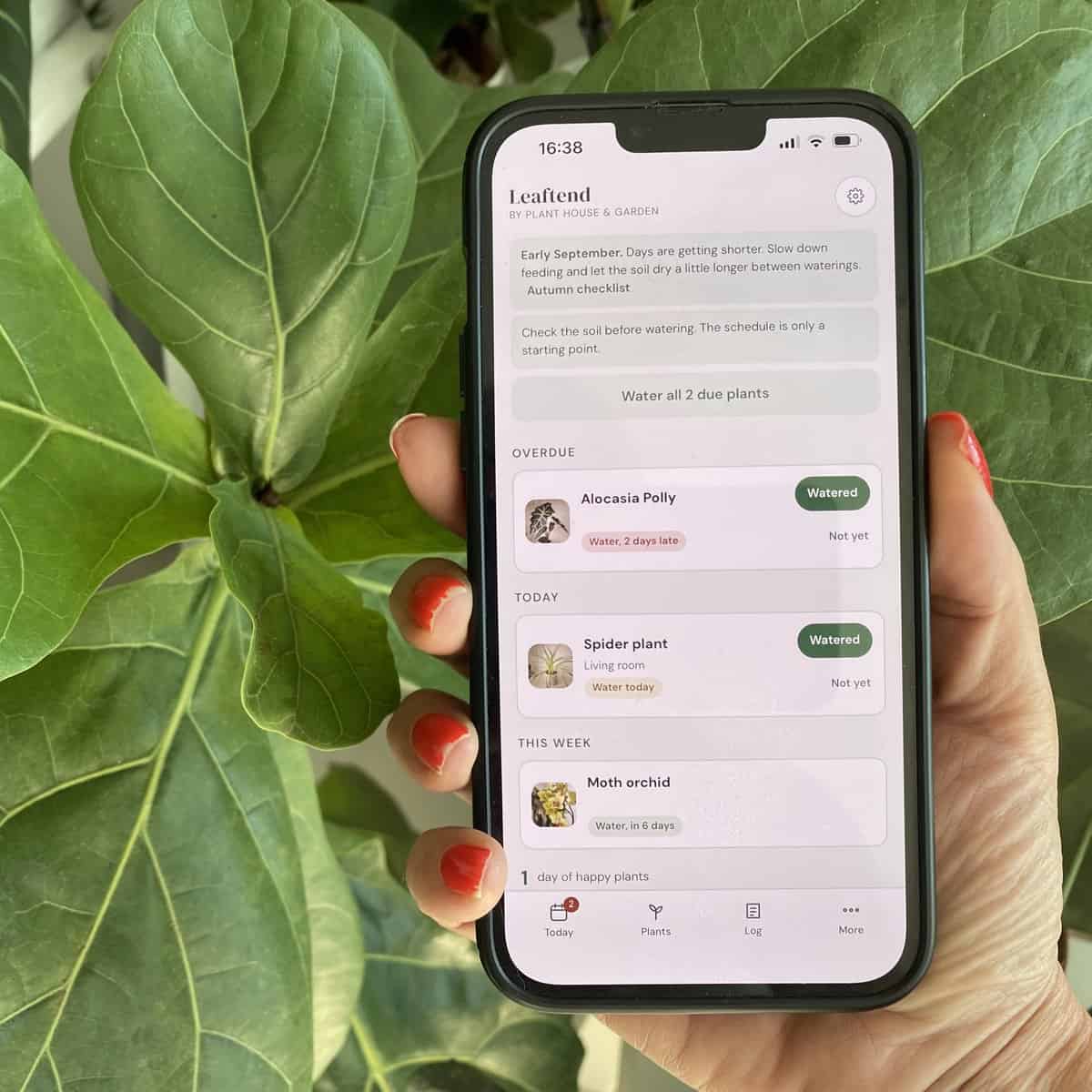
If you like keeping notes the way I do, tracking watering and feeding is honestly the easiest way to catch problems early. This is what I use:

Winter Dormancy: Do Not Panic
This is the thing nobody tells you when you buy your first Alocasia. In winter, especially in darker homes, many Alocasias slow right down or even drop every single leaf. It looks like death. It usually is not. The corm under the soil is alive and resting, and in spring it pushes out fresh leaves like nothing happened. Keep the soil barely moist, keep the plant warm, and wait. Do not repot, do not fertilize, do not water it back to life.
Alocasia Varieties: My Care Guides
Every variety has its own personality. Here are my detailed guides for each one I grow:

- Alocasia Frydek Care - the velvet green beauty
- Alocasia Silver Dragon Care - silvery scaled leaves, a little fussier about humidity
- Alocasia Amazonica Care - the classic dark arrowhead
- Alocasia Jacklyn Care - dramatic dark stems and textured leaves
- Alocasia Tigrina Care - striped stems, compact grower
- Alocasia Lukiwan Care - big glossy leaves
- Alocasia Regal Shield: Bigger Leaves - my leaf-size experiments
Common Alocasia Problems
Yellow leaves usually mean overwatering. Brown crispy edges mean dry air. Speckled, pale leaves with fine webbing mean spider mites, and I will be honest with you: spider mites love Alocasias more than almost any other houseplant. Check leaf undersides weekly, and if you find them, my spider mites treatment works on Alocasias without damaging the leaves.
For the full breakdown of what goes wrong and how to fix each one, see Alocasia Care Problems: 6 Mistakes to Avoid. And if you are not sure whether you are dealing with a pest or a care issue, my houseplant pests and problems guide helps you tell them apart.
Propagating Alocasia: Corms Are the Secret
Unlike most houseplants, Alocasias do not propagate well from cuttings. The magic happens underground: they grow small corms along their roots, and each one can become a whole new plant. It feels like finding buried treasure when you repot.

I have two full guides: propagating Alocasia Regal Shield from corms covers the corm method start to finish, and propagating Alocasia Portodora from stem cuttings covers the exception that does work from cuttings. For propagation basics across all houseplants, my houseplant propagation guide is the place to start.
A Note on Pets
All Alocasias contain calcium oxalate crystals and are toxic to cats and dogs if chewed. Keep them out of reach if you have curious pets, and see my pet-friendly houseplants guide for safe alternatives.
Alocasia Care FAQ
Is Alocasia hard to care for?
Not hard, just consistent. Alocasias react quickly to dry air, soggy soil, and cold drafts, which earned them their dramatic reputation. Meet their four basics (bright indirect light, careful watering, 60 percent humidity, warmth) and they grow reliably.
Why is my Alocasia dropping all its leaves in winter?
That is dormancy, not death. Many Alocasias rest in winter and can drop every leaf while the corm below the soil stays alive. Keep it warm, water sparingly, and it regrows in spring.
How often should I water an Alocasia?
There is no fixed schedule. Water when the top 2-3 cm of soil feels dry, usually every 5-9 days in summer and much less in winter. Always let the pot drain fully.
Do Alocasias like to be misted?
Misting gives a brief humidity bump but will not fix dry air, and wet leaves overnight can invite fungal spots. A humidifier or grouping plants works far better for the steady 60 percent humidity Alocasias want.
Are Alocasias toxic to cats and dogs?
Yes. All Alocasias contain calcium oxalate crystals that irritate the mouth and stomach if chewed. Keep them away from curious pets.
How do you propagate an Alocasia?
From corms, the small bulb-like growths on the roots. Separate them when repotting and grow them in moss or water until leaves appear. Stem cuttings do not work for most Alocasias, with Portodora as the main exception.
Final Thoughts
Alocasias taught me more about reading a plant than any other genus. They tell you quickly and clearly when something is off, which makes them the best teachers once you stop taking it personally. Start with the four basics: bright indirect light, careful watering, real humidity, and a chunky mix, and give them time. The first big new leaf that unfurls makes every bit of drama worth it.

Written by Bojana
Plant lover, grower, and music maker behind Plant House & Garden, with 35+ years of hands-on houseplant experience. Read more about Bojana →