Hoya Carnosa Care: The Complete Guide to a Thriving, Blooming Wax Plant
The Hoya carnosa, or wax plant, is one of those houseplants that asks for very little and slowly gives you a lot. If yours is sitting there looking healthy but doing nothing, or you just want to finally see those waxy flowers, this is everything I have learned growing them.
Quick answer: Hoya carnosa care is simple once you get a few things right: give it bright indirect light, let the soil dry out almost fully between waterings, keep it in a chunky well-draining mix, and feed lightly in spring and summer. It is a slow, forgiving plant, and with maturity and enough light it rewards you with clusters of waxy, star-shaped flowers.
I have grown Hoya carnosa for years, and what I love about it is how forgiving it is. It is happy to be a little neglected, it stores water in its thick leaves, and it lives for a very long time. The two things people get wrong are watering it like a fern and expecting flowers before the plant is ready. Get the basics right and the rest is easy.
Meet the Hoya carnosa (the wax plant)
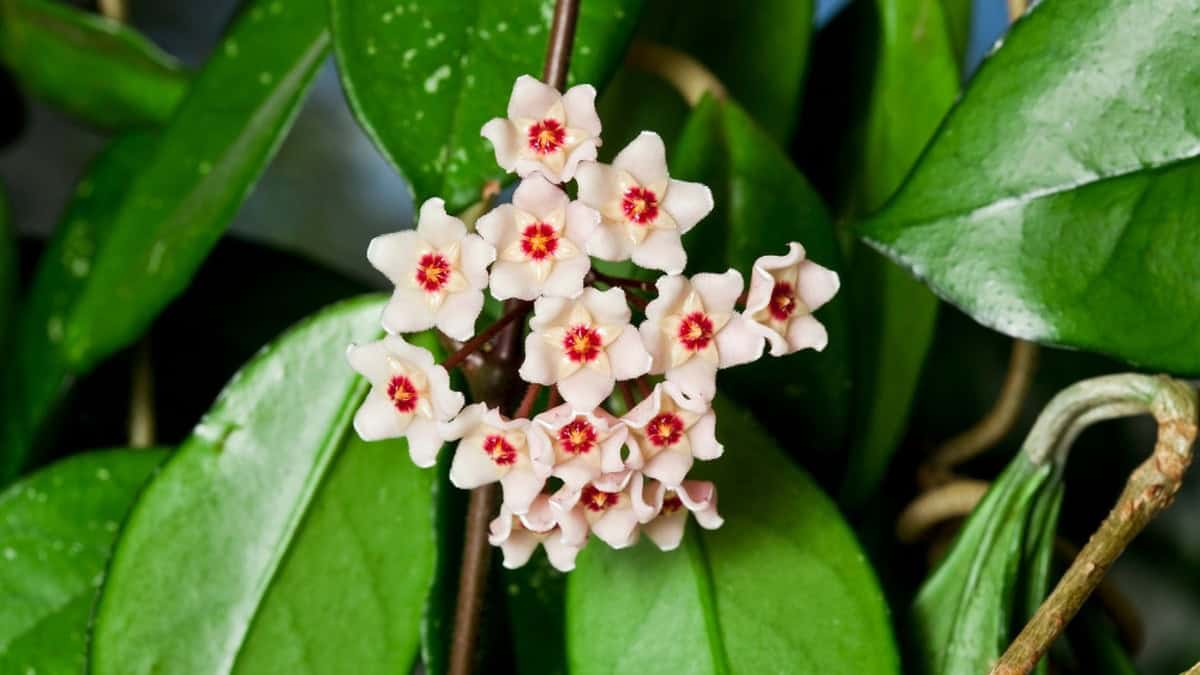
Hoya carnosa is a trailing, semi-succulent vine with thick, glossy leaves and clusters of little star-shaped flowers that look almost like they are made of wax, which is where the name comes from. There are lots of forms to collect: the curly-leaved Hindu rope (Hoya carnosa compacta), the pink-and-cream tricolor and krimson types, and the popular sweetheart hoya (Hoya kerrii) sold as a single heart-shaped leaf. One of my favourite things about it: it is non-toxic to cats and dogs, so it earns a spot on my list of pet-friendly houseplants, and its colourful forms show up in my rare pink houseplants roundup too.

I share plant care and little updates like this on my channel, so if that is your kind of thing, subscribe and come along.
| What it needs | What your Hoya carnosa wants |
|---|---|
| Light | Bright indirect light. Tolerates medium light but needs bright light to bloom |
| Water | Let the top few inches dry out, then water thoroughly. Semi-succulent, so err on the dry side |
| Soil | Chunky and free-draining: potting mix with plenty of perlite and orchid bark |
| Humidity | Happy in normal room humidity, happier around 50 to 60 percent |
| Temperature | 18 to 24 C (65 to 75 F). Keep it above 10 C and away from cold drafts |
| Feeding | Balanced feed at half strength, monthly in spring and summer |
| Pets | Non-toxic to cats and dogs |
| Blooms | Waxy star clusters once mature, from a spur you must never cut off |
Light
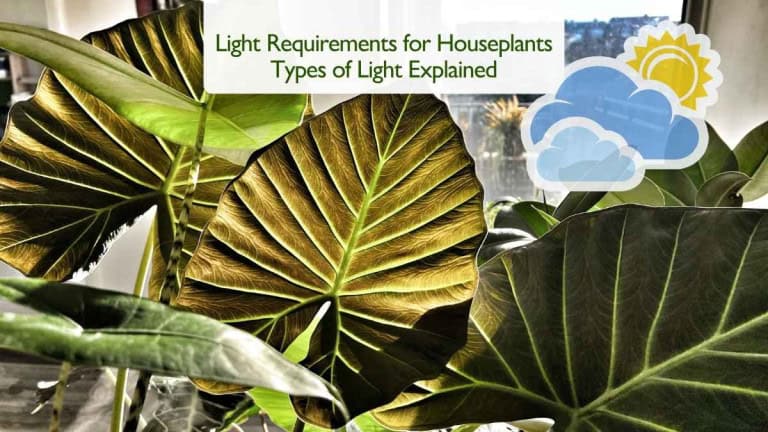
Light is the single most important thing for a happy, flowering Hoya carnosa. It will survive in medium light, but survive is the key word. To grow well and eventually bloom, it wants bright indirect light: right beside an east-facing window, or a couple of feet back from a bright south or west window. If your plant is all leaves and never flowers, low light is usually the first thing to fix. If you want to get your light levels right across your whole collection, my guide to light requirements for houseplants breaks it down room by room.
Watering
This is where most wax plants are lost. Those thick leaves store water, so Hoya carnosa likes to dry out almost completely between drinks. I wait until the top few inches of soil are dry, then water thoroughly until it runs from the drainage holes, and tip away anything left in the saucer. In the growing season that might be once a week, in winter it can be every few weeks. When in doubt, wait. Constantly damp soil is how you get yellow leaves and root rot, and a rotting hoya is far harder to save than a thirsty one.
Soil and potting
Hoyas are semi-epiphytes, which means in nature they grow on trees with their roots in the air, not in heavy soil. Give them a chunky, free-draining mix and they are happy. I use a normal potting mix loosened up with plenty of perlite and some orchid bark, similar in spirit to my airy aroid mix. Do not rush to repot into a bigger pot, either. Hoyas actually flower better when they are slightly root-bound, so I only move mine up a size every two to three years when the roots are really packed in.
Humidity and temperature
Hoya carnosa is not fussy about humidity and does fine in normal room air, though it appreciates a little more, around 50 to 60 percent, if you can offer it. Average room temperatures suit it well, roughly 18 to 24 C. Keep it above 10 C and away from cold drafts and heating vents. One useful trick: a slightly cooler spell at night, a few degrees below the daytime temperature, can actually help nudge a mature plant into flowering.
Feeding
You do not need to feed heavily. During spring and summer I give mine a balanced houseplant fertiliser at half strength about once a month, and nothing in autumn and winter when growth slows. If you are chasing flowers, go easy on high-nitrogen feeds. Lots of nitrogen gives you lush leaves at the expense of blooms, so a fertiliser with a little more phosphorus is a better choice once the plant is mature.
How to get your Hoya carnosa to bloom
This is the question I get most, so here is the honest version. A hoya that has never bloomed is almost never a sick hoya, it is usually a young one or one that needs more light. Most plants need a few years of maturity before they flower at all. Beyond patience, the things that actually help are: plenty of bright indirect light, letting it get comfortably root-bound rather than over-potting, easing off the nitrogen, and giving semi-succulent types like carnosa a slightly drier, cooler rest in winter to trigger buds.
And the single biggest blooming mistake: cutting off the flower spur. After the flowers fade they drop on their own and leave behind a short, bare, twiggy stalk called a peduncle. That stalk is not dead. Hoyas rebloom from the very same spur year after year, often for years, so if you tidy it away you are cutting off next season’s flowers and forcing the plant to start over. Leave every spur exactly where it is.
Propagation
Hoya carnosa is easy and satisfying to propagate, and spring or summer is the best time. Take a stem cutting with two or three nodes and a leaf pair or two, remove the lowest leaves, and root it in water, damp sphagnum moss or perlite. Roots usually appear in three to six weeks, and once they are an inch or two long you can pot the cutting into a chunky mix. If you want the full run-through of every method, see my houseplant propagation guide.
Common problems
Yellow leaves are most often a watering or light issue: soggy soil, poor drainage, or too little light. The odd old leaf yellowing low down is completely normal. Wrinkled, deflating leaves pull in two directions. If the soil is bone dry, the plant is simply thirsty and a good drink fixes it. If the soil is wet and the leaves are soft and wrinkled, that is root rot, and you need to check the roots. Pests, especially mealybugs, love hoyas: look for little white cottony clusters in the leaf joints. Wipe them off, then treat with insecticidal soap or a cotton bud dipped in diluted rubbing alcohol, and repeat weekly until they are gone. My houseplant pests and problems guide covers the full pest playbook.
Wrapping up
Hoya carnosa really is one of the most rewarding easy houseplants: bright light, water when it dries out, a chunky pot it can fill, and time. Do that, resist the urge to fuss, and one day you will walk past and find it covered in those waxy little stars. If you are still building confidence with houseplants, my houseplant care for beginners guide is a good next read, and because hoyas love to trail, they also feature in my best hanging plants ideas.

Frequently asked questions
Why is my Hoya carnosa not blooming?
Usually it is not sick, just not ready. Hoyas often need a few years of maturity plus bright light before they flower. Too little light, a pot that is far too big, and heavy high-nitrogen feeding all delay blooms. Give it bright indirect light, let it get slightly root-bound, and be patient.
How often should I water a Hoya carnosa?
Water only when the top few inches of soil have dried out, then water thoroughly and let it drain. Because the leaves are semi-succulent, it is much safer to stay on the dry side. In winter it needs far less water than in the growing season.
Is Hoya carnosa safe for cats and dogs?
Yes. Hoya carnosa is non-toxic to cats and dogs, which is why it is one of my go-to plants for homes with pets. Eating a lot of any plant can still cause mild tummy upset, so it is best kept out of reach anyway.
Should I cut off the flower spur after my hoya blooms?
No, never cut the spur. Hoyas rebloom from the same bare little stalk, called a peduncle, year after year. It looks lifeless between blooms, but if you cut it off you remove the flowering site and the plant has to start all over again.
How do I propagate a Hoya carnosa?
Take a stem cutting with two or three nodes and a leaf pair or two in spring or summer, remove the lowest leaves, and root it in water, damp moss or perlite. Roots usually appear in three to six weeks, then you can pot it into a chunky mix.

Written by Bojana
Plant lover, grower, and music maker behind Plant House & Garden, with 35+ years of hands-on houseplant experience. Read more about Bojana →