How to Care for Philodendron Birkin - Complete Guide from Real Experience
Part of my complete Philodendron Care Guide: light, water, problems, every variety, and propagation in one place.
Looking to learn how to care for Philodendron Birkin? In this article, I’ll walk you through everything I’ve learned after three years of growing this beautiful, variegated plant. From light and watering needs to repotting, humidity, and solving problems like yellowing or leggy growth - it’s all covered here with real-life tips.
👉 Prefer to watch? You can watch my full care video below for a visual step-by-step. Don’t forget to leave your experience in the comments!

Click here to watch this video on YouTube
| Need | What it likes |
|---|---|
| Light | Bright, indirect light keeps the white variegation bold |
| Water | When the top inch or two of soil dries, never soggy |
| Soil | Chunky, airy, well-draining aroid mix |
| Humidity | Moderate to high, 50 percent or more is ideal |
| Temperature | Warm, around 18 to 27 C, no cold drafts |
| Feeding | Balanced feed monthly in spring and summer |
| Toxicity | Toxic to pets if eaten, keep out of reach |
What is Philodendron Birkin?
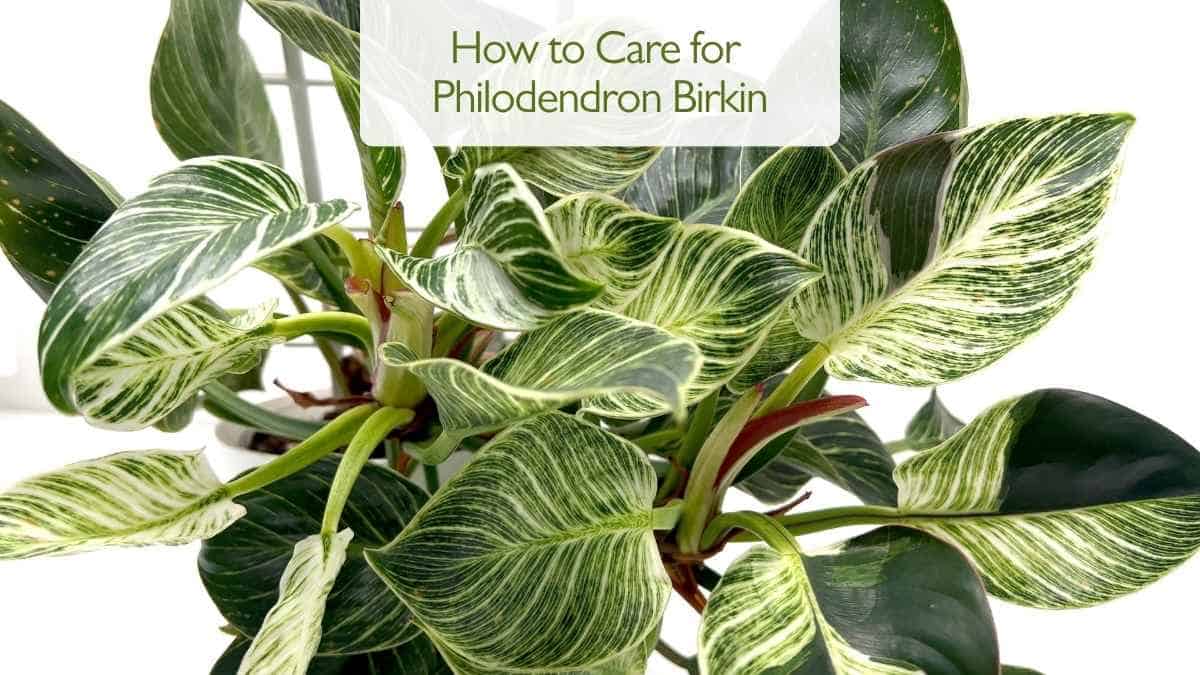
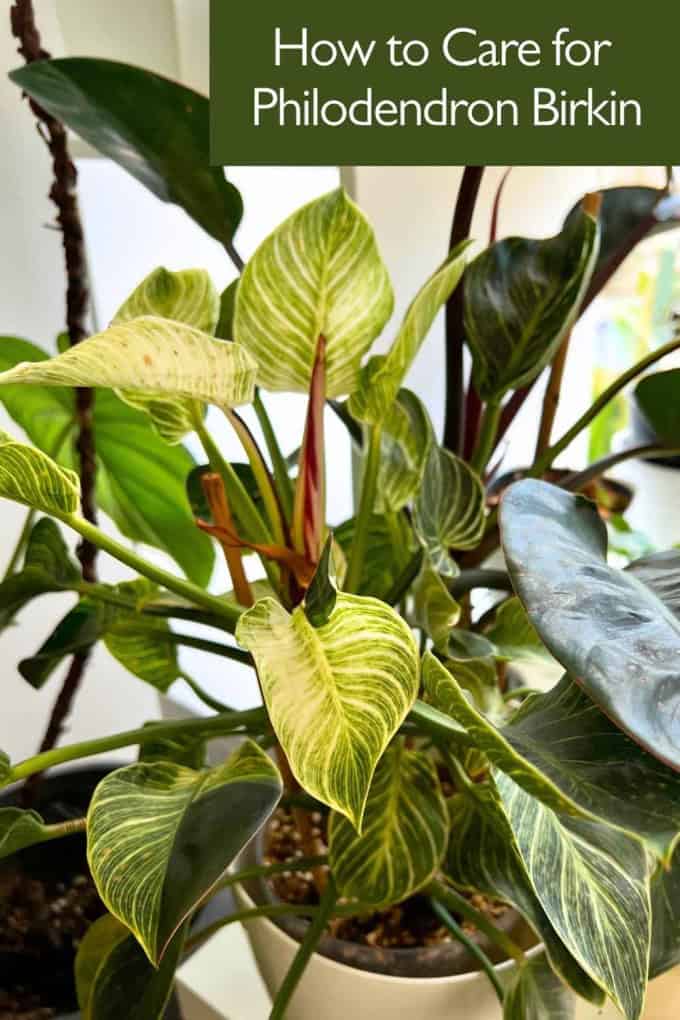
The Philodendron Birkin is a stunning hybrid of two cultivars - ‘Congo’ and ‘Imperial Green’. It stands out with its glossy, heart-shaped leaves that feature creamy white to yellow variegation, often appearing as stripes or swirls. Some leaves may even develop a reddish tint, especially in younger stages.
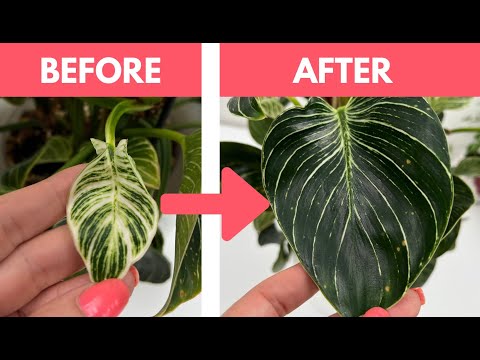
One unique trait of this plant is that its variegation becomes more visible as it matures. Sometimes, new leaves revert to dark green - this is common in hybrids and nothing to worry about.
I’ve even propagated mine through division, and while the young plant currently looks more like a Red Congo, there’s still potential for it to develop into a true Birkin as it grows.
If you want to learn how to propagate yours, check out my full step-by-step guide:
👉 Philodendron Birkin Propagation: Multiply Your Birkin Full Steps
How to Care for Philodendron Birkin
1. Light Requirements for Philodendron Birkin
If you’re wondering how to care for Philodendron Birkin in terms of light, the answer is simple: bright, indirect light. Philodendron Birkin thrives in bright, indirect light. I keep mine near a north-facing window where it gets soft morning sun in spring and summer. This light is perfect for encouraging healthy growth and variegation.
Too little light? You’ll notice leggy growth and fading variegation.
Too much direct sun? The leaves can scorch and turn brown.
🪴 Tip: Rotate your Birkin occasionally so all sides get even exposure.
2. Watering Philodendron Birkin Properly
An important part of learning how to care for Philodendron Birkin is understanding its watering needs. Birkin doesn’t like to sit in wet soil. I water only when the top two inches of the soil feel dry. Then I soak the plant thoroughly and let the excess drain out.
I also deep soak mine once a month to ensure the soil is evenly moist. Avoid cold water, always use room temperature. If your tap water is hard, use filtered or rainwater to avoid salt buildup.
🚫 Overwatering = yellowing leaves and risk of root rot.
🚫 Underwatering = dry, crispy tips and slow growth.
3. Ideal Temperature & Humidity for Philodendron Birkin
This plant loves warm, humid environments - just like in nature.
- Temperature: 65-80°F (18-27°C)
- Humidity: 60-80%
Avoid misting (it may cause fungal issues). Instead, use a humidifier, pebble tray, or group plants together. Dry air can cause browning on the leaf tips. This is important for how to care for Philodendron Birkin.
4. When & How to Repot Philodendron Birkin
If your plant is drooping, not growing, or roots are poking out, it’s time to repot. Knowing how to care for Philodendron Birkin also means knowing when to refresh the soil. Repot every 1-2 years or when roots peek out of the pot’s bottom. Spring is the best time, as the plant is actively growing. Even if it’s not root-bound, it’s wise to replace old soil that’s lost nutrients.
Steps to repot:
- Remove plant gently from pot
- Check and trim roots if needed
- Replant in a slightly larger pot with drainage
- Use well-draining aroid mix (link in description)
- Add support if the lower stem is weak
- Deep soak after repotting and place it back in the same spot
🚫 Don’t fertilize for the first month after repotting.
🕵️♀️ Check soil more often while adjusting to the new mix.
5. Cleaning Leaves on Philodendron Birkin
Clean, dust-free leaves are vital. If you’re serious about learning how to care for Philodendron Birkin, don’t skip this step. Dust blocks light and invites pests. I gently rinse mine in the shower and follow up with a homemade cleaning solution (video linked).
Avoid chemical leaf shine products. Clean, healthy leaves breathe and grow better.

Common Problems with Philodendron Birkin
Yellow Leaves
Usually caused by:
- Overwatering
- Underwatering
- Nutrient deficiency
✔️ Adjust watering or start gentle fertilizing if needed.
Brown Leaves
Caused by:
- Low humidity
- Salt/mineral buildup from tap water
- Old soil
✔️ Use distilled or rainwater. Replace old soil if needed.
Leggy Growth
If your plant is stretching and losing shape, it needs more light. Move closer to a bright window or use a grow light. All of these are signs to revisit your plan on how to care for Philodendron Birkin and make small corrections.
Is your Philodendron Birkin struggling even though you think you’re caring for it correctly? Discover the 5 most common mistakes in my article, Philodendron Birkin Problems: 5 Common Mistakes to Avoid.
Pests & Diseases
Watch for:
- Spider mites
- Aphids
- Mealybugs
Wipe with mild soap or neem oil. Always check the underside of the leaves.
Root rot can also happen if soil stays wet too long. Proper pest prevention is a huge part of how to care for Philodendron Birkin over the long term.
Yellow spots with no pests? You might be facing a nutrient deficiency. Feed gently with a balanced fertilizer.
If you suspect pests but don’t see them clearly, I tested a simple and popular method using 70% alcohol on houseplants and documented exactly what happened - what worked, what didn’t, and how to use it safely: 👉 70% Alcohol on Houseplants to Kill Pests? I Tested This Method - Here’s What Happened
Fertilizing Philodendron Birkin
Use a balanced liquid fertilizer diluted to half-strength, every 4-6 weeks during spring and summer. Always water before feeding. Avoid fertilizing right after repotting.
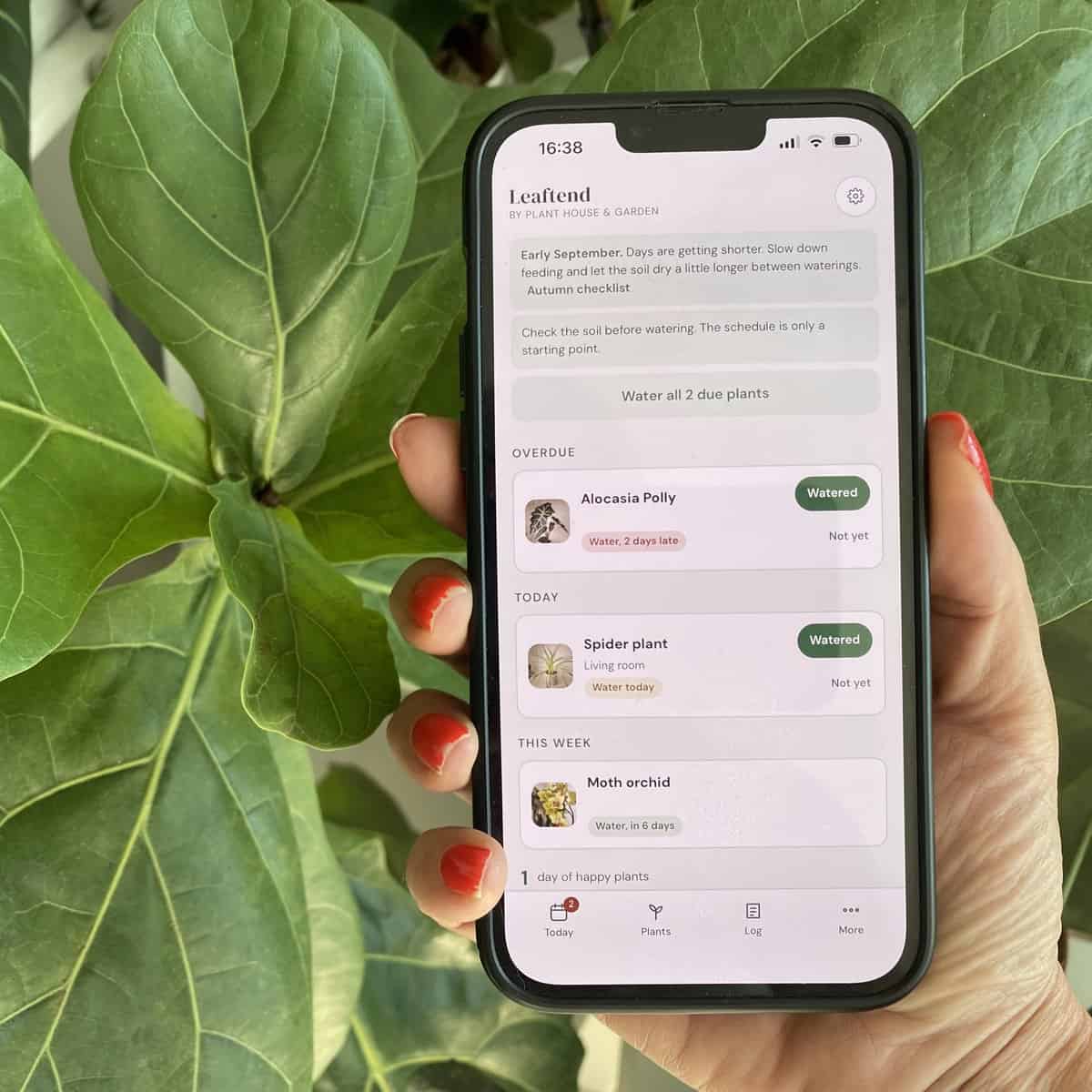
The Birkin is forgiving, but consistent watering keeps the variegation at its best. My Plant Care Journal makes it easy to stay on track. New to aroids? Our houseplant care for beginners guide is a great place to start.
Frequently Asked Questions
Why is my Philodendron Birkin losing its variegation?
Reverting to plain green is usually a sign of too little light. Move it somewhere brighter with plenty of indirect light to encourage the creamy white stripes. Prune any fully green leaves if you want to push the plant back toward variegation.
How often should I water a Philodendron Birkin?
Water when the top inch or two of soil feels dry, usually about once a week in the growing season and less in winter. It likes evenly moist but never soggy soil, so always let excess water drain away.
Why does my Birkin have yellow or brown leaves?
Yellow leaves often point to overwatering, while brown, crispy edges usually mean the air is too dry or the plant is underwatered. Check your watering routine first, then raise the humidity a little if the edges keep browning.
Is Philodendron Birkin easy to care for?
Yes, the Birkin is one of the easier philodendrons and a great choice for beginners. Give it bright, indirect light, water when the top of the soil dries, and keep it warm, and it will reward you with steady, healthy growth.
Is Philodendron Birkin toxic to pets?
Yes. Like other philodendrons, the Birkin contains calcium oxalate crystals and is toxic to cats and dogs if chewed or eaten. Keep it out of reach of curious pets and children.
Final Tips on How to Care for Philodendron Birkin
Knowing how to care for Philodendron Birkin isn’t just about watering and feeding - it’s also about understanding its natural patterns. New leaves come with cataphylls that can be gently removed once dry, and aerial roots may appear as the plant matures (don’t cut them!).
- Remove dried cataphylls to keep your plant tidy
- Don’t cut aerial roots - they’re natural
- Watch for changes in leaf color and shape
- Be patient with variegation - it evolves over time
Want to encourage fuller growth and larger leaves?
In addition to this guide on how to care for Philodendron Birkin, I shared 3 simple tips to grow bigger leaves on your plant in a recent video. These are easy adjustments that made a noticeable difference in my own plant’s growth. Watch the video below:
Click here to watch this video on YouTube

Written by Bojana
Plant lover, grower, and music maker behind Plant House & Garden, with 35+ years of hands-on houseplant experience. Read more about Bojana →