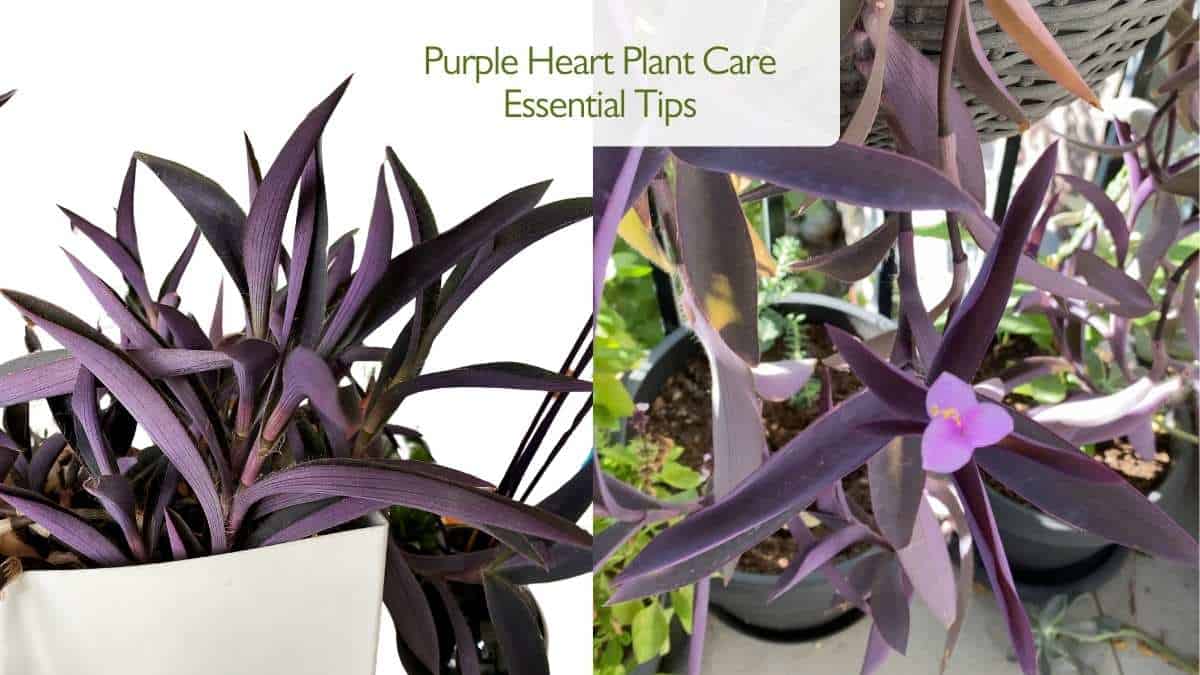
Purple Heart Plant Care: The Ultimate Guide to Tradescantia pallida
Is your Purple Heart turning green or getting leggy? Well, you’re not alone. Here I share everything I’ve learned about growing the striking Tradescantia pallida, from keeping its deep purple color vibrant to getting fuller growth and healthy blooms. You’ll discover the exact light, watering, and soil conditions this plant needs to truly thrive, whether you grow it indoors or outside.
If you are drawn to purple foliage, the Oxalis triangularis (purple shamrock) folds its leaves shut each night like tiny butterflies.
Watch the video below if you prefer visuals:

Click here to watch my video on YouTube
| Care factor | What it needs |
|---|---|
| Light | Bright light, including some direct sun, for the deepest purple color. |
| Water | When the top inch of soil dries; it tolerates a little drought. |
| Soil | Light, well-draining potting mix. |
| Humidity | Average room humidity is fine, around 40 to 60 percent. |
| Temperature | 65 to 75 degrees Fahrenheit; protect from frost. |
| Fertilizer | Light feed monthly in spring and summer. |
| Pruning | Pinch back regularly to keep it bushy and full. |
Understanding the Purple Heart Plant
Good care begins with knowing where a plant comes from and how it grows in the wild. Tradescantia pallida hails from Mexico and Central America, thriving in warm, sunny habitats. Its long, narrow leaves form dense cascades of iridescent purple that can appear to shift color with changing light. These fleshy, succulent‑like leaves store moisture, giving the plant a glossy sheen and a moderately drought‑tolerant character. Throughout the growing season, clusters of pale pink, three‑petaled flowers emerge at stem tips. Each bloom lasts just a day, but new ones keep appearing when conditions are right.
Purple Heart Light: Why Sun Keeps It Purple
Bright sunlight is the single most important thing for a Purple Heart. To maintain its signature deep purple hue, Tradescantia pallida needs at least four to six hours of direct or very bright indirect light daily. I keep mine about one meter back from a west‑facing window so it receives warm afternoon rays without scorching. If leaves begin to fade toward green, simply move the plant closer to the window or supplement with a grow light. Conversely, if intense midday sun burns the foliage, shift the pot slightly into dappled shade until you find the perfect balance.
How Often to Water a Purple Heart Plant
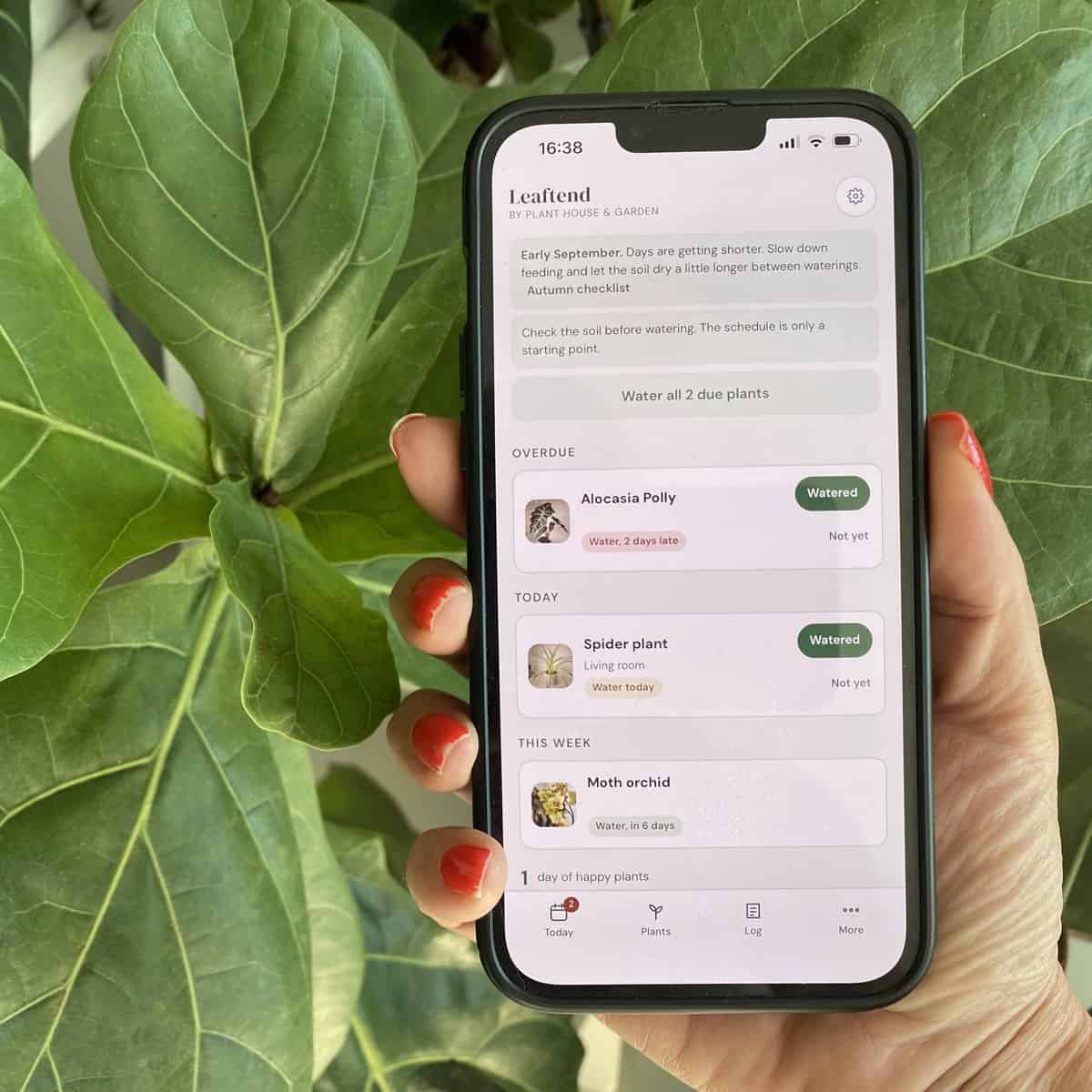
She is moderately drought-tolerant, but she grows best when her soil stays evenly moist. Allow the top two inches of soil to dry out before watering deeply, then let excess drain away. During winter months, reduce frequency to prevent waterlogged roots, as the plant’s growth slows. For an in‑depth watering routine that supports all your plants including Tradescantia, read my Houseplants Watering Tips, which covers seasonal adjustments and moisture tracking.
Managing Dried or Damaged Leaves
Removing spent or dried foliage keeps her looking fresh. Even well‑tended Purple Hearts can develop yellowing leaves, especially the oldest ones. Gently trimming these away not only maintains a tidy appearance but also encourages new growth. If entire stems desiccate, examine your watering schedule and environmental conditions. Boost humidity by showering the plant or misting its leaves, and ensure you’re following a consistent water routine to avoid stress and keep foliage lush.
Purple Heart Soil Mix and Repotting
Tradescantia pallida demands a well‑draining potting medium to prevent root rot. A blend of regular potting soil with perlite or coarse sand works beautifully, providing both moisture retention and aeration. Avoid heavy, moisture‑retentive mixes that can suffocate the roots. Repot every one to two years, ideally in spring, choosing a container just one size larger than the previous. Always water thoroughly after repotting to help the roots settle.

Temperature Tolerance and Humidity
Purple Heart loves steady warmth and moderate humidity. Tradescantia thrives between 65 °F and 75 °F (18 °C-24 °C) but can tolerate slightly cooler or warmer conditions. Avoid exposing it to drafts or temperatures below 50 °F (10 °C), which can stunt growth. While Purple Hearts adapt to average indoor humidity levels (40-60 percent), increased moisture encourages more vibrant foliage and fuller stems. A quick shower or misting can refresh the plant and improve humidity, just be sure leaves dry afterward to prevent fungal spots.
Fertilizing for Vibrant Purple Leaves
Regular feeding during the active growing season keeps the leaves big and richly colored. Use a balanced liquid fertilizer at half strength every four to six weeks for deeper purple coloration and denser stems. Always water before applying fertilizer to prevent root burn. If you prefer an all‑natural boost, try my DIY Organic Fertilizer Recipe. During winter dormancy, pause or reduce fertilization to once every two months.
How to Propagate Purple Heart
Propagating Tradescantia pallida is one of the most rewarding parts of growing this plant. Simply snip a 4-6‑inch stem just below a leaf node, remove lower leaves, and place the cutting in water or directly into moist potting mix. Roots appear in one to two weeks; once robust, transfer water‑rooted cuttings into soil. This straightforward method lets you multiply your plant or share cuttings with friends, extending your Purple Heart care to a whole new generation of plants.
Pests and Diseases to Watch For
While hardy, your Purple Heart can still attract pests like spider mites, aphids, or mealybugs if conditions go wrong. Regular inspection and good air circulation keep most problems away. Treat infestations promptly with insecticidal soap or neem oil. Avoid overwatering and ensure good drainage to prevent root rot, and keep leaves dry to guard against fungal leaf spots.
Follow these simple tips and your Tradescantia pallida will reward you with week after week of dazzling purple cascades and charming pink blooms. If you enjoyed this guide, be sure to watch the video, like, and subscribe for more plant care expertise.
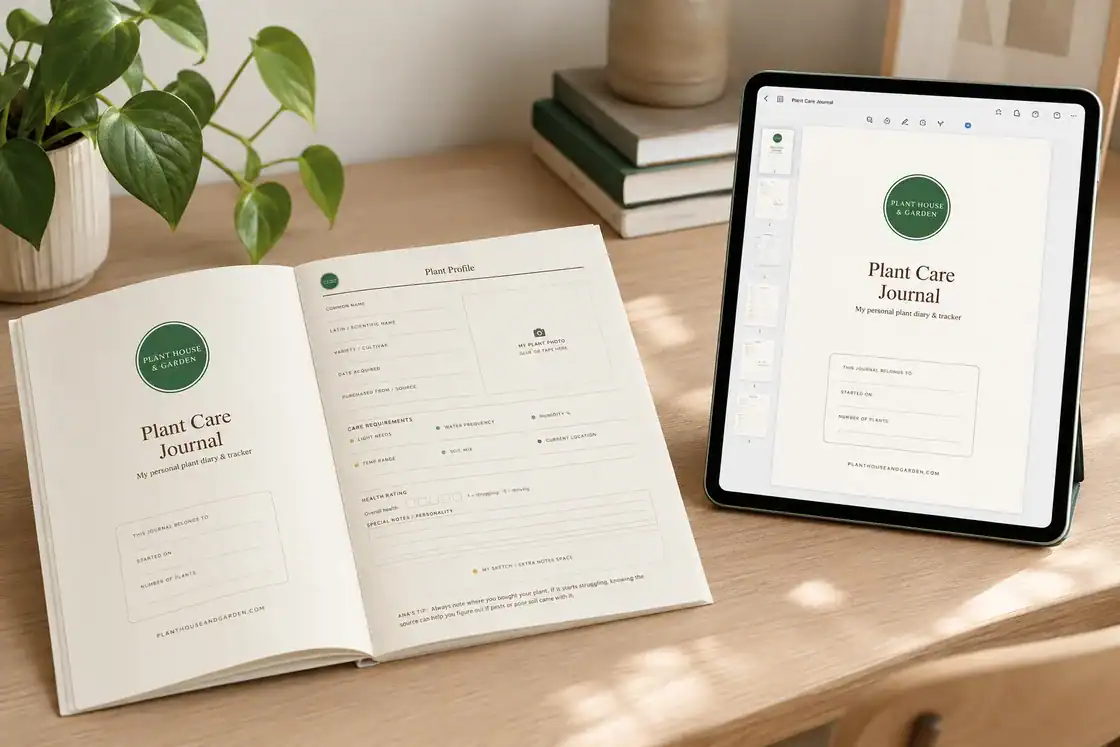
Want to keep that color vivid all year? It helps to track light and watering. My Plant Care Journal lets you note where your Purple Heart sits and how it responds, so you can dial in the spot that keeps it deepest purple.
Frequently Asked Questions
Does Purple Heart need full sun?
Purple Heart loves bright light and even some direct sun, which brings out its deepest purple color. In low light it turns greener and grows leggy. A few hours of direct sun a day, or a very bright window, keeps it vivid and compact.
How often should I water a Purple Heart plant?
Water when the top inch of soil feels dry, usually about once a week indoors. Purple Heart is fairly drought tolerant and dislikes soggy soil, so it is better to underwater than overwater. Cut back in winter when growth slows.
Why is my Purple Heart turning green instead of purple?
Fading to green almost always means not enough light. The purple pigment develops in response to bright light, so move your plant somewhere sunnier and the new growth should come back a rich purple.
How do you propagate Purple Heart?
Purple Heart is one of the easiest plants to propagate. Snip a 4 to 6 inch stem just below a node, remove the lower leaves, and place it in water or straight into moist soil. Roots form within days, and you can pot it up in a week or two.
Is Purple Heart plant toxic to pets?
Purple Heart can irritate the skin and is mildly toxic if eaten, so keep it away from curious pets and children. Its sap may also cause skin redness in some people, so wear gloves if you are sensitive when pruning.

Written by Bojana
Plant lover, grower, and music maker behind Plant House & Garden, with 35+ years of hands-on houseplant experience. Read more about Bojana →