Ficus Alii Care: A Complete Guide to the Banana Leaf Fig
If you’re looking for reliable Ficus Alii care, you’ve come to the right place. In this comprehensive guide, you’ll learn everything I’ve discovered about nurturing the Banana Leaf Fig - from its tropical origins and elegant appearance to the specific light, water, and soil conditions it needs to thrive indoors. I’ll also share tips on repotting, fertilizing, and troubleshooting common issues so your Ficus Alii remains lush and healthy year‑round.
Watch the video for Ficus Alii care below for a step-by-step visual guide:

Click here to watch the video on YouTube
| Need | What it likes |
|---|---|
| Light | Bright, indirect light, with a little gentle sun |
| Water | When the top inch of soil dries, never soggy |
| Humidity | Average to high room humidity |
| Temperature | Warm, around 16 to 24 C, no cold drafts |
| Soil | Light, well-draining potting mix |
| Feeding | Balanced fertilizer monthly in spring and summer |
| Toxicity | Mildly toxic and the sap can irritate, keep away from pets |
Origins and Distinctive Features of Ficus Alii
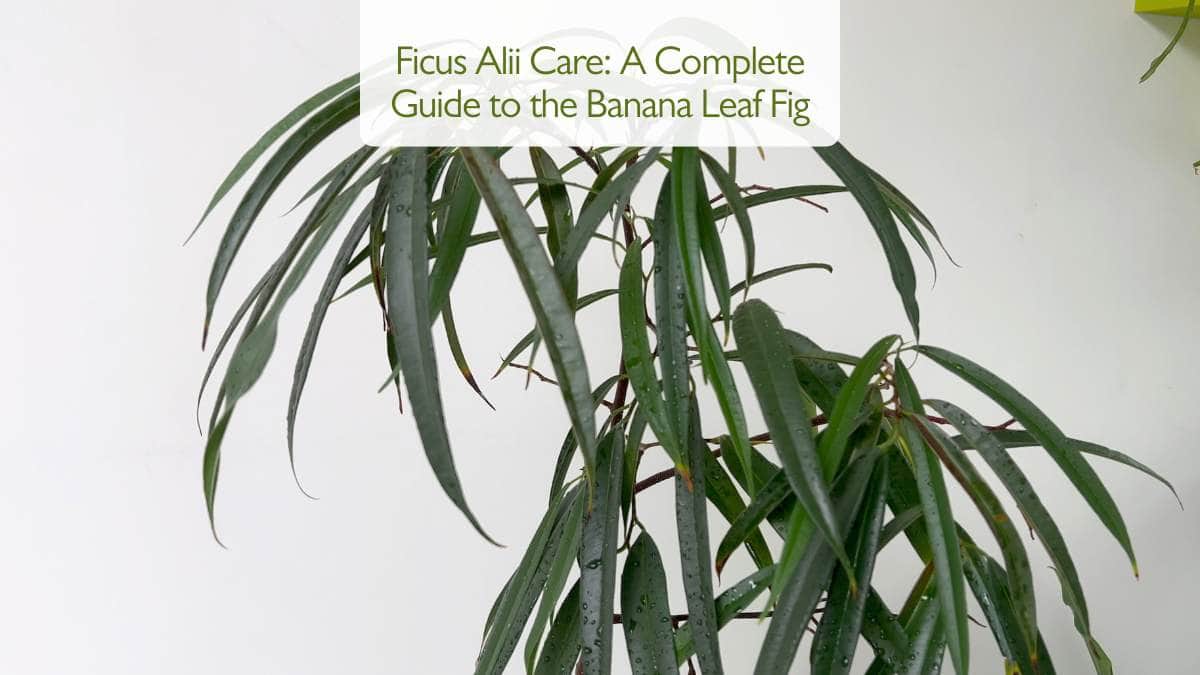
Native to Southeast Asia, India, and China, Ficus Alii - commonly called the Banana Leaf Fig - adds sophistication to any room with its long, narrow leaves and slightly drooping habit. Unlike broader‑leafed ficus varieties, its slender foliage creates an airy, tropical ambiance. As it matures, the stems develop a woody texture and may twist naturally, giving the plant a miniature tree‑like form. Whether you let it grow tall or prune it to maintain a compact shape, understanding these growth traits is key to successful Ficus Alii care.
Light Requirements for Ficus Alii Care
Providing the right illumination is essential in Ficus Alii care. This plant thrives in bright, indirect light and prefers to be shielded from harsh, direct rays that can scorch its delicate leaves. An east or north‑facing window is ideal, but you can also filter sunlight through a sheer curtain in a south or west‑facing window. I keep mine near a northeast window where it receives at least six to eight hours of gentle light daily. If you notice leaf drop or paleness, it’s a clear signal your Banana Leaf Fig needs a brighter spot.

Watering Strategies in Ficus Alii Care
Consistent moisture without waterlogging ranks high among Ficus Alii care best practices. Allow the top third of the soil to dry out before watering deeply, ensuring excess drains freely to prevent roots from sitting in water. I typically water mine weekly, adjusting for seasonal changes and home humidity levels. For deeper insights on moisture management, check out my detailed guide on Houseplants Watering Tips, which covers everything from seasonal adjustments to moisture meters.

Temperature and Humidity Essentials
Because Ficus Alii hails from warm, humid climates, maintaining stable indoor conditions is crucial. Temperatures between 60 °F and 85 °F suit this plant best, while sudden drops below 55 °F or exposure to drafts can trigger leaf drop. It tolerates average home humidity of 40-60 percent but flourishes in higher moisture. In dry environments, especially during winter, I recommend using a humidifier or placing the pot on a pebble tray filled with water (without letting the pot sit directly in water) to keep humidity levels in the optimal range.
Repotting and Soil Mix Recommendations
Knowing when and how to repot is fundamental to Ficus Alii care. This Banana Leaf Fig benefits from being slightly root bound, so full repotting is only necessary every two to three years or when roots emerge from drainage holes. In between, I refresh the topsoil annually by gently removing the upper layer and adding a fresh mix of potting soil blended with perlite and peat moss or coco coir. When you do repot, choose a container just one size larger and water thoroughly afterward to help the roots settle.
Fertilization Guidelines
During spring through early fall, provide balanced nutrition by applying a diluted, all‑purpose liquid fertilizer at half strength every four to six weeks. This regular feeding schedule supports steady growth and vibrant foliage. Once winter arrives and growth slows, reduce fertilizing to once every two months or pause altogether to prevent salt buildup in the soil. Always water before feeding to guard against root burn and follow the product instructions for best results.
For a nutrient‑rich, all‑natural boost, try my step-by-step DIY Organic Fertilizer Recipe for healthy, happy plants.
Troubleshooting Common Issues
Leaf drop in Ficus Alii often stems from overwatering, underwatering, or sudden environmental changes. If too many leaves yellow and fall, evaluate your watering routine first and adjust to maintain consistent moisture without saturation. Be cautious when moving the plant - exposure to cold drafts, AC vents, or low light can also stress the Banana Leaf Fig. Low humidity may cause brown, crispy edges, so consider misting or using a humidifier. Finally, keep an eye out for pests such as spider mites, scale, and mealybugs; treat infestations promptly with neem oil or insecticidal soap to preserve plant health.
If you enjoyed these Ficus Alii care tips, I would love for you to subscribe to my YouTube channel for more plant guides and demonstrations. And if you have your own Banana Leaf Fig experiences or questions, feel free to share them. Happy planting!
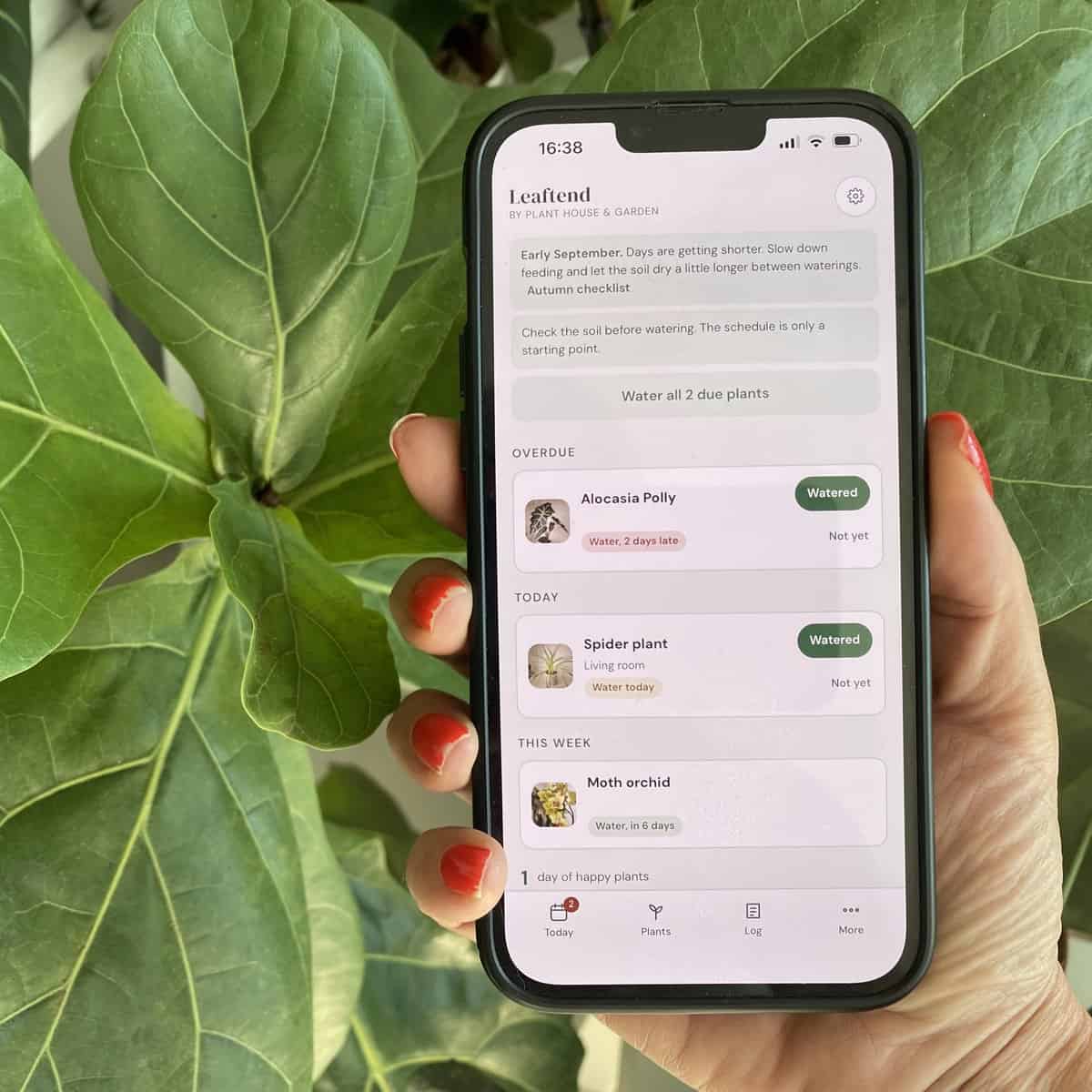
Want to keep your banana leaf fig settled and happy? My Plant Care Journal makes it easy to track watering and feeding, so your Ficus Alii stays full and green.
Frequently Asked Questions
Why is my Ficus Alii dropping leaves?
Leaf drop is usually caused by a change in conditions, such as a new spot, a draft, or a shift in watering. Ficus Alii is calmer than a fiddle leaf fig, but it still likes stability. Keep it in one bright, draft-free place and water consistently, and the dropping should settle.
How often should I water a Ficus Alii?
Water when the top inch or two of soil feels dry, often about once a week in the growing season and less in winter. Let excess water drain away fully. Ficus Alii dislikes sitting in soggy soil, which can cause root rot and leaf drop.
Is Ficus Alii easier to care for than a fiddle leaf fig?
Yes. Ficus Alii is widely considered one of the easiest ficus trees to grow indoors. Its narrow leaves are more forgiving of light changes and less prone to dramatic leaf drop than the fiddle leaf fig, making it a great choice for beginners.
Why are my Ficus Alii leaves turning yellow?
Yellow leaves usually point to overwatering. Let the soil dry out more between waterings and make sure the pot drains well. A few older leaves yellowing and dropping over time is normal as the plant grows.
Is Ficus Alii toxic to pets?
Yes, mildly. Like other figs, its milky sap can irritate skin and is mildly toxic if chewed or eaten. Keep it away from curious pets and children, and wash your hands after pruning, since the sap can cause irritation.
Related Articles
- Rubber Plant Problems: 5 Mistakes to Avoid (Ficus Elastica)
- Ficus Elastica Tineke Care Problems: 5 Mistakes to Avoid
- Rubber Tree Plant Care: All You Need To Know for Thriving Ficus Elastica
- Fiddle Leaf Fig Plant Care: How to Keep Your Ficus Lyrata Healthy and Thriving

Written by Bojana
Plant lover, grower, and music maker behind Plant House & Garden, with 35+ years of hands-on houseplant experience. Read more about Bojana →