Philodendron Jungle Boogie Care: Droopy to Upright in 7 Months
Part of my complete Philodendron Care Guide: light, water, problems, every variety, and propagation in one place.
Is your Jungle Boogie flopping over, with droopy stems and messy leaves? Well, you’re not alone. Mine looked exactly like that, and in seven months she turned into a lush, upright showpiece. Below I share every step of my Philodendron Jungle Boogie care: light, watering, humidity, soil and support, feeding, flowering and pests, so your Tiger Tooth Philodendron can flourish too.
Watch the video below to see each care step in action!

Click here to watch the video on YouTube
| Need | What it likes |
|---|---|
| Light | Bright, indirect light, no harsh direct sun |
| Water | When the top inch of soil dries, never soggy |
| Humidity | Average to high, 50 percent or more |
| Temperature | Warm, around 18 to 27 C, away from cold drafts |
| Soil | Chunky, well-draining aroid mix |
| Feeding | Balanced fertilizer monthly in spring and summer |
| Toxicity | Toxic if eaten, keep away from pets and children |
What Is Philodendron Jungle Boogie?
Philodendron Jungle Boogie, also known as the Tiger Tooth Philodendron, is a hybrid, bred from philodendrons of the humid rainforests of Central and South America. Its long, narrow leaves with dramatic wavy edges can extend up to two feet, bringing an exotic, tropical feel into your home. She starts out upright and clumping, but as the leaves get longer and heavier the stems can lean, so good light and some support make all the difference.
Light: Bright and Indirect
This plant thrives in bright, indirect sunlight, mimicking the dappled rays it would receive beneath a forest canopy. Position your Jungle Boogie near a bright window, but out of harsh midday sun, which can scorch the leaves. A sheer curtain or moving the pot a little farther back is usually enough. If you notice elongated gaps between new leaves or the stems leaning heavily toward the window, those are clear signs your plant needs more illumination.
How to Water Philodendron Jungle Boogie
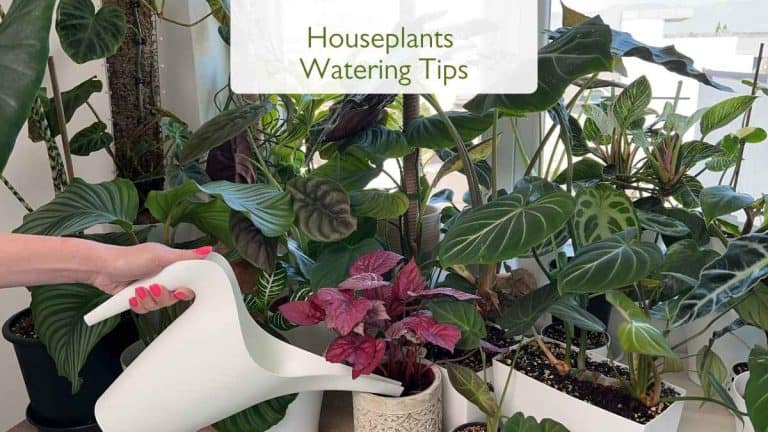
She wants consistent moisture, but never soggy soil. Instead of a strict watering schedule, check the top inch or two of soil and water deeply when that layer feels dry. Thorough soaking encourages roots to grow deeply, but always allow excess water to drain away and never let the pot sit in standing water. During cooler months, when your plant’s growth slows, extend the interval between waterings to avoid root stress and rot.
You can deepen your watering knowledge by checking out my detailed guide on Houseplants Watering Tips, which covers everything from moisture meters to seasonal adjustments.
Temperature and Humidity
The Jungle Boogie comes from tropical parents, so warmth and humidity matter. Maintain indoor temperatures between 65 °F and 80 °F to replicate its natural warmth, and never let it dip below 55 °F to avoid stunted growth. Aim for humidity of 50 percent or more by using a humidifier or placing a tray of water and pebbles beneath the pot. Unlike misting, which leaves water sitting on the leaves, these methods raise the humidity around the plant without encouraging pests or fungal leaf spots.

Repotting, Soil Mix and Support
I recommend annual repotting or sooner if you spot roots emerging from drainage holes. For the soil mix, I blend orchid bark, perlite, and coco coir for excellent drainage and aeration, which prevents soggy roots. Choose a new pot just one to two inches larger than the last to maintain a slight root‑bound state, which actually promotes stronger growth for this species. During repotting, incorporate a sturdy stake or moss pole, gently tying the stem (never the leaves) to support upright development under the weight of its large foliage.
For a soilless alternative that offers exceptional drainage and aeration, check out my step‑by‑step DIY recipe in Soil-Free Aroid Potting Mix recipe.
How to Fertilize Philodendron Jungle Boogie
During the active growing season, spring through summer, I apply a diluted liquid fertilizer with a balanced N‑P‑K ratio once a month, always watering first to prevent root burn. In autumn and winter, I reduce applications to every two months or pause altogether, allowing the plant’s natural dormancy without risking salt buildup in the soil. Starting with half the recommended dose and adjusting based on vigorous new growth helps avoid over‑fertilization.
Does Philodendron Jungle Boogie Flower?
Philodendron Jungle Boogie is grown for her striking foliage, but a mature, happy plant can flower too. The bloom is a typical aroid spathe and spadix, not as showy as the leaves. There is no special trick: the healthier the plant, the better the chance. Mine surprised me with her very first flower after months of bright, indirect light, steady watering and regular feeding in the growing season.
Here’s a short clip of my Jungle Boogie’s very first flower:

Pests and Diseases to Watch For
Even the hardiest Philodendron Jungle Boogie can attract pests like spider mites, mealybugs, scale, and aphids if not monitored. Inspect both sides of the leaves weekly, looking for fine webbing, sticky residue, or discolored spots. At the first sign of infestation, gently wipe foliage with insecticidal soap or apply a neem oil spray. Overwatering and poor air circulation are the leading causes of fungal issues like root rot and leaf spots, so maintain proper drainage, keep leaves dry, and ensure good airflow around the plant.
If you suspect pests but don’t see them clearly, I tested a simple and popular method using 70% alcohol on houseplants and documented exactly what happened: what worked, what didn’t, and how to use it safely: 👉 70% Alcohol on Houseplants to Kill Pests? I Tested This Method
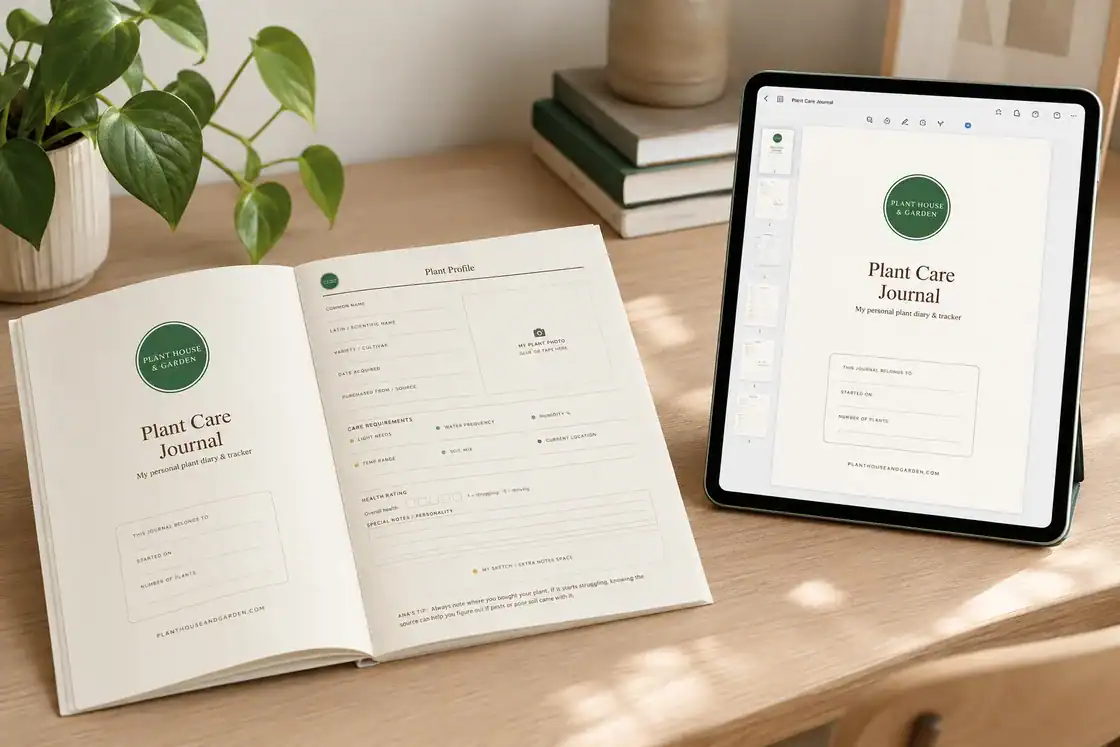
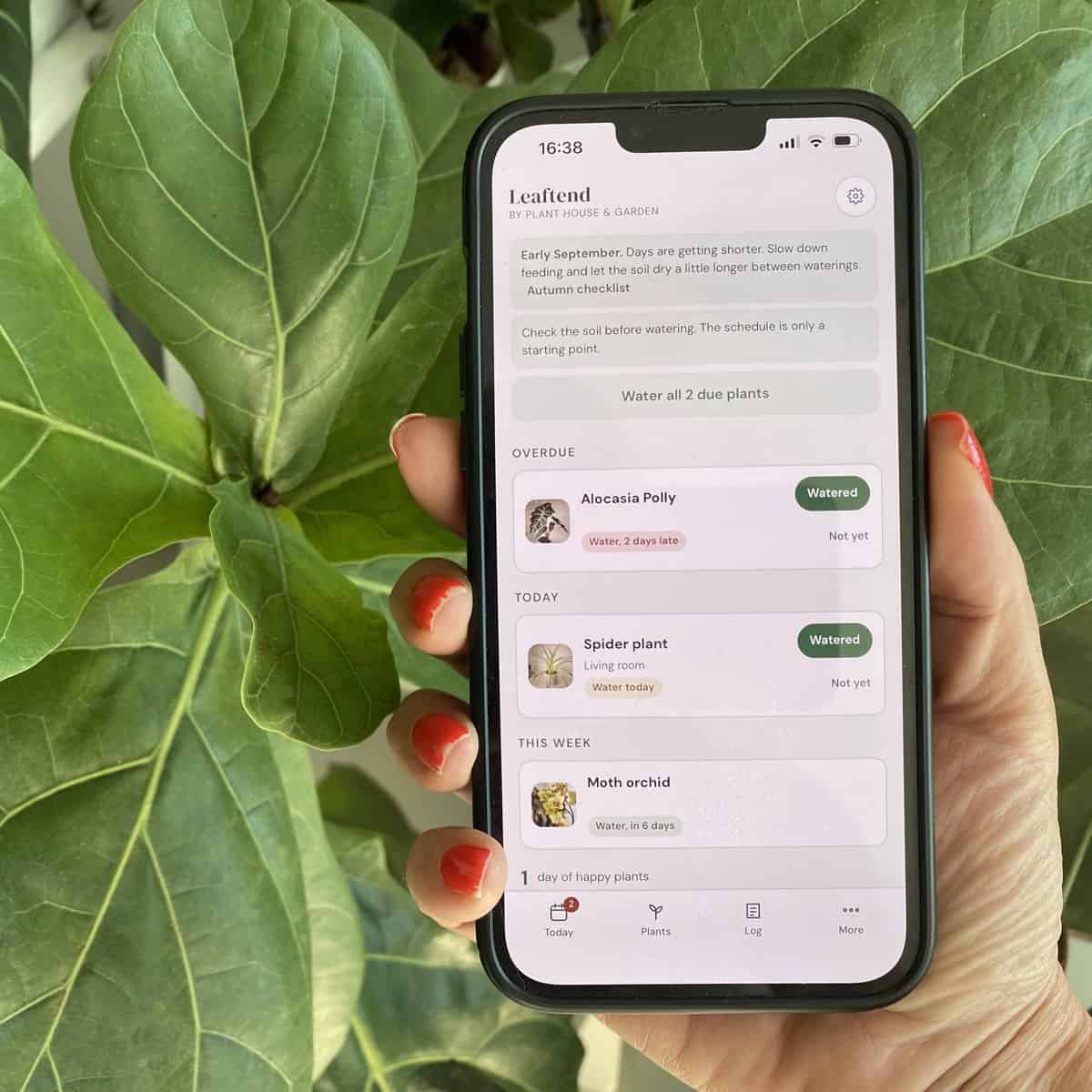
Philodendrons are easy to overwater out of habit, so it helps to track it. My Plant Care Journal makes it simple to log watering and feeding, so your jungle boogie keeps producing those bold, serrated leaves.
Frequently Asked Questions
Is Philodendron jungle boogie easy to care for?
Yes, jungle boogie is one of the easier philodendrons. It tolerates a range of indoor conditions, but it does best in bright indirect light with a chunky, well-draining mix kept lightly moist. Avoid overwatering and cold spots, and it will grow steadily with very little fuss.
Why are my jungle boogie leaves turning yellow?
Yellow leaves usually mean overwatering. Philodendrons dislike soggy soil, so let the top inch dry before watering again and make sure the pot drains well. Occasionally yellowing can come from too little light or natural aging of the lowest leaves.
How big does Philodendron jungle boogie get?
Indoors, jungle boogie usually reaches around two to three feet tall and wide, with long, narrow, serrated leaves. Its upright, clumping habit keeps it fairly compact, so it suits shelves and tabletops as well as the floor as it matures.
Does Philodendron jungle boogie climb or stay upright?
It starts out upright and clumping, but as it gets taller the long, heavy leaves can make the stems lean and flop. A sturdy stake or moss pole keeps an older plant upright, and good light keeps the new growth compact.
Is Philodendron jungle boogie toxic to pets?
Yes. Like other philodendrons it contains calcium oxalate crystals and is toxic if chewed or eaten, so keep it away from cats, dogs, and small children. If you want a pet-safe option, choose a non-toxic plant instead.
Related Articles
- Extrafloral Nectaries in Philodendrons (EFNs) Explained
- Philodendron Birkin Problems: 5 Common Mistakes to Avoid
- Philodendron Pastazanum Care: Why Leaves Stay Small and How to Grow Bigger Ones
- Philodendron Prince of Orange Care: All You Need to Know
- Philodendron Pink Princess Problems: 5 Mistakes to Avoid
- Philodendron Billietiae Care: How to Get Bigger, Longer Leaves

Written by Bojana
Plant lover, grower, and music maker behind Plant House & Garden, with 35+ years of hands-on houseplant experience. Read more about Bojana →