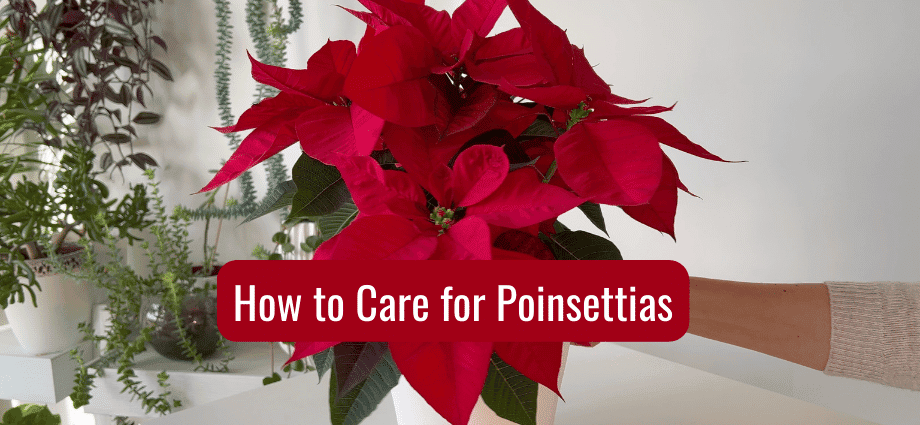
How to Care for Poinsettias? All You Need To Know
Welcome to my complete guide on how to care for poinsettias, the perfect festive addition to your home’s decor. As the holiday season approaches, Poinsettias bring vibrant color and elegance to any space. In this guide, I’ll walk you through essential tips to ensure your Poinsettias not only thrive during the holidays but stay healthy and beautiful all year round. For visual learners, don’t miss the accompanying video below for step-by-step instructions.

Poinsettias, scientifically known as Euphorbia pulcherrima, originated in Mexico. These plants come in various colors and sizes, offering a wide range of options for your festive decor. From traditional red to white, pink, and marbled varieties, there’s a Poinsettia for every taste. With proper care, you can enjoy them all year and anticipate their vibrant colors again next year.
Unveiling Poinsettia’s Distinctive Features:
Let’s talk about the distinctive feature of Poinsettia plants, their red leaves.
These striking red leaves are often mistaken for flowers. Contrary to what many believe, the vibrant red parts of the Poinsettia are actually specialized leaves called bracts.
These bracts play a crucial role in attracting attention and adding a festive touch to the plant. So, when you see those beautiful red hues, remember, you’re admiring the leaves, not the flowers!
These plants bloom when the days get shorter. As daylight decreases, it triggers the Poinsettia to start the blooming process. This natural response to changing day length is one of the unique characteristics that make Poinsettias a symbol of the holiday season. So, when you notice those vibrant blooms, it’s nature’s way of celebrating the winter season with these festive plants.
The Intricate Beauty of Poinsettia Flowers:

Poinsettia flowers are unique, comprising not only the colorful bracts that resemble petals but also tiny yellow flowers at the center, known as cyathia. The true flowers, these delicate cyathia, are clustered at the heart of the Poinsettia. While the bracts attract attention with their vibrant colors, it’s the tiny yellow flowers that contribute to the intricate beauty of this festive plant.
Light and Temperature: The Two Things Poinsettias Are Fussy About
Light and temperature are what make or break a poinsettia. For indoor cultivation, place your Poinsettia in a south, east, or west-facing window where the plant will receive bright daylight. This helps maintain their vibrant color and overall health. If it’s in a particularly sunny window, consider moving it away to receive sunlight from a distance.
If you’re considering outdoor placement, opt for a location with part sun, providing 4 to 6 hours of sunlight daily. Poinsettias appreciate this balance of light for optimal growth.
Temperature is another important factor. Indoors, maintain temperatures between 65-70 degrees Fahrenheit for the best results. Avoid exposing Poinsettias to fluctuating temperatures or drying conditions, such as near cold drafts, heat ducts, fireplaces, fans, or space heaters. These factors can cause damage to the plant.
Remember, Poinsettias are sensitive to cold temperatures. Avoid exposing them to anything below 50 degrees Fahrenheit, and freezing temperatures can be fatal. Ensuring the right light and temperature conditions will contribute to the overall well-being of your Poinsettia.
Watering and Humidity:
Getting the watering right is the single biggest thing you can do for a poinsettia. When it comes to watering and humidity requirements, Poinsettias thrive when you keep the soil consistently moist. Water the plant when the soil surface feels dry to a light touch, or the pot feels lightweight when lifted. Avoid letting Poinsettias get so dry that they wilt.
For proper watering, it’s important to remove the decorative foil or outer pot before watering. Ensure your plant is in a pot that drains freely. Place the plant in a sink and water thoroughly, allowing it to drain completely. Never allow Poinsettia pots to sit in excess water, as constant wetness can lead to root rot.
Poinsettias thrive in humidity levels between 50% and 75% ambient humidity. To enhance humidity, consider misting the plant, adding a pebble tray beneath it, or placing a humidifier nearby. These measures contribute to a favorable environment for your Poinsettia, promoting vibrant growth.

Fertilizing and Maintenance After the Holidays
You don’t need to fertilize your Poinsettia during the holidays. Start fertilizing your plant when you notice new growth, such as new green leaves, stems, or bracts. Choose an all-purpose household plant fertilizer and mix it with water at half the recommended strength. Feed your Poinsettia every 3-4 weeks to keep the plant healthy and provide the necessary nutrients for robust new growth.
Maintaining cleanliness is crucial for your Poinsettia’s well-being. Regularly remove dried or yellow leaves to keep the plant looking its best. Additionally, pruning is beneficial for Poinsettias. Consider cutting off older leaves on a regular basis to encourage new growth and maintain a tidy appearance.
All these requirements were considered for the time when this plant starts to become colorful, and when you buy it during the Christmas holidays. But what's next? What about keeping it alive after the holidays or how to care for Poinsettias? Let's dive into that now.
After the holiday season, start giving your Poinsettia a liquid plant food with extra potassium, like tomato food.
Around April, trim your Poinsettia back to about 4 inches and keep it at a comfy 55°F. Come early May, transplant it into a slightly bigger pot with fresh, peat-free, loam-based compost. Put it in a sheltered spot away from direct sunlight, making sure it stays below 64ºF.
Poinsettias usually bloom when the days get shorter, typically in December. To speed up the process for Christmas, mimic shorter days by putting your Poinsettia in darkness for 12 hours each day, starting in November. Keep the temperature around a steady 64ºF and avoid artificial light during this period.
| When | What to do |
|---|---|
| December to January | Enjoy the color. Bright indirect light, 65 to 70°F (18 to 21°C), water when the surface feels dry. |
| February to March | Bracts start to fade. Water less, stop feeding, keep it warm and bright. |
| April | Cut the stems back to about 4 inches (10 cm) and keep it around 55°F (13°C). |
| May | Repot into a slightly bigger pot with fresh peat-free compost. Sheltered spot, out of direct sun, below 64°F (18°C). |
| June to August | Water regularly, feed every 3 to 4 weeks, pinch the tips to keep it bushy. |
| September | Last pinch of the year. Bring it back indoors before the nights turn cold. |
| October to November | 14 hours of complete darkness every night, bright light by day. Any lamp light resets the process. |
| December | The bracts color up again. Back to normal light, and enjoy your second Christmas star. |
Additional Care Tip: Managing Poinsettia Leaf Drop
One common concern many plant owners face is leaf drop, which can be frustrating during the holiday season. Sudden changes in temperature, drafts, or overwatering often cause leaves to fall prematurely. To prevent leaf drop, maintain a consistent environment with stable temperatures and avoid placing your Poinsettia near doors, vents, or heating sources. Also, ensure your watering routine keeps the soil moist but not soggy. By carefully managing these factors, you’ll help your Poinsettia retain its vibrant foliage and enjoy a longer, healthier display.
Even with the right care, a poinsettia can drop leaves or fade, so keep my list of common poinsettia problems handy.
Safety Note: Are Poinsettias Really Poisonous?
Once your Poinsettia starts blooming, a daily misting of the leaves will help them stay vibrant.
Poinsettias have a reputation for being deadly, and it is not deserved. They are nowhere near as toxic as people think, but the milky white sap can still irritate, so handle them with a little care:
The sticky white sap from Poinsettias can cause a skin rash, so it’s advisable to wear gloves when working with these plants.
Avoid contact with your eyes and mouth while handling Poinsettias.
If a pet or child chews a leaf, expect nothing worse than drooling or a mild upset stomach, but call your vet or doctor if you are worried.
After use, make sure to wash tools thoroughly, as the sap can leave them sticky.
By following these precautions, you can enjoy the beauty of Poinsettias safely.
Poinsettia Care FAQs
How long do poinsettias last indoors?
With steady warmth, bright indirect light and careful watering, a poinsettia holds its color for two to three months, well past Christmas. Most fade early because of a cold draft on the way home from the shop or roots sitting in water, not because the plant is short-lived.
Why is my poinsettia dropping leaves?
Sudden leaf drop nearly always means a shock: a cold draft, a hot radiator, or roots sitting in water inside the decorative foil. Move it away from doors and vents, take the foil off before watering, and let the pot drain fully.
Are poinsettias poisonous to cats and dogs?
Poinsettias are far less dangerous than their reputation suggests. The milky sap can irritate skin, and a pet that chews the leaves may drool or get a mild upset stomach. It is rarely serious, but keep the plant out of reach and wear gloves when you prune.
How do I get my poinsettia to turn red again?
Poinsettias color up in response to long nights. From late September or October, give the plant 14 hours of complete darkness every night and bright light by day for about eight weeks. Even a little lamp light during the dark hours resets the process.
Should I water a poinsettia from the top or the bottom?
Water from the top, but take the foil sleeve off first. Set the pot in the sink, water until it runs out of the drainage holes, then let it drain completely before putting it back. Never leave a poinsettia standing in water.
You can watch the full video on how to care for Poinsettias:
🌟 Join My YouTube Community! 🌟
Become a valued member of our community and unlock exclusive perks! By joining for just $1.99 per month, you not only support the channel's growth but also receive special benefits. As a thank you, you'll get a unique coupon to download Three Watering Planners for free!
🌧️💧 Your contribution goes a long way in helping me continue creating content for you. Click here to JOIN
Read more about the planners here.

Written by Bojana
Plant lover, grower, and music maker behind Plant House & Garden, with 35+ years of hands-on houseplant experience. Read more about Bojana →