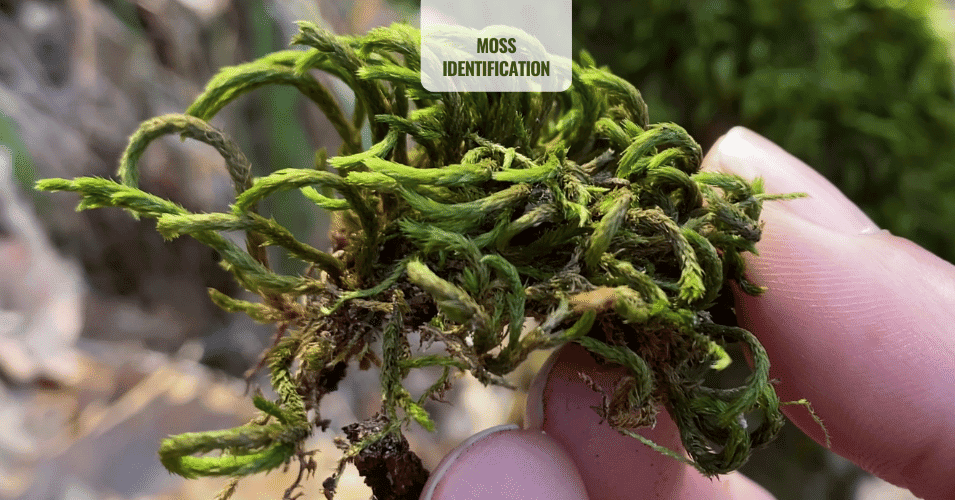
Moss Identification Guide: Discover and Recognize Common Moss Types
Mosses are fascinating, resilient, and beautiful non-vascular plants that play essential roles in many ecosystems. Whether you’re a gardener, terrarium enthusiast, or nature lover, understanding how to identify different moss species is key to appreciating their value and utilizing them effectively. This moss identification guide provides in-depth insights into common moss types, their habitats, characteristics, and practical uses.

| Moss | What to look for | Typical habitat |
|---|---|---|
| Ribbed Bog Moss | Upright shoots with ribbed leaves, often tipped with tiny bud-like clusters | Bogs, wet heaths, damp ground |
| Star Moss | Star-shaped rosettes of leaves with fine hair points | Walls, roofs, dry sunny soil |
| Pointed Spear Moss | Glossy shoots with sharp, spear-like pointed tips | Damp grass, marshes, wet lawns |
| Pincushion Moss | Rounded blue-green cushions | Acidic woodland, sandy soil |
| Shiny Seductive Moss | Flattened, glossy creeping mats | Tree bases, logs, rocks |
What Is Moss? An Introduction to Moss Identification
Mosses belong to a group of small plants that lack true roots and vascular tissue, thriving in moist and shaded environments. They reproduce via spores and often form dense mats or cushions on soil, rocks, and tree trunks. This moss identification guide is your starting point for learning how mosses differ in appearance, texture, and growth habits, enabling you to identify and select the right moss species for your needs.
Understanding Moss Structure: Key Features in Moss Identification
Successful moss identification relies on observing certain plant structures and features:
- Leaves: Moss leaves vary in shape, size, and arrangement. Some have needle-like leaves while others display broad or rounded leaves.
- Growth Form: Mosses can be acrocarpous (upright growth with terminal sporophytes) or pleurocarpous (creeping growth with lateral sporophytes).
- Color: Mosses range in color from bright green to yellow-green, brown, or even reddish hues depending on species and environment.
- Reproductive Structures: Spores develop in capsules borne on stalks called setae; their presence and shape assist in species identification.

Common Moss Species in This Moss Identification Guide
Ribbed Bog Moss (Aulacomnium palustre)
Often found in bogs and wetlands, Ribbed Bog Moss forms loose or dense clumps. It exhibits a greenish-yellow upper surface with brown lower stems. It’s distinguishable by the ribbed texture on its leaves, a helpful feature covered in this moss identification guide.
Star Moss (Tortula ruralis)
This moss’s star-shaped leaf arrangement is unmistakable. Star Moss can survive long drought periods by going dormant, making it a remarkable species to learn.
Pointed Spear Moss (Calliergonella cuspidata)
Recognizable by its pointed leaves and clustered growth, this moss thrives in moist forest floors. Its reddish stem bases and greenish-yellow coloration are key markers explained in this guide.
Pincushion Moss (Leucobryum glaucum)
Pincushion Moss is named for its dense, cushion-like formations. This moss is popular in gardens and terrariums due to its soft texture and pale green appearance, featured prominently in the moss identification guide.
Shiny Seductive Moss (Entodon seductrix)
Known for its glossy ovate leaves, this moss spreads horizontally, creating feathery mats. Its delicate appearance contrasts with other mosses.
Additional Noteworthy Mosses in the Moss Identification Guide
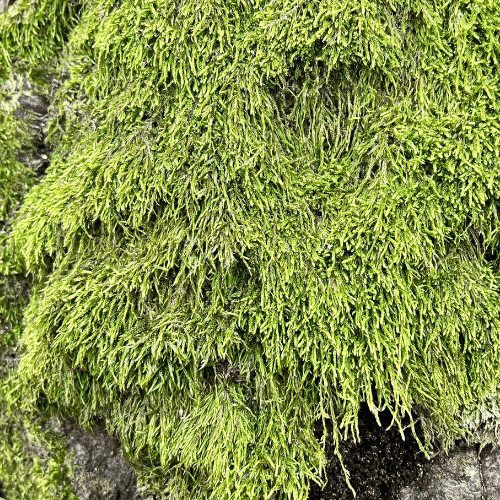
Spoon-Leaved Moss (Bryoandersonia illecebra): Large, creeping moss with shiny green branches.
Big Shaggy Moss (Rhytidiadelphus triquetrus): Common in northern forests, known for loose, irregular growth.
Plume Moss (Ptilium crista-castrensis): Named for its plume-like fronds, often found in coniferous forests.
Why Moss Identification Matters: Benefits and Uses?
Learning moss identification is more than a hobby. Mosses:
- Enhance Garden Aesthetics: Their rich textures and colors add visual interest to garden beds and terrariums.
- Improve Soil Health: Moss mats prevent erosion and help retain moisture.
- Promote Biodiversity: Mosses provide habitat for microfauna and improve ecosystem resilience.
- Aid in Environmental Monitoring: Sensitive to pollution and moisture changes, mosses serve as bioindicators.
My guide aims to help you harness these benefits by choosing the right moss species for your environment.

Cultivating Moss: Tips From the Moss Identification Guide
Once you have identified and gathered some moss, learn how to collect moss for a terrarium and how to clean and prepare moss and lichen so it stays healthy and pest-free.
Once you identify moss suitable for your needs, growing and maintaining it requires specific conditions:
- Moisture: Most mosses prefer high humidity and consistently damp substrates.
- Light: Indirect light or shade is ideal; direct sun can dry moss out.
- Substrate: Rocks, compact soil, or bark can all serve as moss beds depending on species.
- Protection: Avoid foot traffic or disturbance to let moss mats establish.
If you want to learn how to revive dried moss, check out my article, right away!
For a more detailed and understandable guide you can always watch my You Tube video down below:
Once you start collecting and growing different mosses, it helps to keep notes. My Plant Care Journal is handy for logging which mosses you found, where, and how they are doing in your terrarium or garden.
Frequently Asked Questions
How do you identify different types of moss?
Start with the growth form, whether the moss makes rounded cushions, flat creeping mats, or upright shoots. Then look at leaf shape and color and note the habitat, such as damp soil, walls, or tree bark. Together these clues identify most common mosses without needing a microscope.
Can you identify moss without a microscope?
Yes, for most common species. Features like cushion or mat growth, leaf color, hair-like leaf tips, and habitat are usually enough to recognize garden and terrarium mosses by eye. A hand lens helps for finer detail, but a microscope is mainly needed for tricky, closely related species.
What is the most common moss in gardens?
It varies by climate, but cushion-forming mosses like Pincushion Moss and creeping species like Pointed Spear Moss are very common in temperate gardens. You will often find them on damp soil, lawns, walls, and shaded areas where moisture lingers and grass struggles.
Which mosses are best for terrariums?
Cushion and mat-forming mosses such as Pincushion Moss and other compact, slow-growing types do well in closed terrariums because they enjoy steady humidity. Always clean and prepare collected moss first to remove pests and debris before adding it to your terrarium.
Is moss harmful to my garden or plants?
No, moss is not a parasite and does not harm plants. It simply grows where conditions favor it, usually damp, shaded, compacted, or acidic spots. If moss is spreading in your lawn, it is a sign of those conditions rather than a disease, and many gardeners enjoy moss as a feature.

Written by Bojana
Plant lover, grower, and music maker behind Plant House & Garden, with 35+ years of hands-on houseplant experience. Read more about Bojana →