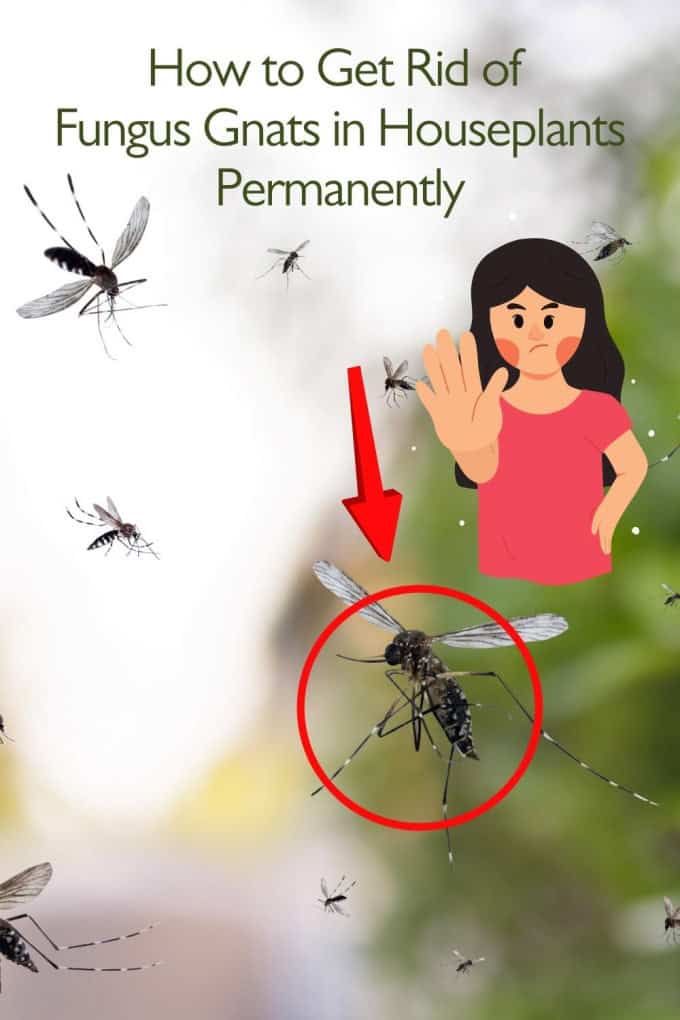
How to Get Rid of Fungus Gnats in Houseplants Permanently
Get rid of fungus gnats in houseplants with this simple and permanent solution.Fungus gnats in houseplants can be a frustrating and persistent problem for plant lovers. These tiny black flying insects are drawn to moist potting soil and often appear when overwatering creates the perfect breeding ground. Not only are they annoying, but they can also damage your plants if not addressed properly. In this article, you'll learn how to get rid of fungus gnats in houseplants permanently using two simple and effective steps.
Prefer visuals? Watch my full video below for step-by-step explanations and a visual guide on how to get rid of fungus gnats in houseplants permanently:

Click here to watch full video on YouTube
| Step | What to do |
|---|---|
| Dry the soil | Let the top 2-3 cm dry fully between waterings |
| Kill the larvae | Treat soil with a BTI or hydrogen peroxide drench |
| Trap the adults | Place yellow sticky traps near the pots |
| Water less | Cut back watering so soil never stays soggy |
| Stay consistent | Keep it up for 3 to 4 weeks to break the cycle |
What Are Fungus Gnats?
Fungus gnats are small, mosquito-like insects that are commonly found hovering around houseplants. They thrive in damp, organic-rich soil and are especially active in grow rooms or around humidity-loving plants. Adult fungus gnats lay their eggs in the top layer of moist soil, with each female capable of laying up to 200 eggs at a time. These eggs hatch into larvae that feed on soil fungi, organic matter, and sometimes plant roots, which can hinder plant growth and cause further stress to your houseplants.
If you want to know more about watering tips and the right way of watering houseplants, read my article here.
How to Get Rid of Fungus Gnats in Houseplants
Luckily, there is a quick, inexpensive, and highly effective way to get rid of fungus gnats in houseplants permanently. By following these two steps, you’ll be able to treat both the soil and the airspace around your plants.
Step 1: Kill the Larvae in the Soil
The most effective way to kill fungus gnat larvae in your houseplant soil is with a hydrogen peroxide solution. Mix 1 part 3% hydrogen peroxide with 6 parts water, and use this mixture to water your plants only when they need watering.
Make sure the soil is dry to the touch before applying the solution. This helps prevent overwatering, which is a contributing factor to gnat infestations. Repeat this treatment two or three times during your regular watering routine until the larvae are completely eliminated. Don’t worry, this mixture is safe for your plants and deadly for the larvae.
Step 2: Trap and Kill the Adult Gnats
To tackle the flying adult gnats, use sticky fly traps or tape. The most common option is yellow sticky fly traps, which attract and capture adult gnats as they hover near your plants. You can also use sticky tape for an affordable and customizable solution.
Here’s how to use it:
- Attach the sticky tape to a small piece of cardboard or thick paper.
- Cut it into strips and place them near the soil surface or around your plant pots.
- Avoid placing the tape directly on walls or furniture, as it may leave residue.
This method works incredibly well for catching adult gnats and monitoring the infestation. Within a few days, you’ll notice fewer gnats, and in two to three weeks, they should be completely gone.
Summary: Get Rid of Fungus Gnats in Houseplants Forever
If you want to get rid of fungus gnats in houseplants permanently, use the two-step method:
- Treat the soil with a hydrogen peroxide and water mix to kill larvae.
- Use sticky traps to eliminate adult gnats.
With consistent application, this method is simple, safe, and effective. In just a couple of weeks, your home will be free from these pesky invaders.
Keep your plants healthy, thriving, and fungus gnat-free! Get Rid of Fungus Gnats in Houseplants Video:
Consistent watering is the real key to keeping gnats away. My Plant Care Journal helps you track when each plant was last watered so the soil never stays soggy.
Frequently Asked Questions
How do I get rid of fungus gnats permanently?
Break their life cycle. Let the top of the soil dry between waterings, treat the soil to kill larvae with a BTI or hydrogen peroxide drench, and use yellow sticky traps for the adults. Keep watering light and stay consistent for a few weeks and they will not come back.
What kills fungus gnat larvae in soil?
Larvae live in the top layer of damp soil. A BTI product (a natural bacteria) or a diluted hydrogen peroxide drench kills them without harming the plant. Letting the soil surface dry out also stops larvae from surviving.
Why do I keep getting fungus gnats?
Fungus gnats thrive in constantly moist soil and organic matter. If you water too often or the soil never dries, eggs and larvae keep developing. The fix is to water less, improve drainage, and let the top of the soil dry between waterings.
Do sticky traps get rid of fungus gnats?
Yellow sticky traps catch the flying adults and reduce egg-laying, but they will not solve the problem alone. Combine them with drying the soil and treating the larvae to break the cycle completely.
Are fungus gnats harmful to plants?
Adult gnats are mostly a nuisance, but in large numbers the larvae can nibble on roots and weaken seedlings and small plants. Getting them under control protects your plants and keeps your home gnat free.

Written by Bojana
Plant lover, grower, and music maker behind Plant House & Garden, with 35+ years of hands-on houseplant experience. Read more about Bojana →