One BIG Begonia Rex Watering Mistake That Kills Your Plant
If your Begonia Rex keeps developing crispy edges, mushy stems, droopy leaves, or slowly declining for no obvious reason, there’s a good chance you’re making one common Begonia Rex watering mistake without even realizing it. Many plant owners assume these plants simply need more humidity or more frequent watering, but in reality, the way you water them can make a massive difference.
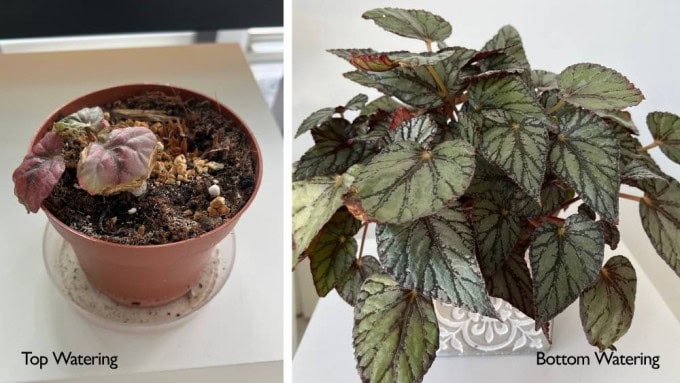
After experimenting with different methods myself, I noticed that my Begonia Rex plants responded much better to bottom watering instead of traditional top watering. The leaves stayed healthier, the soil remained more balanced, and the plants overall looked happier and more stable. Since switching methods, I’ve had far fewer problems with soggy soil, stem rot, and stressed leaves.
In this article, I’ll explain why bottom watering Begonia Rex plants can work so well, how to water Begonia Rex properly, and why this simple change may help if you’ve been wondering: “Why is my Begonia Rex dying?” If you struggle with keeping these beautiful but sensitive plants happy, this Begonia Rex care tip might completely change the way you water your plants.
| Approach | What happens |
|---|---|
| Top watering | Wets leaves and crown, causing rot, mildew, and spots |
| Bottom watering | Soil soaks moisture from below, keeping leaves and crown dry |
| How to bottom water | Stand the pot in water for 15 to 30 minutes, then drain fully |
| How often | When the top of the soil feels dry, keep lightly moist not soggy |
| Avoid | Letting the pot sit in water long-term, which causes root rot |
Why Top Watering Can Be a Problem for Begonia Rex
One of the biggest Begonia Rex watering mistakes is treating this plant like a typical houseplant. While many plants tolerate regular top watering without issues, Begonia Rex can be much more sensitive to excess moisture sitting around the stems and upper soil layer.
If you’ve ever asked yourself, “Why is my Begonia Rex dying?” even though you water it regularly, the watering method itself could be the problem.
When watering from the top, it’s very easy for water to collect around the crown and delicate stems of the plant. Since Begonia Rex plants have shallow and sensitive root systems, constantly wet soil can quickly lead to stress, mushy stems, yellowing leaves, or even root rot. In some cases, the leaves may also develop crispy edges while the soil underneath stays too wet for too long.
Another common issue with top watering is uneven moisture. Sometimes the top layer becomes soaked while deeper parts of the soil remain compacted or poorly aerated. This can create an unhealthy environment for the roots over time, especially if the potting mix does not drain well.
Wet leaves can also become a problem. During my own Begonia Rex care routine, I noticed that water sitting on the foliage or around the center of the plant often led to spotting, stress, and slower growth. These plants prefer balanced moisture, not constantly soggy conditions.
Top watering may also increase the chances of fungus gnats because the upper layer of soil stays damp more frequently. This is one reason why many growers eventually switch to bottom watering Begonia Rex plants instead.
Of course, top watering is not always bad, and some growers make it work successfully. However, in my experience, changing the watering method made one of the biggest differences in keeping my Begonia Rex healthier and more stable.
Why Bottom Watering Begonia Rex Works Better
After experimenting with different watering methods, I personally noticed that bottom watering Begonia Rex plants gave me much better and more consistent results compared to traditional top watering. The leaves looked healthier, the soil stayed evenly moist for longer, and the plants overall seemed less stressed.
One of the biggest advantages of bottom watering Begonia Rex plants is that the roots absorb only the amount of water they actually need. Instead of soaking the entire top layer of soil, the moisture slowly travels upward through the potting mix, creating more balanced hydration throughout the root zone.
This method also helps keep the leaves and crown dry, which is extremely important for sensitive plants like Begonia Rex. Since water is not constantly sitting around the stems or foliage, the risk of stem rot and fungal problems can be much lower.
Another reason why bottom watering works so well is that it encourages stronger root growth. The roots naturally grow downward searching for moisture, which can help create a healthier and more stable root system over time.
I also noticed fewer fungus gnats after switching methods. Because the top layer of soil stays drier for longer, it becomes less attractive to pests that thrive in constantly damp conditions.
When learning how to water Begonia Rex properly, many plant owners focus only on watering frequency. But in my experience, the watering method itself can make an even bigger difference. Once I started bottom watering consistently, my plants became easier to maintain and showed healthier growth overall.
Of course, every growing environment is different, and no single method works perfectly for everyone. But if you struggle with overwatering, root rot, or stressed leaves, bottom watering may completely change your Begonia Rex care routine for the better.
How I Bottom Water My Begonia Rex

Watch me bottom water my Begonia Rex and walk through all five care mistakes in my full video. If it helps, subscribe for more plant rescues.
My bottom watering routine is actually very simple, and since switching to this method, my Begonia Rex plants have been much easier to maintain.
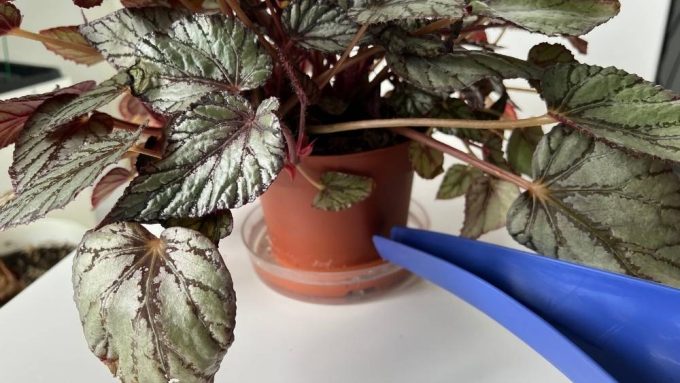
Every few days, depending on how dry the soil feels, I place the pot into a shallow tray or container filled with water. I usually let the plant sit there for around 10-20 minutes so the roots and soil can slowly absorb moisture from the bottom upward.
Once the top layer of soil feels slightly moist, I remove the pot and let any excess water drain completely before placing the plant back in its spot. One important thing I avoid is leaving the pot sitting in water for too long because constantly soggy soil can still lead to root problems, even with bottom watering.
I also noticed that Begonia Rex is actually very good at showing when it needs water. If I wait a little too long between waterings, the leaves usually start to droop slightly or lose some firmness. But after bottom watering, the plant often revives surprisingly fast and the leaves become firm and healthy-looking again. Over time, this made it much easier for me to understand the plant’s watering needs without following a strict schedule.
For this method to work properly, drainage holes are essential. Without drainage, the soil can stay wet for too long and increase the risk of root rot.
I also try to pay attention to the weight of the pot and the moisture level instead of watering on a strict schedule. Some weeks the plant dries faster, while during cooler or more humid periods it may need less water.
In my experience, bottom watering Begonia Rex plants creates much more stable moisture levels compared to top watering. The soil stays evenly hydrated without soaking the delicate leaves and stems, which has made a huge difference in my overall Begonia Rex care routine.
Common Bottom Watering Mistakes to Avoid
Even though bottom watering can work extremely well for Begonia Rex, there are still a few common mistakes that can cause problems over time. The goal is balanced moisture, not constantly wet soil.
Leaving the Plant Sitting in Water for Too Long
One of the biggest mistakes is allowing the pot to sit in water for hours. While bottom watering Begonia Rex plants helps the roots absorb moisture gradually, leaving the soil soaked for too long can still lead to root rot and stressed roots.
In most cases, 10-20 minutes is enough. After that, it’s best to remove the pot and allow excess water to drain fully.
Watering Too Frequently
Another common Begonia Rex watering mistake is watering again before the soil has had time to partially dry out. Even though these plants enjoy moisture, they do not like permanently wet soil.
If the pot still feels heavy or the soil is still moist, it’s usually better to wait another day or two before watering again.
Using Pots Without Drainage Holes
Drainage holes are extremely important for proper Begonia Rex care. Without them, excess water has nowhere to escape, which can quickly create soggy conditions around the roots.
Even with bottom watering, good drainage is essential for keeping the root system healthy.
Ignoring Signs From the Plant
One thing I learned while figuring out how to water Begonia Rex properly is that the plant itself gives clear signals. Drooping leaves can mean the plant is thirsty, while soft stems, yellowing leaves, or constantly wet soil may point to overwatering.
Paying attention to these small changes is often more helpful than following a strict watering schedule.
Using Heavy or Poorly Draining Soil
Bottom watering works best with an airy potting mix that allows moisture to move evenly through the soil. Dense or compact soil can stay wet for too long and increase the risk of root problems.
A light, well-draining mix helps maintain healthier moisture levels and supports stronger root growth overall.
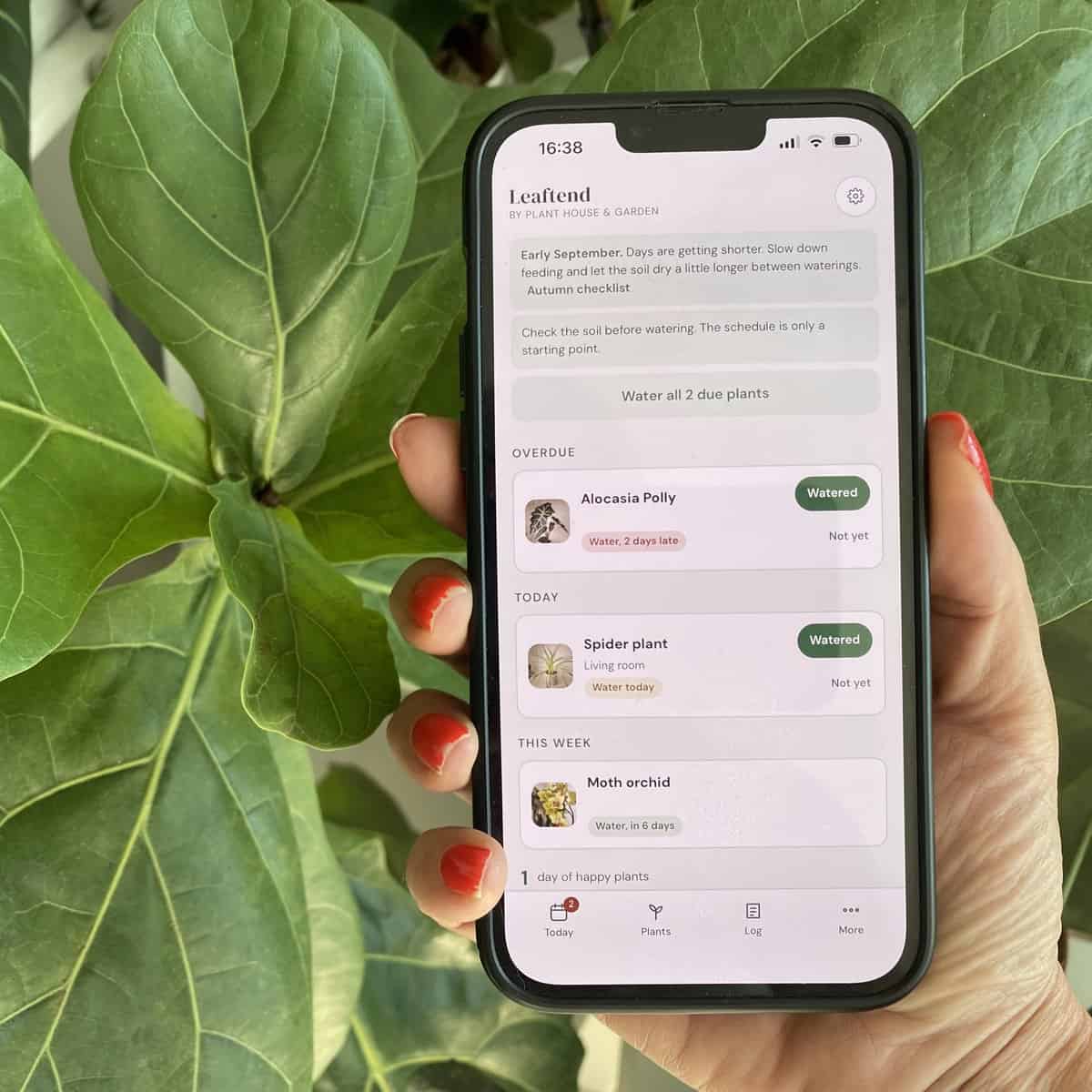
Begonia rex is easy once you get its watering right. My Plant Care Journal helps you track watering so you keep the soil just right and the leaves dry.
Frequently Asked Questions
Should I water begonia rex from the top or bottom?
Bottom water it. Begonia rex has fuzzy leaves and a sensitive crown that rot easily when they get wet. Standing the pot in water lets the soil draw up moisture from below, keeping the foliage dry and the plant much healthier.
How do I bottom water a begonia rex?
Place the pot in a tray or sink with a few centimetres of water and leave it for about 15 to 30 minutes, until the top of the soil feels moist. Then lift it out and let all the excess drain away before returning it to its spot.
How often should I water begonia rex?
Water when the top inch of soil feels dry, keeping the soil lightly moist but never soggy. This is usually about once a week, but check first, as begonia rex is very prone to root rot if it stays too wet.
Why are my begonia rex leaves getting brown or mushy spots?
Brown, mushy, or mildewy spots are usually caused by water sitting on the leaves, often from top watering or high humidity with poor airflow. Switch to bottom watering, improve air circulation, and remove affected leaves to stop it spreading.
Can I mist my begonia rex?
It is best not to. Begonia rex likes humidity but hates water on its leaves, so misting can cause spotting and rot. Instead, raise humidity around it with a pebble tray, a humidifier, or by grouping it with other plants.
If you enjoy a calm soundtrack while you care for your plants, here is one of my Music for Plants videos from my YouTube channel. Consider it a relaxing background for you and your begonia rather than a growth treatment.

Final Thoughts
If you’ve been struggling with crispy leaves, drooping stems, or constantly stressed-looking Begonia Rex plants, changing your watering method may make a much bigger difference than you think.
For me personally, switching to bottom watering completely changed the way my Begonia Rex plants grow and respond. The soil stays more balanced, the leaves look healthier, and the plants overall seem far less stressed compared to regular top watering.
Of course, every home environment is different, and there is no single perfect method that works for everyone. But after experimenting myself, I truly believe that bottom watering Begonia Rex plants can help reduce many of the common problems people experience with these sensitive plants.
Sometimes, one simple change in your plant care routine can completely transform the health of your plant.
Related Articles
- Begonia Rex Problems - 5 Mistakes to Avoid (And How to Fix Them)
- Houseplants Watering Tips - 5 Mistakes to Avoid: How, When & How Much to Water
- Why Sphagnum Moss for Houseplants Is So Popular: Uses, Propagation & Root Rot Rescue
- 70% Alcohol on Houseplants to Kill Pests? I Tested This Method - Here’s What Happened

Written by Bojana
Plant lover, grower, and music maker behind Plant House & Garden, with 35+ years of hands-on houseplant experience. Read more about Bojana →