Ponytail Palm Care Problems: 5 Mistakes to Avoid and How to Fix Them
If you’re dealing with brown tips, yellow leaves, or slow growth, you’re not alone - ponytail palm care problems are more common than most plant parents think. The ponytail palm (Beaucarnea recurvata), also called Nolina, is a hardy, drought-tolerant plant that can live for decades. But like any houseplant, it can suffer if its needs aren’t met.
In this article, I’ll cover the five most common ponytail palm care problems and show you how to fix them so your plant can stay healthy and beautiful.
🎥 For visuals and more insights, watch the video below where I explain these common problems and show how to solve them step by step:

Click here to watch the video on YouTube
👉 Want a full guide to Nolina plant care - including watering, soil mix, repotting, fertilizing, and propagation?
Check out my Complete Nolina Plant Care Guide for step-by-step instructions.
| Problem | Likely cause | Fix |
|---|---|---|
| Soft, yellowing base or stem | Overwatering and soggy soil | Let soil dry fully; use a gritty mix; water far less. |
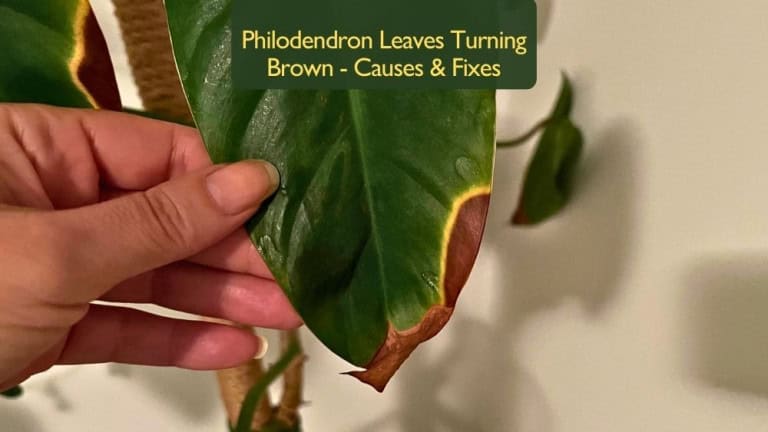
| Brown, crispy leaf tips | Underwatering, dry air, or minerals in tap water | Water a bit more often; use filtered water; trim the tips. |
| Slow or no growth | Too little light | Move to a bright spot with some direct sun. |
| Weak, floppy growth | Overfeeding | Feed lightly only in spring and summer, then flush the soil. |
| Sudden leaf drop | Relocation or cold drafts | Keep it warm and stable, away from cold windows and vents. |
1. Overwatering: The #1 Ponytail Palm Care Problems
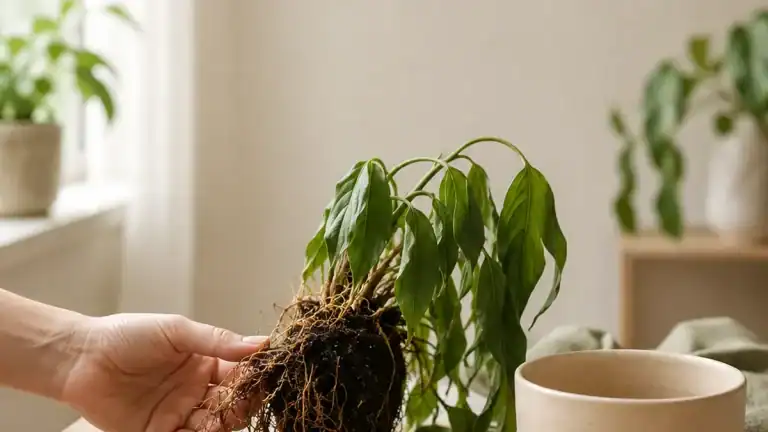
The most frequent cause of ponytail palm care problems is overwatering. This plant stores water in its bulb-like trunk and simply doesn’t need frequent watering. Keeping the soil constantly wet leads to soggy roots and root rot, which can quickly kill the plant.
A clear sign of overwatering is yellowing leaves combined with soft, mushy soil. If the base of the trunk feels soft or smells bad, the rot may already have started. The good news is that ponytail palms are extremely forgiving if caught early - they can bounce back once the soil is allowed to dry out completely.
✅ Solution: Let the soil dry almost completely before watering again. Use the finger test; check 2-3 inches deep into the soil. If it’s dry, water thoroughly; if not, wait a few more days. In winter, reduce watering even more since growth slows down and the plant uses less moisture.
💡 Related Reading: For more guidance on watering schedules and techniques, check out my Houseplant Watering Tips to avoid overwatering mistakes with all your plants.
2. Wrong Pot or Soil
Using the wrong container or heavy soil mix is another leading cause of ponytail palm care problems.
- Pot with no drainage = disaster. Roots sitting in water quickly rot.
- Oversized pots keep soil wet too long. Ponytail palms prefer to stay slightly root-bound.
- Heavy soil suffocates roots.
A compacted, water-retentive soil holds moisture around the roots for too long and prevents oxygen flow, one of the fastest ways to stress your plant. When you repot, check that the trunk sits just above the soil line and avoid burying it too deep, which can also encourage rot.
✅ Solution: Choose a pot with drainage holes and only go up one size when repotting. Use a fast-draining cactus or succulent mix, and improve it with perlite, pumice, or sand for better aeration. A gritty mix mimics the dry, rocky soil of its native habitat and keeps the roots healthy.
3. Light Stress | Ponytail Palm Care Problems

Too little light can cause thin, weak leaves and very slow growth, while too much harsh direct sun can lead to scorched leaf tips - one of the most common ponytail palm care problems.
If your plant is sitting in a dim corner, you may notice the leaves drooping and the growth slowing down. On the other hand, if exposed to intense midday sun too quickly, the tips will turn brown and crispy. Ponytail palms adapt to a wide range of light but need time to adjust when you change their location.
✅ Solution: Place your plant where it will receive bright, indirect light most of the day. A sunny east or south window works well. If moving outdoors, introduce it gradually to avoid shock - start with a few hours of morning sun, then slowly increase exposure over 1-2 weeks.
4. Fertilizing Mistakes Ponytail Palm Care Problems
Another overlooked cause of ponytail palm care problems is fertilizer misuse - either overfeeding or not feeding at all. Too much can burn the roots, while too little causes pale, weak growth.
Watch for signs like brown edges after feeding, which usually indicate fertilizer burn. If your plant hasn’t been fertilized in months and seems pale or stunted, it’s time to boost it with nutrients. A steady, gentle feeding routine encourages lush, green leaves and steady growth.
✅ Solution: Feed every 4-6 weeks during spring and summer using a balanced liquid fertilizer diluted to half strength. Always water the soil first to avoid root burn, and skip fertilizing during winter dormancy. Slow-release pellets can also work well for low-maintenance care.
💡 Want a natural option? Try my Organic DIY Houseplant Fertilizer Recipe - it’s gentle, easy to make, and perfect for keeping your ponytail palm thriving without harsh chemicals.
5. Relocation and Temperature Fluctuations
Sudden changes in environment can stress your plant. Drafty windows, heating vents, or abrupt moves from low light to direct sun often lead to drooping leaves, brown tips, or slow recovery.
Temperature drops below 50°F (10°C) can cause shock, and sudden exposure to hot, dry air can dry out the tips. Ponytail palms like consistency and will reward you with steady growth if you keep conditions stable.
✅ Solution: Keep your ponytail palm in a stable location away from temperature extremes. When moving it, do so gradually, giving it time to adjust. During winter, keep it away from cold windows and heating vents, and maintain moderate humidity.
Bonus Care Tip: Clean the Leaves
Dust buildup is an often-ignored contributor to ponytail palm care problems. Dust blocks light and reduces photosynthesis, which slows growth.
Regular cleaning not only keeps the leaves shiny and attractive but also prevents pests like spider mites, which thrive in dusty conditions.
✅ Solution: Wipe the leaves with a damp cloth or give your plant a gentle shower every few months to keep it looking fresh and absorbing light properly.
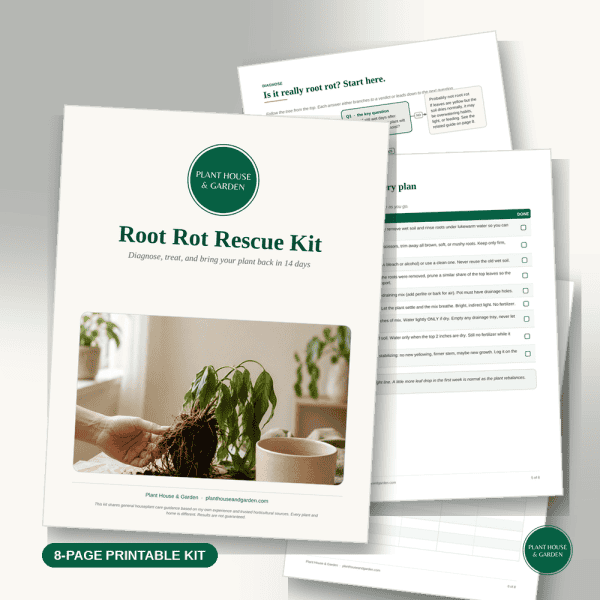
Ponytail palms are easy to overwater out of habit, so it helps to track it. My Plant Care Journal lets you log exactly when you last watered, so you can give this desert plant the dry spells it actually wants.
Frequently Asked Questions
Why is my ponytail palm turning yellow?
Yellowing, especially a soft yellow base or stem, is almost always overwatering. The ponytail palm stores water in its swollen base and rots in wet soil. Let the soil dry out completely, switch to a gritty, fast-draining mix, and water much less often.
Why does my ponytail palm have brown leaf tips?
Brown, crispy tips usually mean underwatering, very dry air, or a buildup of minerals and fluoride from tap water. Water a little more regularly, use filtered or rainwater if your tap water is hard, and trim the brown tips to tidy it up.
How often should I water a ponytail palm?
Water a ponytail palm only when the soil is completely dry, often every 2 to 3 weeks or less. It is a semi-succulent that handles drought far better than wet feet. When in doubt, wait, since underwatering is much safer than overwatering.
Why is my ponytail palm not growing?
Ponytail palms are naturally slow growers, but stalled growth usually means too little light. Give it the brightest spot you have, including some direct sun, and feed lightly during spring and summer. Growth will still be gradual, which is normal for this plant.
Can a ponytail palm recover from overwatering?
Yes, if you catch it early. Stop watering, move it to bright light, and let the soil dry out fully. If the base feels soft or smells, unpot it, cut away any rotten parts, let the cuts callus, and repot in dry, gritty soil.
Final Thoughts on Ponytail Palm Care Problems
Most ponytail palm care problems can be solved with a few simple adjustments: less water, better soil, proper light, and balanced feeding. Once you understand what your Nolina needs, it’s one of the easiest houseplants to keep happy.
For a full step-by-step guide including: soil solutions, repotting tips, and propagation - don’t miss my Complete Nolina Plant Care Guide.

Written by Bojana
Plant lover, grower, and music maker behind Plant House & Garden, with 35+ years of hands-on houseplant experience. Read more about Bojana →