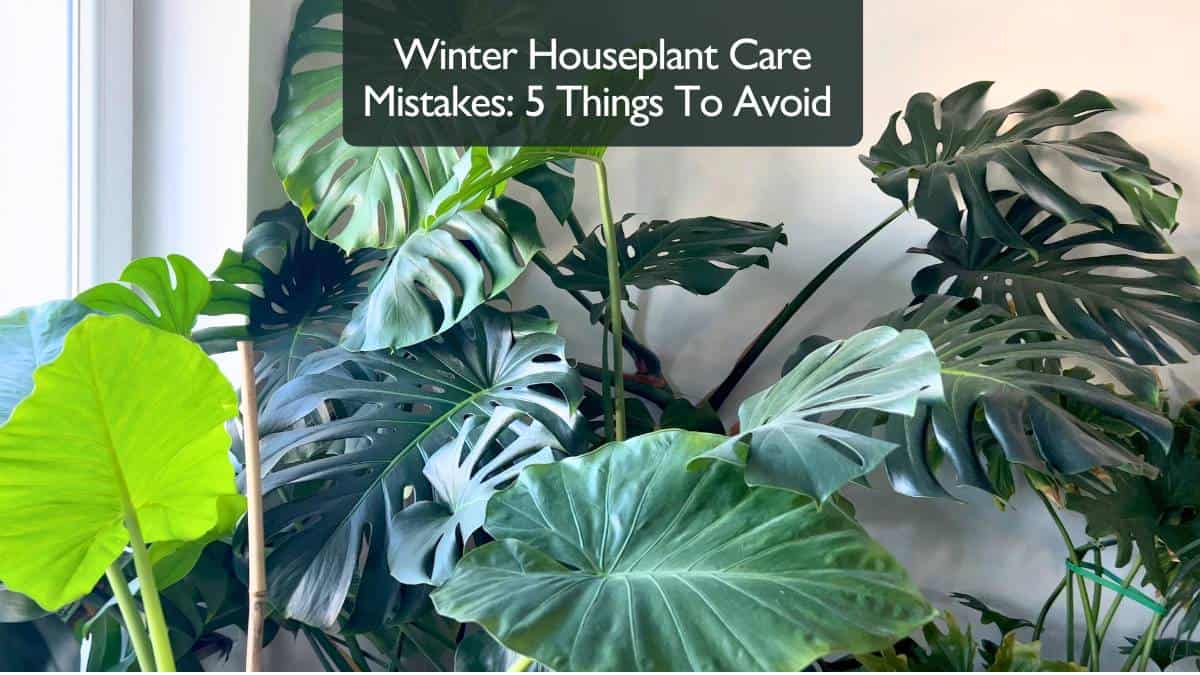
Winter Houseplant Care Mistakes: 5 Things You Should Never Do
Caring for your houseplants during the colder months requires a different approach, and avoiding common mistakes can make all the difference. Many plant lovers don’t realize that conditions indoors change dramatically once the heating is on and the days get shorter. Lower light, dry air, and cooler temperatures all affect growth, and if we don’t adjust our routine, our plants may suffer. In this guide, I’ll share the most common winter houseplant care mistakes and explain how to prevent them, so your plants stay healthy, vibrant, and ready to thrive when spring returns.any plant lovers make.
👉 For visuals, watch the video below where I explain winter houseplant care mistakes:

Clicj here to watch the video on YouTube
| Mistake | What to do instead |
|---|---|
| Overwatering | Water less often, only when the soil has dried out more than in summer |
| Sudden temperature changes | Keep plants away from cold drafts, doors, and hot radiators |
| Fertilising in winter | Pause feeding until growth restarts in spring |
| Repotting in winter | Wait until spring, as plants are resting now |
| Not enough light | Move plants to your brightest window or add a grow light |
Why Winter is Tricky for Houseplants
So, why is winter such a challenging season for indoor plants? During the colder months, everything changes - temperatures drop, the air gets drier, and natural light becomes weaker and less frequent.
Warm-weather care looks different, so see my summer tips for houseplants for the other half of the year.
Most houseplants naturally slow down their growth in winter, but even though growth slows, they’re still alive and need care. The key is to adjust your routine. Treating plants the same way you do in summer can cause damage or even lead to losing them.
Mistake #1: Overwatering
One of the most common winter houseplant care mistakes is overwatering. Signs include yellowing leaves, soggy soil, or a strange smell from the pot.
Since plants grow more slowly in winter, they use less water. If watered on a summer schedule, the soil stays wet too long, leading to root rot - a silent killer that spreads quickly.
✅ Solution: Water less often and only when the soil is dry. Stick your finger an inch or two into the soil: if it’s dry, water; if damp, wait a few more days. Always check below the surface because heating can dry the top layer while the bottom remains wet. Remember, it’s better to underwater than overwater.
Overwatering is one of the most damaging winter houseplant care mistakes because it often leads to root rot.
Mistake #2: Sudden Temperature Changes & Low Humidity
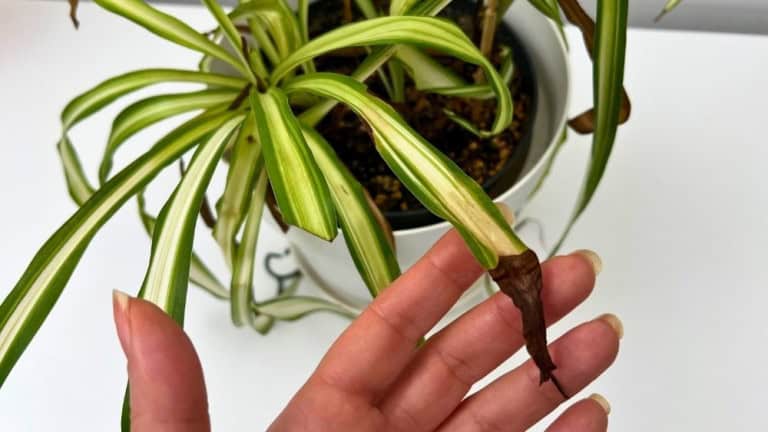
Warm, dry indoor air and cold drafts are stressful for plants. Crispy leaf tips or sudden leaf drop often point to this issue.
- Keep plants away from radiators, heaters, and vents.
- Ensure leaves aren’t touching cold windows, especially at night.
- Use a humidifier, group plants together, or place them on a pebble tray with water.
Stable humidity and temperature are vital for healthy winter houseplants. Sudden drafts and dry air are classic winter houseplant care mistakes that weaken plants silently.
Mistake #3: Fertilizing in Winter
Fertilizing during winter might seem harmless but can do more harm than good. Most plants slow down or stop growing in this season, meaning they don’t need extra nutrients.
If you keep fertilizing, unused nutrients build up in the soil, creating a toxic environment that burns roots and causes brown leaf tips.
✅ Solution: Pause fertilizing until spring when growth resumes. The exception: fast-growing tropicals or herbs that actively grow in winter - use diluted fertilizer sparingly.
Fertilizing when plants aren’t actively growing is among the easiest winter houseplant care mistakes to avoid - simply wait until spring.

Mistake #4: Repotting in Winter
Another common winter houseplant care mistake is repotting during the cold season. Repotting in winter stresses plants because they are in a restful phase, focusing on survival rather than growth. Disturbing roots at this time can shock the plant.
Unless your plant is root-bound or suffering from root rot, wait until spring or summer to repot. That’s when they can recover quickly and adapt to a new pot.
Mistake #5: Not Enough Light
Lack of light is one of the biggest challenges in winter. Symptoms include yellow leaves, stretched growth toward windows, or slowed growth.
- Move plants closer to south-facing windows.
- Clean your windows to maximize light.
- Consider grow lights if natural light isn’t sufficient.
Light is life for plants, and in winter they need all the help they can get. Not providing enough light is perhaps the most overlooked of all winter houseplant care mistakes.
Extra Winter Plant Care Tips
Beyond the five biggest winter houseplant care mistakes, here are two bonus tips for even healthier plants.
1. Clean the Leaves
Dust builds up on leaves in winter, blocking precious light. Wipe them with a damp cloth or give a gentle shower. Clean leaves absorb more light and stay healthier.
You can also read my guide on a homemade recipe for shiny, pest-free leaves, which is especially helpful during the darker winter months.
2. Play Music for Your Plants
It may sound unusual, but music can support plant growth. I play a daily playlist of frequencies for my plants, and I’ve seen stronger growth and healthier leaves. Try it yourself, it’s a simple way to boost growth and create a calming space at home.
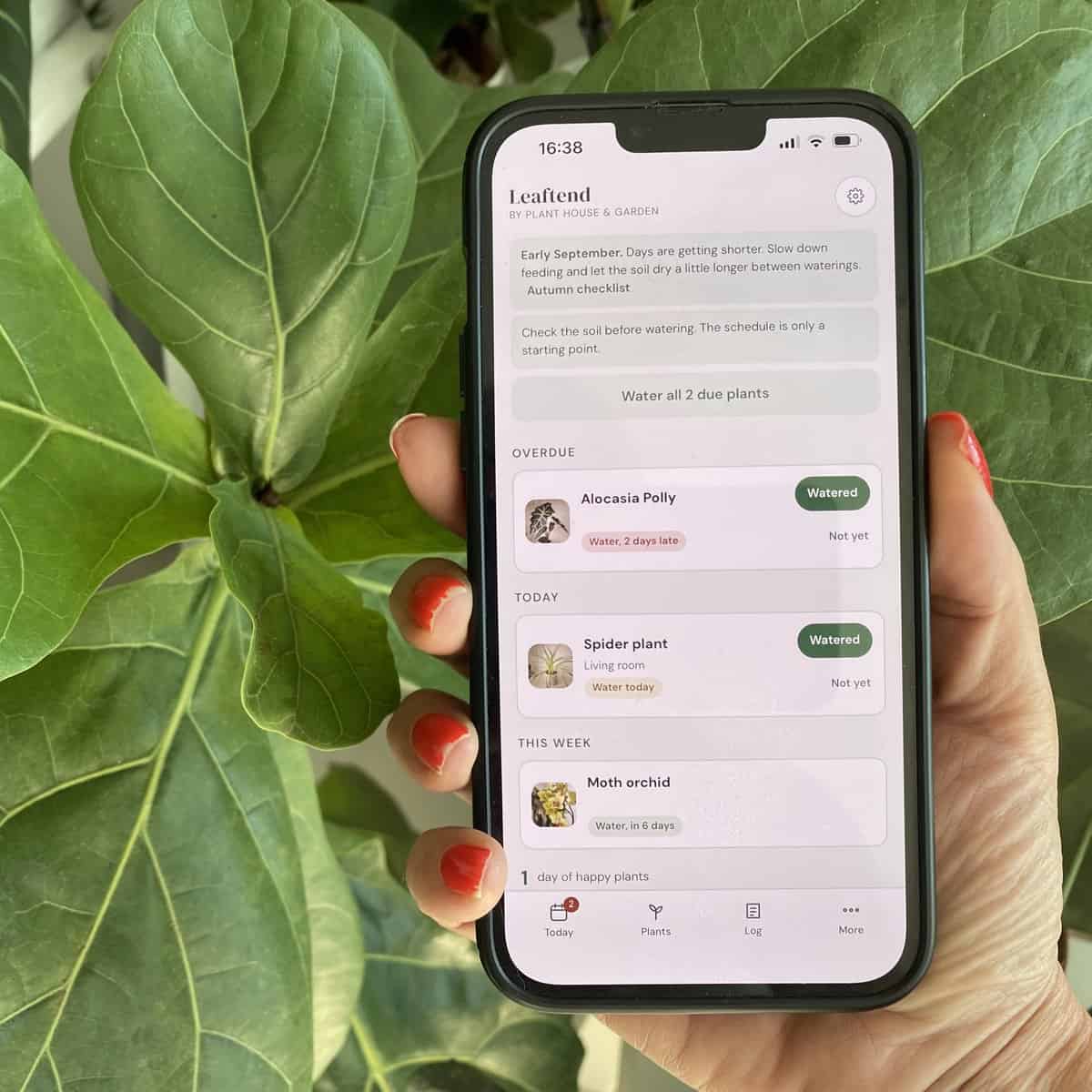
Winter care is mostly about doing less at the right time. My Plant Care Journal helps you track watering so you do not overdo it in the slow months. For more troubleshooting, see our houseplant pests and problems guide.
Frequently Asked Questions
How often should I water houseplants in winter?
Much less than in summer. Most houseplants slow right down in winter and use little water, so let the soil dry out more between waterings and check before you water. Overwatering in cold, low-light months is the number one cause of winter plant loss.
Should I fertilise my houseplants in winter?
No. Most houseplants are resting in winter and are not actively growing, so feeding them can do more harm than good. Pause fertilising until you see new growth in spring, then start again gradually.
Can I repot houseplants in winter?
It is best to wait. Winter is a resting period, so repotting now stresses plants when they cannot recover quickly. Unless a plant is badly rootbound or has root rot, hold off until spring.
How do I give houseplants enough light in winter?
Move them to your brightest window, usually south or west facing, and clean the glass and the leaves so more light gets through. If your home is very dark, a simple grow light makes a big difference through the shortest months.
Why are my houseplants struggling in winter?
Shorter days, dry indoor air from heating, cold drafts, and overwatering all stress plants in winter. Cut back on water, keep them warm and away from drafts, raise humidity if the air is dry, and give them as much light as possible.
Final Thoughts
Avoiding these five winter houseplant care mistakes will keep your plants healthier, happier, and ready to thrive when spring arrives.
Don’t forget to check out my full YouTube video above for a visual guide, and if you enjoy my content, please subscribe to my channel. If you can avoid these common winter houseplant care mistakes, your plants will be ready to thrive once spring arrives.
Related Topics

Written by Bojana
Plant lover, grower, and music maker behind Plant House & Garden, with 35+ years of hands-on houseplant experience. Read more about Bojana →