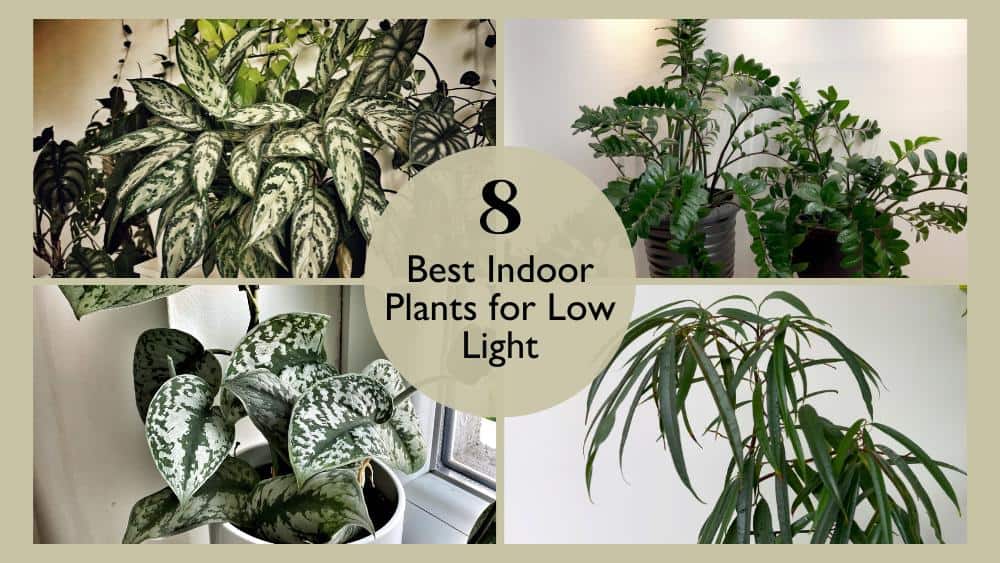
10 Best Indoor Plants for Low Light (Perfect for North-Facing Rooms)
Finding the best indoor plants for low light can feel impossible, especially if your home has dim corners, shaded hallways, or those classic north-facing rooms where sunlight barely reaches. But the truth is, many beautiful and easy houseplants don’t just survive in low light - they actually thrive.
Got a brighter room? These trailing plants for a sunny window love the extra light.
In this guide, I’m sharing 10 real low light houseplants that grow beautifully in my own home, even several feet away from a window. If you’ve been searching for plants that grow in low light indoors or simply want easy indoor plants for low light, these proven choices will transform the darkest spots in your space into lush, green oases.
| Plant | Why it suits low light |
|---|---|
| Golden Pothos | Tolerates low light and irregular watering, and trails happily |
| Heartleaf Philodendron | Easygoing vining plant that copes well away from windows |
| Silver Pothos (Scindapsus) | Keeps its silvery patterning in lower light with a little care |
| ZZ Plant | Famously thrives in low light and tolerates neglect |
| Dracaena (Corn Plant) | Upright and forgiving, and handles dim corners |
| Snake Plant | Nearly indestructible and stays upright in the darkest corners |
| Peace Lily | Copes with shade and can still flower away from a bright window |
| Cast Iron Plant | Old-school classic that survives deep shade and neglect |
| Aglaonema (Chinese Evergreen) | Lush, patterned leaves that adapt beautifully to low light |
| Ficus Alii | Adapts to medium-low light better than most ficus |
What “Low Light” Really Means (Most People Get This Wrong)
Before we jump into the plant list, it’s important to understand what low light actually is - because low light does not mean no light.
Low light means:
- A room that receives natural light but no direct sun
- The light level where you could still comfortably read during the day
- Spots a few feet away from a north-facing window
- Areas with soft, indirect brightness rather than beams of sun
Low light does not mean:
- Deep corners with no windows
- Rooms that stay dark most of the day
- Bathrooms with zero natural light (this is “no light,” not low light)
If you want a complete explanation of light types - low, medium, bright indirect, and direct - you can read my detailed guide here: Light Requirements for Houseplants: The Secret to Thriving Indoor Plants
Understanding this makes it much easier to choose plants that will truly thrive, not just survive.
Now that you know what low light really means, let’s look at the 10 best indoor plants for low light that truly thrive in north-facing rooms - the exact plants I’ve been growing successfully several feet away from the window.
1. Golden Pothos (Epipremnum aureum)

Golden Pothos is one of the best indoor plants for low light, and it’s the first plant I always recommend for dim rooms or north-facing spaces. This trailing beauty adapts incredibly well to lower light levels - growth may slow a bit, and the leaves may become darker with less variegation, but the plant stays strong, green, and reliably healthy.
Why It Thrives in Low Light
Golden Pothos naturally grows under thick tropical canopies where sunlight is filtered. This makes it perfectly suited for:
- north-facing rooms
- spots 3-10 feet away from a window
- hallways or corners with soft ambient light
In my own home, I have one Golden Pothos growing several feet away from a north-facing window, and it’s thriving with minimal care.
Care Tips
- Light: Low to medium indirect
- Water: Let the top 2 inches of soil dry out
- Growth: Slower in low light, but steady and dependable
- Bonus: Super easy to propagate
Want to See Real Results in Different Light Conditions?
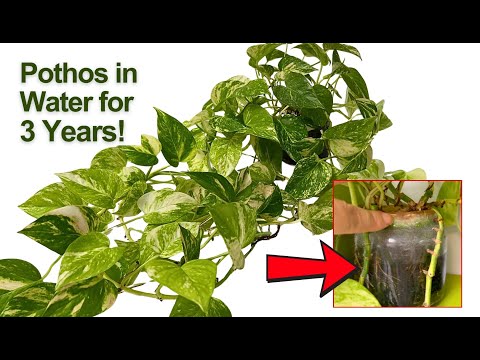
If you're curious how Golden Pothos responds to different lighting, I documented a full experiment here:
Click here to watch the video on YouTube
👉 Growing Golden Pothos in Water for 3 Years - Complete Care Guide
In this post, I compare a Pothos growing in a north-facing room with one growing in a west-facing window - and the difference is fascinating.
More Helpful Pothos Guides
- Golden Pothos Care: All You Need To Know (soil, watering, pruning)
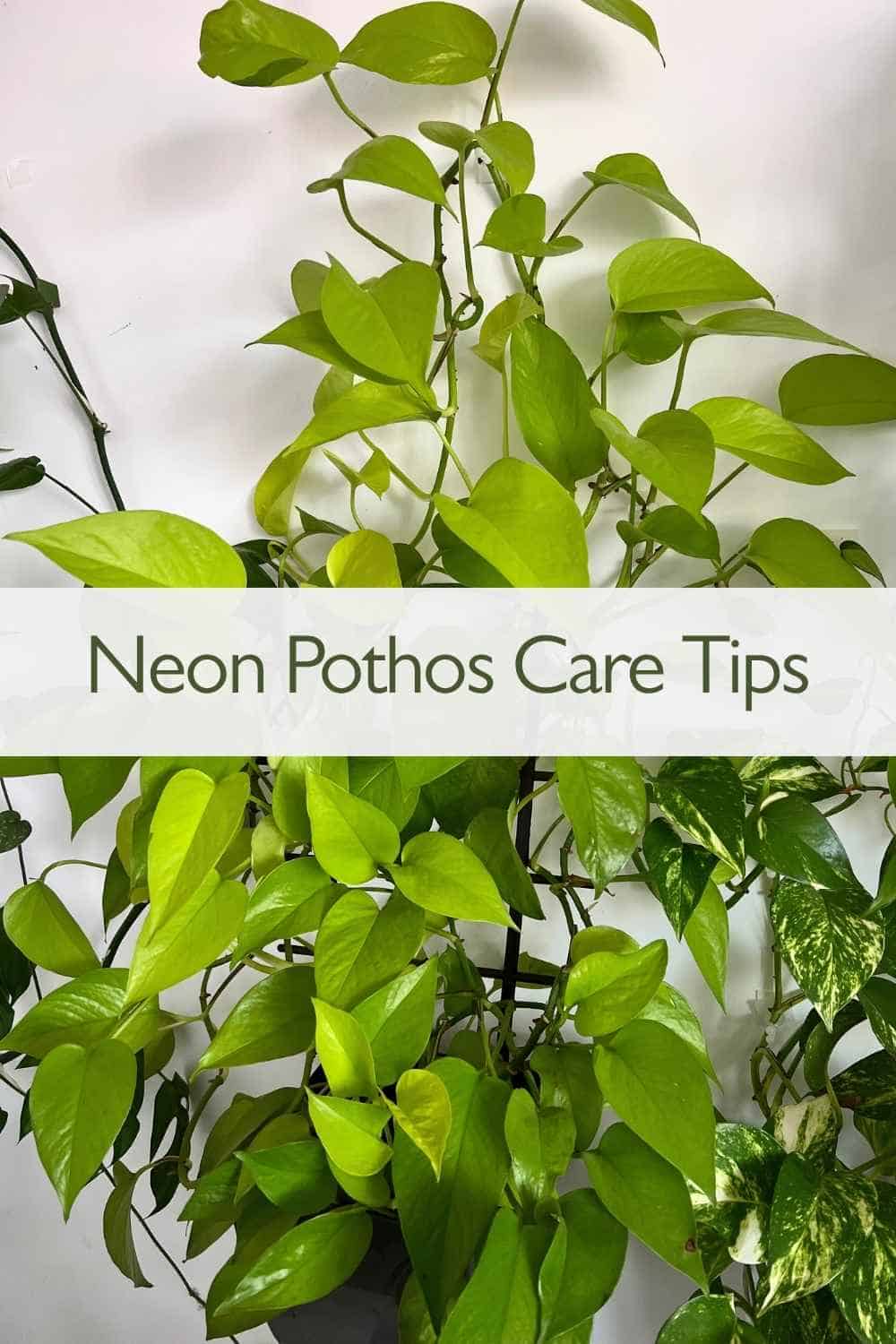
- Neon Pothos Care Tips (if you love brighter foliage)
2. Heartleaf Philodendron (Philodendron hederaceum)
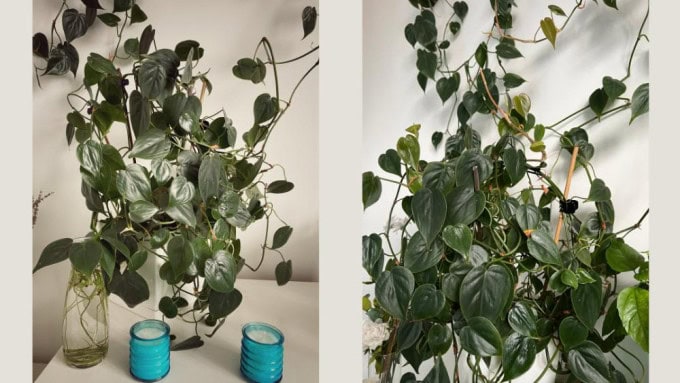
Heartleaf Philodendron is one of the most dependable low light houseplants you can grow. This vining plant handles shade effortlessly and keeps its deep green, heart-shaped leaves even in rooms where the light is soft and indirect. If you need a plant that stays beautiful without much sunlight, this is it.
Why It Thrives in Low Light
In nature, Heartleaf Philodendrons grow beneath thick tree canopies, receiving only filtered light. That makes them perfectly adapted to:
- north-facing rooms
- bookshelves or plant stands 3-10 feet away from a window
- softly lit corners where other plants fail
Even with lower light, they remain lush, full, and incredibly forgiving.
Care Tips
- Light: Low to medium indirect
- Water: Keep the top 1-2 inches slightly moist, but never soggy
- Growth: Steady, reliable, and fast once it settles
- Tip: Rotate every 1-2 weeks to prevent one-sided growth
More Help for Your Heartleaf Philodendron
If you want to multiply your plant or fix common issues, these guides will help:
👉 How to Propagate Philodendron Heartleaf
👉 Philodendron Heartleaf Problems: 5 Mistakes to Avoid
3. Silver Pothos (Scindapsus pictus)
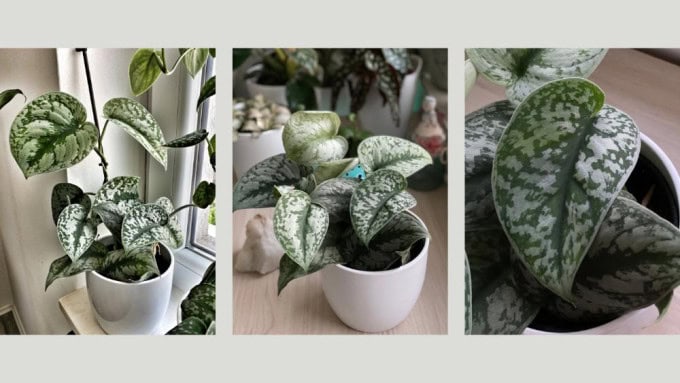
Silver Pothos, also known as Satin Pothos or Scindapsus pictus - is one of the most elegant low-light plants you can grow. Its velvety green leaves with soft silver splashes stay beautifully patterned even in dim light, making it a standout choice for shaded rooms and north-facing windows.
Why It Thrives in Low Light
In the wild, Scindapsus grows along forest floors and tree trunks where sunlight is filtered. That natural adaptation makes it perfect for:
- softly lit living rooms
- corners 3-10 feet away from a window
- north-facing shelves or plant stands
It won’t lose its charm in low light, though growth will be slower and leaves may become slightly smaller - completely normal.
Care Tips
- Light: Low to medium indirect
- Water: Allow the top 2 inches to dry out
- Humidity: Appreciates moderate humidity but adapts easily
- Tip: Avoid overwatering - Scindapsus roots are sensitive to soggy soil
If you love trailing, easy-care plants, you may also enjoy:
👉 Top 7 Climbing and Hanging Houseplants for Low Light Interiors
4. ZZ Plant (Zamioculcas zamiifolia)
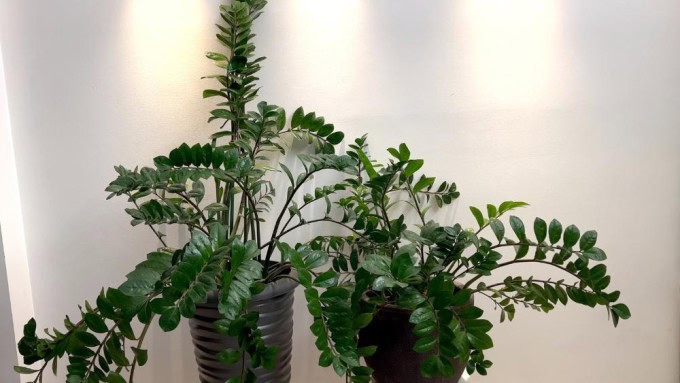
The ZZ plant is one of the hardiest and most reliable low light houseplants you can grow. With glossy, deep-green leaves and thick rhizomes that store water, this plant stays healthy even when neglected - making it perfect for dim rooms or busy plant parents.
Why It Thrives in Low Light
ZZ plants are naturally adapted to grow in the shaded understory of tropical forests, which makes them ideal for:
- north-facing rooms
- offices or bedrooms with soft ambient light
- spots 3-10 feet away from a window
- corners where most plants would struggle
Even in very low light, the ZZ plant keeps its rich color and structural beauty. Growth slows, but the plant remains strong and resilient.
Care Tips
- Light: Low to medium indirect
- Water: Every 2-3 weeks; allow soil to dry fully
- Soil: Well-draining mix to prevent root rot
- Tip: Yellowing leaves usually mean overwatering, not lack of light
More ZZ Plant Help
👉 ZZ Plant Problems: 5 Common Mistakes and How to Fix Them
👉 Why Your ZZ Plant Isn’t Growing - 7 Reasons and How to Fix It Fast
5. Dracaena (Corn Plant)

Dracaena, especially the Corn Plant (Dracaena fragrans), is a fantastic choice for low light houseplant lovers. Its tall, cane-like structure and arching leaves instantly make a room look greener and more vibrant - without needing bright sunlight. This plant is extremely adaptable and one of the most forgiving options for north-facing spaces.
If your Dracaena gets brown tips, yellow leaves, or slow growth in low light, this video walks you through the most common mistakes and how to fix them quickly.

Click here to watch the video on YouTube
Why It Thrives in Low Light
Dracaenas naturally grow beneath dense canopies in African forests, where sunlight is filtered and gentle. This makes them ideal for:
- north-facing living rooms
- bedrooms with soft morning light
- spots 3-10 feet away from the window
- interior corners where other plants struggle
The Corn Plant keeps its lush green appearance even with limited light, though yellow-striped varieties (like ‘Massangeana’) may show softer variegation in dim rooms - a normal response.
Care Tips
- Light: Low to medium indirect
- Water: Allow soil to dry 50-60% before watering
- Soil: Well-draining potting mix
- Tip: Brown tips often mean fluoride/chlorine sensitivity - use filtered or rested water
More Dracaena Help
👉 Dracaena Care: Everything You Need to Know
👉 Dracaena Care Problems - 5 Mistakes to Avoid
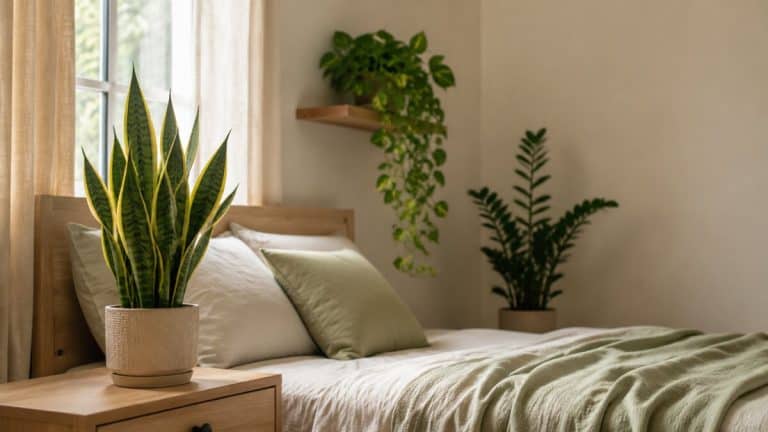
6. Snake Plant (Sansevieria trifasciata)
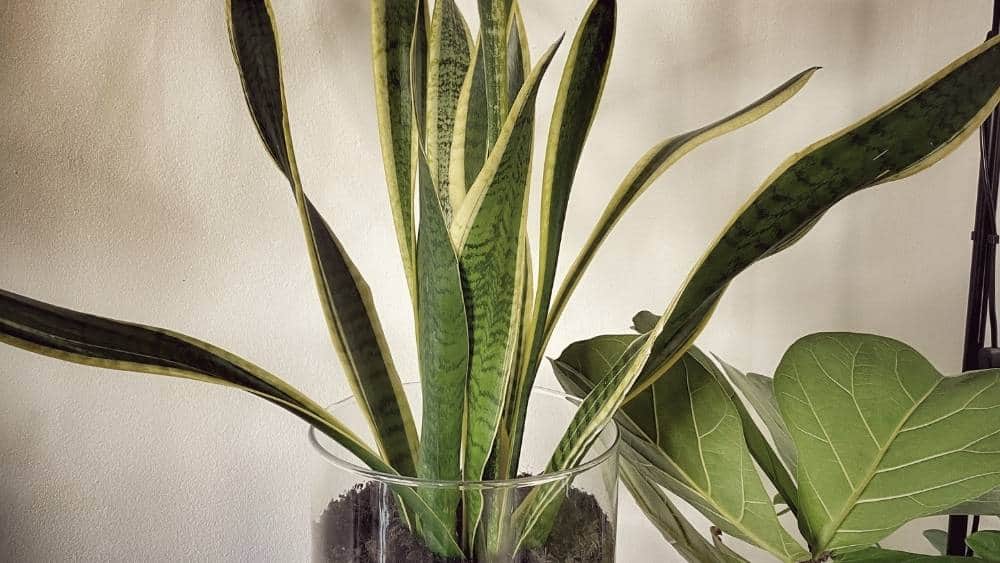
The Snake Plant is the one I recommend first to anyone with a truly dark room. Its stiff, upright leaves keep their bold shape and colour even several feet from a window, and it is almost impossible to kill. If you have a shady hallway or a north-facing corner where nothing else will grow, this is your plant.
Why It Thrives in Low Light
Snake Plants evolved in dry, shaded spots in West Africa, so they are built to cope with low light and long gaps between watering. That makes them ideal for:
- north-facing rooms
- dim hallways and bedrooms
- spots 3-10 feet away from a window
- offices with only soft, indirect light
Growth slows right down in low light, but the plant stays firm, green, and healthy for years.
Care Tips
- Light: Low to bright indirect (handles all of it)
- Water: Every 2-3 weeks, and let the soil dry out completely
- Soil: Free-draining cactus or succulent mix
- Tip: Overwatering is the only real danger, so when in doubt, wait
7. Peace Lily (Spathiphyllum)
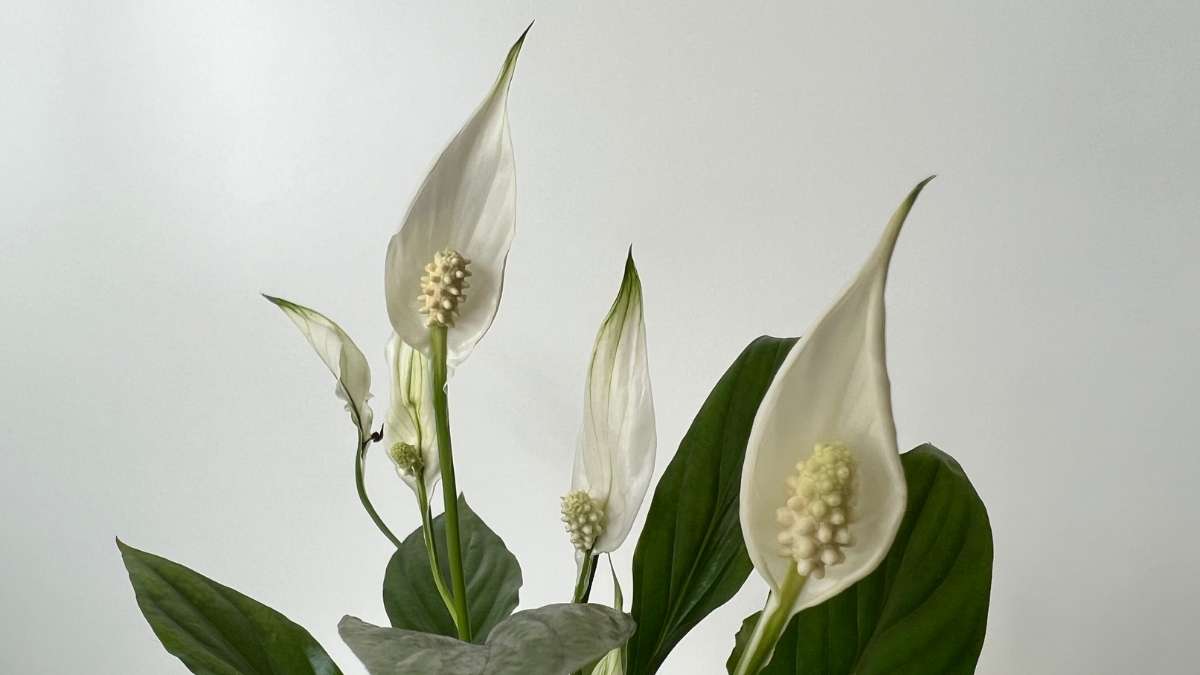
The Peace Lily is my favourite low-light plant for anyone who wants a little more than just green. It keeps its glossy, deep-green leaves in shade and, unlike most low-light plants, it will still push out elegant white flowers even away from a bright window. It is also wonderfully honest, drooping when thirsty and perking straight back up after a drink.
Why It Thrives in Low Light
Peace Lilies grow naturally on shaded tropical forest floors, so soft, indirect light suits them perfectly. They do well in:
- north-facing rooms
- bathrooms and bedrooms with a little natural light
- spots 3-10 feet away from a window
- softly lit corners
In deeper shade it may flower less, but the foliage stays lush and beautiful.
Care Tips
- Light: Low to medium indirect
- Water: Keep lightly moist; it will droop to tell you when it needs a drink
- Humidity: Loves moderate to high humidity
- Tip: Brown leaf tips usually mean tap-water minerals, so try filtered or rested water
8. Cast Iron Plant (Aspidistra elatior)
The Cast Iron Plant is exactly what its name promises: nearly indestructible. It was a favourite in dim Victorian parlours long before grow lights existed, and it still shines in the darkest, most awkward corners of a home. If you want broad, arching green leaves in a spot that gets almost no direct light, this old-fashioned classic is hard to beat.
Why It Thrives in Low Light
Aspidistra grows as ground cover beneath dense forest canopies, so it is completely at home in deep shade. It handles:
- north-facing rooms
- dark hallways and stairwells
- spots well beyond 10 feet from a window
- corners where nothing else survives
It is slow-growing, but it stays green and healthy with barely any attention.
Care Tips
- Light: Low to medium indirect (tolerates true shade)
- Water: Let the top 2 inches dry out; it hates soggy soil
- Soil: Any well-draining potting mix
- Tip: It resents being repotted, so leave it be and it will reward you
9. Aglaonema (Chinese Evergreen)

Aglaonema is one of the most reliable and beautiful plants for low light, making it a perfect choice for dim corners, bedrooms, offices, and north-facing rooms. With its lush, broad leaves and incredible variety of patterns, Aglaonema adds color and texture even when sunlight is limited.
Why It Thrives in Low Light
Aglaonema naturally grows in shaded forest floors, which means it performs exceptionally well in:
- north-facing rooms
- gentle morning light
- 3-10 feet away from a window
- cozy corners with soft, indirect brightness
Dark-green varieties love low light the most, while highly variegated or red varieties prefer medium light. All of them, however, adapt beautifully.
Care Tips
- Light: Low to medium indirect
- Water: Keep soil lightly moist, but allow the top inch to dry
- Humidity: Appreciates moderate humidity
- Tip: Yellowing leaves usually mean overwatering
More Care Information
👉 Aglaonema Plant Care - All You Need To Know
10. Ficus Alii (Ficus maclellandii)
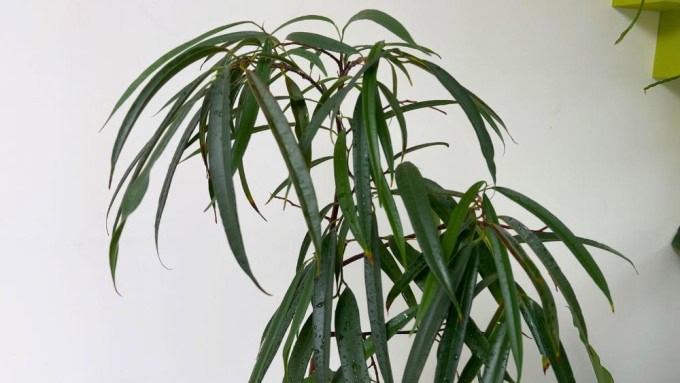
Ficus Alii is a tall, graceful indoor tree with long, narrow leaves that bring a soft, elegant shape to any room. Many people assume all ficus trees need bright light, but Ficus Alii is far more adaptable than its relatives. In my own home, it has been growing a few feet away from a north-facing window, proving that this plant can adjust beautifully to softer light when conditions are stable.
Why It Thrives in Lower Light
Unlike Ficus elastica or Fiddle Leaf Fig, Ficus Alii handles lower light more gracefully thanks to its thinner leaves and flexible growth habits. It performs well in:
- north-facing living rooms
- softly lit corners
- spaces 3-10 feet from a window
- rooms with consistent, indirect daylight
You may see slightly slower growth and narrower leaves compared to a bright room, but the plant stays healthy, sturdy, and visually stunning.
Care Tips
- Light: Medium to low indirect
- Water: Let the top 2 inches dry out
- Humidity: Average room humidity is enough
- Tip: Avoid cold drafts - Ficus Alii reacts quickly to temperature changes
More Ficus Alii Help
👉 Ficus Alii Care: A Complete Guide to the Banana Leaf Fig
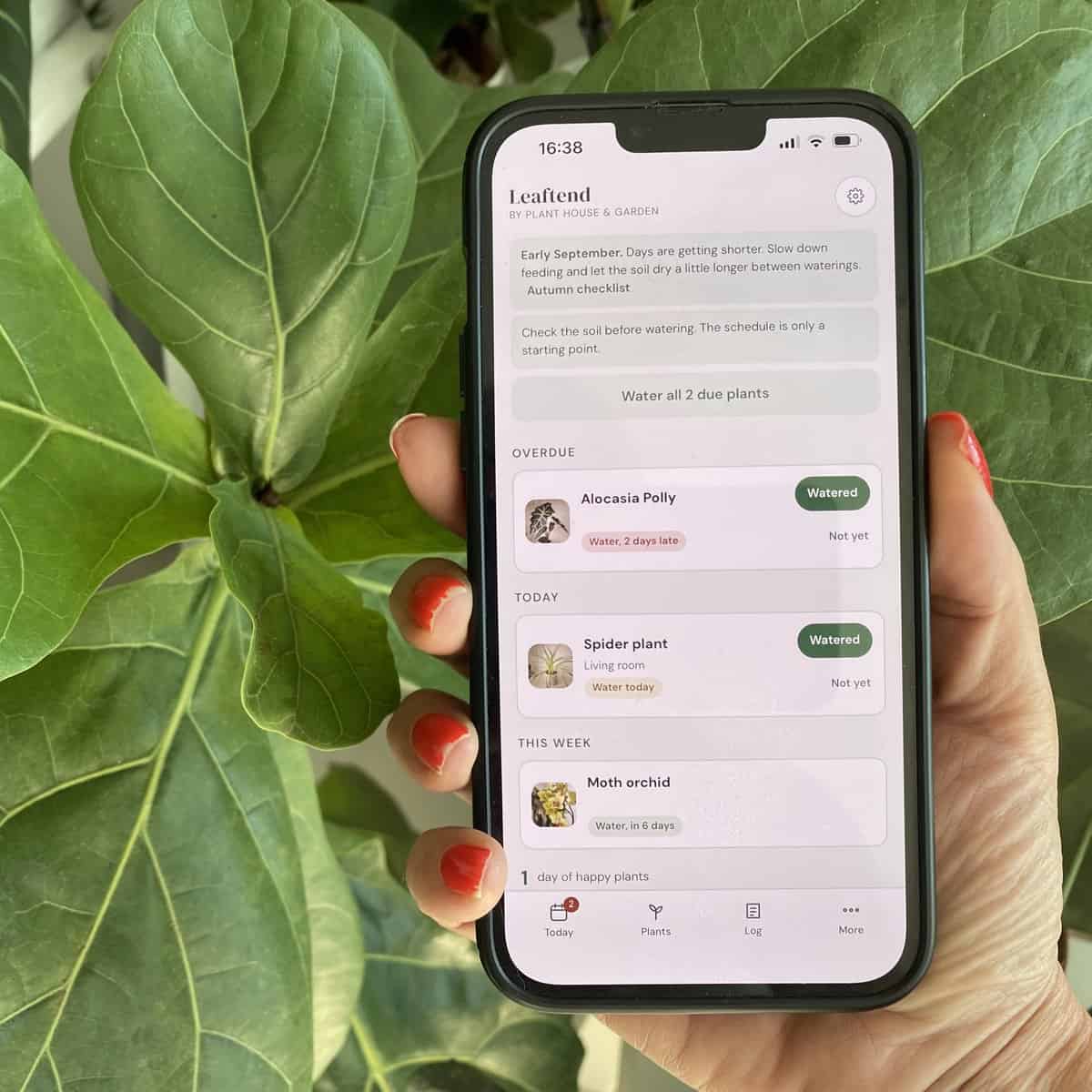
New to houseplants? Start with our houseplant care for beginners guide. And because low-light plants are easy to overwater, my Plant Care Journal helps you track watering so they stay healthy in dim spots.
Frequently Asked Questions
What are the best indoor plants for low light?
Some of the most reliable low-light houseplants are pothos, heartleaf philodendron, ZZ plant, dracaena, snake plant, and peace lily. They tolerate dim corners and irregular watering far better than most plants. Even in low light, give them the brightest spot available and they will stay healthy with minimal fuss.
Can plants really survive with no natural light?
Most houseplants need at least some light to survive, even if it is indirect or low. Tough plants like the ZZ plant and pothos cope with very dim rooms, but no green plant grows in total darkness. If a room has no natural light, a simple grow light makes a big difference.
How do I care for plants in low light?
In low light, water less often, since plants use water more slowly and the soil stays wet longer. Avoid overwatering, dust the leaves so they can absorb what light there is, and rotate the plant occasionally. Feeding can also be lighter than for plants in bright spots.
Do low-light plants grow more slowly?
Yes, plants in low light usually grow more slowly and may become a little leggy as they reach for light. This is normal and not a sign of poor health. To keep growth compact, give them the brightest indirect spot you have or add a grow light.
Which low-light plant is best for beginners?
The ZZ plant and pothos are ideal for beginners in low light. Both are very forgiving, tolerate missed waterings, and bounce back easily. Start with one of these and you will quickly get the hang of low-light plant care.
Conclusion
Choosing the best indoor plants for low light doesn’t have to be difficult - you simply need species that naturally tolerate shade and adapt well to softer light levels. These ten plants are the exact ones I grow successfully in north-facing rooms, several feet away from the window. With the right watering habits and a bit of consistency, each of them can stay healthy, vibrant, and beautiful even in dim spaces where most plants struggle.
If you want to explore more indoor plant care topics or deepen your knowledge, the articles below will help you continue your plant journey.
Articles You May Like
- Houseplants Watering Tips - 5 Mistakes to Avoid: How, When & How Much to Water.
- Pet-Friendly Houseplants: Toxic vs. Non-Toxic Plants - Which Are Safe?
- Winter Houseplant Care Mistakes: 5 Things You Should Never Do
- Humidity and Temperature for Houseplants
- Can Plants Feel Vibrations? Understanding Plant Bioacoustics

Click here to watch the video on YouTube


Written by Bojana
Plant lover, grower, and music maker behind Plant House & Garden, with 35+ years of hands-on houseplant experience. Read more about Bojana →