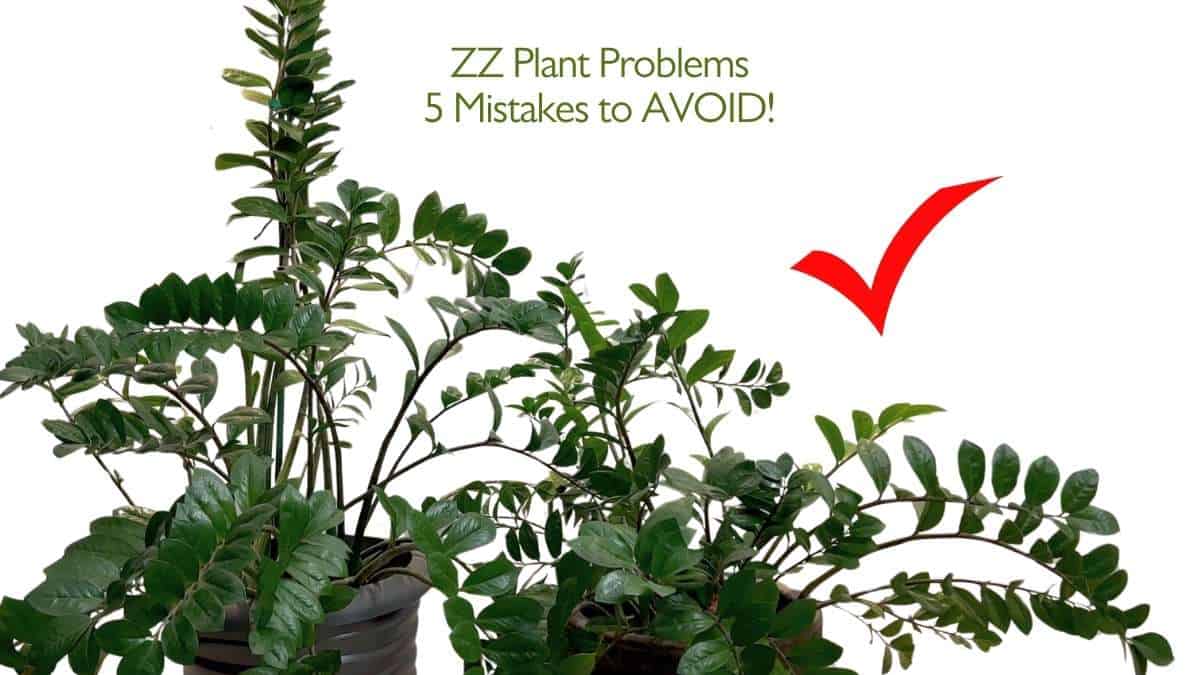
ZZ Plant Problems: 5 Common Mistakes and How to Fix Them
Struggling with ZZ plant problems and not sure what’s holding your Zamioculcas back from perfection? You’re not alone, many plant parents unknowingly make the same five costly mistakes. From hidden watering traps to lighting blunders, this guide uncovers the exact errors that stunt your ZZ’s growth and shows you how to fix them, plus insider hacks for rock‑solid leaves and rapid, fuss‑free vigor. Ready to transform your ZZ into a glossy, upright showpiece? Read on!
For a visual walkthrough and more in‑depth tips, I suggest you watch my video below:

Click here to watch the video on YouTube
| Problem | Likely cause | Fix |
|---|---|---|
| Yellowing leaves | Overwatering and soggy soil | Let the soil dry fully, then water sparingly; check drainage |
| Brown leaf tips | Underwatering or very dry air | Water a little more often and avoid hot, dry spots |
| Mushy stems or rhizomes | Root or rhizome rot from wet soil | Unpot, cut away rot, repot in a dry, free-draining mix |
| Leggy, stretched growth | Too little light | Move to a brighter spot with indirect light |
| Weak growth after feeding | Overfertilizing and salt buildup | Feed lightly only in spring and summer, then flush the soil |
Overwatering: Leading Cause of ZZ Plant Problems
Despite their reputation for drought tolerance, ZZ plants suffer terribly when overwatered. Their potato‑like rhizomes store moisture, so soggy soil quickly leads to yellow leaves, mushy stems, and root rot. To prevent these ZZ plant problems, always let the top two to three inches of soil dry out almost completely before watering. I water mine about once every three weeks, but your schedule may differ based on temperature, light, and pot size. Remember, it’s far safer to underwater than to drench - your ZZ will thank you with steady, healthy growth.
Light Extremes: Avoiding ZZ Plant Problems from Insufficient or Excessive Sun
ZZ plants tolerate low light but truly thrive in medium, indirect illumination. Too little light causes leggy stems and sparse leaves; too much direct sun scorches foliage, creating unsightly brown patches. Position your ZZ near a north or east‑facing window, out of harsh afternoon rays. If natural light is limited, consider using a grow light. Signs of light‑related ZZ plant problems include pale leaves (too bright) or elongated growth (too dim), so adjust placement accordingly.

Soil and Pot Choice: Preventing ZZ Plant Problems with the Right Mix
Heavy, compacted soils and oversized pots are a recipe for disaster. ZZ plant problems like root rot and gnats flourish in moisture‑retentive mixes. Instead, use a fast‑draining cactus or succulent mix, or blend potting soil with perlite or coarse sand. When repotting, choose a container just one to two inches larger in diameter, this encourages leaf growth rather than an overdeveloped root mass and keeps moisture levels in check.
Repotting Missteps: Handling ZZ Rhizomes with Care
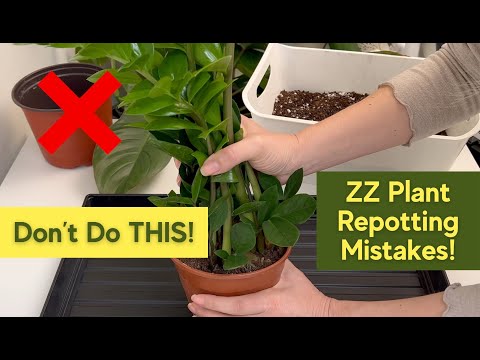
ZZ plant problems often arise when repotting damage injures delicate rhizomes. These underground stems should sit just beneath the soil surface. To repot safely, gently ease the root ball from its pot, cutting away the container if needed, then transfer to fresh mix without burying rhizomes too deeply. Repot only every two years or when roots clearly fill the pot. A snug but not restrictive home is best for your Zamioculcas.
For an in‑depth, step‑by‑step walkthrough on repotting, check out my article “ZZ Plant Repotting - How to Repot Your Zamioculcas or watch the video below for visuals:
Click here to watch the video on YouTube
Overfertilizing: ZZ Plant Problems from Salt Buildup
Because ZZ plants grow slowly, they require minimal feeding. Overfertilizing leads to root burn and salt accumulation, contributing to common ZZ plant problems like brown leaf tips and slowed growth. Use a diluted liquid fertilizer no more than once monthly during the spring and summer, and skip feeding entirely in winter. For an all‑natural boost, try my DIY Organic Fertilizer Recipe for Houseplants, which promotes healthy foliage without harsh chemicals.
Extra Tips to Prevent ZZ Plant Problems
Tip 1: Keep Your Leaves Spotless with Homemade Leaf Shine
Dust and grime not only dull your ZZ’s glossy foliage but also block light and reduce photosynthesis. To restore that signature shine, gently wipe each leaf with a soft, damp cloth or for an even glossier finish, try my Homemade Leaf Shine Recipe. This simple, natural solution cleans away residue, enhances light absorption, and helps deter pests without harsh chemicals.
Tip 2: Rotate for Even, Balanced Growth
ZZ plants will lean toward their light source over time, resulting in uneven, lopsided growth. To keep your plant symmetrical and robust, make it a habit to rotate the pot 90° every time you water. This ensures all sides of the plant receive equal light exposure, encouraging uniform stem development and a fuller canopy.
If you’d like a complete ZZ plant care resource, don’t miss “The Complete Guide to ZZ Plant Care,” which covers everything from propagation to pest prevention.
Because ZZ plants are so easy to overwater out of habit, it helps to track it. My Plant Care Journal lets you log each watering, so you can give this tough plant the long dry spells it actually prefers.
Frequently Asked Questions
Why are my ZZ plant leaves turning yellow?
Yellow leaves on a ZZ plant almost always mean overwatering. The plant stores water in its rhizomes, so wet soil quickly leads to rot and yellowing. Let the soil dry out completely, water much less often, and make sure the pot drains freely to fix it.
How often should I water a ZZ plant?
Water a ZZ plant only when the soil is dry all the way through, often every two to three weeks or less. It tolerates drought far better than overwatering. When in doubt, wait, since a ZZ plant copes much better with being too dry than too wet.
Can a ZZ plant recover from root rot?
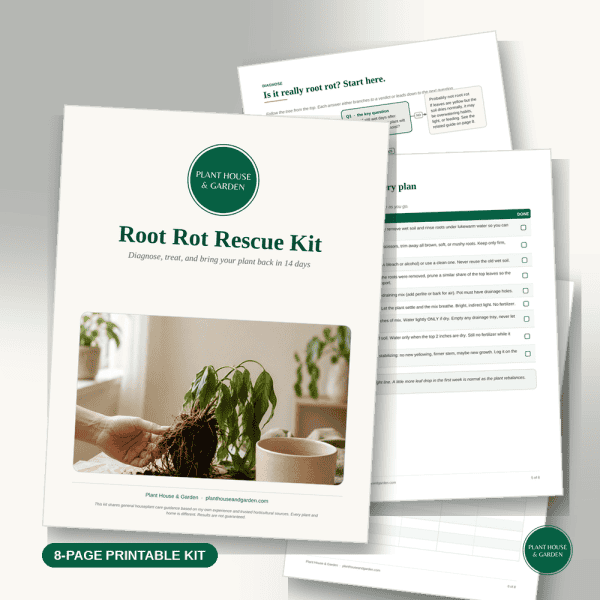
Yes, if you catch it early. Unpot the plant, trim away any soft, brown rhizomes and roots, and let the cuts dry. Repot into fresh, free-draining soil and water sparingly. Firm, healthy rhizomes will usually push out new growth once the rot is removed.
Why is my ZZ plant not growing?
ZZ plants are naturally slow growers, especially in low light or during winter. If growth has stalled, give it brighter indirect light and feed lightly in the growing season. For more, see my guide on why your ZZ plant is not growing.
How much light does a ZZ plant need?
ZZ plants are famously tolerant of low light, but they grow best in bright, indirect light. Too little light causes slow, leggy growth, while harsh direct sun can scorch the leaves. A spot near a bright window, out of direct rays, keeps it looking its best.

Written by Bojana
Plant lover, grower, and music maker behind Plant House & Garden, with 35+ years of hands-on houseplant experience. Read more about Bojana →