Fiddle Leaf Fig Problems: 6 Mistakes to Avoid | Ficus Lyrata
Fiddle Leaf Fig problems can be frustrating for any plant lover. Fiddle Leaf Figs (Ficus lyrata) are among the most popular indoor plants, loved for their large, glossy leaves and striking presence. However, many plant lovers struggle to keep them healthy and thriving. If your Fiddle Leaf Fig is growing slowly, losing leaves, or showing brown spots, it might be making some of the common mistakes that cause Fiddle Leaf Fig problems and prevent it from flourishing.
I’ve cared for my own Fiddle Leaf Fig for years and experienced many ups and downs. Through trial and error, including propagating a new plant from a branch, I learned exactly what this beautiful plant needs to grow strong and healthy.
In this article, I’ll share the 6 most common Fiddle Leaf Fig problems and how you can avoid them to keep your plant thriving.
Before diving into these common Fiddle Leaf Fig problems, it helps to understand the basics of proper care. You can find the complete Fiddle Leaf Fig plant care guide here.
If you prefer a visual guide, you can also watch my detailed video below, where I cover these tips step-by-step for Fiddle Leaf Fig Problems.

Click here to watch the video on YouTube
| Problem | Fix |
|---|---|
| Pale, leggy, or dropping leaves | Move to bright light near a window, out of deep shade |
| Brown spots on leaves | Let the top inch of soil dry, water thoroughly but less often |
| Blisters or bumps (edema) | Water more evenly and improve airflow and light |
| Brown edges or leaf drop | Keep it warm, away from drafts, vents, and cold windows |
| Root rot or soggy soil | Use a chunky, well-draining mix and a pot with drainage |
| Weak growth or leaf burn | Feed lightly in spring and summer, never on dry soil |
1. Improper Light - A Common Fiddle Leaf Fig Problems
Fiddle Leaf Figs need plenty of bright, indirect light - ideally 6 to 8 hours a day. Too little light causes slow growth, small leaves, and leaf drop. Too much direct sun can scorch leaves, creating brown, crispy edges or spots.
The best spot is near a north or east-facing window. If you only have south or west-facing windows, place the plant a few feet away to avoid harsh sunlight. If natural light is limited, supplement with grow lights to provide enough brightness.
Tip: Rotate your plant regularly. Fiddle Leaf Figs grow toward light and will become lopsided without rotation.
2. Improper Watering
Watering on a fixed schedule can be risky. Overwatering and underwatering both cause serious Fiddle Leaf Fig Problems.
Overwatering suffocates roots, leading to root rot, yellowing leaves, and leaf drop.
Underwatering causes dry, crispy leaves and stunted growth.
The ideal approach is to let about half the soil dry out between waterings. Test moisture by inserting your finger a few inches into the soil, if it feels dry, it’s time to water.
Tip: Use a moisture meter if unsure. It’s safer to underwater than overwater because root rot is difficult to reverse.
If you want to learn how to water your houseplants the right way and avoid the most common mistakes, read my full article Houseplants Watering Tips - 5 Mistakes to Avoid: How, When & How Much to Water.
3. Edema Problems (Blisters on Leaves)
Sometimes you might notice small raised bumps or blister-like spots on leaves - this is edema. It happens when the plant absorbs more water than it can use, causing cells to swell and burst. A Common Fiddle Leaf Fig Problems
Edema often appears:
- When watering while the soil is still damp
- In environments with high humidity and poor air circulation
- In cooler temperatures
Though not a disease, edema signals an imbalance in watering or environment.
How to fix it:
- Let the soil dry out more between waterings
- Improve air circulation around the plant
- Reduce humidity slightly if it’s too high
Existing edema marks won’t disappear, but new leaves will grow healthy with proper care.
4. Temperature and Humidity Issues
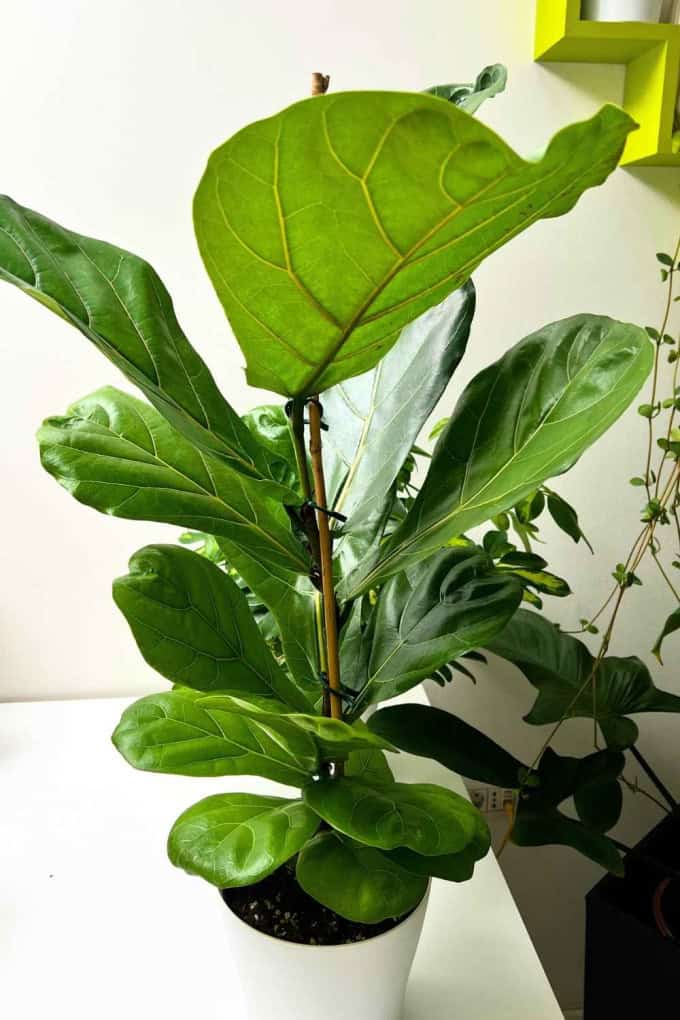
Fiddle Leaf Figs are tropical plants that prefer:
- Stable temperatures between 65°F and 80°F (18°C-27°C)
- Humidity levels around 40% to 60%
Avoid placing them near drafts, heaters, air conditioners, or cold windows. Sudden temperature changes can cause leaf drop and slow growth.
Dry air, especially in winter with indoor heating, causes brown, crispy leaf edges or curling leaves - Fiddle Leaf Fig Problems.
How to maintain ideal conditions:
- Keep the plant in a stable environment away from temperature fluctuations
- Use a humidifier or place a water tray with pebbles nearby to increase humidity
- Misting leaves can help temporarily but isn’t a long-term solution
5. Wrong Soil Mix and Pot - A Common Fiddle Leaf Fig Problems
The soil and pot choice are crucial for healthy roots.
Fiddle Leaf Figs need well-draining soil that retains some moisture but doesn’t stay soggy.
A pot with drainage holes is essential to prevent water buildup.
Avoid heavy, compacted soil or pots without drainage - both cause root problems. When repotting, choose a pot about 2 inches larger in diameter.
6. Improper Fertilizing
Fertilizer fuels healthy growth, but over or under-fertilizing causes problems.
No fertilizer means slow growth, pale or yellow leaves, and weakness.
Too much fertilizer can burn roots, causing brown leaf edges and leaf drop.
Fiddle Leaf Figs actively grow in spring and summer. Use a balanced liquid fertilizer diluted to half strength every 4 to 6 weeks during this period. Avoid fertilizing in fall and winter when growth slows.
If you suspect over-fertilizing, flush the soil with water to remove excess salts. Read more about homemade organic fertilizer.
Final Tip: Trimming Damaged Leaves - A Common Fiddle Leaf Fig Problems
Leaves with brown edges won’t recover, but trimming the damaged parts helps prevent further drying and improves the plant’s appearance.
If brown spots are your main concern, don’t miss this detailed guide on Fiddle Leaf Fig brown spots, where I explain the exact causes, treatments, and how to stop them from spreading.
Fiddle leaf figs hate inconsistency, so tracking their care really helps. My Plant Care Journal lets you log watering and light changes, so you can keep your ficus lyrata on the steady routine it needs.
Frequently Asked Questions
Why is my fiddle leaf fig dropping leaves?
Leaf drop is usually a sign of stress, most often from inconsistent watering, too little light, or a sudden change in location or temperature. Keep it in bright light, water only when the top inch of soil is dry, and avoid moving it around. Fiddle leaf figs dislike change and drafts.
Why does my fiddle leaf fig have brown spots?
Brown spots can come from overwatering and root rot, which spread from the center or base, from underwatering and dryness, which causes crispy edges, or from sun scorch. Check the soil moisture first, adjust your watering, and move it out of harsh direct sun if the spots are pale and dry.
How much light does a fiddle leaf fig need?
Fiddle leaf figs need plenty of bright, indirect light, ideally near a sunny window. Too little light causes weak, leggy growth and leaf drop. They can take some gentle direct sun once acclimated, but sudden harsh midday sun can scorch the large leaves.
How often should I water a fiddle leaf fig?
Water when the top inch or two of soil is dry, often about once a week, then let excess drain away fully. Both overwatering and letting it dry out completely cause problems. Consistency matters more than a fixed schedule, so check the soil before watering.
What are the blisters on my fiddle leaf fig leaves?
Small raised bumps or blisters are usually edema, which happens when the plant takes up more water than it can release, often from overwatering combined with low light or poor airflow. Water more evenly, give it brighter light and better air circulation, and new growth should come in clean.
Conclusion
By avoiding these six common mistakes, you’ll give your Fiddle Leaf Fig the best chance to grow big, strong, and healthy. Remember to provide the right light, water carefully, maintain stable temperature and humidity, use proper soil and pots, and fertilize correctly.
With patience and consistent care, your Ficus lyrata will thrive and become a stunning focal point in your home.
Prefer a quick recap?
If you want a fast, beginner-friendly overview of Fiddle Leaf Fig plant care, watch this short video with essential tips to keep your Ficus lyrata healthy and growing indoors.

Click here to watch the video on YouTube
Articles You May Like
- Dracaena Care Problems - 5 Mistakes to Avoid & How to Fix Them
- Anthurium Laceleaf Problems - 5 Mistakes to Avoid (Flamingo Flower)
- ZZ Plant Problems: 5 Common Mistakes and How to Fix Them

Written by Bojana
Plant lover, grower, and music maker behind Plant House & Garden, with 35+ years of hands-on houseplant experience. Read more about Bojana →