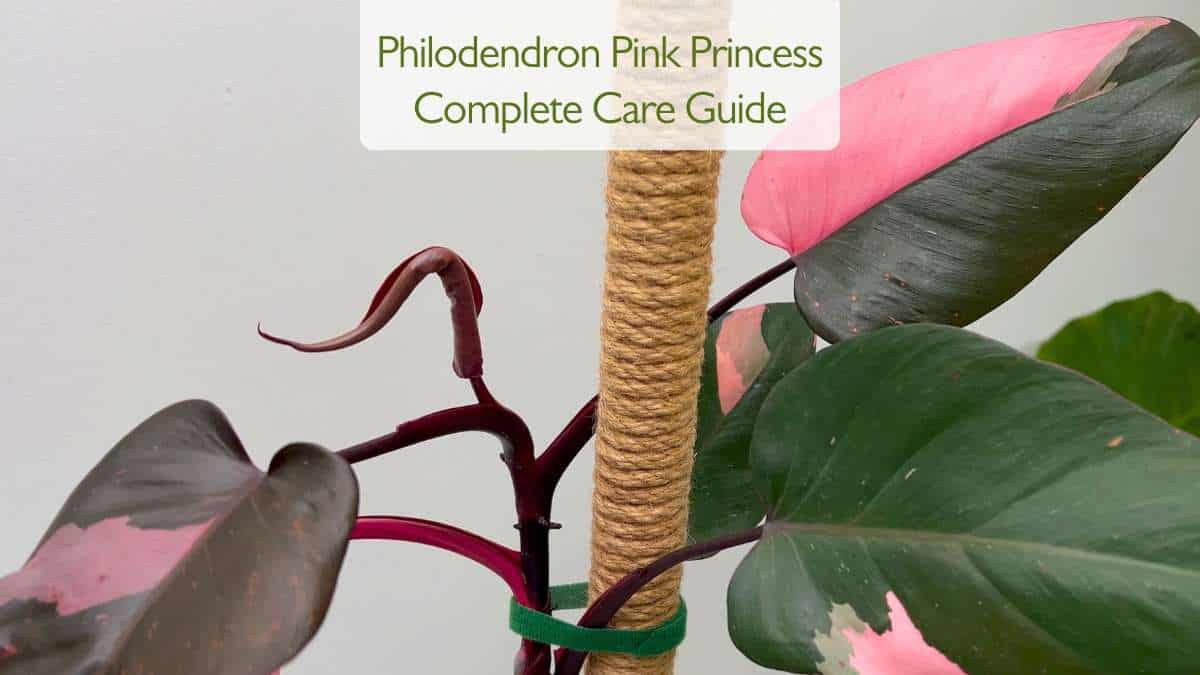
Philodendron Pink Princess Care - Complete Guide
Part of my complete Philodendron Care Guide: light, water, problems, every variety, and propagation in one place.
If you’re searching for the best and most complete tips on Philodendron Pink Princess care, you’re in the right place. In this guide, I’ll show you exactly how I care for my Pink Princess to keep it thriving, growing, and full of vibrant pink variegation. From lighting and watering to soil, support, and pest control, I’ll share everything I’ve learned so you can grow a healthy, beautiful plant too.
If you prefer visuals, here is my detailed video where I walk you through everything step-by-step (more detailed):

Click here to watch the video on YouTube
| Need | What the Pink Princess wants |
|---|---|
| Light | Bright indirect light (this is what drives the pink variegation) |
| Water | When the top inch of soil is dry, usually about weekly |
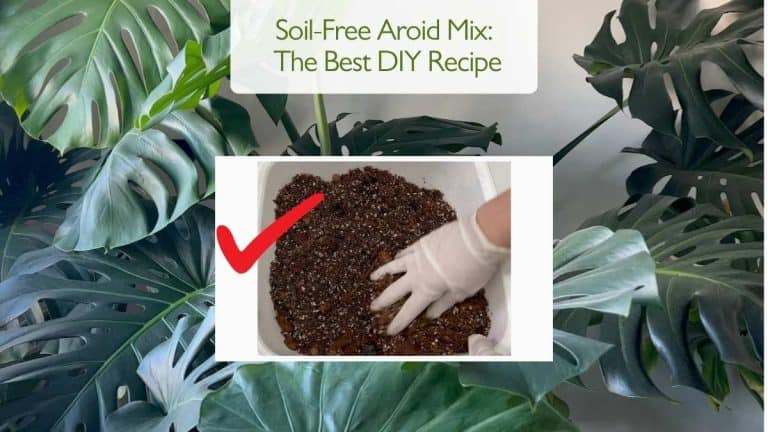
| Soil | Chunky, well-draining aroid mix |
| Humidity | 50 to 70 percent |
| Temperature | 65 to 80 F (18 to 27 C) |
| Feeding | Balanced fertilizer monthly in spring and summer |
| Toxicity | Toxic if eaten, keep away from pets and children |
How I Care for My Philodendron Pink Princess - Everything You Need to Know
The Pink Princess (PPP) is one of the most stunning philodendrons. But it can be a bit sensitive if its basic needs aren’t met. When I rescued mine, the leaves were dark, limp, and almost fully green. Today, it has strong stems, large pink variegation, and even produced a baby plant that I later propagated.
If your PPP is struggling, don’t miss my detailed troubleshooting article:
👉 Philodendron Pink Princess Problems: 5 Mistakes to Avoid
Light Requirements for Philodendron Pink Princess Care
Bright, indirect light is the most important factor for a healthy PPP and strong variegation. I keep mine near a northeast-facing window, where it gets soft morning sun but no harsh direct rays.
Here’s what I’ve learned:
- Too much direct sun → burns the pink areas easily
- Too little light → plant produces mostly green leaves
- Ideal brightness → keeps new leaves balanced, pink, and healthy
If your home is darker, I highly recommend adding a grow light. The plant thrives under artificial lighting when positioned correctly. Lighting plays a huge role in Philodendron Pink Princess care, especially if you want strong variegation.
For more lighting help, check my guide: Light Requirements for Houseplants: The Secret to Thriving Indoor Plants
How I Maintain Variegation on My Philodendron Pink Princess
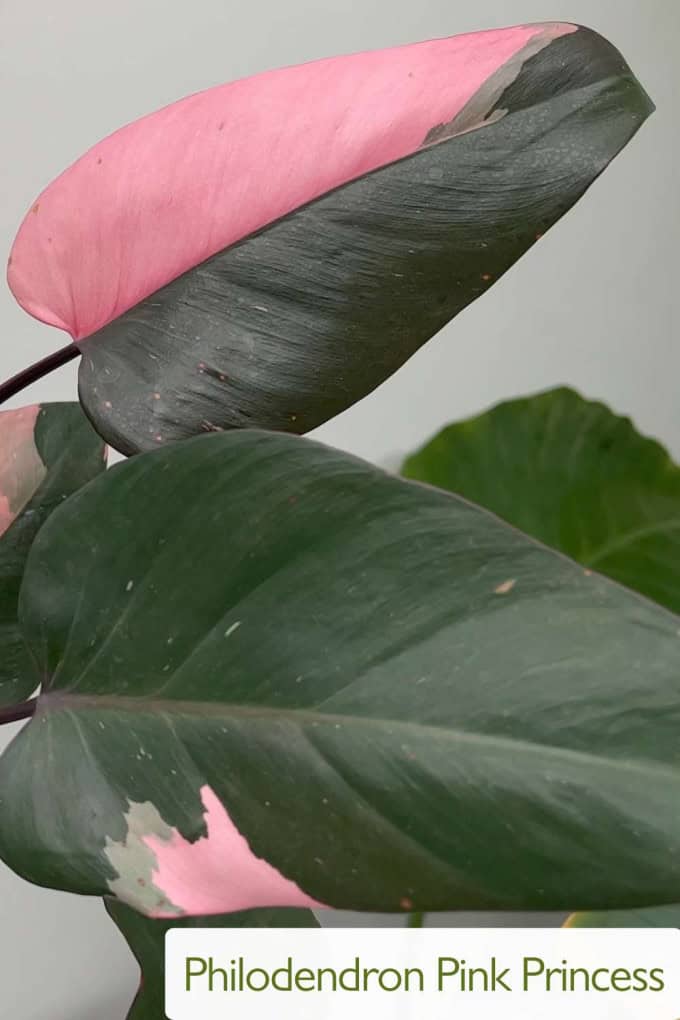
That famous pink variegation is what makes this plant so unique. Since the pink areas contain no chlorophyll, you must find a balance:
- Give bright but indirect light
- Avoid full shade
- Trim back stems that grow too green
- Let the plant climb for stronger leaves
I sometimes prune green-dominant stems to encourage better variegated growth. Each new leaf is different, and that unpredictability is part of the beauty of this plant. A big part of proper Philodendron Pink Princess care is maintaining balanced variegation.
If you want to propagate your most variegated stem, here is my full guide:
👉 How to Propagate Philodendron Pink Princess + Root Rot Rescue
Watering Tips for Philodendron Pink Princess Care
Watering is where most PPP owners make mistakes. This plant doesn’t like extremes - never bone dry and never wet for too long.
Here’s my routine:
- I water once a week on average, but always test the soil first
- If the top 2 inches are dry, it’s time to water
- I water thoroughly and allow full drainage
- I never let the pot sit in water
Indoor heating can dry the top soil faster during winter, making it look ready for watering while the bottom stays wet - so always check deeper. Watering is one of the most sensitive parts of Philodendron Pink Princess care.
⚠️ Read more about: Philodendron Pink Princess Problems: 5 Mistakes to Avoid
Repotting and Soil Mix for Philodendron Pink Princess Care
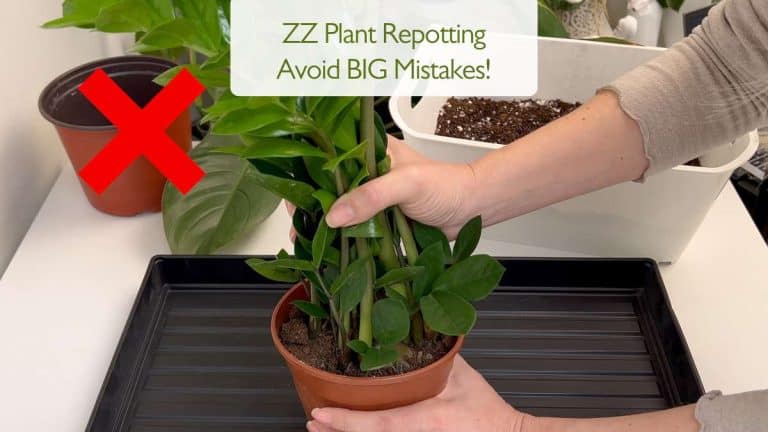
I repot every 1-2 years, or whenever roots start coming out of the drainage holes. PPPs don’t like big pots - slightly root-bound is perfectly fine.
Pot tips:
- Always use pots with drainage holes
- Size up only one step
- Refresh the soil mix
- Add a moss pole or stake for climbing
Climbing support increases leaf size, improves variegation, and makes the plant grow more symmetrically.
Fertilizing My Philodendron Pink Princess: What Works Best
During the growing season, I feed mine with a balanced liquid fertilizer for houseplants every 4 to 6 weeks, at half the recommended strength. This keeps the foliage healthy and the variegation vibrant.
I reduce feeding in fall and winter when the plant’s growth naturally slows. A good fertilizer schedule is another key aspect of Philodendron Pink Princess care.
Pests and Common Problems
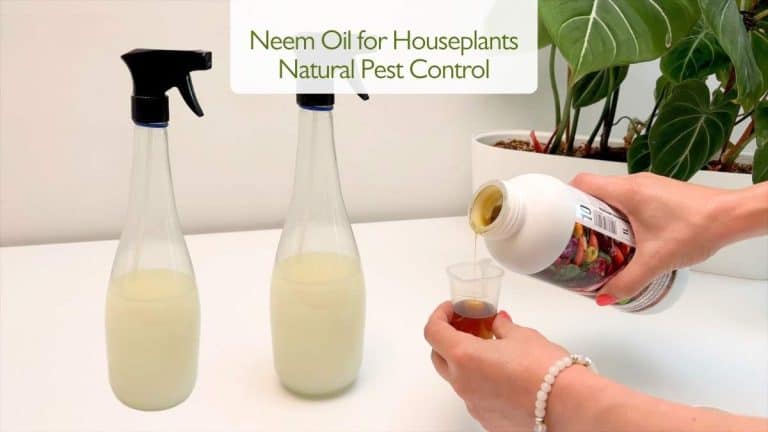
While my Pink Princess is quite resilient, I keep an eye out for spider mites, aphids, and mealybugs, especially under the leaves. If I spot pests, I treat with neem oil or insecticidal soap and isolate the plant until the issue clears.
Root rot is the most common problem, usually from overwatering or poor drainage. I make sure excess water drains well and soil dries properly between watering. Pest prevention should always be included in your Philodendron Pink Princess care routine.
If you suspect it, don’t wait - watch my video below:

Click here to watch the video on YouTube
Humidity & Temperature
Humidity and temperature play a huge role in Philodendron Pink Princess care, especially because the pink areas on the leaves are more delicate. This plant grows best when you keep the environment warm and slightly humid, similar to its natural tropical habitat. Providing the right humidity and stable temperatures will help maintain healthy growth and vibrant pink variegation.
- Ideal humidity: 50-70%
- Minimum humidity: 40% (below this, tips turn brown)
- Temperature: 65-80°F (18-27°C)
- Avoid cold drafts and sudden temperature drops
I keep mine in a room with higher humidity because the pink patches are more delicate and can dry out easily. A small humidifier or grouping plants together works great.
Toxicity Warning
Philodendron Pink Princess is toxic to pets and humans if ingested due to calcium oxalate crystals.
Keep it away from cats, dogs, and small children. Check my article: Pet-Friendly Houseplants: Toxic vs. Non-Toxic Plants - Which Are Safe?.
Final Thoughts
By following these Philodendron Pink Princess care tips, you will enjoy a thriving plant full of bold pink variegation and steady growth. This plant is sensitive, yes - but when you understand what it needs, it becomes one of the easiest aroids to love.
If you want to see all these steps in action, don’t miss my full video below:
Click here to watch the video on YouTube
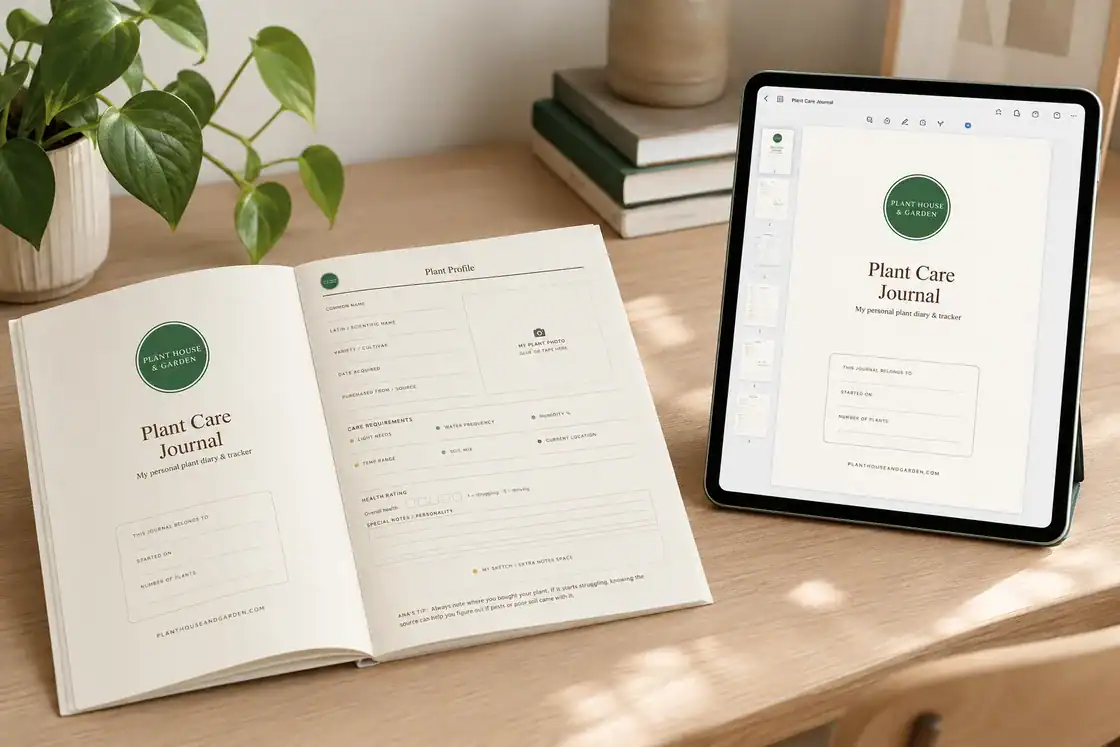
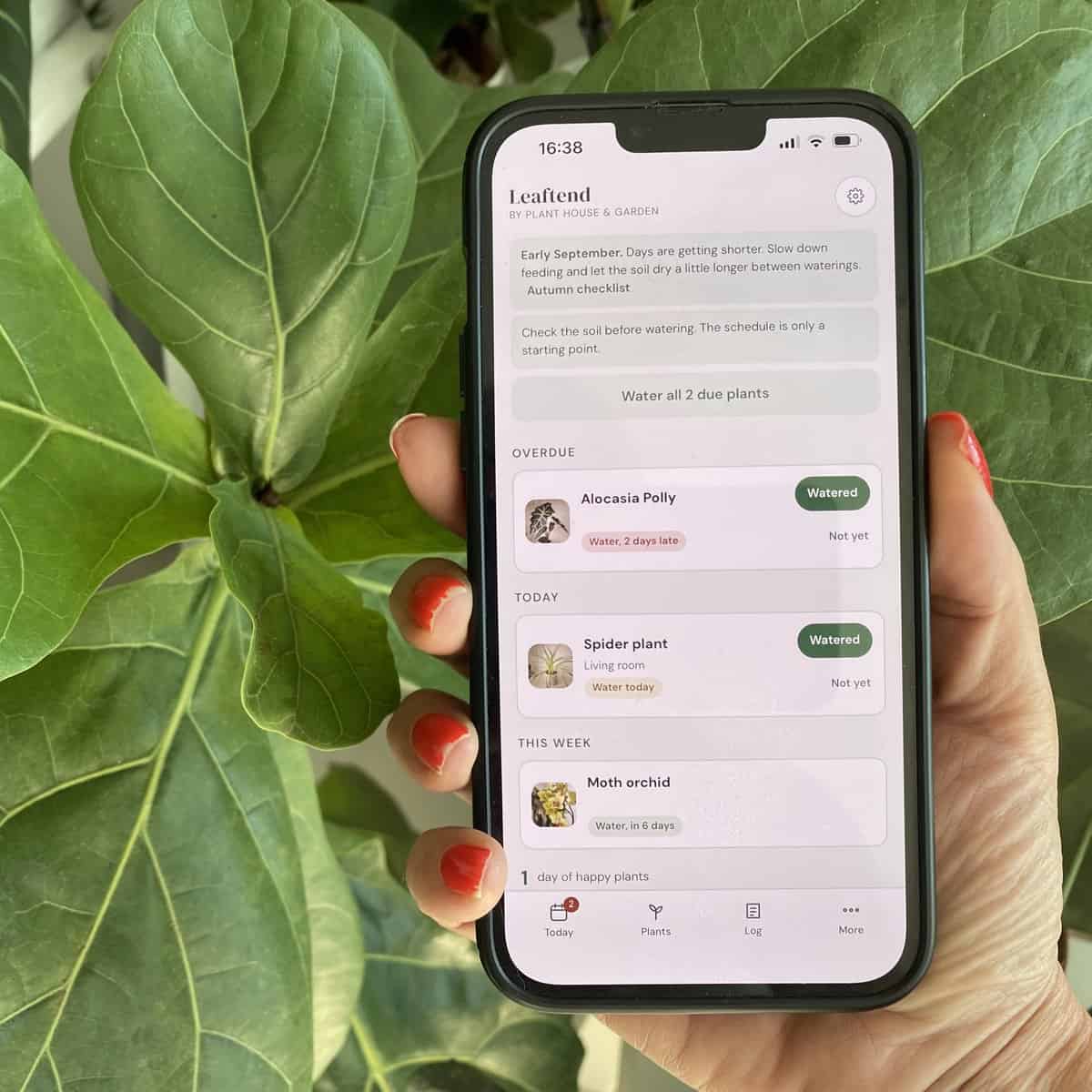
The Pink Princess can be fussy about consistent watering, so it helps to track it. My Plant Care Journal lets you log watering and feeding, so you can keep this pricey plant in the steady routine that keeps its pink leaves coming.
Frequently Asked Questions
Once your Pink Princess is thriving, take a look at my roundup of other rare pink houseplants and how to keep them pink.
How do I get more pink on my Philodendron Pink Princess?
Bright indirect light is the key to more pink variegation. Without enough light the plant produces mostly green leaves to photosynthesize. Give it the brightest indirect spot you have, prune back overly green growth to encourage variegated buds, and be patient, since each new leaf is a bit of a surprise.
Why is my Pink Princess losing its pink?
Reverting to green is usually a sign of too little light. The pink areas have no chlorophyll, so in low light the plant compensates with green leaves. Move it somewhere brighter and prune back to a node that had good variegation to encourage pinker new growth.
How often should I water a Philodendron Pink Princess?
Water when the top inch of soil feels dry, often about once a week in the growing season and less in winter. It likes steady moisture but hates sitting wet, so a chunky, well-draining mix and a pot with drainage are essential to avoid root rot.
Is the Philodendron Pink Princess toxic to pets?
Yes. Like other philodendrons it contains calcium oxalate crystals and is toxic if chewed or eaten, so keep it away from cats, dogs, and small children. If you want a pink, pet-safe plant instead, look at non-toxic alternatives.
Why does my Pink Princess have brown spots or crispy edges?
Brown spots often come from inconsistent watering, low humidity, or too much direct sun scorching the variegated areas, which are more delicate. Keep humidity around 50 to 70 percent, water before the soil fully dries out, and use bright indirect rather than harsh direct light.
Related Articles
- How to Propagate Philodendron Pink Princess + Root Rot Rescue
- Philodendron Pink Princess Problems: 5 Mistakes to Avoid
- My Philodendron Care Guides

Written by Bojana
Plant lover, grower, and music maker behind Plant House & Garden, with 35+ years of hands-on houseplant experience. Read more about Bojana →