Electroculture for Alocasia Amazonica: Amazing Growth Results After Just 2 Weeks
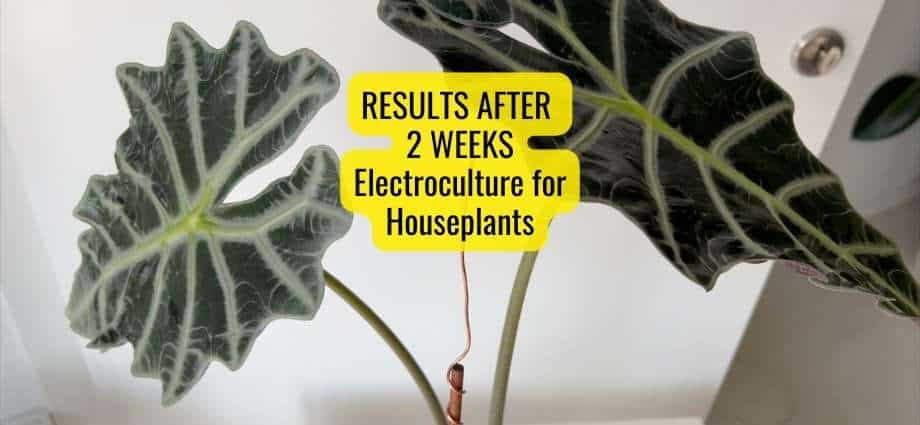
In this post, I want to share my personal experience using electroculture for Alocasia Amazonica, a tropical houseplant that typically grows slowly indoors. Building on my general work with electroculture for houseplants, this focused experiment demonstrates how tapping into atmospheric energy can dramatically boost growth and vitality - in this case, producing three new leaves in just two weeks.
If you’re curious about the broader method of electroculture and how to make your own atmospheric antenna, be sure to check out my detailed Electroculture for Houseplants guide, which includes step-by-step instructions and theory behind this sustainable technique.

Bring these frequencies to your plants
Plant House & Garden’s original Sound Therapy collection is calm companion music I made to play during everyday plant care. No cures, no claims, just a peaceful soundtrack for you and your plants.
Explore Plant Sound Therapy →| Claim | What the evidence shows |
|---|---|
| A copper antenna boosts plant growth | No rigorous, repeatable studies confirm a reliable effect |
| My plant grew 3 leaves in 2 weeks because of it | This is one anecdotal result; normal care also drives growth |
| It harnesses atmospheric energy | The proposed mechanism is not scientifically established |
| It is worth trying for fun | True, it is cheap, harmless, and an enjoyable experiment |
What Is Electroculture for Alocasia Amazonica?
Electroculture is an ancient, eco-friendly technique that harnesses the Earth’s natural atmospheric energy to stimulate plant growth without the need for fertilizers or pesticides. By using simple devices like atmospheric antennas, we can channel this energy directly to plants, improving their health, resilience, and growth rate.
Alocasia Amazonica is known for its striking foliage but usually shows slow growth indoors. In my experiment, I wanted to test if electroculture could accelerate its natural rhythm and encourage more vigorous leaf production.
Setting Up the Atmospheric Antenna for Alocasia Amazonica
For this experiment, Electroculture for Alocasia Amazonica, I created an atmospheric antenna by wrapping copper wire around a wooden dowel in a Fibonacci spiral pattern and oriented it towards magnetic north. This setup captures and directs atmospheric energy to the plant’s root zone.
If you want to create your own antenna, I recommend watching my video below or reading the step-by-step guide in my main electroculture article here.


Remarkable Growth: Three New Leaves in Two Weeks
Typically, Alocasia Amazonica produces leaves slowly, often one at a time, especially indoors. After just two weeks using electroculture, my plant surprised me by producing three new leaves simultaneously, a clear sign that the antenna energized its growth process.
This rapid development illustrates how electroculture can awaken even slow-growing houseplants, making it a valuable technique for any indoor gardener.
Watch the full progress and see the leaves emerge in my video below:

Why You Should Try Electroculture for Your Houseplants
Electroculture offers several benefits for indoor plants like Alocasia Amazonica:
Accelerated growth: Particularly beneficial for plants that tend to grow slowly indoors.nthusiast or just looking for innovative ways to care for your indoor plants, this technique is worth exploring. You can read more about electroculture here.
Reduced need for fertilizers: Plants can thrive by harnessing natural energy, decreasing chemical inputs.
Improved resilience: Healthier plants resist pests and diseases more effectively.
Boost Growth Further with Music for Plants
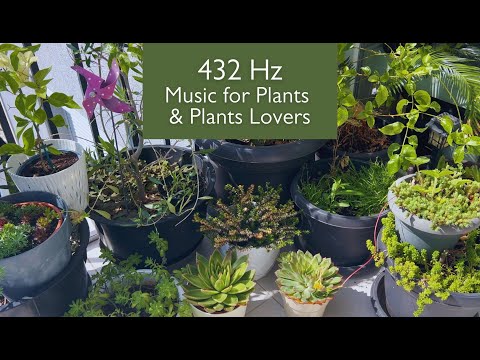
In addition to electroculture, I highly recommend incorporating music tuned to beneficial frequencies, such as 432 Hz, to support plant well-being. Scientific studies show that specific sound frequencies enhance photosynthesis, growth, and overall vitality.
I’ve curated a playlist called “Music for Plants,” tested on various plants with positive feedback from viewers. This music creates a calming, harmonious environment that helps your green companions thrive.
Check out the playlist and listen to viewer experiences in the comments on my YouTube channel linked below.
Conclusion
My electroculture experiment with Alocasia Amazonica proves how powerful natural atmospheric energy can be for accelerating indoor plant growth. Combined with plant-friendly music, these techniques offer sustainable, chemical-free ways to cultivate a thriving indoor garden.
Subscribe to my channel and follow along for more experiments, tips, and innovative plant care ideas. Together, let’s grow greener, healthier homes!
If you like running little experiments like this, it helps to record what you change and when. My Plant Care Journal makes it easy to track growth, so you can see what is really making a difference.
Frequently Asked Questions
Does electroculture really work for houseplants?
There is no solid scientific evidence that electroculture reliably boosts plant growth. Some gardeners, including me, see growth they like after setting up an antenna, but these are anecdotal results. Healthy growth could also come from good light, water, and seasonal timing.
Is electroculture scientifically proven?
No. Despite many enthusiastic videos and before-and-after photos online, electroculture has not been confirmed by rigorous, peer-reviewed research. It is best treated as an interesting, low-cost experiment rather than a proven gardening method.
How do I set up electroculture for a houseplant?
Most people wind copper wire into a coil or spiral on a wooden stake and place it in the pot, acting as a simple atmospheric antenna. It is cheap and harmless to try. Keep caring for your plant normally, since that is what reliably supports growth.
Is electroculture safe for my plants?
Yes. A copper coil on a stake does not harm your plant, so there is no risk in trying it. The main thing to remember is to keep up proper light, watering, and feeding, which are what truly keep your plant healthy.
Why did my Alocasia grow so fast in two weeks?
It may simply have been a good growing period with the right light, warmth, and watering, which Alocasias respond to quickly. The electroculture antenna may have coincided with that. Because this is a single example, it is impossible to say the antenna caused it.
Related Articles
- What Is Electroculture? Science, Benefits & Plant Growth Applications
- Electroculture for Houseplants: How to Make an Atmospheric Antenna
- Zeolite for Plants: What It Is and Why It Matters
- 440 Hz vs 432 Hz: What’s the Difference & Which Is Better?
And if you want the full picture on these dramatic beauties, my alocasia care guide brings together care, every variety, common problems, and propagation in one place.

Written by Bojana
Plant lover, grower, and music maker behind Plant House & Garden, with 35+ years of hands-on houseplant experience. Read more about Bojana →