Oxalis Triangularis Care Tips: How to Keep Your Purple Shamrock Thriving
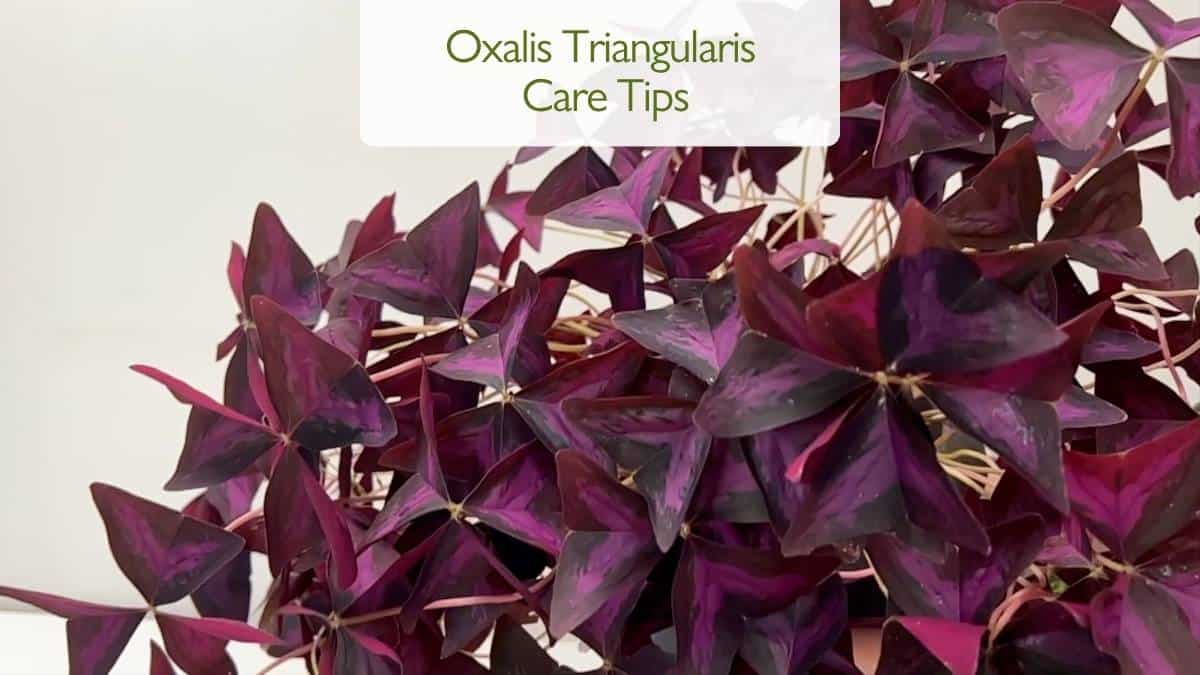
Oxalis Triangularis, often called the Purple Shamrock, is loved for its deep purple, triangular leaves and delicate pale blooms. Each morning, the leaves open with the light, then gently fold at dusk or under strong sun - creating a living display on any windowsill or patio. In this guide, I’ll share practical Oxalis Triangularis care tips based on my own experience. I brought mine home two years ago as a tiny plant, and watching it grow from just a few leaves into a cascading, flowering beauty has been incredibly rewarding.
Want to see these tips in action? Watch the video below for step-by-step visuals:

Click here to watch the video on YouTube
| Need | What it likes |
|---|---|
| Light | Bright, indirect light keeps the purple colour rich |
| Water | Keep lightly moist, let the top of the soil dry between waterings |
| Soil | Light, well-draining potting mix |
| Humidity | Average room humidity is fine |
| Temperature | Warm, around 15 to 24 C, no cold drafts |
| Dormancy | Dies back periodically, rest the bulbs, then growth returns |
| Toxicity | Mildly toxic to pets if eaten |
Oxalis Triangularis Care Tips: Appearance and Lighting
The striking appearance of Oxalis Triangularis comes from its deep‑purple foliage contrasted by clusters of white or light‑pink flowers. To maintain that vibrant look, place your plant where it receives bright, indirect light. Ideally, a south‑facing window offers two to three hours of gentle morning sun. If you notice leaves folding tightly during peak hours, move the pot back a foot or two to avoid scorching. I experimented with east and west windows, but only when I settled on the south exposure did new leaves appear weekly and flowers bloom consistently, without ever needing to replace a burnt leaflet.
Oxalis Triangularis Care Tips: Watering Guide
Keeping soil moisture balanced is critical. Water your Oxalis when the top two inches of soil feel just dry to the touch. During active growth, most plants benefit from one watering per week in medium‑sized pots; smaller pots or dry indoor air may require two. Overwatering leads to soft stems and yellowing leaves, while allowing the soil to dry completely causes crisp, drooping leaflets. In winter, when many Oxalis varieties enter dormancy, reduce watering significantly, sometimes pausing until you see new green shoots return in spring. In my warm, bright living room that remains above 70 °F year‑round, I water lightly through winter and never lose a leaf.
Signs of Underwatering vs. Overwatering
- Underwatered Oxalis droops sharply but perky up again after a light drink.
- Overwatered plants develop mushy stems and may develop mold on the soil surface if left too wet.
👉 You can also read my article on houseplant watering tips to learn how to avoid the #1 mistake most plant owners make.
Oxalis Triangularis Care Tips: Fertilizing for Healthy Growth

A regular feeding schedule encourages lush foliage and frequent blooms. As part of proper Oxalis Triangularis plant care, use a liquid fertilizer formulated for flowering plants at half strength every other watering during spring and summer. This routine keeps nutrient levels balanced without risking salt buildup in the soil. When daylight wanes in autumn and winter, scale back to once a month or suspend feeding entirely if your plant goes dormant, to give it a restful period. I switched to a bloom‑boost formula halfway through last season and noticed a 30 percent increase in the number of flower clusters on my plant.
Oxalis Triangularis or Purple Shamrock

Oxalis Triangularis Care Tips: Temperature and Humidity
This species thrives between 70 °F and 75 °F (21-24 °C). Cooler temperatures below 65 °F can trigger dormancy, causing leaf drop. If you grow outdoors in summer, bring your Oxalis indoors before nighttime temperatures dip. Oxalis Triangularis plant care is flexible when it comes to humidity, this plant adapts well to both dry and humid indoor conditions. In my high-humidity bathroom, it grew faster than downstairs in my arid study, but both environments produced healthy foliage without extra misting.
Oxalis Triangularis Care Tips: Maintenance and Repotting
To keep your Purple Shamrock looking its best, remove spent flowers and any yellow or damaged leaves as soon as you spot them. This gentle pruning promotes fresh growth and prevents fungus from taking hold. A monthly gentle shower clears dust from the leaves, helping them absorb light effectively. Every spring, repot into a container just two centimeters larger in diameter, using a well‑draining mix of potting soil and perlite. I’ve repotted mine twice in two years; each time it immediately began producing new shoots and a fuller canopy.
Oxalis Triangularis Care Tips: Pests and Diseases
Although generally resilient, Oxalis Triangularis can attract aphids, spider mites, or mealybugs. Inspect the undersides of leaves weekly and treat any infestation promptly with neem oil or insecticidal soap, isolating affected pots to protect other plants. Overwatering remains the most common culprit behind diseases: ensure your pot has good drainage, let the top inch of soil dry between waterings, and avoid overhead misting that leaves moisture on stems.
With these Oxalis Triangularis care tips, you’ll be equipped to nurture a vibrant Purple Shamrock that rewards you with its dynamic leaf movements and charming blooms. Have questions or your own tips? Share them in the comments below, and you can subscribe to my YouTube channel for more plant care wisdom. Happy gardening!
If you’re caring for many plants year-round, don’t miss this helpful guide, will help you also for Oxalis Triangularis care tips:
☀️ Summer Houseplant Care Tips - How to Beat the Heat
Discover how to help your plants thrive during high temperatures and avoid common summer mistakes.
Oxalis Triangularis Care Tips | How to Grow a Lush Purple Shamrock Video:
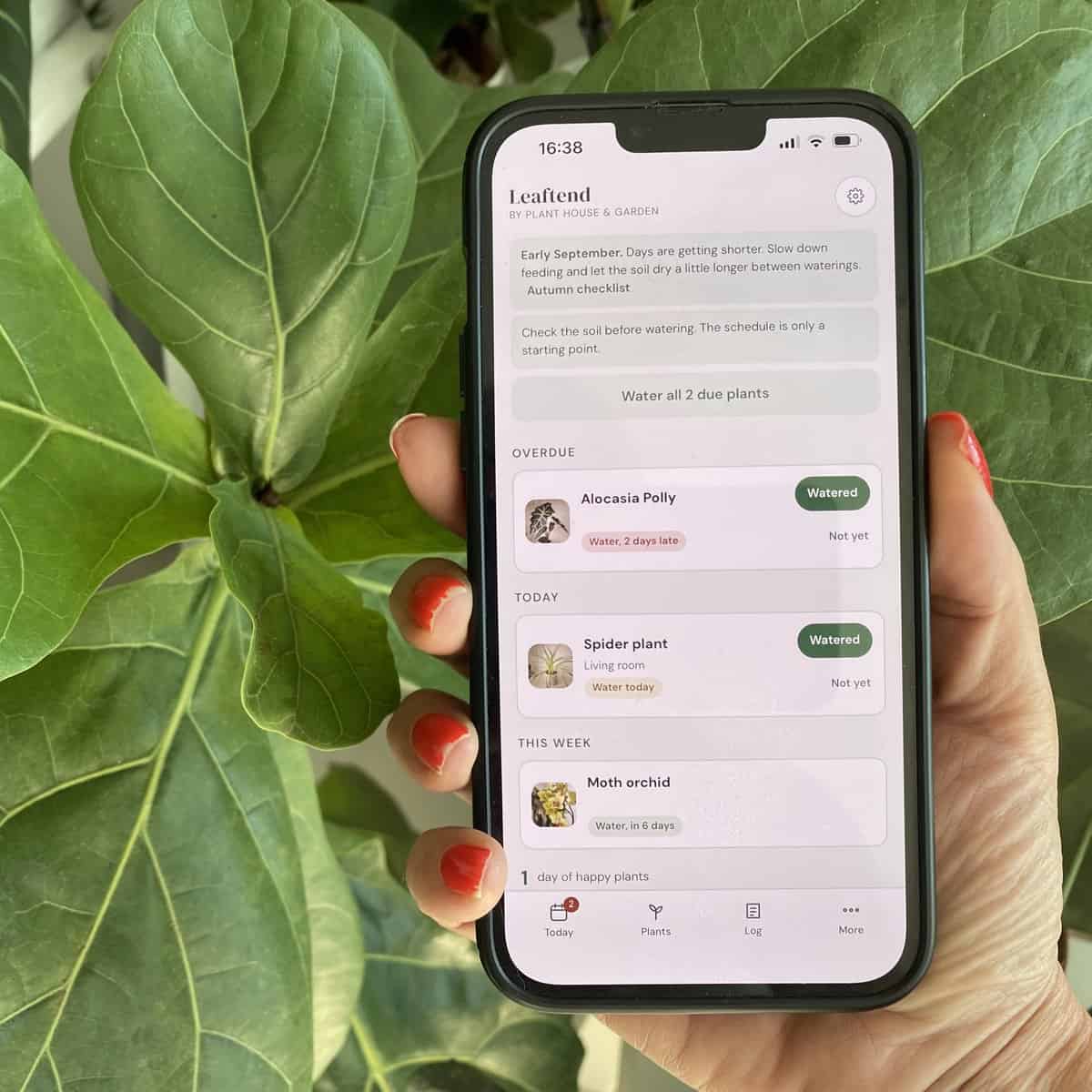
Oxalis is forgiving once you understand its rest periods. My Plant Care Journal helps you track watering and dormancy so you always know what your purple shamrock needs next.
Frequently Asked Questions
Why is my oxalis triangularis dying back?
Periodic dieback is completely normal for oxalis. After a flush of growth it naturally goes dormant, with leaves yellowing and dying off. Cut back watering, let the bulbs rest for a few weeks in a cool spot, and fresh leaves will soon appear.
How often should I water a purple shamrock?
Water when the top of the soil feels dry, keeping it lightly moist but never soggy. Oxalis grows from small bulbs that rot easily in wet soil, so it is better to let it dry slightly than to overwater.
Why is my oxalis losing its purple colour?
Faded or greenish leaves usually mean not enough light. Oxalis triangularis needs bright, indirect light to keep its deep purple colour. Move it somewhere brighter, but avoid harsh direct midday sun, which can scorch the delicate leaves.
Why does my oxalis close its leaves at night?
This is normal and healthy. Oxalis triangularis folds its leaves down in the evening and reopens them in the morning, a natural daily rhythm called nyctinasty. It is one of the things that makes this plant so charming to grow.
Is oxalis triangularis toxic to pets?
Yes, mildly. Oxalis contains oxalic acid and can cause stomach upset if pets eat a large amount. It is best kept out of reach of curious cats and dogs, though a curious nibble is rarely serious.

Written by Bojana
Plant lover, grower, and music maker behind Plant House & Garden, with 35+ years of hands-on houseplant experience. Read more about Bojana →