Cyclamen Plant Problems - 5 Mistakes to Avoid for Healthy Blooms
Cyclamen plant problems are more common than you might think, especially for indoor gardeners unfamiliar with this unique plant’s seasonal behavior and preferences. Known for their charming heart-shaped leaves and vibrant flowers in shades of pink, red, purple, or white, Cyclamen can bloom beautifully during the winter. But when something goes wrong, their leaves droop, flowers wilt, or the whole plant seems to collapse overnight.
In this article, we’ll uncover the top 5 mistakes people make with Cyclamen and how to avoid them. Whether your plant is wilting, turning yellow, or failing to bloom, these practical tips will help restore your Cyclamen’s health and keep it thriving.
Prefer visuals? Watch the full video below about cyclamen plant problems with explanations and real examples of each mistake.

Click here to watch the video on YouTube
| Problem | Likely cause | Fix |
|---|---|---|
| Drooping, soft leaves | Overwatering or a hot room | Water from below, let the top of the mix dry, move somewhere cool |
| Rotting crown or stems | Water sitting on the crown | Water from the base only, never splash the center |
| Yellowing leaves, no flowers | Too warm, or natural dormancy | Keep it cool; if leaves die back in summer, let it rest and dry |
| Mushy tuber | Soggy, poorly drained mix | Repot into a free-draining mix and water more sparingly |
| Stretched, pale growth | Too little light | Move to a bright spot with indirect light |
1. Overwatering - A Major Cyclamen Killer
One of the most frequent Cyclamen plant problems is overwatering. Cyclamen grow from a tuber (bulb-like structure), and if the soil stays too wet, that tuber can rot very quickly. The symptoms are subtle at first - yellowing leaves, soft stems, and eventually a mushy base.
Like cyclamen, the tuberous purple shamrock takes a natural rest, so do not panic when it dies back.
Why it happens: Many people assume Cyclamen needs frequent watering like other blooming houseplants. But during active growth, Cyclamen only needs moisture when the top 1-2 inches of soil feels dry. Constant moisture leads to fungal infections in the roots and tuber.
How to fix it: Water only when needed and ensure your pot has good drainage. Never let the plant sit in a saucer full of water. If rot has started, it may be too late to save the tuber, but removing affected parts and repotting in fresh, dry soil can sometimes help.
Another Problem Caused by Overwatering
Overwatering is the number one cause of cyclamen plant problems, especially when it comes to root rot and fungal infestations. While you might see adult gnats flying around your plants, the real problem lies below the surface - in the soil where larvae are feeding and multiplying. Simply killing the flying adults won’t solve the issue; you need a method that targets both the larvae and the adult insects to truly get rid of fungus gnats in houseplants permanently.
For a detailed, step-by-step guide, be sure to read my full article on how to get rid of fungus gnats in houseplants permanently, it includes natural solutions, exact ratios, and tips that work long-term.
2. Watering from Above - Leading to Crown Rot
A lesser-known but serious Cyclamen plant problems is crown rot, caused by watering directly onto the plant. Cyclamen has a central crown where leaves and flowers emerge. If water collects there, especially in cool temperatures, it can lead to fungal rot.
Symptoms: Leaves wilt and collapse at the base, and the plant shows no signs of recovery even when the soil seems fine.
Solution: Always water from the bottom. Place the pot in a shallow dish of water and let the roots absorb moisture for about 15-20 minutes. Afterward, remove the pot and let it drain. This method prevents water from pooling in the crown and mimics how the plant would absorb water in nature. This is very important to avoid Cyclamen Plant Problems with watering.
If you're unsure how often or how much to water your indoor plants, check out my detailed guide on Houseplants watering tips: How to water your plants the right way. It’s full of practical advice to help you avoid common watering mistakes that lead to issues like this.
3. Misunderstanding Dormancy - Thinking the Plant is Dying
One of the most misunderstood Cyclamen plant problems is when it goes into dormancy. Cyclamen has a natural life cycle, it actively grows and blooms in winter, then enters a resting phase in late spring or early summer. Many plant parents panic when leaves yellow and fall off, assuming the plant is dying.
What’s really happening: Your Cyclamen is going to sleep and that’s perfectly normal!
What to do: Reduce watering gradually as the leaves die back. Stop feeding the plant and place the pot in a cool, dry location away from light. Don’t throw it out! After a few months (usually in the fall), you’ll see new growth. Resume watering lightly and bring it back to a brighter location.
4. Keeping Cyclamen in a Warm Room - Cyclamen Plant Problems
Cyclamen originates from the Mediterranean region and prefers cool temperatures. Many indoor environments are too warm, especially in winter when heaters are running. This leads to shorter blooming periods, wilting leaves, and stressed plants - cyclamen plant problems.
Ideal temperature: Cyclamen thrives between 10-18°C (50-65°F). Warmer conditions cause blooms to fade quickly and leaves to droop.
Fix: Keep your Cyclamen in a cooler room, such as near a bright window without direct sunlight or in a slightly cooler hallway. Avoid placing it near heat vents, radiators, or appliances that give off warmth.
5. Using the Wrong Potting Mix - Poor Drainage is a Problem
Cyclamen is sensitive to poor soil drainage. A heavy or compacted mix can retain too much moisture, leading to root rot and fungal issues.
Best mix: Use a light, well-draining potting mix - one with peat moss, perlite, and coarse sand works well. You can also add a bit of orchid bark or pumice for extra aeration. Avoid typical garden soil or dense mixes that stay wet too long.
Tip: Repot your Cyclamen every year after dormancy using fresh, sterile potting mix. This helps prevent lingering fungal spores and gives your plant a healthy start for the new season.
Extra Tips to Prevent Cyclamen Plant Problems
- Deadhead regularly: Remove spent flowers and yellowing leaves by gently twisting and pulling them off at the base. This encourages new blooms and keeps the plant tidy.
- Avoid misting: High humidity is okay, but direct misting can lead to fungal issues.
- Good air circulation: Helps reduce moisture buildup and prevent mold or mildew.
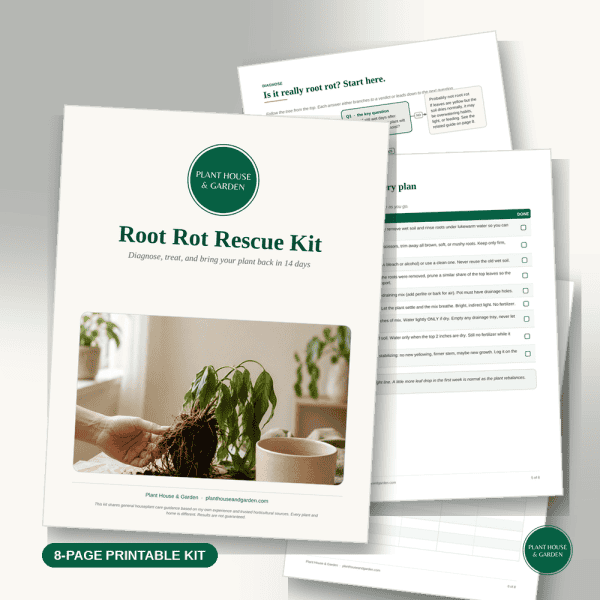
Cyclamen are fussy about watering and rest periods, so it helps to keep track. My Plant Care Journal lets you note when you watered and when your cyclamen goes dormant, so you can keep it on the cool, careful routine it loves.
Frequently Asked Questions
Why is my cyclamen drooping?
Drooping is usually a sign of overwatering or too much heat. Cyclamen are cool-loving plants that wilt when they sit in soggy soil or a warm room. Check that the mix is not waterlogged, water from below, and move the plant somewhere cooler and brighter to perk it back up.
How do I water a cyclamen correctly?
Water from below by standing the pot in a tray of water for about 15 to 20 minutes, then let it drain. This keeps water off the crown and tuber, which rot easily. Let the top of the soil dry slightly between waterings and never leave the plant standing in water.
Is my cyclamen dead or just dormant?
If the leaves yellow and die back in late spring or summer, the plant is most likely going dormant, not dying. Move it somewhere cool and dry, water very little, and it should resprout in autumn. A firm tuber means it is alive, while a soft, mushy one means rot.
What temperature does a cyclamen like?
Cyclamen prefer cool conditions, ideally around 10 to 18 C (50 to 65 F). Warm rooms make them droop, yellow, and stop flowering. A cool, bright spot away from radiators and heating vents keeps them happy and blooming for much longer.
Why won't my cyclamen flower?
Poor flowering usually comes from too much warmth, too little light, or skipping the dormant rest period. Keep the plant cool and bright, feed lightly while it is in active growth, and let it rest over summer. With a proper dormancy it should bloom again in the cooler months.
Prefer visuals?
Watch my full video on Cyclamen plant problems with visual examples and solutions here:

Written by Bojana
Plant lover, grower, and music maker behind Plant House & Garden, with 35+ years of hands-on houseplant experience. Read more about Bojana →