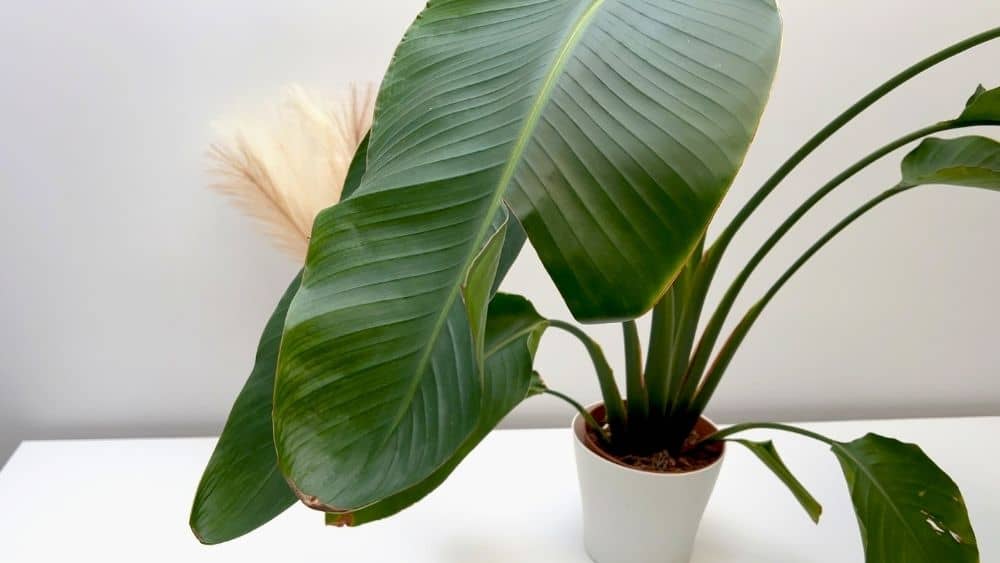
Strelitzia Nicolai Problems: 5 Mistakes to Avoid (Bird of Paradise Care Guide)
If you’re dealing with Strelitzia Nicolai problems like split leaves, brown edges, or slow growth, you’re not alone. The Bird of Paradise is known for its massive tropical leaves and strong presence, but even this powerful plant can quickly show signs of stress when its care conditions are not ideal.
Many plant owners assume Strelitzia Nicolai is just another easy houseplant. But in reality, small changes in light, watering, pot size, or environment can have a big impact on how the plant grows and develops. What makes this tricky is that the problems often appear slowly, and by the time you notice brown edges, damaged leaves, or stalled growth, the plant has already been under stress for weeks or even months.
In my case, one simple change led to several unexpected problems. My older Strelitzia started producing weaker leaves, brown edges, and slower growth, clear signs that something wasn’t right. The good news is that once I identified the causes and corrected the mistakes, the plant recovered and began producing strong, healthy new leaves again.
In this guide, I’ll explain the 5 most common Strelitzia Nicolai problems, what causes them, and exactly how to fix them, so your Bird of Paradise can grow strong, balanced, and healthy indoors.
If you prefer visuals, watch the video below to see real examples of Strelitzia Nicolai problems and how to fix them. You can also continue reading the full guide.

| Mistake | Sign | Fix |
|---|---|---|
| Not enough light | Slow, leggy growth | Bright light, some direct sun |
| Overwatering | Yellowing, mushy base | Let soil dry; improve drainage |
| Low humidity | Brown, crispy edges | Raise humidity; mist or use a tray |
| Wrong pot size | Stalled growth, tipping | Repot to the right size |
| Dirty leaves | Dull look, less growth | Wipe leaves to keep them clean |
Mistake #1: Not Enough Light
One of the most common causes of Strelitzia Nicolai problems is insufficient light. This plant naturally grows in very bright, open environments, and indoors it needs significantly more light than most regular houseplants. When Strelitzia Nicolai doesn’t receive enough light, it often responds with slower growth, smaller leaves, and weaker leaf structure.
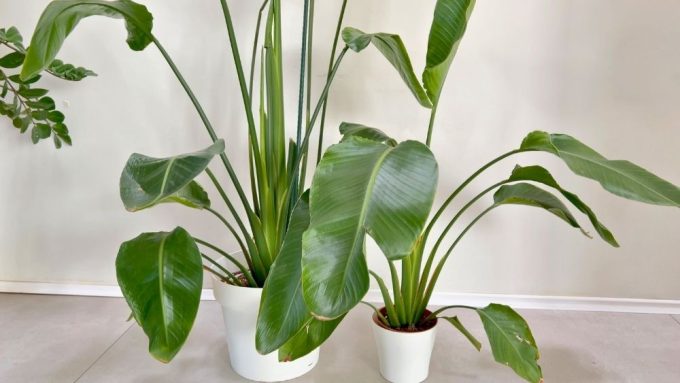
In my case, my older Strelitzia Nicolai was originally placed right next to a west-facing window, where it received strong bright light and several hours of direct sun each day. It grew fast, produced massive leaves, and looked very healthy.
However, once the plant became too tall and started reaching the ceiling, I moved it deeper into the room, almost 20 feet away from the window. Even though the room was still bright, the difference in light intensity was much greater than I expected.
At first, the plant didn’t show immediate problems. But over time, new leaves became weaker, more fragile, and more prone to splitting and damage. Growth slowed down, and the overall strength of the plant decreased.
This clearly showed how sensitive Strelitzia Nicolai is to light levels.
Signs of not enough light include:
• Smaller and weaker new leaves
• Slower or stalled growth
• Leaves splitting more easily
• Thin or fragile leaf structure
• Plant leaning toward the window
How to fix it
To prevent these Bird of Paradise problems, always place your Strelitzia Nicolai as close as possible to a very bright window. South, west, or east-facing windows work best. This plant can tolerate and benefit from several hours of direct sun, especially in indoor conditions.
If your plant is currently in a darker corner, move it gradually closer to the light source so it can adapt without stress. Also, rotate the plant at least once per month so all sides receive even light and the plant grows balanced and upright.
Providing enough light is one of the most important factors for maintaining strong, healthy growth and preventing many common Strelitzia Nicolai problems.
If your space doesn’t provide enough natural light, using a grow light can be a simple and effective solution. Many indoor plant owners rely on full-spectrum LED grow lights, especially during winter or in low-light rooms. Choosing the right lighting setup can help maintain healthy growth and strong foliage.
Mistake #2: Overwatering
Overwatering is one of the most frequent causes of Strelitzia Nicolai problems, especially when the plant’s light conditions change. While Strelitzia Nicolai prefers consistent moisture around the roots, the soil should never remain constantly wet. The top layers of soil should be allowed to dry slightly between waterings, while the deeper root zone still retains some moisture.
For years, I watered both of my Strelitzia plants only when the soil was almost dry, and they responded very well to this routine. However, after moving my older plant further away from the window into a slightly darker area, I continued watering it at the same frequency. What I didn’t realize at the time was that the plant was now using water much more slowly due to reduced light.
Very quickly, the plant showed clear signs of stress. A new leaf began turning brown even before it fully opened, and eventually the entire leaf dried out and had to be removed. This was a direct result of excess moisture around the roots.
Once I adjusted the watering schedule and allowed the soil to dry more between waterings, the plant began recovering. New leaves started opening stronger, healthier, and without the dry brown damage.
Signs of overwatering include:
• Yellowing leaves
• Soft or weak stems
• Slower or stalled growth
• New leaves turning brown before opening
• Soil staying wet for too long
How to fix it
To prevent these Strelitzia Nicolai problems, always adjust watering based on light conditions. Plants in brighter locations use water faster, while those in lower light need less frequent watering.
Before watering, check the soil with your finger. If the top 2 to 3 inches feel dry, it is safe to water. If the soil still feels moist, wait a few more days. Many plant owners use a moisture meter to understand when their plant actually needs water. This simple tool can help prevent root rot and improve overall plant care.
Proper watering balance helps protect the roots, supports healthy leaf development, and prevents many common Bird of Paradise problems indoors.
Mistake #3: Low Humidity
Low humidity is another common factor behind many Strelitzia Nicolai problems, especially during winter or in homes with dry indoor air. As a tropical plant, Strelitzia Nicolai naturally grows in environments with higher humidity, which helps support proper leaf development and overall plant strength.
While Strelitzia Nicolai is more tolerant than many other tropical houseplants, very dry air can still affect the quality of new leaves. When humidity levels are too low, leaves may develop brown edges, dry tips, or become more prone to splitting as they open. New leaves may also appear slightly damaged or less smooth compared to healthy growth in proper conditions.
In my own growing environment, humidity is generally stable, so this hasn’t been a major issue. However, this is a very common problem for many indoor growers, particularly during colder months when heating systems significantly reduce air moisture.
Signs of low humidity include:
• Brown leaf edges
• Dry tips on new leaves
• Leaves splitting more easily
• New leaves opening with damage
• Slower or uneven leaf development
How to fix it
If your indoor air is very dry, increasing humidity around the plant can improve leaf quality and overall growth. This can be done by placing the plant near other plants, using a humidifier, or positioning it in naturally more humid rooms. Many plant owners use humidifiers to create a more stable indoor environment, especially during winter when air becomes very dry. A good humidifier can help prevent dry leaf edges and support overall plant health. This is especially useful for tropical plants that prefer higher humidity levels.
I don’t recommend misting Strelitzia Nicolai, because misting provides only temporary moisture and can sometimes create conditions for leaf damage instead of helping the plant. If you want to understand this better, read my detailed guide here.
Even small improvements in humidity can help Strelitzia Nicolai produce stronger, healthier leaves and reduce visible stress over time.
Mistake #4: Wrong Pot Size
Choosing the wrong pot size is another common cause of Strelitzia Nicolai problems, and it often happens during repotting. While it may seem beneficial to give the plant a much larger pot to allow more space for growth, Strelitzia Nicolai actually prefers to be slightly root-bound. Moving it into a pot that is too large too quickly can create excess moisture around the roots, which increases the risk of root stress and slower growth.
When the pot is significantly larger than the root system, the soil tends to stay wet for longer periods. This reduces oxygen availability to the roots and can weaken the plant over time, even if the watering routine itself hasn’t changed.
In my case, my younger Strelitzia Nicolai has clearly outgrown its current pot. The roots are already coming out of the drainage holes, which is a clear sign that the plant needs more space. I intentionally waited until the end of winter to avoid unnecessary stress, but now it’s ready for repotting.
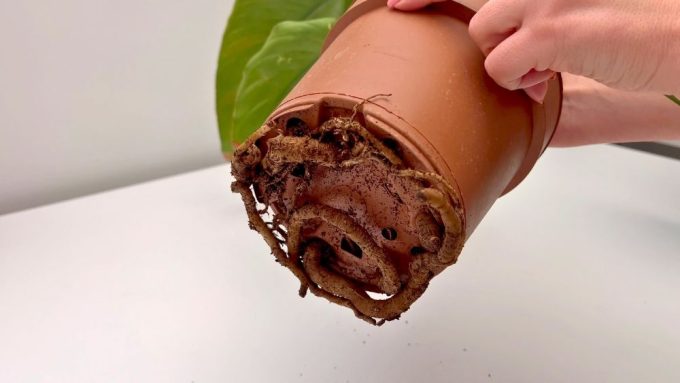
When repotting, I always check the root system first. If the roots have filled the pot completely, moving one or two sizes up is appropriate. If the root system is less developed, refreshing the soil in the same pot may be enough to provide new nutrients without increasing the pot size too much.
Signs of wrong pot size include:
• Roots growing out of drainage holes
• Soil drying out too quickly (pot too small)
• Soil staying wet too long (pot too large)
• Slower growth despite proper care
• Reduced overall plant stability
How to fix it
To prevent these Bird of Paradise problems, choose a pot that is only slightly larger than the current root system. Gradual increases in pot size allow the roots to expand naturally while maintaining proper moisture balance.
Correct pot sizing helps maintain healthy root conditions, supports stronger growth, and prevents many common Strelitzia Nicolai problems indoors.
If your plant has become root bound, it may be time to move it into a larger pot. You can read my complete guide on how to repot Strelitzia Nicolai safely here.
Mistake #5: Dirty Leaves
Dirty leaves are one of the most overlooked causes of Strelitzia Nicolai problems, especially for plants grown indoors. Because Strelitzia Nicolai has very large leaf surfaces, dust, indoor particles, and even kitchen grease can slowly accumulate over time. This layer may not always be obvious at first, but it can significantly affect how efficiently the plant absorbs light.
When leaves are covered with dust or buildup, their ability to perform photosynthesis decreases. As a result, growth may slow down, and the plant may gradually lose some of its strength and healthy appearance.
In my case, this became noticeable because my plant is positioned relatively close to the kitchen area. Over time, the leaves developed a slightly sticky layer that regular dusting didn’t fully remove. Once I started cleaning the leaves regularly, the plant looked healthier and was able to use light more effectively.
If you want your houseplants to look fresh, glossy, and healthy, read my full article Homemade Leaf Shine Recipe for Healthy Houseplants.
Signs of dirty leaves include:
• Dull or dusty leaf surface
• Sticky or slightly greasy texture
• Reduced natural shine
• Slower growth over time
• Leaves not responding well to available light
How to fix it
To prevent these Strelitzia Nicolai problems, clean the leaves regularly. The simplest method is to gently wipe the leaves with a soft, damp cloth once a month. If possible, occasionally showering the plant can also help remove accumulated dust.
For deeper cleaning, using a gentle homemade leaf-cleaning solution can help remove buildup and restore the natural shine of the leaves.
Clean leaves allow the plant to absorb light more efficiently, which supports stronger growth and healthier development over time.
Conclusion: How to Prevent Common Strelitzia Nicolai Problems
Most Strelitzia Nicolai problems are not caused by the plant itself, but by small care mistakes that gradually create stress over time. Light, watering, pot size, humidity, and leaf cleanliness all play a crucial role in maintaining healthy growth.
In my own experience, moving the plant further away from the window without adjusting watering was enough to trigger several problems, including brown edges, damaged new leaves, and slower growth. However, once I corrected the light conditions and adjusted the watering routine, the plant began recovering quickly and started producing strong, healthy new leaves again.
This shows how responsive Strelitzia Nicolai is to proper care. Even small adjustments can make a significant difference in how the plant grows and develops.
By providing bright light, balanced watering, proper pot size, stable humidity, and clean leaves, your Bird of Paradise can grow into a large, strong, and visually impressive indoor plant.
If you want a full visual explanation of these mistakes and how to fix them, watch the video guide above.

Quick summary of the 5 most common mistakes:
• Not enough light
• Overwatering
• Low humidity
• Wrong pot size
• Dirty leaves
Avoiding these mistakes will help prevent most common Strelitzia Nicolai problems and support long-term healthy growth.
If you’re growing Strelitzia Nicolai at home, observe how your plant responds to its environment. Small adjustments based on light and watering conditions can dramatically improve its health and appearance over time.
Frequently Asked Questions
Why does my Strelitzia Nicolai have brown tips?
Usually low humidity or inconsistent watering. Raise humidity, water steadily, and use filtered water if your tap is hard.
Why are my bird of paradise leaves splitting?
Some splitting is natural for Strelitzia, but excessive tearing often points to low humidity or physical stress. Keep humidity up and the plant out of high-traffic spots.
How much light does a Strelitzia Nicolai need?
Lots. Bright light with a few hours of direct sun keeps it growing, while too little light causes slow, leggy growth.
Why is my Strelitzia not growing?
Most often too little light, overwatering, or being root-bound. Give it bright light, let the soil dry between waterings, and repot if it is crowded.
Should I mist my bird of paradise?
Misting gives a short humidity boost, but a humidifier or pebble tray works better for the steady humidity Strelitzia prefers.
Want to keep your bird of paradise on track? My Plant Care Journal makes it easy to log watering, light, and new growth, so small problems are easier to catch early.
Related Articles
- Strelitzia Nicolai Repotting and the Mistakes to Avoid
- Houseplants Watering Tips - 5 Mistakes to Avoid: How, When & How Much to Water.
- Light Requirements for Houseplants: The Secret to Thriving Indoor Plants.
- Zeolite for Plants: What It Is and Why It Matters
- The Truth About Misting Houseplants: Should You Do It or Not?
- 70% Alcohol on Houseplants to Kill Pests? I Tested This Method - Here’s What Happened
- Spider Plant Problems: 5 Mistakes to Avoid

Written by Bojana
Plant lover, grower, and music maker behind Plant House & Garden, with 35+ years of hands-on houseplant experience. Read more about Bojana →