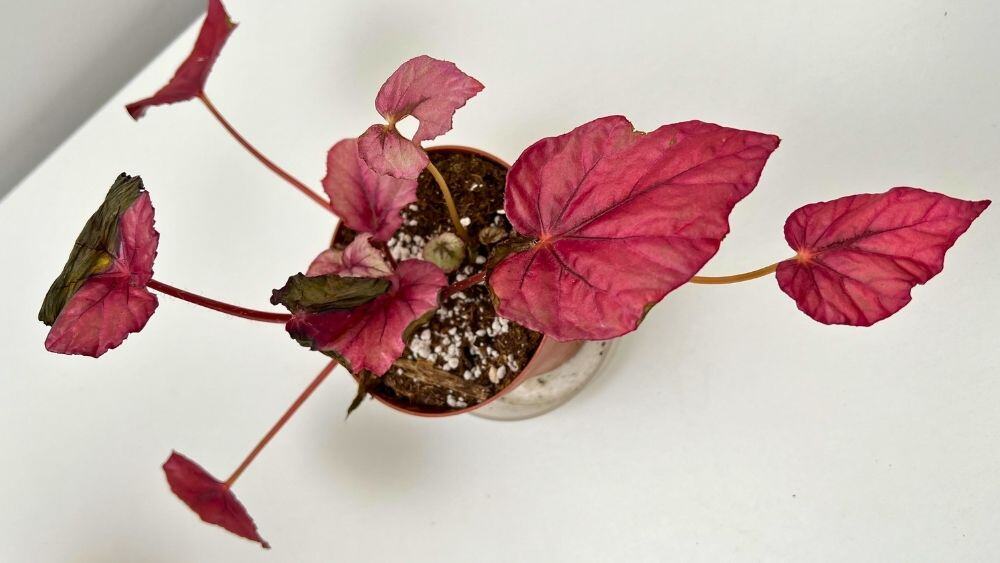
Begonia Rex Problems - 5 Mistakes to Avoid (And How to Fix Them)
Seeing curling leaves, brown edges, or other common Begonia Rex problems?
Most people think Begonia Rex is a difficult plant. It’s not. What actually happens is this: people kill it by trying to take too good care of it.
If your Begonia Rex has curling leaves, brown crispy edges, drooping stems, faded colors, or it keeps “randomly dying”, you are very likely making one of the five classic mistakes almost everyone makes with this plant.
And the worst part? These mistakes come from advice that sounds completely correct. Let’s fix that.

Watch me walk through all five Begonia Rex mistakes, including the two that cost me one of my plants. If it helps, subscribe for more plant rescues.
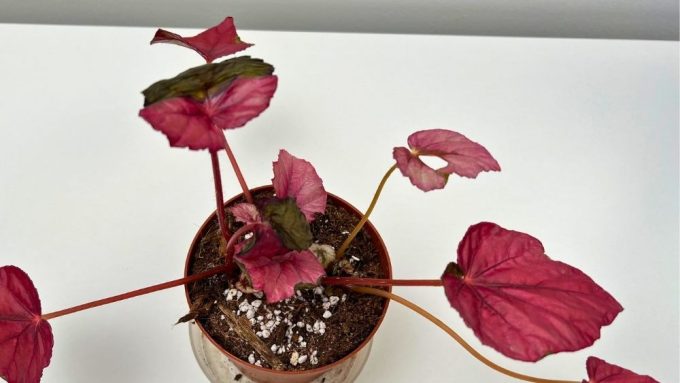

Common Begonia Rex Problems and How to Fix Them
Most Begonia Rex problems are caused by a few simple care mistakes that many plant owners unknowingly repeat. Once you understand the real cause behind curling leaves, brown edges, or fading colors, fixing the plant becomes much easier. Here are the five most common mistakes to avoid.
Mistake #1 - Treating Begonia Rex Like a Humidity-Loving Tropical Plant
One of the most common reasons Begonia Rex develops ugly spots, damaged patches, or translucent marks on the leaves is misting. People read that this plant likes humidity and immediately start spraying the foliage, thinking they are helping.
In reality, Begonia Rex leaves are textured, slightly hairy, and extremely sensitive to sitting moisture. Water does not evaporate quickly from this surface and creates the perfect conditions for fungal damage and leaf rot.
This is why many owners notice mysterious brown or glassy spots appearing shortly after they begin misting. The problem is not humidity. The problem is wet leaves.
Begonia Rex prefers stable room humidity around 50-60% without direct contact with water on the foliage. The goal is to humidify the air, not the plant.
A pebble tray, a room humidifier, or loosely grouping a few plants together, with room for air to move, works far better than spraying the leaves. Once you stop misting, new leaves will usually grow clean and undamaged.
Many plant owners use humidifiers to create a more stable indoor environment, especially during winter when air becomes very dry. A good humidifier can help prevent dry leaf edges and support overall plant health. This is especially useful for tropical plants that prefer higher humidity levels.
Many Begonia Rex problems, especially leaf spots and damage, often begin with wet leaves caused by frequent misting.
If you are used to misting your houseplants, read my article The Truth About Misting Houseplants where I explain why this habit causes more harm than good for many indoor plants.
Mistake #2 - Improper Watering (Over and Under)
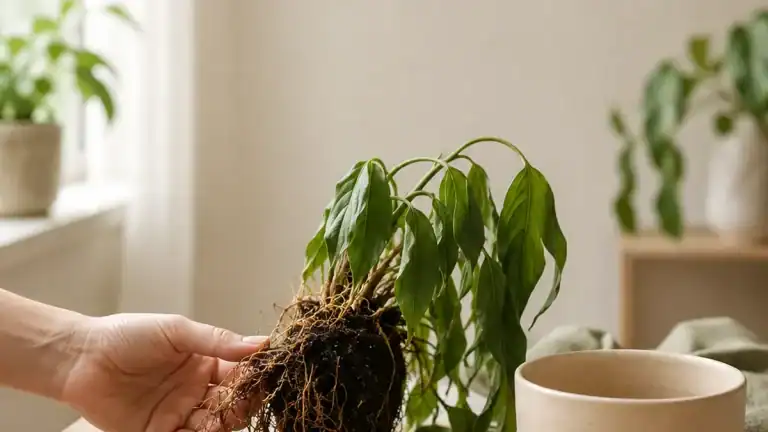
Overwatering is one of the main reasons behind Begonia Rex problems, often leading to sudden plant collapse. The plant may look fine for weeks, and then within days the leaves droop, stems soften, and the entire plant appears to be dying for no clear reason.
The problem is hidden below the soil. Begonia Rex has very shallow rhizome roots that sit close to the surface and need air more than constant moisture.
When the soil stays wet for too long, those roots suffocate quickly and begin to rot. By the time you notice the leaves drooping, the damage has already started underground.
Many people water Begonia Rex like other tropical plants, keeping the soil consistently moist. This is exactly what this plant does not want.
I water my begonias from the bottom. I place the pot in a tray with water and let the plant slowly absorb what it needs through the drainage holes. One of the biggest reasons Begonia Rex plants struggle is improper watering. If you want to learn more about the watering method that completely changed the way I care for my Begonia Rex, read my article about the one big Begonia Rex watering mistake that kills your plant.
This method helps me avoid overwatering, reduces the risk of root rot, and keeps water completely away from the leaves. The soil pulls moisture evenly from below while the surface stays relatively dry.
I always wait until the top 1-2 inches of soil are dry before watering again. A small pot with excellent drainage and an airy mix makes a huge difference in preventing this mistake.
If your Begonia Rex looks limp even though the soil is wet, do not add more water. Let it dry out and improve the drainage conditions instead.
One of the easiest ways to avoid overwatering is by checking soil moisture before watering. Many plant owners use a moisture meter to understand when their plant actually needs water. This simple tool can help prevent root rot and improve overall plant care.
And here is the part people miss: Begonia Rex is actually a thirsty plant. Because everyone hears begonias rot easily, a lot of us swing the other way and water too little. If she goes bone dry for too long the leaves go soft and limp and the edges turn crispy. The good news is she usually tells you before it gets serious. When she is thirsty her leaves droop and wave downwards, and that is your cue to give her a good bottom water. She will perk right back up. Water regularly, always from the bottom, and let the top inch dry out between drinks.
In this video, I show the exact watering methods I use for my houseplants, including bottom watering. This is the method I use for my Begonia Rex to prevent overwatering, root rot, and water touching the leaves:

Mistake #3 - The Wrong Soil and Pot
Before the soil, a quick word about the pot, because this one catches a lot of people out. Begonia Rex grows from a rhizome, that thick little stem that creeps along the top of the soil, and its roots are shallow and spread sideways rather than down. So it does best in a wide, shallow pot, not a deep one. A deep pot holds a tall column of soil under the roots that never dries out, and that wet soil sitting underneath is exactly how rot starts. These plants also like to be a little snug, so resist the urge to move her into a big pot to be kind. A pot that is too big just holds too much wet soil around the roots.
Many Begonia Rex problems do not start with watering. They start with the soil. Regular potting mix holds far too much moisture for a plant with shallow rhizome roots that need air around them.
This is why people say, “I don’t overwater, but my Begonia still declines.” The soil stays wet for too long, even when you think you are watering correctly.
Begonia Rex does not like compact, peat-heavy mixes. It prefers a light, airy structure where water drains quickly and oxygen can reach the roots.
I never use regular houseplant soil for my begonias. I use a chunky, breathable mix that looks more like an aroid mix than a typical potting mix.
My mix includes coco coir, orchid bark, perlite, and a small amount of potting soil just to hold some moisture. This allows the roots to breathe while still getting the hydration they need.
When you combine an airy soil with bottom watering, you dramatically reduce the chances of root rot and overwatering. The soil dries evenly and much faster, which is exactly what Begonia Rex prefers.
If your plant keeps struggling no matter how careful you are with watering, the soil is very likely the real problem.
If you don’t want to mix your own soil, many indoor gardeners choose ready-made well-draining soil mixes designed for houseplants. These mixes often include components like perlite and bark, making them a convenient option for healthy root development. Choosing a quality soil mix can make a big difference in long-term plant health.
Mistake #4 - Too Much Light (Why Colors Fade and Leaves Burn)
Begonia Rex is often placed on bright windowsills because people think colorful plants need a lot of light. This is one of the main reasons the leaves start losing their intense patterns and develop crispy edges.
Too much light does not make Begonia Rex happier. It actually washes out the silver, red, and purple tones that make this plant so special.
Direct sun or very bright exposure stresses the leaves and causes burning that looks like dryness or low humidity. Many owners try to fix this by increasing watering, which only creates a second problem.
One of my begonias sits on a north-facing window. The other one is a few feet away from a west-facing window, placed under another plant, so it receives only dappled afternoon light.
Both locations give bright indirect light without harsh exposure. This is where I see the strongest colors and the healthiest leaves.
If your Begonia Rex looks pale, faded, or develops crispy edges, the problem is usually light, not watering. Many Begonia Rex problems, especially fading colors and crispy edges, are often the result of placing the plant in overly bright locations.
You can also go too far the other way. If a Begonia Rex sits somewhere too dark, the colours go dull, the new leaves come in small, and the plant stretches and gets leggy reaching for light. The sweet spot is bright indirect light, ideally an east or north facing window with a little soft morning sun.
If you want to know more about light requirements for houseplants and how to find the perfect spot for each plant, read my full article Light Requirements for Houseplants: The Secret to Thriving Indoor Plants.
Mistake #5 - Poor Air Circulation (and Powdery Mildew)
This is the mistake almost nobody talks about, and it is a big one for begonias. Stuffy, still air.
Here is the catch. We just said Begonia Rex loves humidity. But humidity with no air movement is a problem, because damp, stagnant air is exactly what powdery mildew loves. Powdery mildew is that dusty white coating you sometimes see spreading across begonia leaves, and begonias are famous for getting it. Once it takes hold it spreads fast and it is a real pain to get rid of.
The mistake people make is crowding their begonias together on a shelf or windowsill, in a warm humid corner with no air moving at all. That warm, damp, still little pocket is a perfect home for mildew.
The fix is simple. Give your begonias some breathing room and do not pack them tightly against other plants. Open a window now and then to let fresh air move through, or run a small fan on low somewhere in the room, not blowing straight at the plant, just enough to keep the air gently moving. So yes, give her humidity, but give her moving air to go with it. Humid and stagnant is the combination to avoid.
Bonus Tip - Do Not Panic in Winter
One bonus tip that saves a lot of begonias. In winter your Begonia Rex might suddenly look rough. She can drop leaves, stop growing, and generally look half asleep. A lot of people panic, decide she is dying, and start watering more. That is the worst thing you can do.
This is normal. Begonia Rex naturally slows down and rests in winter, and some go semi dormant and lose a lot of their leaves. She is not dying, she is resting. Water less, not more, and be patient. She also reacts quickly to cold air, and a single night near a cold window or door can make the leaves go limp. When temperatures drop below 65°F (18°C) she starts to struggle, so keep her in a stable, warm spot away from drafts, heaters, and air conditioners. When spring returns, she will push out fresh new leaves.

Quick Diagnosis Cheat Sheet
Most Begonia Rex problems start with overwatering or incorrect light.
| Symptom | Real Cause | Fix |
|---|---|---|
| Curling leaves | Too much light / low humidity | Move from window, raise humidity |
| Brown crispy edges | Dry air / direct light | Increase room humidity |
| Drooping, dry soil | Thirsty | Bottom water, let top inch dry |
| Drooping, wet soil | Overwatering | Let soil dry, improve drainage |
| Faded colors | Too much light | Lower light exposure |
| White powdery coating | Stagnant, humid air | Improve airflow, space plants |
| Sudden collapse | Cold draft or root rot | Warm stable spot, check roots |
Prevention Tips
- Never mist the leaves
- Use airy soil in a wide, shallow pot
- Bottom water when the top inch dries
- Keep in bright indirect light
- Protect from cold drafts, and ease off water in winter
- Give her moving air, do not let her sit in stagnant humidity
FAQ
Why are my Begonia Rex leaves curling?
Usually too much light or dry air.
Why does my Begonia Rex keep dying after repotting?
Because regular soil holds too much moisture.
Should I mist Begonia Rex?
No. This causes fungal damage.
Is Begonia Rex hard to care for?
No - but it is very easy to overcare for.
What are the most common Begonia Rex problems?
The most common Begonia Rex problems include curling leaves, brown edges, fading colors, drooping stems, and sudden decline caused by overwatering, heavy soil, too much light, misting, or cold drafts. Once these care issues are corrected, most Begonia Rex plants recover quickly and begin producing healthy new growth.
Why is my Begonia Rex getting a white powdery coating?
That is powdery mildew, caused by humid but stagnant air. Improve airflow and space your plants out.
Why are my Begonia Rex leaves drooping?
If the soil is dry she is thirsty, so give her a bottom water. If the soil is wet, it is overwatering, so let her dry out.
Final Thoughts
Begonia Rex is not difficult. It is simply misunderstood.
Most Begonia rex problems come from trying to care for it too much. Once you adjust watering, soil, light, and placement, this plant becomes surprisingly easy to grow.
Avoid these five mistakes, and your Begonia Rex will start thriving instead of struggling.
Related Articles
- One big Begonia Rex watering mistake that kills your plant.
- 70% Alcohol on Houseplants to Kill Pests? I Tested This Method - Here’s What Happened
- Humidity and Temperature for Houseplants
- Spider Plant Problems: 5 Mistakes to Avoid
- Fiddle Leaf Fig Problems: 6 Mistakes to Avoid | Ficus Lyrata
- Rice Water Fertilizer for Plants: How to Use It Safely

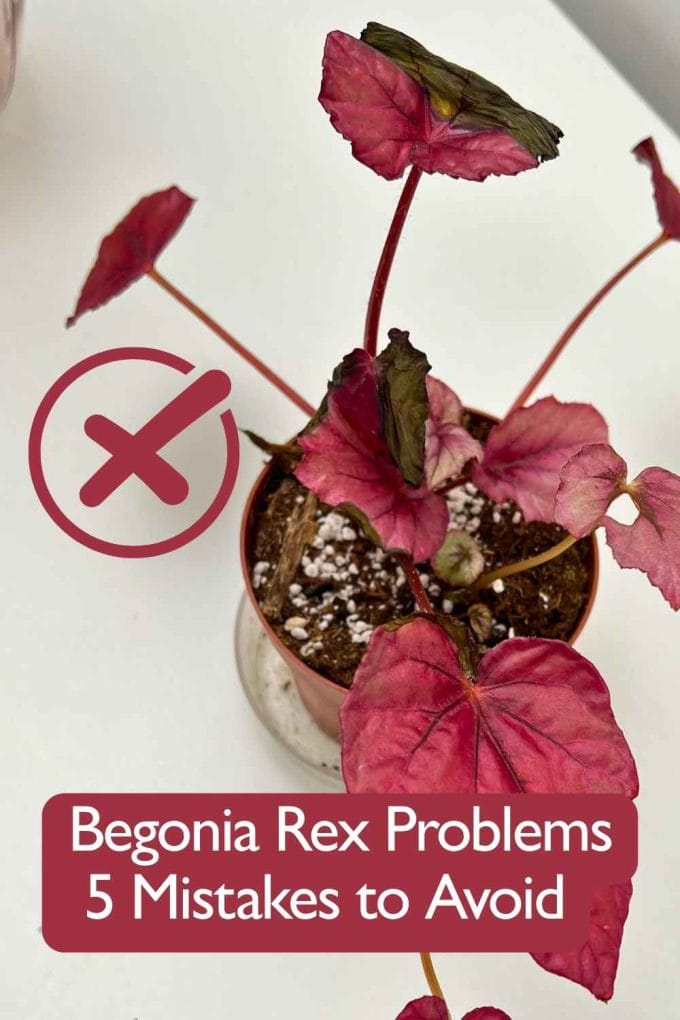
Save this guide for later:

Written by Bojana
Plant lover, grower, and music maker behind Plant House & Garden, with 35+ years of hands-on houseplant experience. Read more about Bojana →