The Truth About Misting Houseplants: Should You Do It or Not?
If you’ve ever misted your plants thinking you’re giving them a refreshing “spa day,” you’re not alone. Misting houseplants has become one of the most common plant care rituals - and one of the most misunderstood.
Some plant lovers swear by it, claiming it keeps their tropicals lush and hydrated. Others say it’s useless, or even harmful. So who’s right?
The truth is a bit more complex. Misting houseplants can help in some cases, but for many plants, it’s more of a temporary comfort than a real solution. In this guide, I’ll uncover what misting actually does, the science behind humidity, when it helps (and when it doesn’t), plus the best ways to keep your plants healthy in dry indoor air.
By the end, you’ll know exactly whether that daily spritz is helping your plants thrive… or just making you feel better.
💧 Want to understand how humidity and temperature affect your plants year-round? Don’t miss my article on Humidity and Temperature for Houseplants.
| What people think | What actually happens |
|---|---|
| It raises humidity | Humidity spikes for only a few minutes, then drops back |
| It keeps tropical plants happy | It is not enough on its own for moisture-loving plants |
| It is always good for leaves | Leaves left wet too long can invite fungal spots and disease |
| It replaces a humidifier | A humidifier, pebble tray, or grouping works far better |
| It suits every plant | Fuzzy-leaved plants and succulents dislike being misted |
What Misting Houseplants Really Does
Misting houseplants might seem like an easy way to give them extra moisture, but it doesn’t work quite the way most people think. When you mist, you’re not watering the soil, you’re only adding a fine layer of moisture to the leaves and the air around them.
This light mist can temporarily raise humidity, but it fades within minutes as the water evaporates. Think of it as giving your plants a refreshing splash rather than a long drink.
Benefits of Misting Houseplants
While misting isn’t a permanent humidity fix, it does have a few benefits when used correctly:
- Temporarily increases humidity - especially for tropical plants like ferns, calatheas, and marantas that come from naturally humid environments.
- Cleans dust from leaves, allowing better light absorption and photosynthesis.
- Can discourage pests like spider mites when done lightly and regularly (these pests dislike moisture).
If your indoor air is particularly dry - for example, during winter or when heating systems are running, misting houseplants can offer a short burst of relief for your plants. Misting Houseplants is not a solution.
The Downsides of Misting Houseplants
Despite its good intentions, misting can also cause more harm than good in some situations.
- Promotes fungal and bacterial diseases: Water left on leaves for too long creates perfect conditions for fungi and bacteria. You may notice brown or black spots appearing over time.
- Doesn’t increase overall humidity: The humidity boost from misting disappears within minutes. It doesn’t significantly change the air’s moisture level in your room.
- Can damage delicate leaves: Some plants, especially those with fuzzy or textured foliage like African violets, don’t tolerate water on their leaves well.
In short, misting houseplants isn’t harmful if done occasionally and correctly, but it’s not a substitute for proper humidity control.
Avoid Misting Houseplants with Tap Water
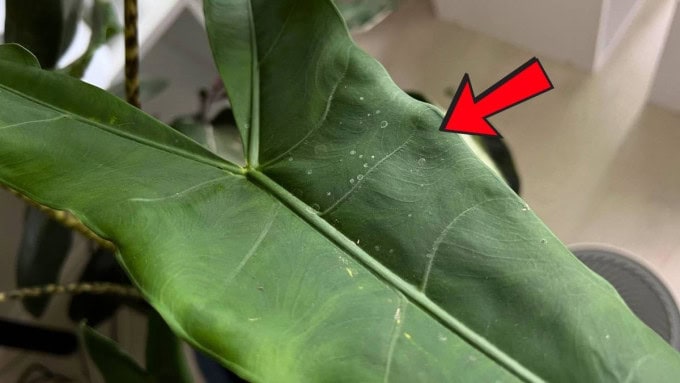
If you’re misting houseplants straight from the tap, you might be unintentionally damaging your plants. Tap water often contains chlorine, fluoride, and minerals that can leave white spots or residue on the leaves once the mist dries. These mineral deposits can block light, interfere with photosynthesis, and make your plants look dull.
Over time, this buildup - combined with standing moisture - can even cause fungal infections or leaf burn, particularly on sensitive species like Calatheas, Marantas, and Peace Lilies.
✅ Best practices:
- Use filtered, distilled, or rainwater instead of tap water.
- If you must use tap water, let it sit uncovered for 24 hours to allow chemicals to evaporate.
- Mist lightly so the leaves dry within a few hours.
This simple change can make a visible difference in your plants’ health and appearance.
Better Ways to Increase Humidity Indoors
If your goal is to create a consistently humid environment for your plants, there are much more effective options than misting houseplants:
- Use a humidifier: This is the most reliable way to raise and maintain humidity, especially during winter.
- Group your plants together: When you place plants close to one another, they naturally release moisture through transpiration, creating a microclimate.
- Set up a pebble tray: Fill a shallow tray with pebbles and water, then place your pots on top (without touching the water). As the water evaporates, it boosts local humidity.
- Move plants away from heating vents or air conditioners: These can dry the air quickly and harm your plants.
🌬️ Want more cold-season advice? Check out my full guide: Winter Plant Care Tips: 5 BIG Mistakes to Avoid! Or watch my video below for visuals:

Click here to watch my video on YouTube
When and How to Mist Properly
If you still want to mist your plants (and many people enjoy the ritual!), follow these quick tips to do it safely:
- Mist early in the morning so the leaves dry out before night.
- Use filtered or distilled water to prevent mineral deposits on the leaves.
- Hold the bottle at least 8-12 inches away and mist lightly, the leaves should look dewy, not dripping wet.
- Ensure good air circulation around your plants so moisture doesn’t linger and cause mold or mildew.
For tropical plants that truly love humidity, misting houseplants can be part of a balanced care routine, just don’t rely on it as your only method.
A Better Alternative: Showering Your Plants
Long ago, I used to mist my houseplants regularly, thinking it helped them stay hydrated and happy. But over time, I realized that misting houseplants does very little - it doesn’t raise humidity for long, and it can even cause issues like fungal spots or mineral buildup on the leaves.
Now, instead of misting, I prefer to give my plants a gentle shower every couple of months, and it’s a simple routine that works wonders. When you place your plants in the shower and rinse them thoroughly with lukewarm water, you’re not only hydrating the foliage, you’re also:
- 🌿 Increasing humidity naturally, as the steam and moisture linger in the air much longer than misting ever could.
- 💧 Watering the soil deeply, ensuring the roots receive an even, complete soak.
- 🧂 Washing away salts and mineral buildup that accumulate over time from fertilizers and tap water, especially important for heavy feeders like Alocasias and Calatheas.
- 🍃 Cleaning leaves and stems from dust, pests, and residues that block light and clog pores.
This method gives your plants a true “reset.” After a shower, they look cleaner, absorb light better, and breathe more easily. I recommend doing this every two to three months, or more often if you live in a dusty or dry environment. This is better option than misting houseplants.
🌿 Tip: Always use lukewarm water and allow your plants to drain completely before placing them back in their usual spot. Avoid cold water - it can shock tropical plants and cause leaf damage.
⚠️ Important: After showering, remember that your plant has received a full watering. You may need to skip one or two regular waterings until the soil dries slightly. Overwatering afterward can lead to root problems, so always check the soil first.
💧 Want to learn how to time your watering perfectly? Read my full guide on Houseplants Watering Tips to avoid common mistakes, or watch my video below if you prefer visuals:
In my experience, a good shower does far more for plant health than daily misting ever could. It’s efficient, natural, and helps your plants thrive from root to leaf.
Click here to watch the video on YouTube
Which Plants Benefit Most from Misting
Some plants respond better to misting than others. Here are a few that appreciate it:
- Boston Fern
- Calathea and Maranta (Prayer Plant)
- Fittonia (Nerve Plant)
- Areca Palm
- Philodendron Micans
Avoid misting plants like succulents, cacti, or fuzzy-leaf species - they prefer drier conditions and can develop rot if misted.
Final Thoughts
So, is misting houseplants good or bad? The answer depends on how you use it. Misting is a nice way to give your tropical plants a quick humidity boost, but it’s not enough to change your room’s climate. For long-term plant health, invest in a humidifier, group your plants, or try a pebble tray.
Used wisely, misting can be a small but pleasant part of your daily plant care, a moment to connect, observe, and appreciate your plants. Just remember, balance is key.
Related Topics
- Light Requirements for Houseplants: The Secret to Thriving Indoor Plants
- Prepare Houseplants for Winter: Fall Checklist & Step-by-Step Guide
- Soil-Free Aroid Potting Mix: The Best DIY Recipe for Healthy Aroid Plants

Click here to watch the video on YouTube
Humidity is just one piece of healthy plant care. My Plant Care Journal helps you track watering and conditions so your plants stay happy. New to houseplants? Start with our houseplant care for beginners guide.
Frequently Asked Questions
Does misting actually raise humidity for houseplants?
Only briefly. Misting lifts the humidity around a plant for a few minutes, then it quickly drops back to the room level. For plants that truly need humid air, a humidifier, pebble tray, or grouping plants together works far better than misting.
Is misting houseplants bad for them?
Misting is not usually harmful in moderation, but leaving leaves wet for long periods can encourage fungal spots and disease, especially in still air. Avoid misting in the evening, and never mist fuzzy-leaved plants or succulents.
Which plants like to be misted?
Thin-leaved tropicals such as ferns, calatheas, and many aroids appreciate a light misting, mostly to keep their leaves clean. Fuzzy-leaved plants like African violets, and most succulents and cacti, do not like it and can be damaged by sitting moisture.
What is better than misting for humidity?
A small humidifier is the most effective option. Grouping plants together, using a pebble tray with water, or moving plants to a naturally humid room like a bathroom all raise humidity more reliably and for much longer than misting.
Should I mist my plants every day?
Daily misting is rarely necessary and gives only a short-lived boost. If you enjoy it, a light morning mist is fine for thin-leaved tropicals, but your plants will benefit far more from a steady humidity source and good watering habits.

Written by Bojana
Plant lover, grower, and music maker behind Plant House & Garden, with 35+ years of hands-on houseplant experience. Read more about Bojana →