Prepare Houseplants for Winter: Fall Checklist & Step-by-Step Guide
Prepare houseplants for winter and you’ll save them from stress, shock, and pests when the cold weather arrives. As summer fades and the nights turn cooler, your plants go through major changes. Light hours shrink, humidity drops, and indoor heating makes the air drier. If you don’t plan ahead, the transition indoors can be tough, leading to yellowing leaves, root problems, and infestations that spread quickly in warm, closed rooms.
If you bring home a poinsettia for the season, here is everything you need for caring for poinsettias indoors.
Taking the time now to clean, check, and adjust your plants will make sure they thrive indoors all season. This guide explains when and how to start, which steps are most important, and what to watch out for during the fall-to-winter transition. It is a very important step to prepare houseplants for winter.
Want more fall inspiration? Read my guide on Top 10 Fall Balcony Plants for Instant Color & Easy Care to refresh your outdoor space. And if you’re wondering about timing, don’t miss When to Bring Houseplants Indoors for Fall & Winter - a complete guide to knowing the right moment to make the move.
| Step | What to do |
|---|---|
| Check for pests | Inspect leaves, stems, and soil, and treat before plants come inside |
| Clean and groom | Wipe leaves, remove dead growth, and clean pots |
| Light | Move plants to your brightest windows as days shorten |
| Watering | Water less often as growth slows, let soil dry more |
| Humidity | Raise humidity with trays, grouping, or a humidifier |
| Temperature | Keep away from cold drafts and hot radiators |
| Feeding | Pause fertilising until growth restarts in spring |
1. Inspect for Pests Before Moving Plants Indoors

Outdoor conditions are perfect for pests to multiply unnoticed. Spider mites, aphids, fungus gnats, and mealybugs can all hide on leaves and stems. Once plants are indoors, these pests often explode in number, because there are no natural predators. That’s why inspection is your first step if you want to prepare houseplants for winter successfully.
Check under every leaf, along stems, and on the top of the soil. If you notice sticky residue, webbing, or small dots, treat immediately. Wipe the leaves, spray with neem oil or a gentle homemade solution, and isolate the plant for a few days to confirm it’s clean.
👉 See my recipe for Homemade Leaf Shine & Pest-Free Recipe.
👉 If tiny black flies are hovering near the soil, learn How to Get Rid of Fungus Gnats in Houseplants Permanently.
2. Clean & Groom Houseplants (prepare houseplants for winter)
Healthy leaves not only look good but also absorb light more efficiently indoors. Start by wiping larger leaves (like Monstera or Fiddle Leaf Fig) with a damp cloth. For smaller plants, a gentle shower works. Removing dust and dirt helps them make the most of weaker autumn light.
Next, prune away dead or yellowing leaves, trim back leggy stems, and clear any fallen debris from the soil surface. This prevents mold and pests from settling in. Remember: a tidy plant is a stronger plant when you prepare houseplants for winter.
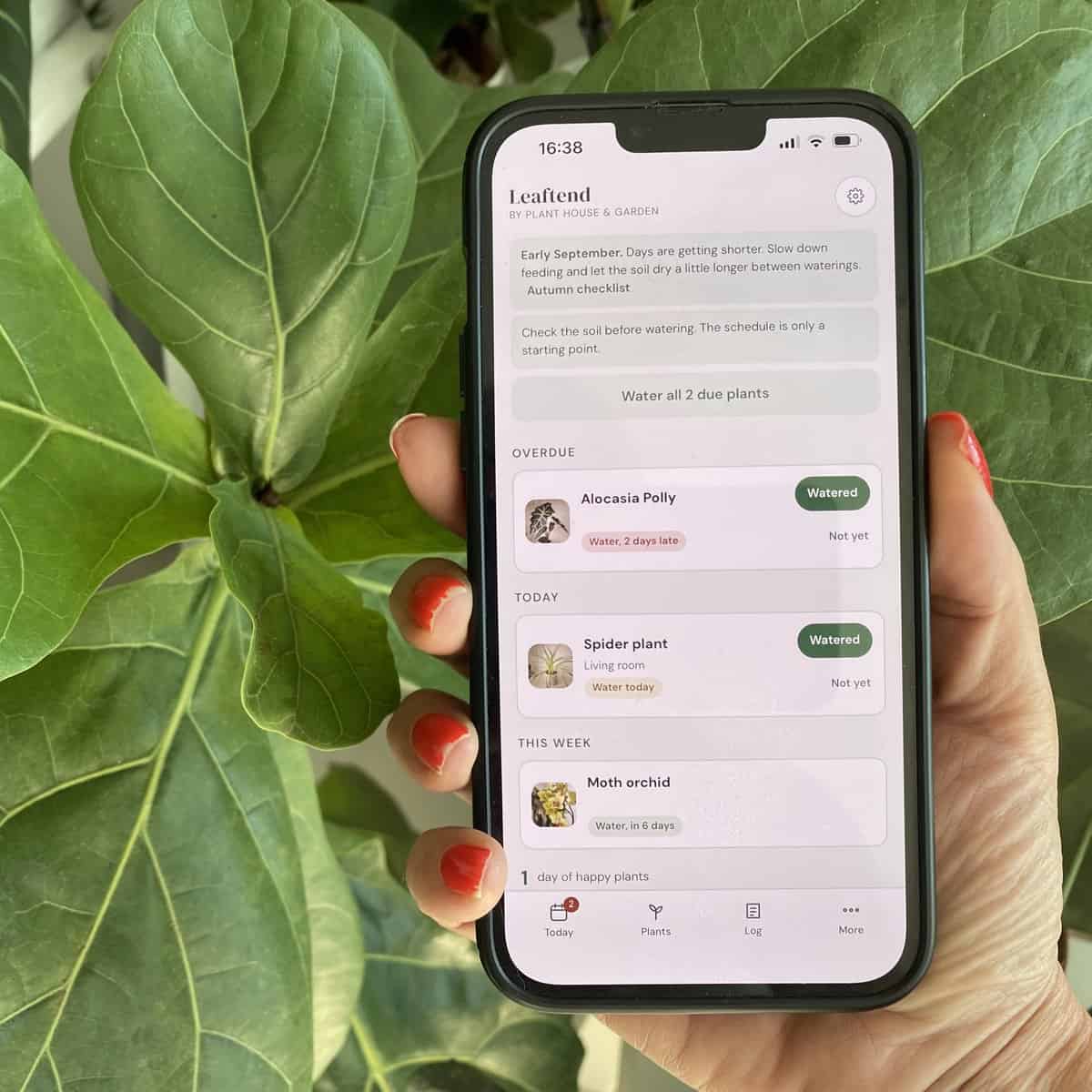
Indoors, growth naturally slows. The soil takes longer to dry, and roots use less water. Overwatering is the biggest winter killer for houseplants. Instead of watering on a set schedule, always check the soil first. Wait until the top inch feels dry before giving a deep soak.
Fertilizing should also be reduced. Feeding too much during this low-growth period causes soft, weak stems that can’t handle stress. Unless a plant is actively blooming (like winter-flowering cyclamen), pause fertilizer until spring.
👉 For more details, read my Houseplants Watering Tips.
4. Transition to Lower Light Indoors
Light changes are a shock for plants. If you bring them straight from bright outdoor sun into a dim living room, leaves may scorch or drop. The best way to avoid this is gradual adaptation.
First, move them to a shadier outdoor spot for about a week. Then, bring them inside to the brightest window you have south or west-facing windows are usually best. Rotate pots every few weeks so each side gets light. Grouping plants also helps increase humidity and creates a “mini jungle” effect indoors.
This step is just as important as timing. How you transition makes a huge difference when you prepare houseplants for winter.
5. Manage Indoor Humidity | Prepare houseplants for winter
Heating systems dry out the air, which stresses tropical plants used to outdoor summer humidity. Brown leaf tips, crispy edges, and curling leaves are all signs of dry air.
To fix this, use a pebble tray with water, run a humidifier nearby, or group plants together to share moisture. Even simple tricks like drying laundry in the same room can help raise humidity levels. Plants like alocasia, calathea, and philodendron will thank you for it.
6. Watch Temperature and Drafts
Indoors doesn’t always mean safe. Cold drafts near windows and hot air from heaters can harm plants just as much as outdoor weather. Keep pots a little away from glass if it frosts outside, and never place them directly above radiators.
The ideal indoor range is 65-75°F (18-24°C). Stability is key - sudden swings stress plants. By monitoring both light and temperature, you create a safe environment to prepare houseplants for winter successfully.
7. Ongoing Winter Care | Prepare houseplants for winter
Once plants are indoors, your job isn’t over. Winter care means checking soil moisture regularly, watching for pests, and giving as much light as possible. Avoid repotting in this dormant period unless absolutely necessary.
Tender tubers such as caladium are best lifted and stored before the cold sets in, and my guide on how to overwinter caladium walks through it.
If you want a full breakdown of what to avoid, watch my video below: Winter Plant Care Tips: 5 BIG Mistakes to Avoid.

Click here to watch the video on YouTube
Fall-to-Winter Houseplant Checklist (prepare houseplants for winter)
- ✅ Inspect leaves, stems, and soil for pests before moving indoors
- ✅ Clean foliage with a damp cloth or gentle shower to maximize light
- ✅ Prune yellow or damaged leaves and clear debris from the soil
- ✅ Reduce watering - wait until top 1 inch of soil is dry
- ✅ Pause fertilizing until spring growth begins
- ✅ Transition gradually from outdoor sun to indoor light
- ✅ Place near brightest windows and rotate regularly
- ✅ Increase humidity with trays, grouping, or a humidifier
- ✅ Keep away from heaters, radiators, and cold drafts
- ✅ Monitor regularly through winter for pests and soil moisture
All this are very important to prepare houseplants for winter.
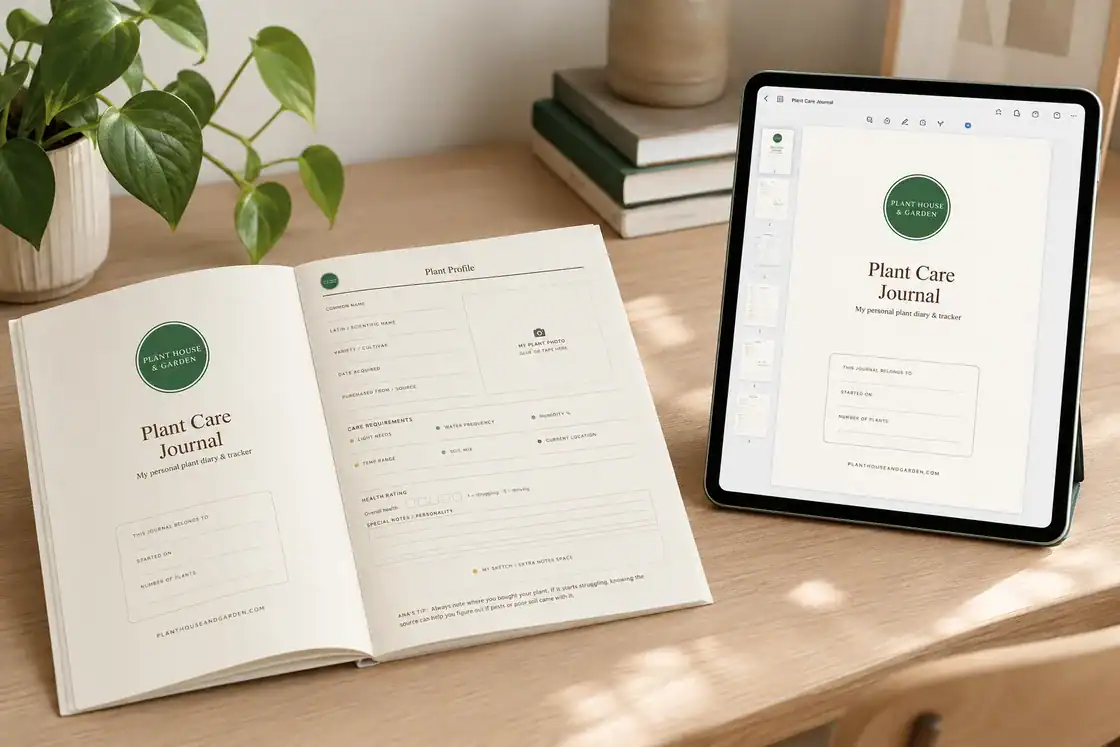
Autumn prep sets your plants up for an easy winter. My Plant Care Journal helps you track watering and conditions so they rest comfortably until spring.
Frequently Asked Questions
How do I prepare houseplants for winter?
In autumn, check plants for pests, clean their leaves, and bring tender ones indoors before frost. Then move them to bright spots, reduce watering and feeding as growth slows, raise humidity, and keep them away from cold drafts and radiators.
Should I water houseplants less in winter?
Yes. Most houseplants slow right down in winter and use far less water, so let the soil dry out more between waterings and check before watering. Overwatering in cold, low-light months is the most common cause of winter plant loss.
Do I need to stop fertilising in winter?
For most houseplants, yes. As light and growth drop off, plants need little or no feeding through winter. Pause fertilising in autumn and resume in spring when you see fresh growth.
How do I raise humidity for houseplants in winter?
Indoor heating dries the air, so group plants together, stand them on pebble trays with water, or run a small humidifier. Moving humidity-loving plants to a brighter bathroom or kitchen can also help.
Why are my houseplants struggling once heating is on?
Central heating brings warm, dry air and can create hot, dry spots and cold drafts. Keep plants away from radiators and draughty windows, raise humidity, and water carefully, and they will cope much better through the heating season.
Final Thoughts
The key to success is timing and preparation. When you prepare houseplants for winter, you protect them from sudden cold, pest invasions, and watering mistakes. These simple steps take only a little time but ensure your collection stays green, healthy, and vibrant until spring.
(Tip: Create a calm atmosphere with my 432 Hz Music for Plants while tending your plants, it helps both plants and people relax during the darker months.)


Written by Bojana
Plant lover, grower, and music maker behind Plant House & Garden, with 35+ years of hands-on houseplant experience. Read more about Bojana →