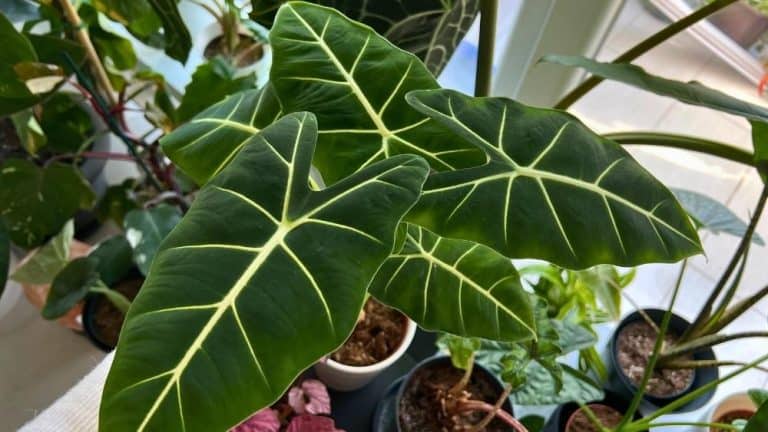
Anthurium Laceleaf Care Guide: How to Grow Healthy, Blooming Anthuriums Indoors
Looking for a houseplant that gives you months of stunning, heart-shaped blooms? Anthurium Laceleaf care is easier than you might think. This striking tropical plant is loved for its glossy, dark-green leaves and its unique flowers that can last for weeks at a time. Whether you choose the classic red, soft pink, or elegant white varieties, Anthurium Laceleaf plants bring a sense of luxury and vibrancy to your space. With the right care, they will reward you with several blooming cycles per year and remain a healthy centerpiece in your home for years.
For another dramatic flowering houseplant, the cascading pink blooms of the Medinilla are hard to beat.
If your Anthurium isn’t looking its best or refuses to bloom, don’t worry - I’ve covered exactly what might be going wrong in my latest article, Anthurium Laceleaf Problems - 5 Mistakes to Avoid. It’ll help you spot issues early and get your plant thriving again.
| Need | What it likes |
|---|---|
| Light | Bright, indirect light, no harsh direct sun |
| Water | Keep lightly moist; let the top inch dry, never soggy |
| Humidity | High, ideally 60 percent or more |
| Temperature | Warm, around 18 to 27 C, away from cold drafts |
| Soil | Airy, chunky, well-draining aroid mix |
| Feeding | Diluted balanced fertilizer in spring and summer |
| Toxicity | Toxic if eaten, keep away from pets and children |
What Is an Anthurium Laceleaf?
Anthurium Laceleaf, scientifically named Anthurium andraeanum, belongs to the Araceae family, which also includes other popular houseplants like Monstera, Philodendron, and Peace Lily. This plant is native to the warm, humid rainforests of Central and South America where it grows as an epiphyte. In its natural habitat, the Anthurium Laceleaf plant attaches itself to tree trunks or rocks, enjoying dappled sunlight, constant airflow, and a steady supply of moisture. Understanding these natural growing conditions is the key to perfect Anthurium Laceleaf care indoors because it allows you to recreate that rainforest-like environment right in your living room.
Light Requirements: Anthurium Laceleaf care
Light is one of the most important factors in Anthurium Laceleaf care because it directly impacts growth and blooming. These plants thrive in bright, indirect light that mimics the filtered rays they receive in the wild. Place your Anthurium near an east-facing window for gentle morning sun or near a west-facing window where it can enjoy bright afternoon light without being scorched.
A south-facing window works too if you set the plant back a few feet or use a sheer curtain to filter the light. Without enough light, your Anthurium Laceleaf plant will produce fewer flowers and its growth will slow down, while too much direct sun can burn the leaves. If you live in a darker home or during the shorter days of winter, consider using a grow light to keep the plant blooming year-round.



Watering Anthurium Laceleaf
Watering is one of the trickiest yet most important aspects of Anthurium Laceleaf care. These plants like their soil to be kept lightly moist, never soggy. The best approach is to water thoroughly until water runs through the drainage holes, then allow the top one to two inches of soil to dry out before watering again. Overwatering can quickly lead to root rot, which causes yellowing leaves and a foul smell from the soil. Underwatering, on the other hand, results in drooping leaves and crispy brown edges.
Because Anthuriums are sensitive, it’s a good idea to use room-temperature, filtered, or distilled water to avoid chlorine and salts that can damage roots. You can read more about proper watering methods in my full guide on houseplant watering tips to prevent these common issues and keep your Anthurium healthy.
Humidity and Temperature: Anthurium Laceleaf care
Another crucial factor in Anthurium Laceleaf care is maintaining proper humidity. These plants evolved in rainforest conditions where the air stays moist all year long, so they thrive when humidity is kept between 60 and 80 percent. If the air in your home is too dry, the plant may develop brown leaf tips or stop producing flowers.
A small humidifier near your Anthurium can make a big difference, or you can place it on a pebble tray filled with water to create a more humid microclimate. Grouping your Anthurium with other tropical plants is another easy way to raise humidity levels naturally.
Temperature is just as important for Anthurium Laceleaf care. These plants prefer a warm, stable environment with temperatures between 65 and 80°F (18-27°C). Avoid placing them near drafty windows, heaters, or air conditioning vents because sudden temperature changes can stress the plant and cause leaves to yellow. Consistent warmth and humidity are the secret to lush growth and repeat blooms.
If you want to know more about humidity and temperature for houseplants - and why they’re so important for healthy growth - read my full article Humidity and Temperature for Houseplants.
Best Soil Mix
Choosing the right soil mix is a critical part of Anthurium Laceleaf care. Because these plants are semi-epiphytic, they do best in a light, chunky, and fast-draining mix that provides plenty of airflow to the roots. A good combination includes orchid bark for structure, perlite for drainage, and coco coir or peat moss to retain just the right amount of moisture. Adding horticultural charcoal helps keep the mix fresh and reduces the risk of root rot. A well-balanced soil mix ensures that the roots stay healthy, which is the foundation for a thriving Anthurium.
If you want to see exactly how I prepare my soil at home, take a look at my homemade aroid mix recipe - it works beautifully for Anthuriums and other tropical plants like Philodendrons and Monsteras. This kind of soil prevents overwatering problems, keeps the roots strong, and supports continuous blooming.

Fertilizing for More Blooms
Regular feeding is another secret to successful Anthurium Laceleaf care. These plants benefit from a balanced liquid houseplant fertilizer diluted to half strength, applied every four to six weeks during the growing season. When you want to encourage even more flowers, switch to a fertilizer that is slightly higher in phosphorus, which promotes blooming.
Over-fertilizing should be avoided because it can burn the roots and lead to leaf damage. A consistent but gentle feeding schedule will keep your Anthurium producing glossy leaves and long-lasting spathes.
Pruning and Cleaning: Anthurium Laceleaf care
Routine maintenance goes a long way in keeping your Anthurium looking its best. Remove faded flowers and any yellowing leaves as soon as you notice them so the plant can focus on new growth. Wiping the leaves with a damp cloth once or twice a month not only keeps them looking shiny but also improves their ability to absorb light. Clean, healthy leaves are better at photosynthesis, which means more energy for flowering.

If you want to go a step further, check out my homemade recipe for shiny and healthy leaves where I show exactly how I keep my plants dust-free and naturally glossy. Using this method once a month gives your Anthurium that beautiful, fresh-from-the-jungle look.
When and How to Repot
Repotting is an important step in Anthurium Laceleaf care because these beautiful plants eventually outgrow their containers and need more space to stay healthy. Every two to three years, or whenever you see roots circling the pot or pushing through the drainage holes, it’s time to repot your Anthurium Laceleaf plant.
Select a pot that is one to two inches larger in diameter and refresh the entire soil mix with a chunky, well-draining blend. This essential step for Anthurium Laceleaf care not only provides the roots with more room to grow but also improves aeration and drainage, helping the plant stay vigorous, produce more leaves, and bloom more often.
Troubleshooting Common Problems
If something goes wrong, your Anthurium will usually let you know. Brown tips usually mean low humidity or inconsistent watering. Yellow leaves often signal overwatering or poor drainage. If your plant is not flowering at all, it may not be getting enough light or might need more regular fertilization. Adjusting these care elements usually brings your Anthurium Laceleaf plant back to full health.
If you’re noticing brown leaves, I’ve covered all the different types of browning and how to fix them in this guide: Laceleaf Brown Leaves: 5 Common Causes (And How to Fix Them Fast).
Propagation by Division | Anthurium Laceleaf care
One of the most satisfying ways to expand your Anthurium collection is by propagation. The easiest method is division. When your plant is mature enough, gently remove it from its pot and separate sections that have their own stems and root systems. Plant each division in a fresh, well-draining mix and water lightly. Within a few weeks, the divisions will settle in and start producing new growth.
To help you create the perfect environment for your Anthurium, I’ve added a special video with 432 Hz music for plants. This frequency is known for promoting harmony and growth, and the video features beautiful scenes of my own Laceleaf plant. Play it while you relax or work near your plant to support its health and create a calming atmosphere in your home.

Click here to watch my video on YouTube

Pet Safety
Anthurium Laceleaf care also means keeping your pets safe. Anthurium Laceleaf plants are mildly toxic if ingested by cats, dogs, or humans. The sap can irritate the mouth, throat, and stomach, sometimes causing drooling or vomiting. To prevent problems, keep your Anthurium in a spot that curious pets cannot reach.
If you’d like safe greenery alternatives, visit my guide on pet-friendly houseplants to find beautiful plants that are completely non-toxic and perfect for homes with pets., and small children.
Anthuriums bloom best with steady, consistent care. My Plant Care Journal makes it easy to track watering, feeding, and humidity, so your laceleaf keeps flowering through the year.
Frequently Asked Questions
Why won't my anthurium laceleaf bloom?
The most common reason is not enough light. Anthuriums need bright, indirect light to flower well. Give it a brighter spot out of direct sun, feed lightly with a balanced fertilizer during the growing season, and keep humidity up, and it should start producing its waxy blooms again.
How often should I water an anthurium laceleaf?
Water when the top inch of soil feels dry, often about once a week, adjusting for light and season. Anthuriums like steady moisture but hate sitting wet, so use an airy mix and a pot with drainage. Let excess water drain away and never leave the plant in a full saucer.
Why are my anthurium leaves turning brown?
Brown leaf tips or edges usually come from low humidity, underwatering, or salts in tap water. Raise humidity, keep the soil lightly moist, and use filtered or rested water. If you also see brown patches, check for too much direct sun or overwatering and adjust accordingly.
Is anthurium laceleaf toxic to pets?
Yes. Anthuriums contain calcium oxalate crystals and are toxic if chewed or eaten, so keep them away from cats, dogs, and small children. If you want colorful, pet-safe plants instead, look for non-toxic alternatives.
How do you propagate anthurium laceleaf?
The easiest way is by division. When repotting, gently separate the plant into clumps that each have roots and a few leaves, then pot them up individually in fresh aroid mix. Keep the new divisions warm and humid while they settle, and they will grow into full plants.
Final Thoughts for Anthurium Laceleaf care
With the right care routine, Anthurium Laceleaf plants are one of the most rewarding flowering houseplants you can grow. By providing bright, indirect light, proper watering, consistent humidity, and gentle feeding, you can enjoy glossy green leaves and stunning blooms for months at a time. Following this complete Anthurium Laceleaf care guide will help your plant thrive and remain a showpiece in your home.
Related Articles
- Laceleaf Brown Leaves: 5 Common Causes (And How to Fix Them Fast)
- Anthurium Laceleaf Problems - 5 Mistakes to Avoid (Flamingo Flower)
- Anthurium Clarinervium Care: Everything You Need to Know
- How to Get a Peace Lily to Bloom: 2 Simple Hacks That Actually Work
- Spider Plant Care: Everything You Need to Know

Written by Bojana
Plant lover, grower, and music maker behind Plant House & Garden, with 35+ years of hands-on houseplant experience. Read more about Bojana →