How to Get Rid of Spider Mites: Proven Tips to Save Your Houseplants
If you want to protect your plants, learning how to get rid of spider mites effectively is essential. Spider mites are one of the sneakiest and most destructive pests I’ve ever dealt with in my indoor garden. These tiny arachnids can cause serious damage if you don’t act fast. If you’ve noticed webbing, yellow speckles on leaves, or your plants looking unhealthy, chances are you’re facing a spider mite infestation. Knowing how to get rid of spider mites effectively is crucial for saving your plants and keeping your home green and thriving.
In this article, I’ll share everything I’ve learned from battling spider mites firsthand - from identifying the pests early to natural and chemical treatments, and prevention tips to keep them away. Plus, I’ll give you a detailed homemade spray recipe that’s safe and effective.
| Method | How to do it |
|---|---|
| Isolate and rinse | Move the plant away from others and rinse leaves to wash off mites |
| Wipe with alcohol | Dab 70 percent isopropyl alcohol on a cloth and wipe leaves and stems |
| Insecticidal soap | Spray a soap solution thoroughly, especially under the leaves |
| Neem oil | Apply diluted neem oil every few days to disrupt the mites |
| Raise humidity | Increase humidity, since mites thrive in hot, dry air |
What Are Spider Mites and How Do You Know If Your Plants Have Them?
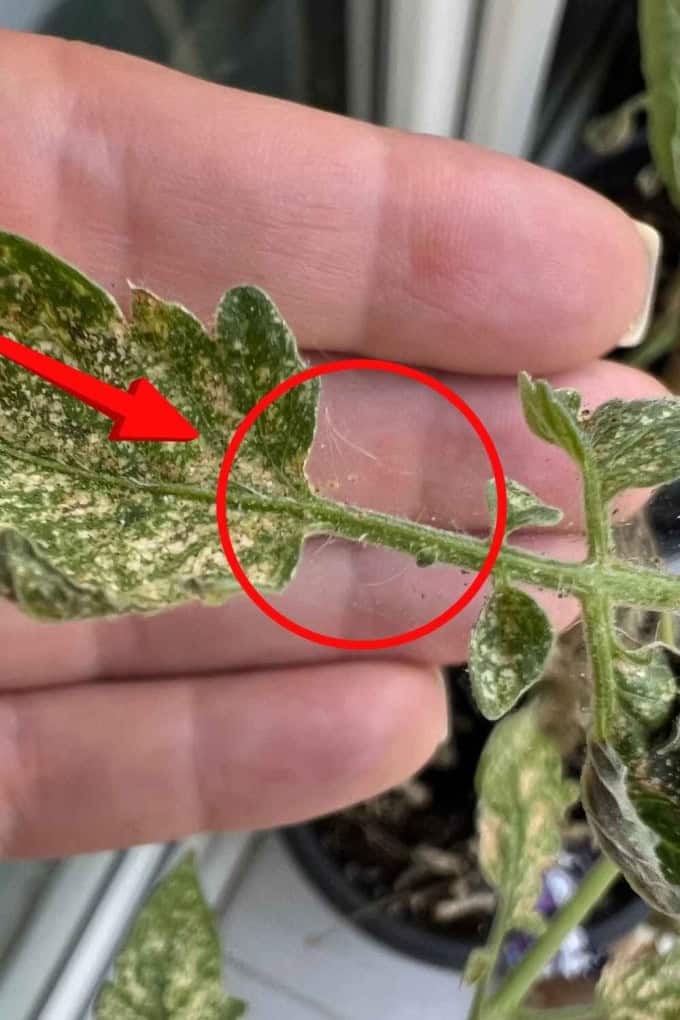
Spider mites are tiny creatures, often smaller than a pinhead - that feed by piercing your plant’s leaf cells and sucking out the sap. Understanding how to get rid of spider mites is crucial because they reproduce very quickly, especially when the air is dry and warm, making them dangerous for houseplants.
When I first noticed spider mites, I saw:
- Fine, delicate webbing under leaves and between stems.
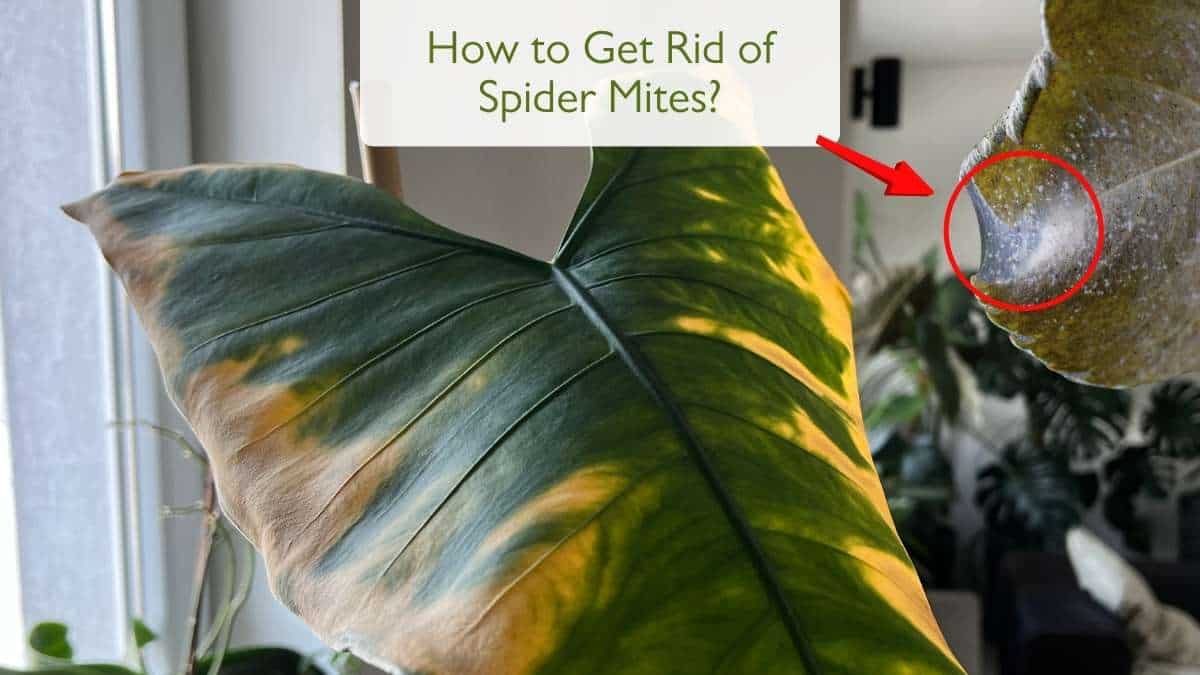
- Tiny yellow or white speckles on leaves - the spots are actually damage from the mites feeding.
- Leaves curling, drying out, or dropping off unexpectedly.
- Overall decline in plant vigor and stunted growth.
A great trick I use to detect them is tapping a leaf over a white sheet of paper. If little moving dots fall onto it, those are likely spider mites!
How to Get Rid of Spider Mites: The Exact Steps You Should Follow
1. Isolate the Infected Plant Immediately
The first thing you should do when you spot spider mites is isolate the affected plant. Spider mites spread rapidly, so keeping the infested plant away from the rest of your collection is essential to prevent an outbreak.
2. Physically Remove the Mites
Use a strong jet of water to rinse the plant thoroughly, especially under the leaves where spider mites love to hide. This physically washes off webs, eggs, and adult mites, making it an important step in how to get rid of spider mites. You can also wipe leaves gently with a damp cloth to remove remaining pests.
3. Raise the Humidity Levels
Because spider mites thrive in dry conditions, increasing humidity around your plants is a simple but effective step. Mist your plants regularly or use a humidifier nearby. This makes the environment less friendly for mites and more comfortable for tropical plants.
4. Use Natural Treatments: My Homemade Soap Spray Recipe
One of the most effective and safe treatments I rely on is a homemade insecticidal soap spray. It works by suffocating the spider mites and disrupting their feeding without harming your plants.
Here’s how to make it:
- 1 tablespoon of mild liquid soap (preferably pure castile soap or a gentle dish soap without additives)
- 1 quart (about 1 liter) of lukewarm water
Mix the soap thoroughly in the water until well combined, then pour this mixture into a spray bottle for easy application.
How to use it:
- Spray the entire plant generously, focusing on the undersides of leaves and stems where spider mites hide.
- Repeat the treatment every 5-7 days until you see no more mites or damage.
- Spray in the early morning or late afternoon to avoid leaf burn from sun exposure while wet.
This method is gentle enough for most houseplants, but always test it on a small leaf first to ensure no adverse reaction.
If you’re also dealing with mealybugs, another common houseplant pest, check out my detailed guide on How to Get Rid of Mealybugs for step-by-step tips on safely and effectively removing them from your plants.
5. Neem Oil and Other Organic Options
In addition to the homemade spray, you can try neem oil. It’s a natural insecticide that disrupts the lifecycle of spider mites. Dilute it according to package instructions and spray every week, alternating with the soap spray. If you are interested to know more about Neem oil, you can watch my video below:

6. Chemical Miticides - A Last Resort
How to get rid of spider mites If natural methods don’t completely solve the problem, consider using miticides specifically formulated for spider mites. Always follow the instructions carefully and use them sparingly indoors to minimize risks.
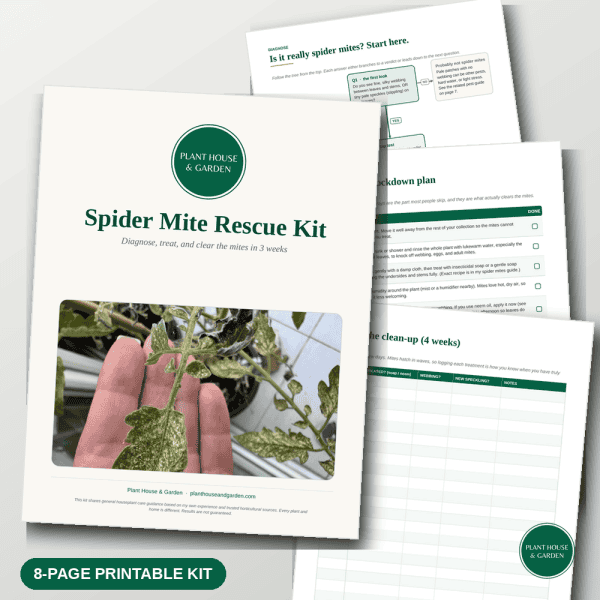
That is the whole routine. If you would like it all in one place to print and tick off as you go, my Spider Mite Rescue Kit lays out the diagnosis flowchart, the full 3-week treatment schedule, and a tracker. And if the repeat treatments start to feel tedious, I put on my Spider Mite Companion track quietly while I work, as calm company, never as a treatment.
How to Prevent Spider Mites from Coming Back
Once you know how to get rid of spider mites, the next important step is preventing them from coming back.
- Regularly inspect all your plants, especially new ones, to catch infestations early.
- Maintain higher humidity levels to make the environment less favorable for spider mites.
- Avoid over-fertilizing since excess nitrogen encourages mite reproduction.
- Quarantine new plants for a couple of weeks before introducing them to your collection.
To boost your plants’ health and support their growth while fighting pests, check out my guide on Organic Fertilizer for Houseplants: Stimulate Your Plants’ Growth
When to Seek Professional Help
If the spider mite problem is severe or persistent despite your efforts, don’t hesitate to contact a professional pest control expert who specializes in indoor plants and how to get rid of spider mites.
If you suspect pests but don’t see them clearly, I tested a simple and popular method using 70% alcohol on houseplants and documented exactly what happened - what worked, what didn’t, and how to use it safely: 👉 70% Alcohol on Houseplants to Kill Pests? I Tested This Method - Here’s What Happened
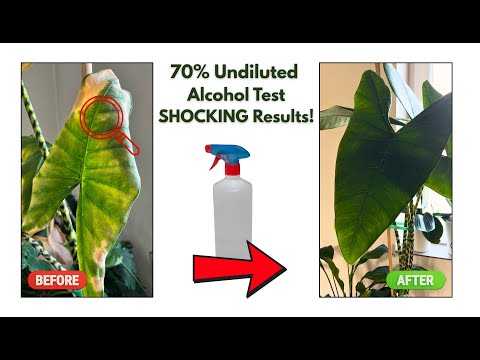
Click here to watch the video on YouTube
Beating a mite infestation takes consistent, repeated treatment, so it helps to track when you last sprayed. My Plant Care Journal makes it easy to stay on schedule until the mites are gone.
Frequently Asked Questions
What kills spider mites instantly?
There is no single instant fix, but wiping leaves with 70 percent isopropyl alcohol or a strong spray of insecticidal soap kills mites on contact. The key is being thorough, especially under the leaves, and repeating the treatment to catch newly hatched mites.
How do I know if my plant has spider mites?
Look for fine webbing between leaves and stems, tiny moving dots on the undersides of leaves, and pale, stippled, or yellowing foliage. Spider mites are very small, so hold a sheet of white paper under a leaf and tap it to see them more easily.
How often should I treat for spider mites?
Treat every 5 to 7 days for at least 3 to 4 weeks. Mite eggs keep hatching, so a single treatment is rarely enough. Repeating on this schedule breaks the life cycle and clears the infestation fully.
Does neem oil get rid of spider mites?
Yes, neem oil is an effective, natural treatment. It disrupts the mites and their life cycle. Dilute it as directed, spray thoroughly including the undersides of leaves, and reapply every few days until the mites are gone.
How do I stop spider mites coming back?
Keep humidity up, since mites love hot, dry air. Inspect new plants before bringing them home, quarantine them for a couple of weeks, and check your plants regularly. Wiping leaves and keeping plants healthy makes them far less inviting to mites.
Final Thoughts
Learning how to get rid of spider mites saved many of my plants from serious damage. With early detection, consistent treatment using natural sprays like the homemade soap recipe, and proper prevention, you can keep your indoor garden free of these tiny pests. By following these tips on how to get rid of spider mites, you’ll save your plants from serious damage and enjoy a healthy indoor garden.

Written by Bojana
Plant lover, grower, and music maker behind Plant House & Garden, with 35+ years of hands-on houseplant experience. Read more about Bojana →