Why Sphagnum Moss for Houseplants Is So Popular: Uses, Propagation & Root Rot Rescue
If you’ve been in the plant world in the last few years, you’ve probably noticed that sphagnum moss for houseplants has become one of the hottest topics. From propagation to root rot recovery, from rescuing rare plants to growing Alocasia corms, this simple natural material is suddenly everywhere. But what caused this rise? And how should you actually use it?
In this guide, you’ll learn why sphagnum moss is so popular today, how to use it safely, and when it can be the best medium for your plants.
Before we go deeper into why it became so popular, let’s clarify what sphagnum moss actually is and why it’s so different from peat moss.
| Use | Why it works |
|---|---|
| Propagation | Holds moisture around cuttings so roots form fast without rotting |
| Root rot rescue | Lets bare, trimmed roots recover in a clean, airy, moist medium |
| Soil amendment | Loosens heavy mixes and helps them hold the right amount of water |
| Aroid and orchid mixes | Adds airy, water-retentive bulk that epiphyte roots love |
| Humidity and moss poles | Stays damp to raise local humidity and support climbing aerial roots |
What Is Sphagnum Moss?
Sphagnum moss is a natural, long-fibered moss harvested from wetlands and bogs. It’s lightweight, airy, and incredibly absorbent, making it perfect for a wide range of houseplant care tasks. Unlike peat moss, which is the decomposed lower layer of the same plant, sphagnum moss is collected in its intact form. This means it stays fluffy, soft, and oxygen-rich - ideal for propagation, root rescue, and moisture-sensitive plants.

One of the biggest advantages of sphagnum moss is its ability to hold moisture without suffocating the roots. Even when damp, there is still plenty of air circulating around the fibers, which helps roots stay healthy and oxygenated. That’s exactly why plant lovers use it for fast and safe root development.
Many indoor gardeners also add sphagnum moss directly into their soil mixes, especially for tropical plants like Philodendrons, Monsteras, Anthuriums, and Alocasias. When mixed into aroid soil blends, sphagnum moss helps:
- Improve moisture retention
- Increase aeration
- Prevent the soil from drying out too quickly
- Reduce the risk of hydrophobic soil
- Support delicate, moisture-loving roots
This makes it an excellent component in chunky tropical mixes, especially for plants that prefer consistently moist - but not waterlogged - conditions.
Why Is Sphagnum Moss So Popular?
Sphagnum moss has always been used in horticulture, but in the last few years it became a true trend in the houseplant community. This popularity is not accidental - it reflects real changes in how people grow plants indoors.
1. The Global Rise of Aroid Lovers
As tropical aroids became mainstream, plant owners needed a medium that supports sensitive roots. Philodendrons, Monsteras, Alocasias, Anthuriums, and Syngoniums naturally grow in humid environments where roots enjoy constant moisture and plenty of air.
Sphagnum moss mimics that environment perfectly.
Its ability to stay moist while remaining airy helps even delicate roots adapt, heal, and grow stronger.
2. Social Media Propagation Boom
YouTube, TikTok, Instagram Reels, Shorts - all of them contributed to the rise of “propagation culture.” People wanted fast, visible results, and sphagnum moss became the one medium that delivers the most consistent success.
It’s now the standard propagation method for many plant collectors because:
- Roots form faster
- It offers better moisture control than water propagation
- You can visibly track progress through clear pots
- Cuttings rarely rot when moss is used correctly

3. Root Rot Rescue Success Stories
Root rot became one of the top problems plant owners search for. Because sphagnum moss keeps roots moist but oxygenated, it’s perfect for rehabilitation.
Many rescue cases show that moving a plant into damp moss helps:
- Stop rot from spreading
- Encourage fresh white roots
- Stabilize a struggling plant before repotting
No wonder sphagnum moss root rot searches have increased dramatically in the last three years.
👉 Watch my video below about Philodendron Pink Princess Propagation + Root Rot Rescue with Sphagnum moss:

Click here to watch the video on YouTube
4. Perfect for Indoor Gardening
Urban plant owners don’t want big bags of soil, insects, or messy potting sessions. Moss is lightweight, clean, and easy to store. It’s the ideal medium for people who grow plants indoors, in small apartments, or in decorative containers.
5. Great for Alocasia Corms
Alocasia lovers know how challenging corms can be. Sphagnum moss provides just the right moisture level to activate dormant corms without drowning them.
This method has become extremely popular thanks to hundreds of before/after success photos on social media. Read more about How to Propagate Alocasia Corms in Perlite
6. Essential for Moss Poles
Climbers need something soft and moist to attach their aerial roots to. Moss poles filled with sphagnum help aroids grow bigger leaves and stronger stems, another reason the trend continues.
Sphagnum Moss Uses
Sphagnum moss is one of the most versatile tools in modern plant care. Its natural structure allows it to hold moisture evenly while still giving roots room to breathe, which makes it suitable for many different tasks. One of the most common uses is propagation, where moss creates the perfect humidity and aeration balance for new roots to develop.
It also serves as a gentle medium for plants recovering from root rot, providing support without exposing damaged roots to heavy soil. Gardeners growing Alocasia corms often rely on moss because it provides the exact moisture level needed to activate new growth without causing rot.

Beyond propagation and recovery, sphagnum moss is frequently used for seed starting, keeping seeds consistently moist during germination. A thin layer on top of soil can help maintain humidity around newly emerging leaves and delicate roots.
Moss is also a favorite ingredient in moss poles, offering climbers a natural surface to attach their aerial roots to. Many indoor gardeners even mix sphagnum moss directly into their soil blend to increase moisture retention and aeration, especially for moisture-loving tropical species. Its adaptability makes it an essential part of any plant care toolkit.
How to Use Sphagnum Moss Properly
Using sphagnum moss correctly is the key to getting the best results. The most important rule is to keep the moss damp but never soaking wet.
Start by hydrating it fully, then squeeze out all excess water until it feels lightly moist in your hands. This creates the perfect environment for healthy roots. Once prepared, always keep the moss fluffy and loose. Never pack it tightly because compacted moss restricts airflow and can lead to rot. Good aeration is the main reason sphagnum moss works so well, so maintaining that light, airy structure is essential.

Choosing the right container also makes a difference. Clear plastic cups, propagation boxes, or nursery pots with holes allow you to monitor both moisture and root growth. Most plant owners prefer transparent containers because it becomes easy to see when the moss is drying out.
Watering should be minimal - usually just a light misting. Add moisture only when the top layer starts to feel dry. Even though moss is forgiving, overwatering is still possible, so it’s important to check it regularly.
If you're using moss in a closed propagation box or humidity dome, make sure there is at least some airflow. Small ventilation holes help prevent the moss from staying too wet for too long. With the right moisture, air circulation, and container choice, sphagnum moss becomes one of the most effective mediums for propagation, root rot recovery, and growing corms.
When handled properly, it offers steady moisture, excellent oxygen flow, and a clean environment for your houseplants to thrive.
Sphagnum Moss Propagation
Sphagnum moss propagation has become one of the most reliable ways to root almost any tropical plant. Compared to water propagation, moss offers a balanced environment that encourages fast root formation without the shock of transferring from water to soil.

Why it works so well:
- High humidity encourages faster root initiation
- Air between fibers prevents rot
- Moisture stays stable longer than in perlite alone
- Roots adapt more easily to soil later
This method is perfect for:
Philodendrons, Monsteras, Pothos, Syngoniums, Alocasias, Anthuriums, Begonias, Hoyas, and many more.
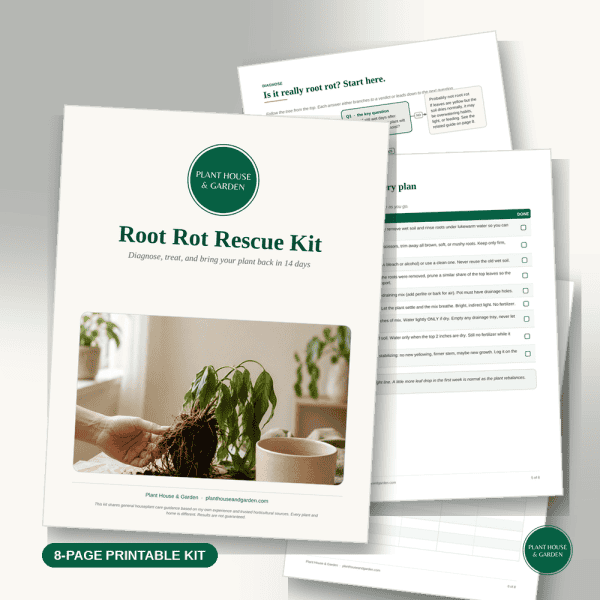
Sphagnum Moss for Root Rot Recovery
When a plant suffers from root rot, putting it back in soil immediately can worsen the problem. Moss acts as a gentle transition medium that allows the plant to heal.
Benefits:
- Soft on damaged roots
- Allows oxygen to circulate
- Encourages new white root growth
- Keeps moisture steady without drowning the plant
- Reduces shock after trimming rotten roots
Many successful rescues, especially with Philodendrons and Alocasias, start with sphagnum moss before repotting into a fresh aroid mix.
When You Should Not Use Sphagnum Moss
Even though it’s amazing, moss isn’t perfect for every situation.
Avoid long-term use if:
- Your plant prefers dry soil
- Your light conditions are low (moss stays wet too long)
- You tend to overwater
- The moss compacts over time and reduces airflow
- You don’t check moisture regularly
Use moss as a temporary medium unless you specifically know your plant does well in moisture-retaining mixes.

Is Sphagnum Moss Sustainable?
Sustainability is a frequent question among plant owners.
The good news: high-quality sphagnum moss is often harvested responsibly or farm-grown.
However:
- Cheap moss may be harvested from wild wetlands
- Low-quality moss breaks down quickly and holds too much moisture
- Always choose reputable sellers
Supporting sustainable harvest protects ecosystems and ensures better moss quality for your plants.
My Experience With Sphagnum Moss
In the last years, sphagnum moss became one of my most trusted tools. I use it for propagation, corms, root rot rescue, and as a moisture component in aroid soil mixes. It has revived many struggling plants and offered me consistent results even with picky species like Alocasias.
I don’t keep plants in moss long-term, but as a transition, recovery, and propagation medium - it’s unmatched.
📌 Love this guide? Save this image to your Pinterest board for quick reference!

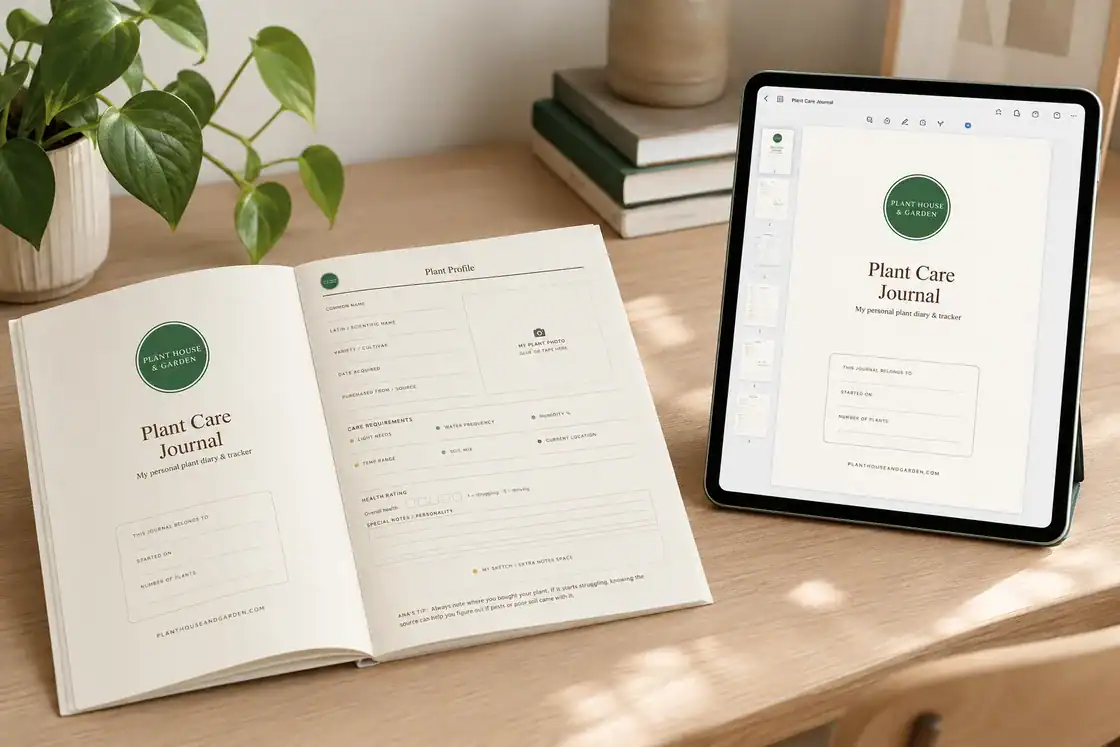
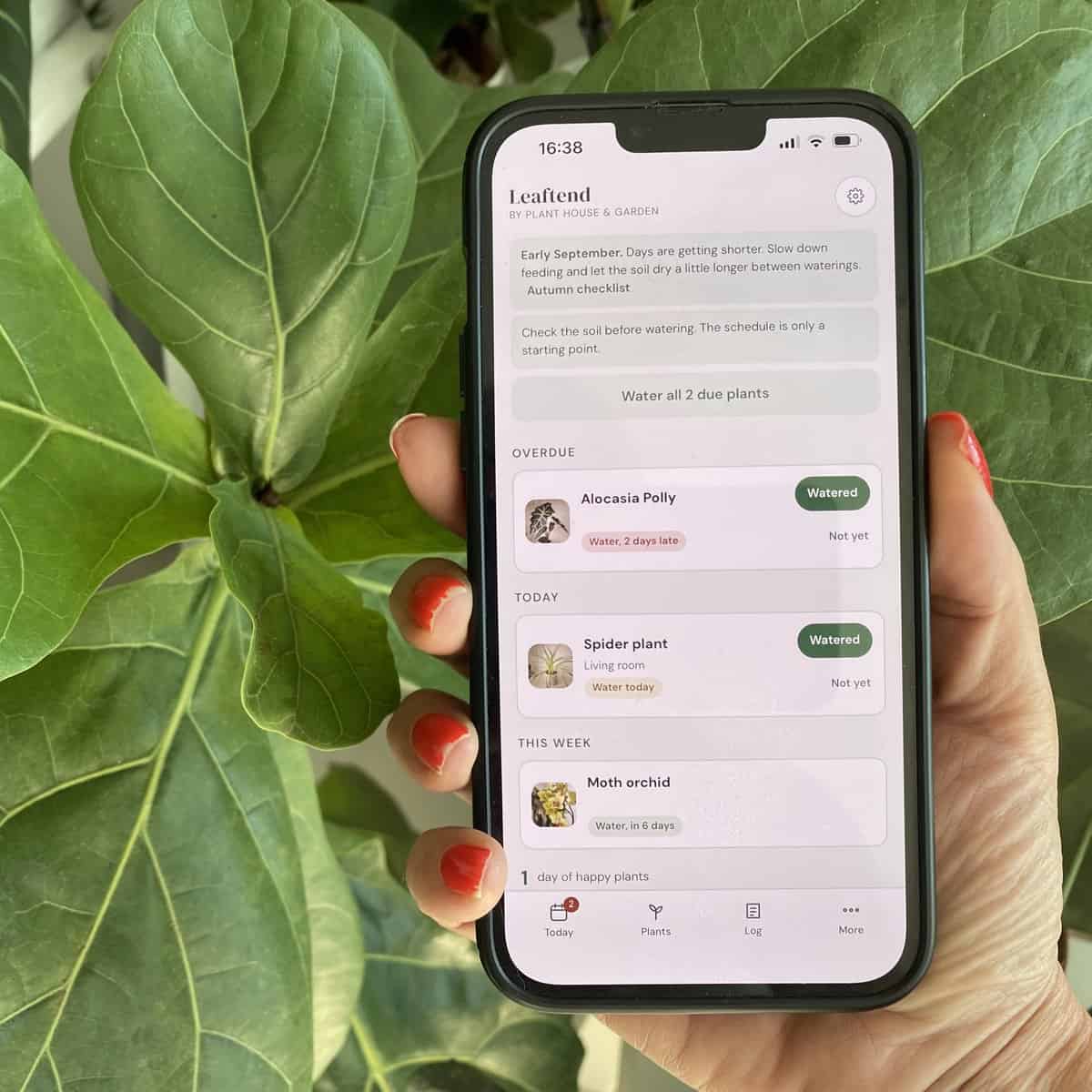
New to using moss and special mixes? Our houseplant care for beginners guide covers the basics. And to track watering while cuttings root in moss, my Plant Care Journal keeps you on schedule.
Final Thoughts
Sphagnum moss isn’t a magic bullet, but when used correctly, it can become one of your most powerful tools in houseplant care. Whether you want to propagate rare aroids, rescue a plant from root rot, start seeds, or give moisture-loving plants the right environment, moss offers a balanced mix of moisture retention and airflow that few soil mixes can match.
As part of a thoughtful plant-care routine - combined with proper light, watering, and nutrition - sphagnum moss for houseplants can dramatically increase your success rate, especially with tricky plants like Alocasias, Philodendrons, Monsteras, and Anthuriums.
Keep in mind: moss is best used as a medium for propagation, root rescue, or short-to-medium term growth or mixed into soil blends for aroids. It doesn’t replace good soil permanently for all plant types.
If you respect its needs (damp but airy, light misting, airflow, periodic checks), sphagnum moss will reward you with healthier roots and more vigorous growth.
Frequently Asked Questions (FAQ)
Can you reuse sphagnum moss?
Yes - but only if it’s still clean, fluffy, and free from root-rot or mold. Rinse gently, soak in fresh water, squeeze out excess moisture, and let it dry lightly before reusing. If it smells musty or feels compacted, it’s better to replace it.
Should I sterilize sphagnum moss before using it?
It’s not always necessary - fresh, good-quality moss is usually clean. But if you’re unsure about its origin, you can soak it in lukewarm water and let it air dry in indirect light before using. Avoid chemical sterilizers unless you have a fungal or pest issue.
How long can a cutting stay in sphagnum moss?
Typically, two to eight weeks - enough time for roots to form. Once roots are visible and healthy, consider transferring to a soil mix or a longer-term medium. Leaving cuttings too long in moss may lead to overly soggy conditions or slow down nutrient uptake.
Is sphagnum moss good for all houseplants?
No - plants that prefer dry, well-draining conditions (cacti, succulents, xerophytes) won’t do well in sphagnum moss. Also, in low-light or overwatered conditions, moss may stay too wet and encourage rot. It’s best for moisture-loving tropicals and aroids.
Does sphagnum moss increase the risk of fungus gnats?
Only if it stays overly damp for long periods without airflow. To reduce risk, keep moss just lightly damp (not wet), ensure good ventilation, and avoid placing plants in stagnant, dark environments.
Related Articles You Might Like
- How to Propagate Philodendron Pink Princess + Root Rot Rescue
- Alocasia Jacklyn Care - Everything You Need To Know
- Humidity and Temperature for Houseplants
- Winter Houseplant Care Mistakes: 5 Things You Should Never Do.
- How Music Can Affect Plants Growth.
Enjoy relaxing music while caring for your plants:
Below is one of my favorite 432 Hz plant-growth tracks. Play it in the background and let your plants absorb the positive energy.

Click here to watch the video on YouTube

Written by Bojana
Plant lover, grower, and music maker behind Plant House & Garden, with 35+ years of hands-on houseplant experience. Read more about Bojana →