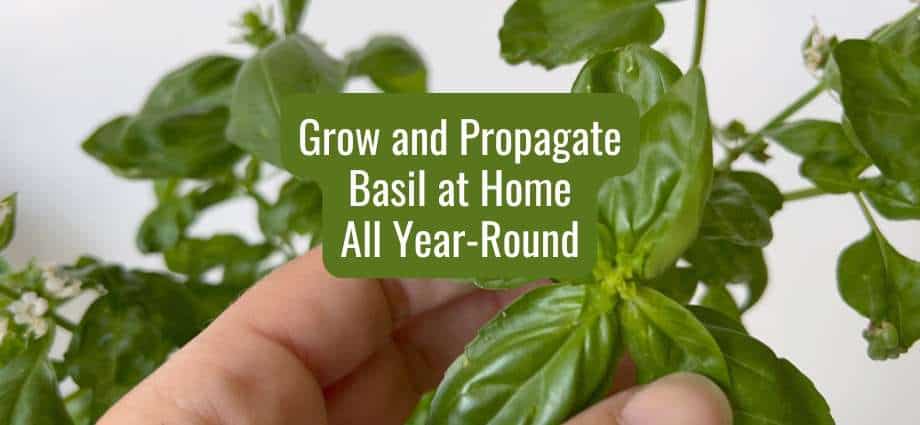
Easy Tips to Grow and Propagate Basil at Home
Looking to enjoy a steady supply of fresh basil throughout the year? In this guide, I'll cover easy tips to grow and propagate basil at home, ensuring you have a flourishing herb garden no matter the season. Whether you're a seasoned gardener or a beginner, these tips will help you successfully grow and propagate basil for culinary and health benefits.
Why It Is Worth Growing Your Own Basil
Basil, or Ocimum basilicum, is not only cherished for its delightful aroma and culinary versatility, but it also offers a range of health benefits that can enhance your overall well-being. Whether you're using it to elevate your favorite dishes or exploring its medicinal properties, basil is a must-have for every home. In this post, I'll explore the numerous benefits of basil and walk you through a simple and effective method for propagating basil to ensure a continuous supply of fresh leaves throughout the year. For a visual guide on how to grow and propagate basil at home, watch the video below:

Health Benefits of Basil: Another Reason to Grow It
Basil is packed with nutrients and offers a variety of health benefits, making it an excellent addition to your diet. Here are some of the key health benefits associated with basil:
A quick, honest note before the list: I am a plant grower, not a nutritionist. Most of the research below comes from lab and animal studies on concentrated basil extracts, not from sprinkling a few leaves on pasta. Enjoy basil because it is delicious and easy to grow, and treat anything health related as interesting rather than proven.
- Antioxidant Properties: Basil contains powerful antioxidants that help protect your body from free radicals and oxidative stress, supporting overall cellular health.
- Anti-inflammatory Effects: Its anti-inflammatory compounds can help reduce inflammation, which is linked to numerous chronic conditions, including arthritis and heart disease.
- Antimicrobial Properties: Basil may have potential antimicrobial effects, helping your body combat harmful bacteria and fungi.
- Digestive Support: Consuming basil can help promote healthy digestion and soothe issues like indigestion and bloating.
- Stress Reduction: Holy basil in particular is often described as adaptogenic, though the research is limited and mostly on concentrated extracts.
- Cardiovascular Health: Some early studies have looked at basil and heart health, though the evidence is preliminary and comes mostly from extracts rather than fresh leaves.
Basil flowers, often overlooked, also offer beneficial compounds like antioxidants and essential oils similar to the leaves. While research on basil flowers is limited, they are known to contribute to overall health and can add both flavor and visual appeal to your dishes.
Growing Basil at Home
| What basil needs | The short version |
|---|---|
| Light | 6 to 8 hours of bright light, shielded from harsh midday sun |
| Water | Daily in hot weather, every second day when cooler. Never let it wilt |
| Temperature | 70 to 85 F (21 to 29 C). Bring it indoors before the first frost |
| Humidity | Likes it humid. Mist twice a week if your home is dry |
| Soil | Fertile, well-draining potting mix with compost worked in |
| Feeding | A diluted organic feed every 2 to 3 weeks in the growing season |
| Pinching | Pinch the tips weekly. It doubles the leaves and delays flowering |
| Rooting time | About 10 to 14 days in water, from a cutting taken below a node |
Basil is a valuable addition to any home garden, whether you have outdoor space or prefer to grow it indoors. Basil thrives in pots and requires only a few basic care guidelines to ensure healthy growth:
- Light: Basil needs plenty of light but should be protected from direct sunlight, which can cause the leaves to burn. It tolerates reduced sunlight in the morning or late afternoon.
- Humidity & Watering: Basil thrives in humid environments and requires regular watering, especially during the summer. Daily watering is recommended in hot weather, while in cooler months, watering every second day is sufficient.
- Temperature: Basil is not frost-tolerant, so it's essential to bring your plants indoors when temperatures drop.
To encourage healthy growth, ensure that basil receives ample light and humidity. If your home is dry, you can mist the plant with water at least twice a week to maintain moisture levels.
Propagating Basil: The Water Method I Use
If you're a frequent basil user, growing multiple plants is a great way to ensure a steady supply. The good news is that basil is incredibly easy to propagate at home. Here’s a simple guide to basil propagation:
- Select a Healthy Branch: Choose a strong, healthy branch from your basil plant and make a clean cut just below a node.
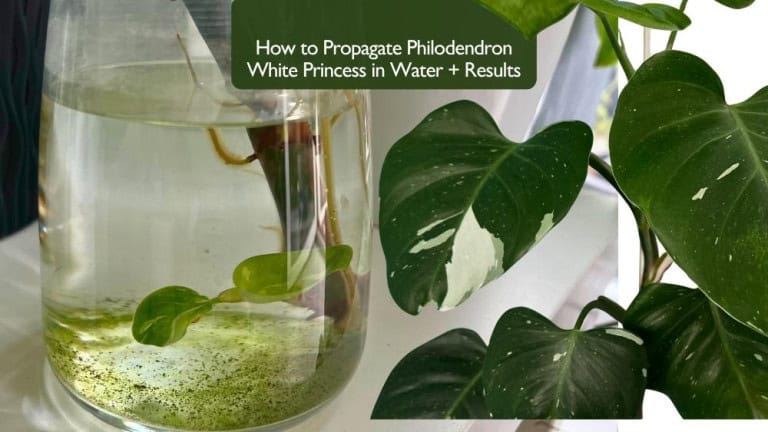
- Place the Cutting in Water: Submerge the cut end of the branch in water and position it in a bright spot, but out of direct sunlight. In about two weeks, you’ll see roots forming.
- Transfer to a Pot: Once the cutting develops sufficient roots, it’s ready for you to transfer it to a small pot. Use regular potting mix with good drainage, as basil roots need space to grow quickly.
- Planting Your Basil Cutting:
- Choose a pot with good drainage holes.
- Fill the pot halfway with well-draining potting soil.
- Place the basil cutting into the pot, covering the roots with soil.
- Gently press down the soil to stabilize the plant and add more soil if necessary.
- Water the plant thoroughly, but make sure the pot doesn’t retain excess water, which could lead to root rot.
Extra Tips for Stronger, Bushier Basil
To further boost your success to grow and propagate basil, consider these extra tips:
- Use Quality Soil: Basil grows best in fertile, well-draining soil rich in organic matter. You can amend your potting mix with compost or organic fertilizer for stronger growth.
- Maintain Proper Temperature: Basil prefers warm temperatures between 70°F and 85°F (21°C to 29°C). Avoid cold drafts or placing plants near air conditioners.
- Pinch Regularly: Pinching off the tips of your basil plant encourages bushier growth and prevents it from flowering too early, prolonging leaf production.
- Rotate Your Plants: Turn your basil pots regularly to ensure even light exposure and balanced growth.
- Pest Management: Watch for pests like aphids or whiteflies. Regularly inspecting and using natural insecticidal soap can keep your basil healthy.
Growing and Propagating Basil FAQs
How long does basil take to root in water?
About 10 to 14 days on a bright windowsill, sometimes a little longer in cooler months. You will see fine white roots at the node first. Pot it up once they are an inch or two long.
Can I propagate basil from a supermarket pot?
Yes, and it is the cheapest way to get going. Those pots usually hold several seedlings crammed together. Split them apart, pot them separately, then take cuttings from the strongest one and you will have a proper crop from one purchase.
Why is my basil turning yellow?
Usually overwatering or a pot with no drainage, especially indoors. Yellow lower leaves with soggy soil means the roots are struggling. Yellow with dry soil and drooping means it went thirsty for too long.
Should I let my basil flower?
Not if you want leaves. Once basil flowers it puts its energy into seed and the leaves turn bitter and sparse. Pinch the tips out every week and snip off any flower buds the moment you spot them.
Where should I cut basil so it grows back bushier?
Cut just above a pair of leaves, not at the base of the stem. The plant then sends out two new shoots from that point instead of one, so every harvest makes it fuller.
Conclusion
By following these simple care and propagation techniques, you can enjoy a continuous supply of fresh basil all year round. Whether you’re adding it to your favorite recipes or enjoying its health benefits, basil is an easy and rewarding herb to grow at home. Be sure to check out the video tutorial for a visual guide on propagating basil and making the most of this versatile plant!
If you want your basil to grow faster and healthier, you can use this Organic Fertilizer for Houseplants: Stimulate Your Plants' Growth. It's a great way to ensure your basil gets the nutrients it needs for robust growth and a plentiful harvest year-round. Read more here.
Want to multiply more of your plants? This guide is part of my complete houseplant propagation guide, where every method is explained in one place.

Written by Bojana
Plant lover, grower, and music maker behind Plant House & Garden, with 35+ years of hands-on houseplant experience. Read more about Bojana →