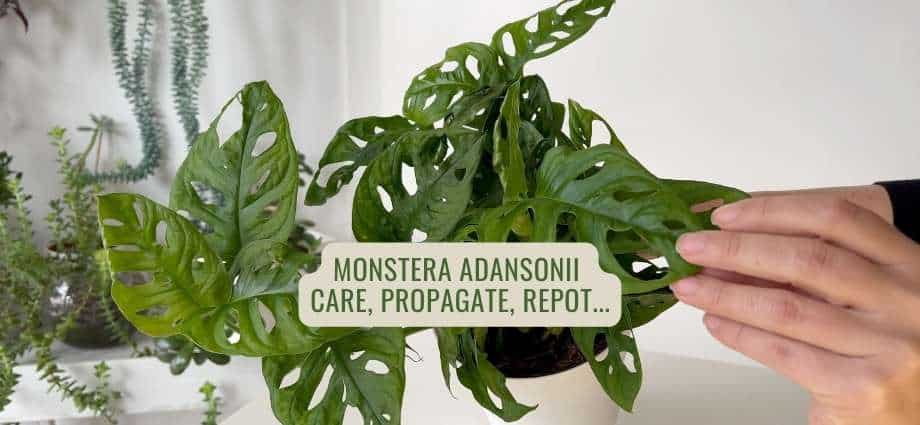
Monstera Adansonii Care: How to Grow a Healthy Swiss Cheese Plant
If you want to master Monstera Adansonii care, you’re in the right place! This charming plant, known as the Swiss Cheese Plant for its unique leaf holes - has become a favorite among indoor plant lovers everywhere. In this guide, I’ll share everything you need to know about caring for your Monstera Adansonii, including light, watering, repotting, propagation, and pest control. Plus, for easy-to-follow visuals, check out my detailed video linked below:
| Need | What Monstera Adansonii likes |
|---|---|
| Light | Bright, indirect light; keep out of harsh direct sun |
| Water | When the top inch of soil feels dry; never leave it soggy |
| Soil | Airy mix: about 70% potting soil, 15% perlite, 15% orchid bark |
| Humidity | Moderate to high; mist or use a pebble tray |
| Temperature | Average room warmth; avoid cold drafts |
| Feeding | Balanced liquid feed, monthly in spring and summer |

What Makes Monstera Adansonii Unique?
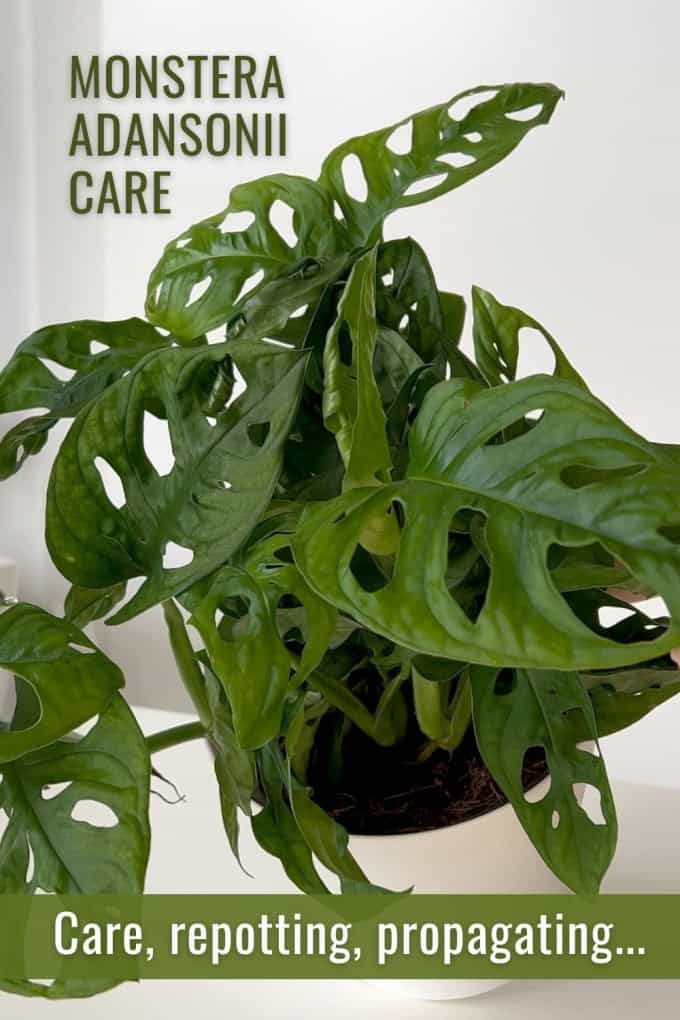
The Monstera Adansonii stands out thanks to its signature fenestrated leaves - those iconic holes that give it the nickname Swiss Cheese Plant. These smaller, heart-shaped leaves grow larger as the plant matures, adding lush tropical vibes to your home. Native to the rainforests of Central and South America, this plant thrives indoors as long as you provide the right environment and care.
Finding the Perfect Light for Your Monstera Adansonii
To help your Monstera Adansonii thrive, it’s essential to find the best light and placement for its needs. Ideally, it should receive bright, indirect light, mimicking the dappled sunlight it would receive in the jungle under large trees. North-facing windows are often the best choice for Monstera Adansonii care, but if you have a west- or south-facing window, place the plant a little further from the direct sunlight to prevent leaf burn.
Repotting: When and How to Repot Your Monstera Adansonii
To keep your Swiss Cheese Plant happy and growing, repot every 1 to 2 years. Choose a pot with drainage holes only one size larger than the current pot. Monstera Adansonii actually prefers to feel a little root-bound, so no need to oversize.
For the soil, I recommend a mix of:
- 70% regular potting soil
- 15% perlite for aeration and drainage
- 15% orchid bark to retain moisture and provide structure
This blend balances moisture retention with proper drainage, preventing root rot and supporting healthy growth.
The Best Way to Water Monstera Adansonii
Watering correctly is crucial for Monstera Adansonii care. Water thoroughly when the top inch of soil feels dry. Avoid overwatering, it’s the most common cause of problems like root rot.
During the growing season (spring and summer), your plant may need more frequent watering. Reduce watering in fall and winter when growth slows.
Monstera Adansonii care: Fertilizing
A balanced, diluted liquid fertilizer is the best choice for Monstera Adansonii during its active growth phase. Apply every 2-4 weeks in the spring and summer, always on moist soil to avoid root burn. Reduce or stop fertilizing in fall and winter, when the plant is naturally less active.
Pruning and Propagating: Tips for a Bushier Monstera Adansonii
In the process of Monstera Adansonii care as your plant matures, it may become leggy, so regular pruning is the best way to keep it compact and bushy. You can propagate cuttings in water or perlite, as long as each cutting has at least one node for successful root growth. Place your cuttings in indirect light, and after a few months, they’ll be ready for transplanting into soil.
Humidity and Temperature Needs for Monstera Adansonii
Monstera Adansonii enjoys moderate to high humidity. Mist your plant regularly or place it near a pebble tray filled with water to boost humidity.
It tolerates average room temperatures well but avoid cold drafts or sudden temperature changes to prevent stress.
Dealing with Pests and Common Problems in Monstera Adansonii care
Monstera Adansonii can sometimes attract pests, like spider mites and scale. Regularly inspect your plant for any signs of infestation, and use neem oil or insecticidal soap as needed. Good air circulation and proper watering are also key to preventing fungal issues.
Keep an eye out for pests like mealybugs, which can affect Monstera Adansonii and other houseplants. If you spot any, be sure to check out my detailed guide on how to get rid of mealybugs for safe and effective treatment tips.

Frequently Asked Questions
Is Monstera Adansonii easy to care for?
Yes, it is one of the more forgiving tropicals once you get the light and watering right. Give it bright, indirect light and let the top inch of soil dry between waterings, and it rewards you with fast, lush growth.
Why doesn’t my Monstera Adansonii have holes?
Small or hole-free leaves usually come down to young age or not enough light. Those signature fenestrations develop as the plant matures and gets plenty of bright, indirect light, so give it time and a brighter spot.
How often should I water Monstera Adansonii?
Water thoroughly whenever the top inch of soil feels dry, then let it drain freely. There is no fixed schedule since it depends on your light and warmth, but overwatering is the most common cause of trouble, so when in doubt, wait a day.
Is Monstera Adansonii toxic to pets?
Yes. Like other monsteras it contains calcium oxalate crystals, which irritate the mouth if a cat or dog chews the leaves. Keep it out of reach of curious pets and children to be safe.
How do I propagate Monstera Adansonii?
Take a stem cutting with at least one node, put it in water in bright, indirect light, and wait for roots to form. After a couple of months of root growth you can move it into a small pot of airy soil.
Final Thoughts on Monstera Adansonii Care
With these Monstera Adansonii care tips, your Swiss Cheese Plant will thrive, filling your space with its lush, unique foliage. By providing the right light, watering, humidity, and repotting schedule, you’ll enjoy a healthy Monstera Adansonii that grows beautifully and adds life to your home.
Related Articles
- Monstera Leaves Turning Yellow: 9 Causes + Easy Fixes
- Epipremnum Marble Planet vs Monstera Peru Debunked (What the Science Actually Says)
- Monstera Deliciosa Problems: 5 Common Mistakes and Expert Care Tips

Written by Bojana
Plant lover, grower, and music maker behind Plant House & Garden, with 35+ years of hands-on houseplant experience. Read more about Bojana →