How to Fix Yellow and Brown Edges on Dracaena Leaves: Causes, Solutions, and Prevention
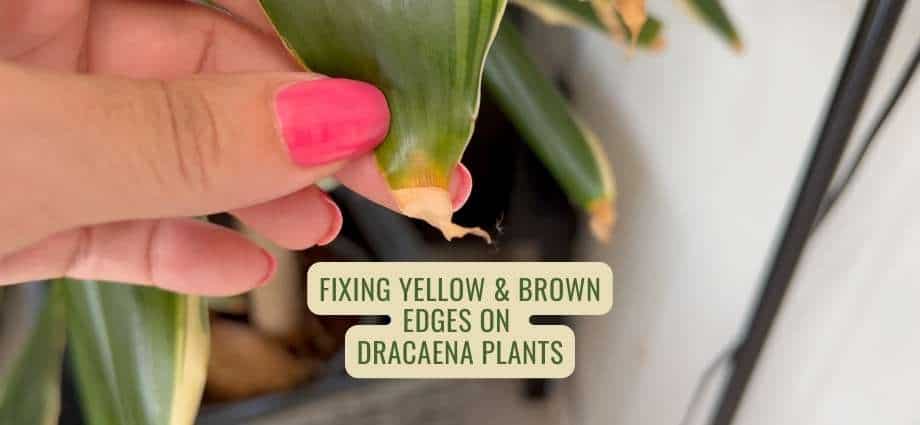
If you’ve noticed yellow and brown edges on your Dracaena leaves, don’t worry, this common issue can be effectively managed with the right care. In this comprehensive guide, we’ll explore how to fix yellow and brown edges on Dracaena leaves by identifying causes, offering practical solutions, and providing preventive tips to keep your plant healthy and vibrant. For step-by-step visual guidance, check out the detailed video linked below.

What Yellow and Brown Edges Are Telling You
Before jumping into solutions, it helps to understand what leads to those unsightly leaf edges in the first place. Yellowing or browning usually signals stress, which could stem from environmental factors, improper watering, pests, or nutrient imbalances. Proper diagnosis is the key first step in effectively addressing this problem.
| What you see | Likely cause | What to do |
|---|---|---|
| Brown crispy tips with a yellow halo | Fluoride and salts in tap water | Switch to filtered or rainwater, flush the soil |
| Brown edges plus curling leaves | Dry air and low humidity | Pebble tray or humidifier, move away from vents |
| Yellow lower leaves, soft base | Overwatering or poor drainage | Let the top inch dry, use a pot with drainage holes |
| Brown tips with bone-dry soil | Underwatering | Water once the top inch feels dry, on a routine |
| Pale washed-out leaves with brown edges | Too much direct sun | Move to bright, indirect light |
| Yellow speckling with fine webbing | Spider mites | Shower the plant, then treat with neem oil |
| Overall yellowing in spring and summer | Nutrient shortage | Feed diluted, every 2 to 4 weeks in the growing season |
If more than the edges is going wrong, start with my full Dracaena plant care guide, and have a look at the 5 Dracaena care mistakes I see most often.
1. Light and Environment
Lighting plays a huge role in Dracaena health. Too much direct sun can scorch the leaves, causing edges to brown quickly, while too little light may cause yellowing due to insufficient photosynthesis.
- Solution: Place your Dracaena in a location with bright, indirect light. East-facing windows with morning sun or filtered light through curtains are ideal.
- Additional Tip: If your indoor environment is too dry or drafty, especially in winter months, these conditions can exacerbate leaf edge damage. Using a humidifier or relocating your plant away from heating vents can create a more favorable atmosphere.
2. Watering: Getting the Balance Right
One of the most common mistakes leading to yellow and brown leaf edges is improper watering.
- Overwatering Effects: Excess water suffocates roots, leading to stress signs like browning edges or yellow spots.
- Underwatering Effects: Infrequent watering causes dehydration, making the leaf tips dry out and turn brown.
If watering is the culprit, here is what to do:
- Always check the soil moisture before watering - stick your finger about an inch into the soil; if dry, it’s time to water.
- Use pots with drainage holes to prevent waterlogging.
- During the winter, reduce watering frequency, as Dracaena growth slows.
The Cause Most People Miss: Fluoride and Salts in Tap Water
If your Dracaena keeps browning at the tips and edges no matter how carefully you water, the water itself is the likely culprit. Dracaenas are unusually sensitive to fluoride, and to a lesser extent boron and chlorine, which most tap water contains. The plant draws water out to the leaf margins, the minerals stay behind, and over time they build up and scorch the edge from the outside in.
Fertilizer salts do exactly the same thing. Every feed leaves a little residue, and across months that residue concentrates in the soil.
What to do:
- Water with filtered, distilled, or collected rainwater whenever you can.
- If you have to use tap water, leave it standing overnight so some chlorine escapes. That will not remove fluoride, but it helps.
- Flush the pot every 4 to 6 weeks: run water through the soil for a minute or two and let it drain right out.
- Skip superphosphate fertilizers, which are high in fluoride.
- Trim damaged edges after you have fixed the water, so you can see whether new growth stays clean.
3. Monthly Shower Routine for Moisture & Pest Prevention
Dracaenas benefit from an occasional shower to provide moisture and clean the leaves. A gentle shower every month (or every two months in cooler months) can help prevent pests, remove dust, and boost plant health.
Shower Tip: After showering, let the plant drain before placing it back in its spot. Skip the next regular watering to prevent excess moisture buildup in the soil.
If showering isn’t an option, wipe the leaves with a damp cloth once a month to maintain cleanliness and avoid buildup that could contribute to browning edges.

4. Fertilizer and Salt Buildup
Yellow and brown edges on Dracaena leaves can also indicate nutrient deficiency, which often occurs when the plant lacks sufficient nutrients during its growth phase.
Solution: Fertilize every 2 to 4 weeks during spring and summer with a diluted all-purpose fertilizer. Reduce or stop fertilizing in fall and winter, as Dracaenas naturally slow their growth in cooler months.

5. Leaf Trimming for a Cleaner Appearance
Damaged edges cannot revert to their original color, but you can trim them to enhance the plant's appearance. Use clean, sharp scissors to carefully cut away only the brown edges. Follow the leaf's natural shape to keep the trim discreet.
Tip: For leaves that are entirely brown, remove them at the base to allow new, healthy growth.
6. Pest Management
Pests like spider mites, mealybugs, and scale often target stressed plants, leading to leaf damage.
- Inspect your plant weekly.
- Use neem oil or insecticidal soap as a safe and effective treatment.
- Isolate infested plants to prevent spread.
Extra Tips That Keep the Edges Clean
Humidity: Dracaenas prefer moderate humidity. Dry indoor air can worsen leaf edge browning. Use a humidifier or pebble tray to boost humidity.
Air circulation: Good airflow prevents fungal growth and pest buildup that can damage leaves.
Pest control: Monitor for spider mites, scale, and mealybugs - common culprits behind leaf stress. Treat infestations promptly with neem oil or insecticidal soap.
If you suspect pests but don’t see them clearly, I tested a simple and popular method using 70% alcohol on houseplants and documented exactly what happened - what worked, what didn’t, and how to use it safely: 👉 70% Alcohol on Houseplants to Kill Pests? I Tested This Method - Here’s What Happened
Music for Plants: What I Actually Do
One thing I enjoy alongside the practical fixes is playing music for my plants, especially tracks tuned to 432 Hz.
- A handful of small studies have looked at whether sound affects plants, but the evidence is thin and nothing here is proven.
- I play soothing 432 Hz music while I go round my plants because I enjoy it, not because it is a treatment.
- Try incorporating calming plant music during your daily plant care routine to create a positive growth environment.

Dracaena Leaf Edge FAQs
Should I cut the brown edges off my Dracaena?
Yes, you can. Damaged tissue will never turn green again, so trimming is purely cosmetic, but it does tidy the plant up. Use clean, sharp scissors, follow the natural shape of the leaf, and leave a thin sliver of brown so you do not cut into living tissue and start a fresh brown line.
Why does my Dracaena get brown tips even though I water it properly?
Usually it is the water itself, not the watering. Dracaenas are sensitive to fluoride and to salts, and most tap water carries both. Switch to filtered water or rainwater for a couple of months and watch what the new leaves do.
Will the yellow and brown edges spread across the whole leaf?
Not on their own. Existing damage stays exactly as it is. If it keeps advancing, the cause has not been fixed yet, so work back through water quality, watering, humidity and light.
How often should I water a Dracaena?
There is no fixed schedule. Push a finger an inch into the soil and water only when it feels dry, which tends to be every 7 to 14 days in summer and far less often in winter when growth slows right down.
Can low humidity on its own cause brown edges on Dracaena?
It can, especially in winter when heating dries the air out. Dracaenas are happiest at around 40 to 50 percent humidity. Grouping plants together, a pebble tray, or a small humidifier is usually enough to stop it.
Conclusion: Consistency Is What Fixes It
Fixing yellow and brown edges on Dracaena leaves takes a whole-plant approach - balanced watering, proper lighting, nutrient management, pest control, and even ambient sound support.
By carefully observing your plant and adjusting care accordingly, you can restore your Dracaena’s vibrant health and enjoy its lush, beautiful foliage once again.
For an in-depth visual guide, watch my full tutorial video below and join our plant care community by subscribing to stay updated with the best tips and techniques.
Bonus Tip: The Power of Plant Music for Healthier Leaves
As I mentioned earlier, I like to have music for plants playing, usually at 432 Hz, while I work through my plant care routine. Dive into my detailed article on 432 Hz Frequency for Plant Growth and Healing to learn more! It certainly creates a calming environment for me while I work. I enjoy the routine, and I’ve created a “Music for Plants” playlist to share with you. You can access it through the video description to try with your own Dracaena.


Written by Bojana
Plant lover, grower, and music maker behind Plant House & Garden, with 35+ years of hands-on houseplant experience. Read more about Bojana →