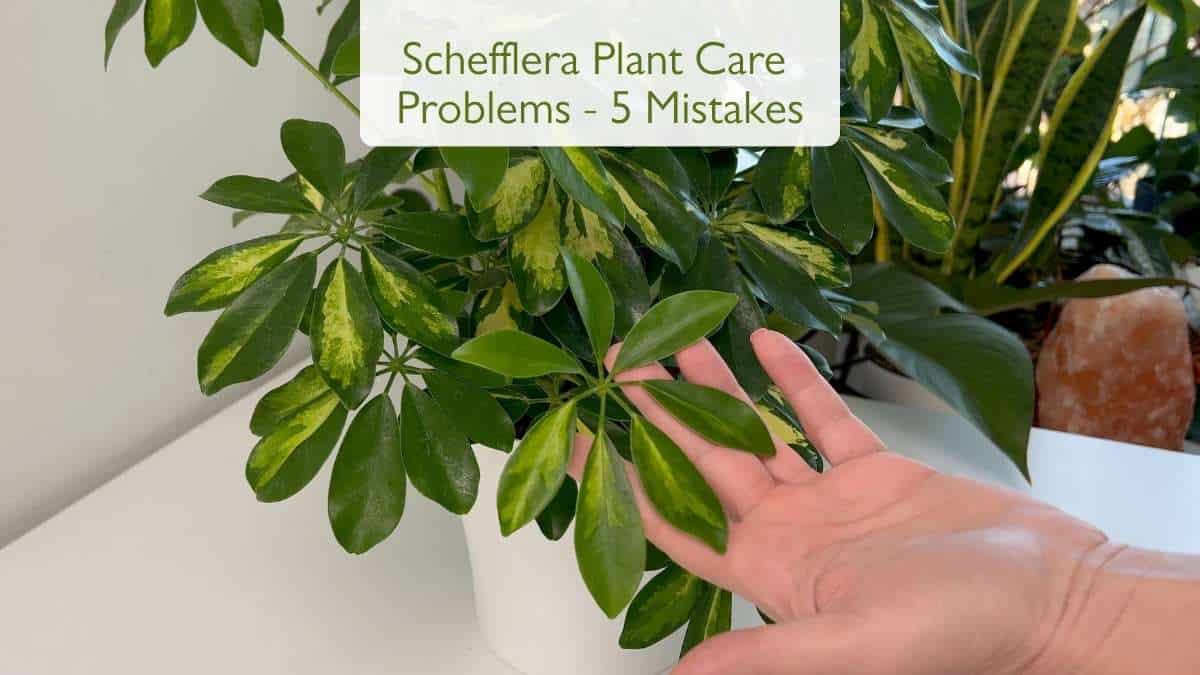
Schefflera Plant Care Problems: 5 Mistakes Killing Your Umbrella Plant
Schefflera plant care problems are one of the most common reasons the Umbrella Plant suddenly starts dropping leaves, turning yellow, or growing weak and leggy. Even though Schefflera is considered an easy houseplant, a few hidden care mistakes can quickly affect its health and appearance.
I’ve learned this the hard way with my own two Schefflera plants. One is lush and vibrant, while the other struggles with pale leaves and sparse growth. The difference? Just a few simple care mistakes.
In this guide, you’ll discover the 5 most common Schefflera plant care problems, how to identify each one early, and the exact steps you can take to restore your plant’s full, healthy growth. Plus, if you want a more detailed visual guide, you can watch my video embedded below!
| Symptom | Cause | Fix |
|---|---|---|
| Yellow leaves | Overwatering, poor drainage | Let soil dry; improve drainage |
| Brown, crispy tips | Low humidity / underwatering | Raise humidity; water consistently |
| Dropping leaves | Stress, drafts, moving | Keep it in a stable spot |
| Leggy growth | Too little light | Move to bright, indirect light |
| Sticky leaves | Scale or aphids | Wipe leaves; treat with alcohol or neem |
Watch: Schefflera Plant Care Problems - 5 Mistakes to Avoid (Video)
This video explains the most common issues people face with Schefflera plants and shows how to avoid them. From yellow leaves to overwatering, you'll learn simple solutions to keep your Umbrella Plant healthy and thriving.

If you’re new to Schefflera or want a full care overview, check out my complete guide here:
👉 Schefflera Plant Care: Complete Guide to Growing a Healthy Umbrella Plant
Mistake #1: Improper Watering - Overwatering & Underwatering
One of the most common Schefflera plant care problems is watering, either too much or too little.
- Overwatering causes the soil to stay wet too long, suffocating the roots. This leads to yellow leaves, mushy stems, and root rot.
- Underwatering causes wilting and leaf drop. If the soil remains dry for too long, your Schefflera will suffer stress and lose leaves.
How to Water Your Schefflera Correctly
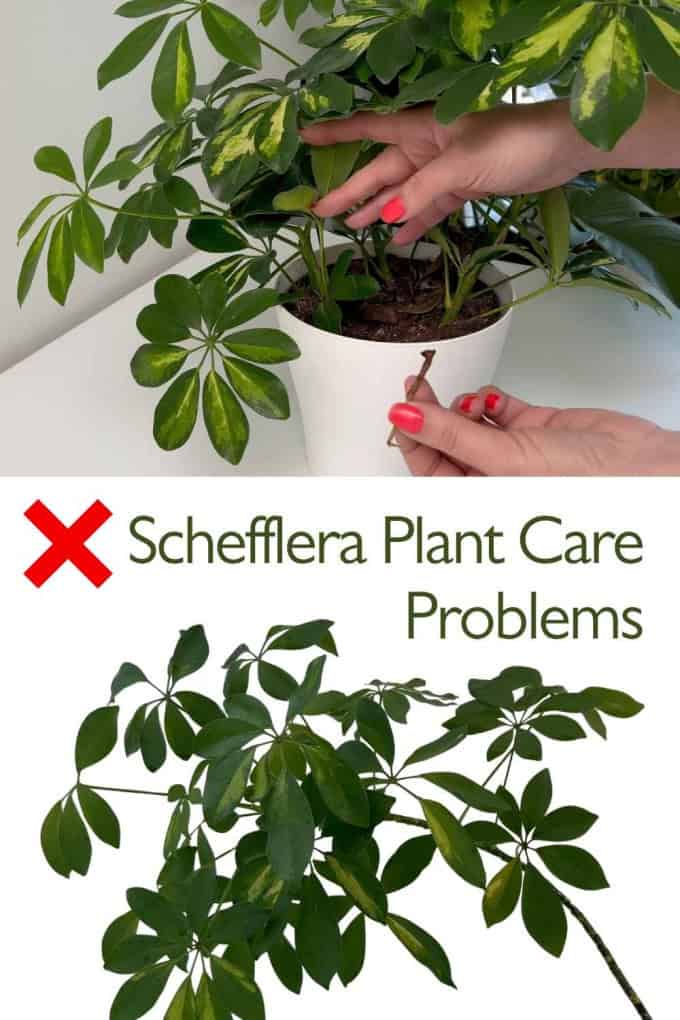
Always check your soil moisture before watering. Stick your finger about two inches into the soil. If it feels dry at that depth, it’s time to water. If it’s still damp, wait a few more days. Schefflera prefers soil that dries out slightly between waterings, but never completely dry.
Also, use well-draining soil and a pot with drainage holes so excess water can escape. Remember, watering isn’t about a fixed schedule; it’s about listening to your plant’s needs! Watering issues rank among the top Schefflera plant care problems, so learning the right balance is essential.
If you want to learn how to water your houseplants the right way and avoid the most common mistakes, read my full article Houseplants Watering Tips - 5 Mistakes to Avoid: How, When & How Much to Water.
Mistake #2: Not Enough Light for Schefflera Plants
Although Schefflera is often called a low-light tolerant plant, this only means it can survive, not thrive, in low light.
When your Schefflera lacks sufficient light, it stretches toward any available light source, resulting in leggy, weak growth with sparse leaves. This is a very common Schefflera plant care problem that makes the plant look unhappy and unhealthy.
Best Light Conditions for Schefflera
Schefflera is a tropical plant and loves bright, indirect light. Place it near a window where it can get several hours of indirect sunlight daily. For example, a spot a few feet from a west-facing window with some afternoon sun is ideal.
If your plant is leggy, prune it to encourage bushier growth, but more importantly, move it to a brighter location to prevent further stretching.
If you want to know more about light requirements for houseplants and how to find the perfect spot for each plant, read my full article Light Requirements for Houseplants: The Secret to Thriving Indoor Plants.
Mistake #3: Leaves Problems - Yellowing, Brown Tips, Crispy Edges & Dropping Leaves
Leaf issues are one of the most visible Schefflera plant care problems and can signal underlying care mistakes. Here’s what your Schefflera leaves can tell you:
Yellowing Leaves
- Yellow and soft leaves usually mean overwatering.
- Yellow and dry leaves point to underwatering.
Check soil moisture and adjust watering accordingly. Also, consider repotting if the soil is old or compacted.
Brown Tips & Crispy Edges
These are usually caused by low humidity or inconsistent watering. Since Schefflera is tropical, dry indoor air - especially in winter - can dry out leaf tips. To improve humidity:
- Mist your plant or shower it every couple of months.
- Use a pebble tray or humidifier nearby.
Dropping Leaves
Some leaf drop is normal, but excessive loss indicates stress. Causes include:
- Temperature fluctuations or drafts
- Improper watering
- Sudden changes in environment
- Lack of sufficient light
⚠️ Pay close attention and avoid sudden changes to keep your Schefflera happy.
Not sure why your Schefflera is dropping leaves even though you’re watering it correctly?
I’ve explained all the common causes + step-by-step fixes in this guide:
👉 Why Is My Schefflera Dropping Leaves? (Causes + Fix)
Mistake #4: Moving Schefflera Too Often
Schefflera plants do not like being moved frequently. Changing location or rotating too often can stress the plant and cause leaves to drop.
If you must move your plant, do it slowly over several days to allow it to adjust. Avoid placing it near heating vents, air conditioners, or drafty windows as sudden temperature changes are stressful.
If your Schefflera is thriving, the best care is often simply leaving it where it is.
Mistake #5: Pests and Sticky Leaves on Schefflera
Common pests like spider mites, scale, and mealybugs can affect Schefflera.
- Mealybugs hide in leaf joints and leave a sticky residue called honeydew, which can attract mold. If you’re dealing with mealybugs on your Schefflera, check out my detailed article on How to Get Rid of Mealybugs for step-by-step tips on safely and effectively removing these pests from your plants.
- Spider mites create fine webbing and cause yellowing leaves.
If you’re already dealing with pests on your Schefflera, early treatment is key.
In the video below, I show a real test using 70% alcohol on houseplants, applied undiluted, to remove common pests like mealybugs and spider mites safely.
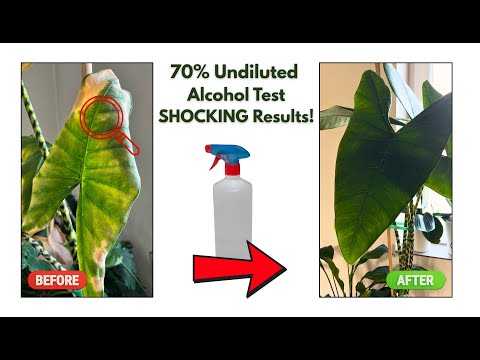
Click here to watch the video on YouTube
How to Prevent and Treat Pests
- Regularly inspect your plant, especially under leaves.
- Treat infestations early with neem oil or insecticidal soap.
- Keep your plant clean and healthy to prevent pests.
Final Thoughts on Schefflera Plant Care Problems
Looking back, the main mistakes I made with my 7-year-old Schefflera were lack of light and underwatering - which led to leaf drop and leggy growth. After moving it to a better spot and adjusting watering, it’s already showing signs of recovery.
Patience is key: allow your plant time to adapt before pruning or making further changes.
If you want to see the full process and results, watch my Schefflera Plant Care Problems video below. Subscribe to my YouTube channel for more updates, and leave your questions or tips in the comments!
Watch the full video here:
Frequently Asked Questions
Why is my Schefflera dropping leaves?
Usually stress from overwatering, drafts, or being moved. Keep it in a stable spot with steady watering and bright, indirect light.
Why are my Schefflera leaves turning yellow?
Most often overwatering or poor drainage. Let the top inch or two of soil dry out and make sure the pot drains well.
How much light does a Schefflera need?
Bright, indirect light. Too little light causes leggy, sparse growth, while harsh direct sun can scorch the leaves.
Why is my Schefflera leggy?
Not enough light. Move it somewhere brighter and prune the long stems to encourage bushier growth.
How do I get rid of pests on my Schefflera?
Wipe the leaves, then treat scale or aphids with diluted alcohol or neem oil, repeating every few days until they are gone.
Related Topics
- Ponytail Palm Care Problems: 5 Mistakes to Avoid
- Ficus Elastica Tineke Care Problems: 5 Mistakes to Avoid
- Winter Houseplant Care Mistakes: 5 Things You Should Never Do
- Zeolite for Plants: What It Is and Why It Matters
Written by Bojana
Plant lover, grower, and music maker behind Plant House & Garden, with 35+ years of hands-on houseplant experience. Read more about Bojana →