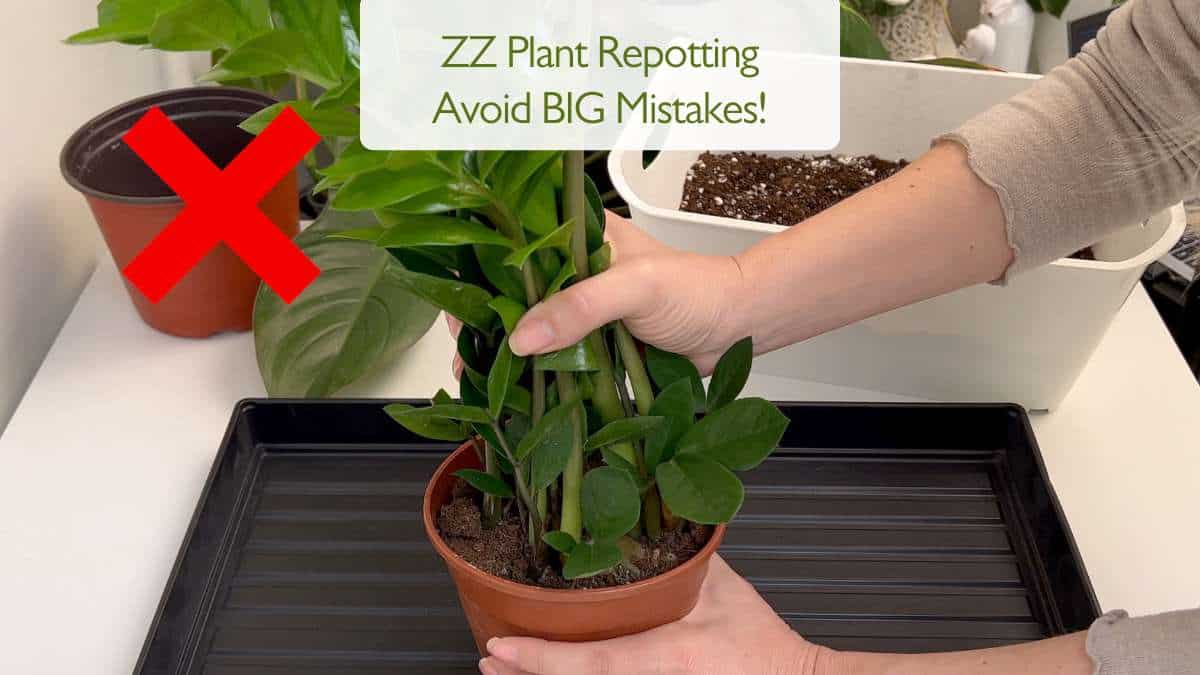
ZZ Plant Repotting - How to Repot Your Zamioculcas? Avoid BIG Mistakes
If you want to keep your ZZ plant healthy and thriving, learning the right ZZ plant repotting techniques is essential. In this guide, I’ll walk you through everything you need to know about when, how, and why to repot your Zamioculcas, plus the biggest mistakes to avoid that could harm your plant.
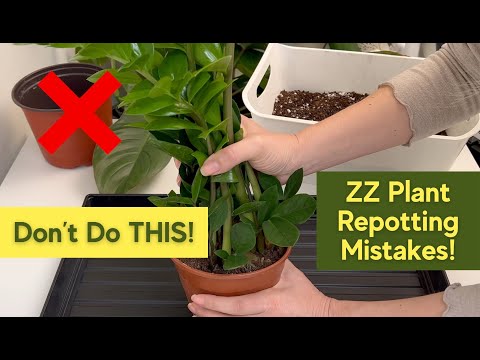
If you prefer visuals, you can watch the video I made below that shows all these steps in action:
| Question | Answer |
|---|---|
| How often | Every 2 to 3 years, or when roots fill or lift the pot. |
| Best time | Spring or early summer, during active growth. |
| Pot size | One size up (about 2 inches wider), with drainage holes. |
| Soil | Light, well-draining mix (potting soil with perlite, or cactus mix). |
| Aftercare | Wait a few days, then water lightly; keep out of harsh sun. |
| Avoid | Oversized pots and overwatering, which rot the rhizomes. |
Why ZZ Plant Repotting Needs Careful Attention
Understanding ZZ plant repotting starts with knowing the plant’s unique underground rhizomes. These thick, water-storing structures are critical for your plant’s survival, so handling them gently during repotting is a must to prevent stress or damage.
When to Repot Your ZZ Plant: Signs and Timing
Knowing the right time for ZZ plant repotting makes all the difference. Typically, ZZ plants need repotting every 2 to 3 years, or when you notice they’re rootbound with roots coming from drainage holes. Repotting during spring, the growing season, helps your plant recover faster.
Choosing the Right Pot and Soil for ZZ Plant Repotting
For successful ZZ plant repotting, pick a pot just one or two inches larger with drainage holes. Using the right soil is key, I recommend a chunky, well-draining mix, such as 70% potting soil mixed with 30% perlite or succulent mix, to prevent soggy roots.

Step-by-Step ZZ Plant Repotting Guide
Here’s how I do ZZ plant repotting carefully to keep my plants healthy:
- Remove the plant from dry soil carefully to avoid damaging the rhizomes.
- If stuck, cut the plastic pot away instead of pulling hard.
- Gently shake off old soil without rough handling.
- Place fresh soil in the new pot’s bottom, center the plant, and fill in the sides.
- Keep soil loose to encourage airflow.
- Water thoroughly after repotting and let excess drain.
- Avoid fertilizing for at least two months after repotting.
Common Mistakes to Avoid During ZZ Plant Repotting
Avoid these errors when doing ZZ plant repotting:
- Using pots that are too large and retain excess moisture
- Heavy, compacted soil that keeps roots wet
- Damaging rhizomes during the process
- Overwatering right after repotting
Watch My ZZ Plant Repotting Video for a Visual Guide
For a detailed walk-through of ZZ plant repotting, watch my video below. It shows all these steps in action and common pitfalls to watch out for.
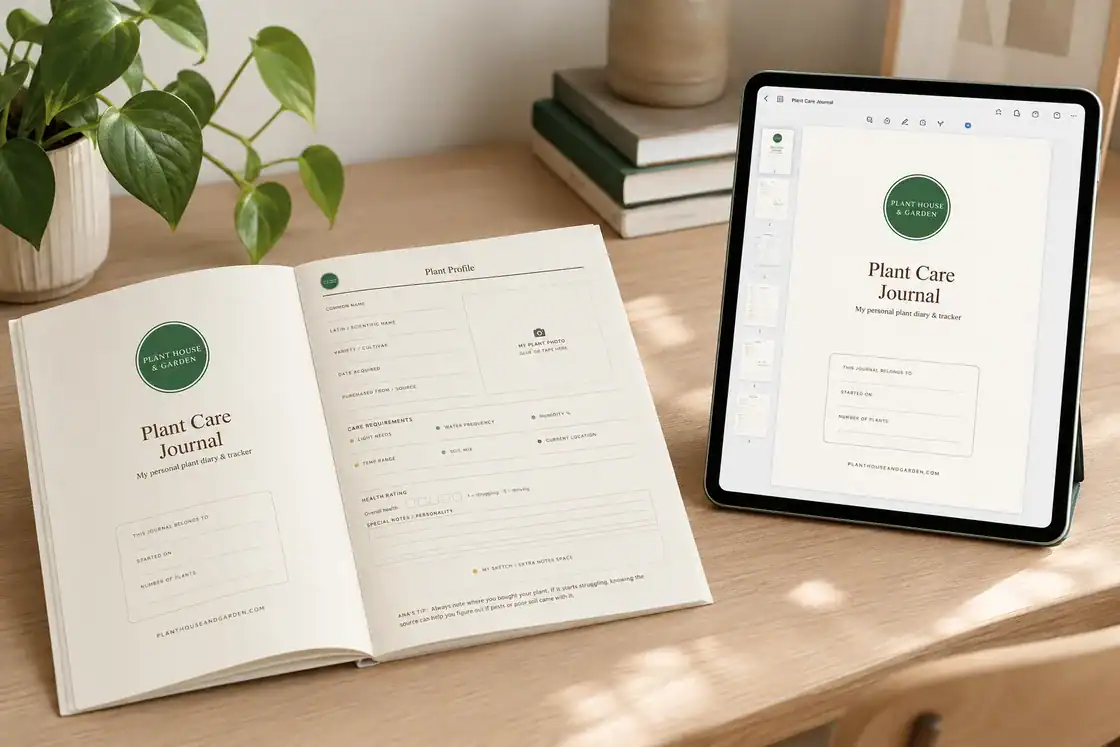
Not sure when your ZZ is due for a repot? It helps to keep notes. My Plant Care Journal lets you log when you last repotted and how each plant is doing, so you always know when it is time.
Frequently Asked Questions
How often should you repot a ZZ plant?
ZZ plants only need repotting every 2 to 3 years. They are slow growers that actually prefer to be slightly root-bound, so repot only when the roots fill the pot, circle the bottom, or start pushing the plant upward.
When is the best time to repot a ZZ plant?
Spring or early summer is best, when the plant is actively growing and recovers fastest. Avoid repotting in winter, when growth slows and fresh, damp soil is more likely to cause rot.
What kind of soil and pot does a ZZ plant need?
Use a light, well-draining mix, such as regular potting soil with added perlite, or a cactus and succulent mix. Choose a pot just one size larger with good drainage holes. Too large a pot holds extra water and can rot the rhizomes.
Should I water my ZZ plant right after repotting?
Wait a few days before watering after repotting, then water lightly. The rhizomes store plenty of water, so the plant will not dry out, and giving the fresh soil time to settle reduces the risk of root rot.
Why is my ZZ plant struggling after repotting?
Some droopiness right after repotting is normal transplant stress and usually passes in a week or two. Keep it in bright indirect light, avoid overwatering, and do not fertilize until it settles. If leaves yellow and the soil stays wet, check the rhizomes for rot.
Learn More About ZZ Plant Care and Problems
If you want to dive deeper into ZZ plant care, including common problems and propagation, check out my full ZZ Plant Care Guide or watch my video below.

Related Articles
- Why Your ZZ Plant Isn’t Growing - 7 Reasons Your Zamioculcas Is Stuck & How to Fix It Fast
- ZZ Plant Problems: 5 Common Mistakes and How to Fix Them
- The Complete Guide to ZZ Plant Care (Zamioculcas Zamiifolia)

Written by Bojana
Plant lover, grower, and music maker behind Plant House & Garden, with 35+ years of hands-on houseplant experience. Read more about Bojana →