Calathea Orbifolia Care: Everything You Need to Know
If you’re searching for Calathea Orbifolia care, this comprehensive guide will walk you through everything I’ve learned from two years of nurturing this spectacular prayer plant. From its Amazonian origins and striking silver‑striped leaves to precise watering techniques, humidity hacks, and troubleshooting brown edges, you’ll have all the insights needed to keep your Orbifolia lush and healthy.
For a visual walkthrough and more tips explained, I suggest you watch my video below:

Click here to watch the video on YouTube
| Need | What it likes |
|---|---|
| Light | Bright, indirect light, never direct sun |
| Water | Keep lightly moist with soft or filtered water |
| Humidity | High, ideally 60 percent or more |
| Temperature | Warm, around 18 to 27 C, no cold drafts |
| Soil | Light, airy, moisture-retentive mix |
| Feeding | Diluted fertilizer monthly in spring and summer |
| Toxicity | Non-toxic and safe for pets |
Origins and Natural Habitat of Calathea Orbifolia
Understanding Calathea Orbifolia care starts with its wild roots. Native to the Bolivian rainforests, Orbifolia grows on the forest floor beneath a dense canopy. It evolved to thrive in warm, humid conditions and gently filtered light - key habits you’ll replicate indoors to mirror its natural environment and encourage its elegant, round leaves.
Calathea Orbifolia Care: Recognizing Its Signature Foliage
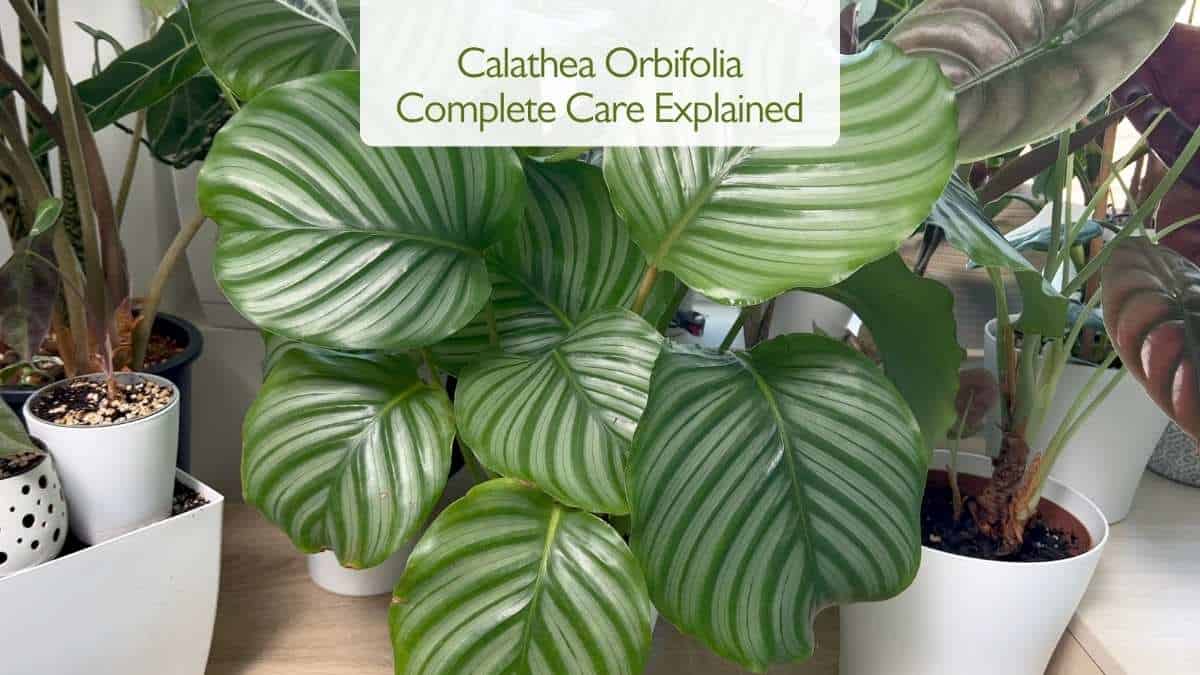
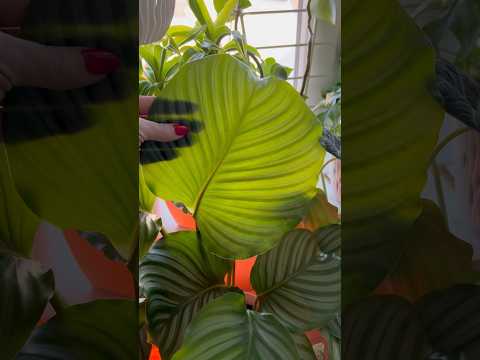
One of the most rewarding aspects of Calathea Orbifolia care is watching each new leaf unfurl from a tightly rolled tube into a large, circular blade marked by eye‑catching silvery‑green stripes. Mature leaves develop a glossy sheen and delicate waviness along their edges, creating an elegant, tropical statement piece in any room.
Light Requirements for Calathea Orbifolia Care
Orbifolia flourishes in medium to bright, diffused light - never direct sun. I keep mine three feet back from a north‑facing window in summer and even closer in winter months to maximize gentle morning rays. Too little light will slow growth and dull its silvery patterns, while harsh midday sun can scorch the foliage and leave brown spots. Aim for a consistently bright spot with no direct afternoon glare.
For a quick visual on finding the perfect light, check out my YouTube Shorts “Perfect Position for Calathea Orbifolia! Amazing New Leaf:
Watering Techniques in Calathea Orbifolia Care
Water quality and consistency are pivotal in Calathea Orbifolia care. Tap water’s chlorine and fluoride can harm roots, so always use distilled, filtered, or rainwater. Check moisture by feeling the top inch of soil, water thoroughly when it’s just dry, allowing the pot to soak for 15-20 minutes before discarding excess. Never let the soil fully dry out, or you’ll see crispy, brown edges; equally, avoid waterlogged conditions that invite root rot. For more in‑depth guidance on watering all your indoor greenery, check out my comprehensive Houseplants Watering Tips.

Humidity Hacks for Calathea Orbifolia Care
High humidity - above 50 percent is essential. If your home’s air is dry, run a humidifier nearby or group your Orbifolia with other houseplants on a pebble tray. Bathroom placement works brilliantly if there’s indirect light, as regular shower steam boosts ambient moisture. Misting can help, but do it sparingly to prevent fungal issues. I’ve found that consistently high humidity not only stops brown tips but also encourages larger, healthier leaves.
Temperature Considerations in Calathea Orbifolia Care
Stable warmth is another pillar of Calathea Orbifolia care. Keep temperatures between 65 °F and 80 °F, and protect your plant from drafts, air conditioners, and heaters. Avoid letting the thermostat dip below 60 °F - cooler air stresses leaves and can cause discoloration, while extremes above 85 °F risk rapid moisture loss and browning edges.

Soil Mix & Repotting Best Practices
For long‑term health, Calathea Orbifolia care demands a chunky, well‑draining mix. I blend equal parts coco coir, orchid bark, compost, and perlite to create an airy, nutrient‑rich medium. Repot every two years when roots fill the pot: choose a container just one size larger, gently lift the root ball without removing too much old soil, then top up with fresh mix. After potting, submerge for a deep soak of 20 minutes before returning to its decorative cachepot.
Fertilizing Your Calathea Orbifolia
Regular feeding keeps Orbifolia vigorous. From spring through early fall, apply a balanced liquid houseplant fertilizer at half strength every four weeks - always after watering to prevent root burn. Cease feeding in winter’s dormancy to allow your plant to rest. Over‑fertilizing risks salt buildup and leaf tip burn, so stick to a light hand. And for an all‑natural nutrient boost, be sure to explore my DIY Organic Fertilizer Recipe for Houseplants.
Pests, Diseases & Common Problems
Despite its beauty, Orbifolia can attract spider mites, aphids, and mealybugs; inspect both leaf surfaces weekly and treat infestations promptly with neem oil or insecticidal soap. Fungal diseases and root rot stem from overwatering or poor drainage - prevent these by sticking to your moisture schedule and ensuring excess water never pools. Yellowing leaves signal water stress, while brown edges often point to low humidity or inconsistent watering. By fine‑tuning care, you can banish these issues and keep foliage pristine.
By following these expert Calathea Orbifolia care techniques - right light, water quality, humidity control, and soil management, you’ll enjoy two‑year‑old leaves and even more spectacular growth for years to come. If you found this guide useful, don’t forget to watch the video, like, and subscribe for more in‑depth plant care tutorials.
Calatheas reward consistency, so it helps to keep track. My Plant Care Journal makes it easy to log watering and humidity, so your orbifolia keeps pushing out those big silver leaves.

Frequently Asked Questions
Why are my Calathea orbifolia leaves curling?
Curling leaves usually mean the plant is too dry, whether from low humidity, underwatering, or dry air. Raise the humidity, keep the soil lightly moist, and move it away from heaters and drafts. Calatheas naturally curl their leaves at night, which is normal, but daytime curling is a thirst signal.
Why does my Calathea orbifolia have brown leaf edges?
Brown, crispy edges are most often caused by minerals and fluoride in tap water, low humidity, or letting the soil dry out. Switch to filtered, distilled, or rested water, raise the humidity, and keep the soil evenly moist. Trim the brown edges off to tidy the plant up.
How much humidity does Calathea orbifolia need?
Calathea orbifolia loves high humidity, ideally around 60 percent or more. In dry homes, group it with other plants, use a humidifier, or set it on a pebble tray. Consistent humidity is the single biggest factor in keeping its large leaves smooth and unblemished.
How often should I water Calathea orbifolia?
Water when the top of the soil just begins to dry, often about once a week, keeping it lightly moist but never soggy. Use soft water and a pot with drainage. Both overwatering and letting it dry out completely will stress the plant, so aim for steady, even moisture.
Is Calathea orbifolia toxic to pets?
No. Calathea orbifolia is non-toxic and considered safe for cats and dogs, which makes it a great choice for pet-friendly homes. Pets may still nibble the leaves, so it is best to keep it where they are less likely to chew on it.

Written by Bojana
Plant lover, grower, and music maker behind Plant House & Garden, with 35+ years of hands-on houseplant experience. Read more about Bojana →