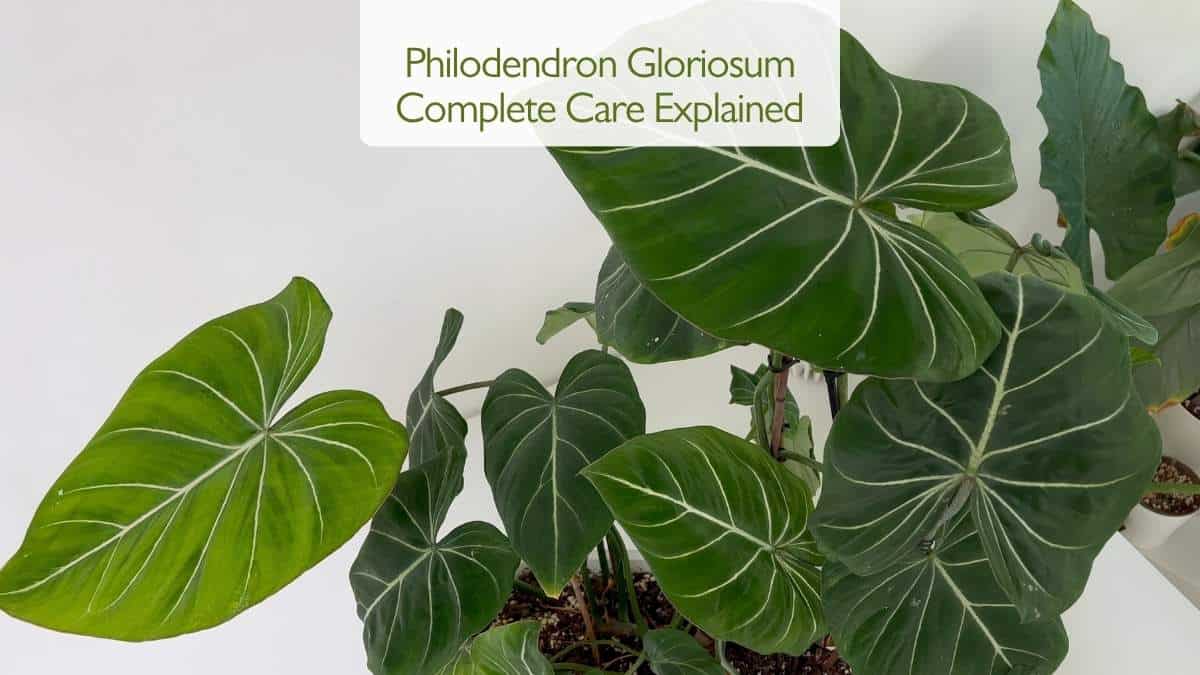
Philodendron Gloriosum Care: How to Grow Velvety, Oversized Leaves Indoors
Part of my complete Philodendron Care Guide: light, water, problems, every variety, and propagation in one place.
Quick answer: Philodendron Gloriosum is a crawling aroid with velvety, white-veined leaves. Give it bright indirect light, water when the top inch of soil is dry, a chunky well-draining aroid mix in a wide, shallow planter, and high humidity. Keep it warm, avoid soggy soil, and note it is toxic to cats and dogs.
Philodendron Gloriosum Care at a Glance
| Care | What it needs |
|---|---|
| Light | Bright, indirect light; no direct sun |
| Water | When the top inch of soil is dry; never soggy |
| Soil | Chunky, well-draining aroid mix |
| Planter | Wide and shallow - the rhizome crawls along the surface |
| Humidity | High, 60 percent or more |
| Temperature | 18 to 27 C (65 to 80 F) |
| Toxicity | Toxic to cats, dogs and people |
If you’re searching for Philodendron Gloriosum care, you’ve come to the right place. In this detailed guide, you’ll discover everything I’ve learned about nurturing the stunning Gloriosum Philodendron; from ideal light and watering routines to repotting, fertilizing, and pest prevention. I’ll also share how I tripled my plant’s size in nine months and even repotted it twice as it outgrew its pots!
For a visual walkthrough and more in‑depth tips, be sure to watch my video below:
Click here to watch the video on YouTube
Understanding Philodendron Gloriosum in the Wild
Effective Philodendron Gloriosum care begins with its natural history. Native to the humid tropical forests of Central and South America, Gloriosum spreads across the forest floor, receiving dappled sunlight through the canopy. Unlike climbing philodendrons, it crawls horizontally - so in cultivation, giving it room to expand is just as important as light and moisture.
Philodendron Gloriosum Care: Light Requirements
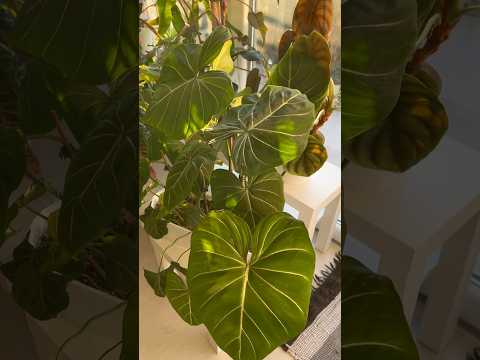
Philodendron Gloriosum thrives in bright, indirect light. In my northern‑hemisphere home, I started mine by a northeast window, where it received gentle morning sun. Later, I moved it to a south‑facing spot with UV‑filtered glass, which accelerated leaf size and production. Too little light results in smaller leaves and slower growth; too much direct midday sun can scorch the foliage. Aim for a balance - morning or late‑afternoon direct rays filtered through a sheer curtain are ideal. Rotate your plant every 10 days to ensure even growth and prevent it leaning toward the light source. See my short video below:
Philodendron Gloriosum Care: Watering Guidelines
Consistent moisture without waterlogging is the next pillar of Philodendron Gloriosum care. I water when the top two to three inches of soil feel dry, delivering a thorough soak until water drains freely. In brighter, warmer months, this might mean more frequent watering; in cooler seasons, reduce to prevent soggy conditions that invite root rot. When in doubt, err on the side of underwatering - Gloriosum tolerates slight dryness far better than standing water.
Temperature and Humidity for Philodendron Gloriosum Care
Mirroring its rainforest home, Philodendron Gloriosum prefers temperatures between 65 °F and 85 °F and humidity above 60 percent. Keep it away from cold drafts, air conditioners, or radiators. When indoor air dries out in winter, boost humidity by grouping plants on a pebble tray or running a humidifier nearby. Avoid misting foliage, as trapped moisture can encourage fungal issues. High humidity encourages larger, healthier leaves and more vigorous crawling growth.

Repotting & Soil Mix in Philodendron Gloriosum Care
Because Gloriosum is a crawler, it favors wide, shallow pots over deep containers. I repotted mine twice in nine months, each time choosing a pot that accommodated its spreading stems. Always select a pot with drainage holes to prevent waterlogging and gently loosen old soil only as needed to protect delicate roots. For soil, I use a custom aroid mix of coco coir, perlite, orchid bark... light, airy, and well‑draining. To see exactly how I prepare this blend step by step, check out my DIY guide on Soil‑Free Aroid Potting Mix: The Best DIY Recipe for Healthy Aroid Plants. A ready‑made aroid or tropical mix also works well so long as it’s not overly compact.
Support Strategies for Philodendron Gloriosum Care
As the large leaves mature, their weight can pull stems downward, so providing support is essential. Discreet stakes, clips, or a low moss pole offer a gentle lift without damaging foliage, encouraging an upright growth habit. With proper support, not only do the leaves stay off the soil - reducing pest and fungal risks, but they also tend to develop even larger, more dramatic white‑veined foliage than they would unsupported.
Fertilizing Tips in Philodendron Gloriosum Care
Feed your Gloriosum monthly from spring through fall with a balanced 20‑20‑20 liquid fertilizer at half strength. Always water before fertilizing to prevent root burn. During winter dormancy, pause feeding or reduce to once every two to three months - overfeeding in low‑growth periods can lead to salt buildup and burned roots.
If your plants need a mild nutrient boost without risking overfertilizing, rice water can be a great option. Learn how to use it safely here.
Propagation for Philodendron Gloriosum Care
When your Gloriosum’s crawling stem produces aerial roots and visible nodes, propagation is simple. Cut a section containing at least one node and either place it in water or plant directly into moist aroid mix. Roots will form in one to two weeks; then, you can transplant water‑rooted cuttings into soil. This technique helps manage size and expand your collection.
Pests & Diseases to Watch for in Philodendron Gloriosum Care
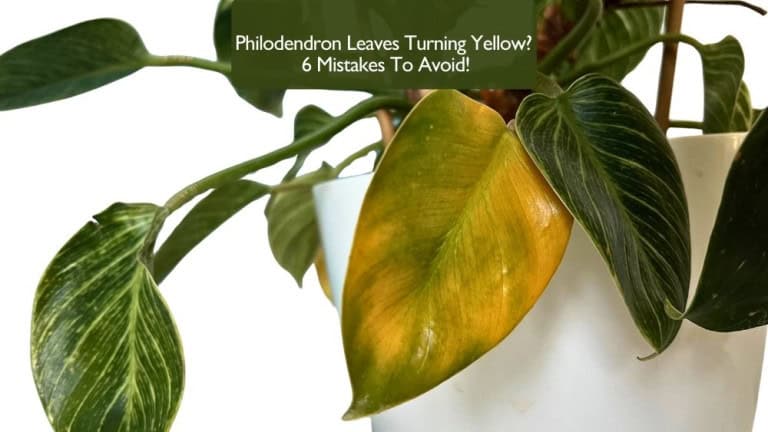
Although generally robust, your Philodendron Gloriosum can attract spider mites, mealybugs, or scale. Inspect stems and leaf undersides regularly, wiping foliage with a damp cloth and treating infestations promptly with neem oil or insecticidal soap. Prevent root rot by avoiding overwatering and ensuring good drainage; maintain air circulation to deter fungal diseases. Normal yellowing of older leaves is part of the plant’s lifecycle - trim these off to promote fresh growth.
If you suspect pests but don’t see them clearly, I tested a simple and popular method using 70% alcohol on houseplants and documented exactly what happened - what worked, what didn’t, and how to use it safely: 👉 70% Alcohol on Houseplants to Kill Pests? I Tested This Method - Here’s What Happened
By following these essential Philodendron Gloriosum care practices, you’ll enjoy a lush carpet of dramatic, velvety leaves and steady new growth season after season. If you found this guide helpful, please watch the video, like, and subscribe for more expert plant care insights. Share your own Gloriosum success stories or questions below - happy growing!
Related Articles
- Philodendron Leaves Turning Brown? Causes, Fixes & How to Stop It
- Philodendron Leaves Turning Yellow? Here’s What Your Plant Is Telling You
- How to Propagate Philodendron Pink Princess + Root Rot Rescue
- How to Propagate Philodendron White Princess in Water + Results
- Extrafloral Nectaries in Philodendrons (EFNs) - Explained
Frequently Asked Questions
How do you care for Philodendron Gloriosum?
Give it bright indirect light, water when the top inch of soil is dry, a chunky aroid mix and high humidity. Because it crawls, use a wide, shallow planter and keep it warm.
Does Philodendron Gloriosum climb or crawl?
It crawls. The rhizome grows along the soil surface, so a long, wide, shallow planter suits it far better than a tall pot.
Why are my Gloriosum leaves small?
Usually low light or humidity, or a cramped pot. Give bright indirect light, 60 percent or more humidity, and room for the rhizome to crawl.
How often should I water Philodendron Gloriosum?
When the top inch of soil is dry. It likes lightly moist but never soggy soil, which causes root rot.
Is Philodendron Gloriosum toxic to pets?
Yes, it is toxic to cats and dogs, so keep it out of reach. See our indoor plants safe for cats and dogs.

Written by Bojana
Plant lover, grower, and music maker behind Plant House & Garden, with 35+ years of hands-on houseplant experience. Read more about Bojana →