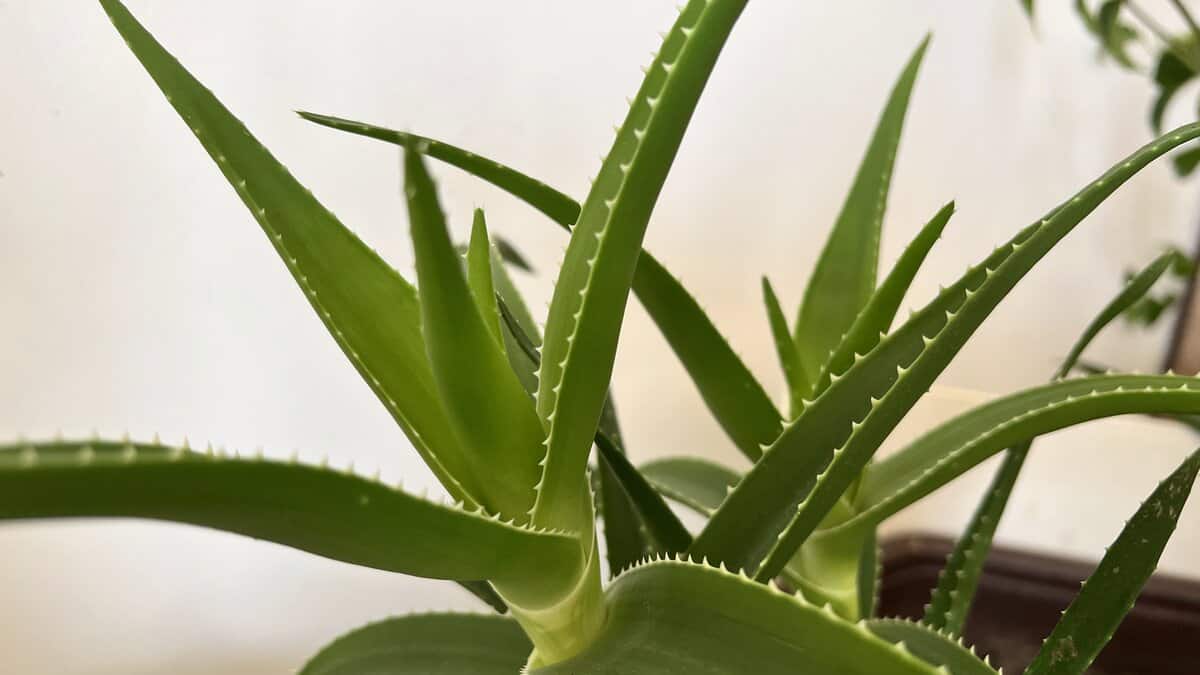
Aloe Vera Problems: 5 Mistakes That Make Leaves Droop, Brown, and Rot
If your aloe vera has gone soft, brown, or floppy, you are not doing anything unusual. Aloe is sold as one of the easiest plants in the world, so most of us treat it like any other houseplant, and that is exactly where the trouble starts.
Quick answer: Most aloe vera problems come from overwatering. Aloe is a succulent, so soft, brown, or mushy leaves usually mean the roots are sitting in damp soil, while thin, curling, or drooping leaves point to too little light. Water only when the soil is fully dry, give it bright light, and use a gritty, well-draining mix.
Almost every one of the aloe vera problems I get asked about comes back to the same short list of mistakes, and the good news is that all of them are fixable. I have grown aloe for years, killed a couple along the way, and learned that this plant wants the opposite of what a fussy tropical wants. Here are the five mistakes behind droopy, brown, mushy, or dying aloe, and what I do to turn each one around.
| Symptom | Most likely cause and fix |
|---|---|
| Brown, soft or mushy leaves | Overwatering and root rot. Let the soil dry out fully, then repot into a gritty mix and cut away any rotten roots. |
| Drooping or falling over | Too little light, or a pot with no drainage. Move it to bright light and use a heavier pot with holes. |
| Thin, curling leaves | Underwatering or long neglect. Give it one deep soak once the soil is bone dry. |
| Yellowing leaves | Usually overwatering, sometimes harsh midday sun. Check the soil before anything else. |
| Dry, brown leaf tips | Salt and mineral buildup from tap water. Flush the soil or switch to filtered water. |
| Pale or scorched patches | A sudden move into intense direct sun. Reintroduce strong light slowly. |
Mistake #1 - Watering It Like a Normal Houseplant
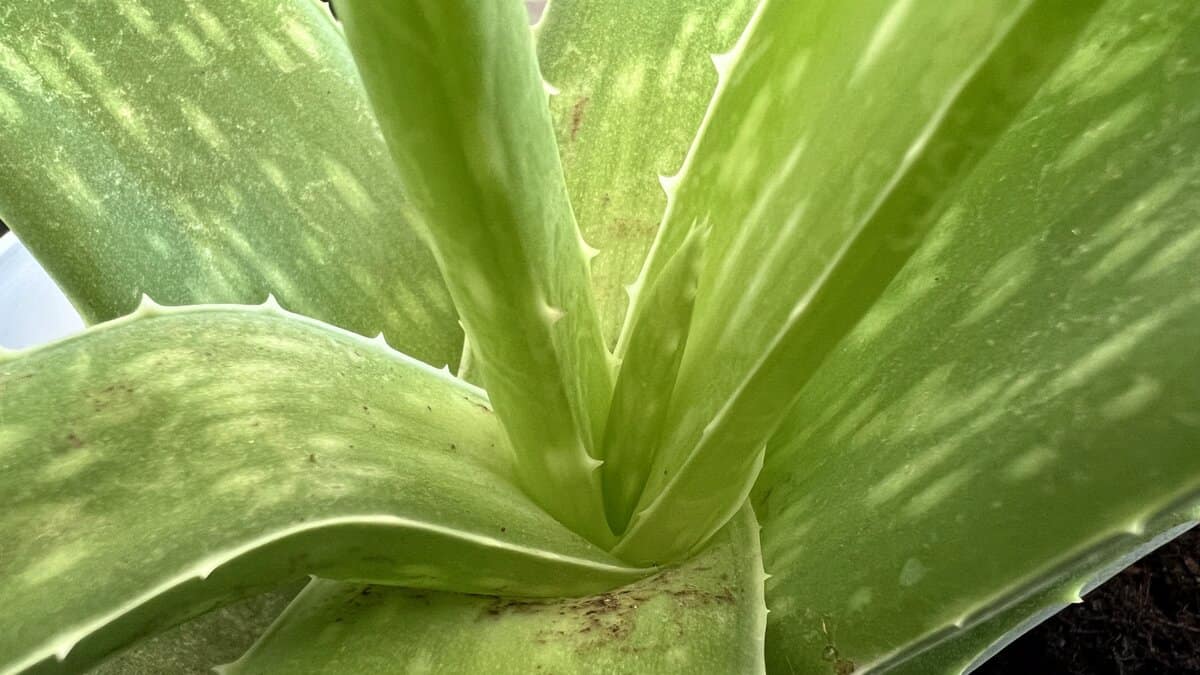
This is the big one, and it is behind most sad-looking aloes. Aloe stores water in those thick leaves, so it is built to go dry. When we water on a weekly habit, the soil never fully dries, the roots sit wet, and root rot sets in. That is when leaves turn brown, soft, and almost translucent near the base, and the whole plant starts to sag.
The fix is a mindset change: water only when the soil is dry all the way to the bottom, then soak it well and let it drain completely. In winter that can mean once a month or even less. If your aloe is already mushy, tip it out, trim off any brown or slimy roots, let it callus for a day, and repot into dry, gritty soil. I walk through the full rescue in my guide on how to fix root rot.
Mistake #2 - The Wrong Soil and a Pot With No Drainage
Even perfect watering cannot save an aloe planted in dense potting mix inside a pot with no hole. The soil holds water like a sponge, and the roots never get the dry spell they need. A decorative pot with no drainage is one of the most common reasons a healthy aloe slowly declines.
Give aloe a gritty, fast-draining mix (a cactus and succulent soil, or regular mix cut with plenty of perlite or coarse sand) in a pot with a real drainage hole. A slightly heavier pot also stops a big aloe from tipping over. Terracotta is ideal because it breathes and dries faster. If you are repotting anyway, my notes on repotting houseplants in fall cover timing and technique.

I show the exact soil mix and repotting step in this video. Subscribe to the channel for more real plant fixes.
Mistake #3 - Not Enough Light (the Real Reason It Droops and Falls Over)
If your aloe is leaning, splaying outward, or flopping flat instead of standing up, light is usually the culprit. In low light, aloe stretches and grows thin, weak leaves reaching for a window, and eventually they cannot hold themselves up. People often mistake this floppy look for thirst and add more water, which only makes it worse.
Aloe wants the brightest spot you have, ideally a few hours of direct sun a day. A south or west window is perfect. Move a stretched, pale plant into strong light gradually so it does not scorch, and turn the pot every week or two so it grows evenly instead of leaning. Aloe is one reason I would never treat it as a low-light plant, unlike the ones in my best plants for low light roundup. It is also a popular bedroom plant, though it only really thrives right beside a bright bedroom window, so see which picks actually cope with a dim room in my bedroom plants roundup.
Mistake #4 - Guessing Instead of Checking the Soil
Overwatering and underwatering can look almost identical (both cause soft, discolored, unhappy leaves), which is why watering on a fixed schedule is such a trap. The same weekly routine that drowns aloe in winter can leave it thirsty in a hot, bright summer.
Stop guessing and check instead. Push a finger deep into the soil, or lift the pot: a watered aloe is surprisingly heavy, a dry one is light. Only water when it is genuinely dry all the way down. This one habit prevents most aloe vera problems on its own. If you travel a lot, my watering routine for time away keeps succulents safe without anyone hovering over them.

Mistake #5 - Cold Drafts, Tap-Water Buildup, and Crowded Pups
The last cluster is the little things. Aloe hates cold: leaves near a freezing window or a chilly draft can turn mushy and glassy overnight, so keep it above roughly 10C (50F). Dry, brown leaf tips are often salt and fluoride from tap water collecting in the soil, so flushing the pot now and then or using filtered water helps. And if your aloe has produced a cluster of babies (pups), an overcrowded pot competes for water and light and can push the mother over. Gently separate the pups and pot them up on their own. It tidies the plant and gives you free aloes. Heading into the colder months, my prepare houseplants for winter checklist covers the cold and light changes that catch aloe out.
Final Thoughts - Aloe Vera Problems
Almost every aloe I have rescued came down to the same theme: it was being loved like a tropical when it wanted to be treated like the desert plant it is. Give it bright light, gritty soil, a pot that drains, and water only when it is bone dry, and most aloe vera problems simply stop happening. For more on spotting trouble early across your whole collection, see my guide to houseplant pests and problems. Fix the cause, be patient while it recovers, and this really is one of the toughest, most forgiving plants you can own.

Frequently Asked Questions
Why is my aloe vera turning brown and soft or mushy?
Soft, brown, mushy aloe leaves are almost always overwatering and the root rot that follows. Let the soil dry out completely, then unpot the plant, trim any rotten roots, and repot into dry, gritty succulent soil in a pot that drains.
Why is my aloe vera drooping or falling over?
Usually too little light, which makes the leaves grow thin and weak until they cannot hold themselves up. Move it to the brightest spot you have and use a heavier pot with a drainage hole so it stays stable.
How often should I water aloe vera?
Only when the soil is dry all the way to the bottom, then water deeply and let it drain fully. That often means every two to three weeks in summer and as little as once a month in winter. Check the soil rather than following a fixed schedule.
Why are my aloe vera leaves thin and curling?
Thin, curling leaves are the plant drawing on its own water reserves, usually from underwatering or too little light. Give it one deep soak once the soil is bone dry and move it somewhere brighter.
Is aloe vera safe for cats and dogs?
No. Aloe vera is toxic to cats and dogs if eaten and can cause vomiting and lethargy, so keep it out of reach of pets.
Related Topics
- Bedroom Plants: 8 Low-Light Picks for Better Sleep
- Houseplant Pests and Problems
- Root Rot: How to Save a Dying Plant
- Pet-Friendly Houseplants
- Pruning and Repotting Houseplants in Fall
- Prepare Houseplants for Winter
- Houseplant Care for Beginners

Written by Bojana
Plant lover, grower, and music maker behind Plant House & Garden, with 35+ years of hands-on houseplant experience. Read more about Bojana →