Caladium Plants Care: How to Grow Vibrant and Healthy Caladiums
Caladium plants are beloved for their stunning, colorful foliage that adds an exotic tropical flair to any garden or indoor space. Known for their heart-shaped, variegated leaves in shades of red, pink, white, and green, Caladiums make a spectacular statement - whether as houseplants or outdoor accents. Proper Caladium plants care is essential to maintain their vibrant colors and healthy growth throughout the seasons.
While Caladiums are generally easy to grow, they have specific care requirements to maintain their vibrant colors and lush growth. In this detailed guide, I’ll walk you through the key aspects of Caladium plants care, from light and watering to soil, temperature, and pest management.

Click here to watch the video on YouTube
| Need | What it likes |
|---|---|
| Light | Bright, indirect light, some types take a little more sun |
| Water | Keep evenly moist in growth, never soggy or bone dry |
| Soil | Rich, well-draining mix that holds some moisture |
| Humidity | High, 60 percent or more is ideal |
| Temperature | Warm, above 18 C, they hate the cold |
| Dormancy | Dies back in autumn, store tubers warm and dry over winter |
| Toxicity | Toxic to pets and people if eaten |
Light Requirements for Caladium Plants Care
Caladiums prefer bright, indirect light or filtered shade. While they can tolerate some morning sun, harsh afternoon sunlight can scorch their delicate leaves, causing them to fade or develop brown edges.
If grown indoors, place your Caladium near a north or east-facing window where it receives plenty of diffused light. Outdoors, plant Caladiums in partial to full shade for the best leaf coloration and health.
Watering Your Caladium Correctly
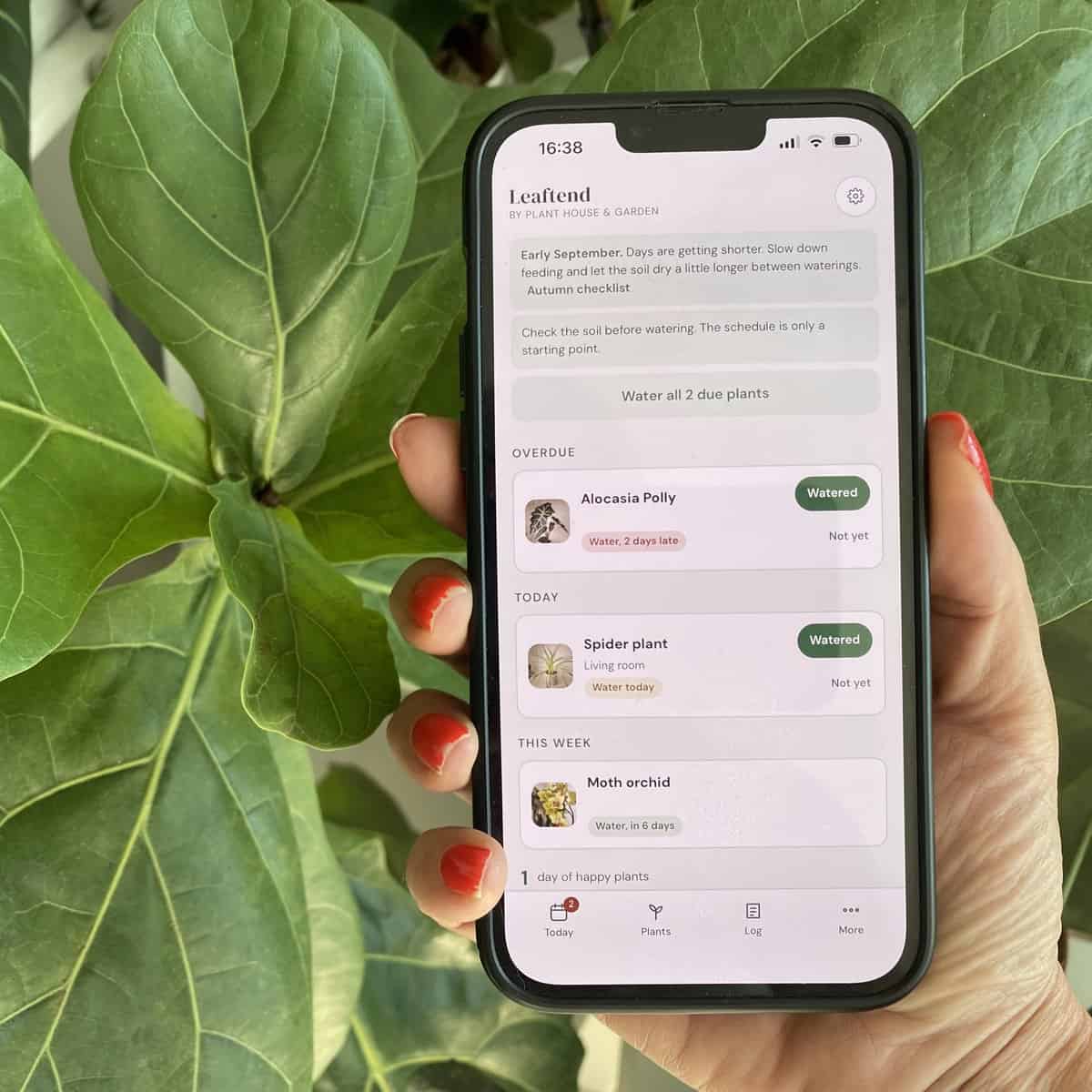
Proper watering is crucial in Caladium plants care. These tropical bulbs thrive in consistently moist soil but dislike soggy conditions that can cause root rot. Water your Caladium regularly during the growing season, keeping the soil evenly moist but not waterlogged.
During the dormant season (usually fall and winter), reduce watering to allow the bulbs to rest. Always ensure good drainage by using pots with drainage holes or planting in well-draining garden soil.
Soil and Fertilization
Caladiums prefer rich, well-draining soil high in organic matter. Using a peat-based potting mix or amending garden soil with compost will help retain moisture while providing nutrients.
Feed your Caladium monthly during the growing season with a balanced, water-soluble fertilizer to promote vibrant foliage and strong growth. Avoid fertilizing during dormancy.
Temperature and Humidity Needs
Caladiums are tropical plants and love warmth and humidity - key points in Caladium plants care. Keep temperatures between 70-85°F (21-29°C) during the growing season and avoid exposing them to temperatures below 60°F (15°C).
High humidity helps prevent leaf browning and keeps the foliage lush. Indoor growers can increase humidity by misting leaves regularly, placing humidifiers nearby, or using pebble trays with water.

Dormancy and Seasonal Care
One important aspect of Caladium care is understanding their dormancy cycle. As temperatures drop in fall, Caladium foliage will naturally die back as the bulbs enter dormancy.
During this time, cut back dead foliage and reduce watering significantly. If you live in colder climates, consider digging up bulbs to store indoors in a cool, dry place until spring planting.
Watch this short video below to see the exciting new growth emerging on Caladium plants in early spring (March) after their dormancy period. It’s a beautiful reminder of how proper Caladium plants care supports healthy seasonal cycles. Read more in details: How to Overwinter Caladium: Keep Your Tubers Healthy for Next Season

Pest Management for Caladium Plants
Common pests like aphids, spider mites, and thrips can occasionally affect Caladiums. Regularly inspect your plants and treat infestations early with insecticidal soap or neem oil.
Maintaining proper watering, humidity, and clean growing conditions also helps prevent pest problems.
Propagation Tips for Caladium Plants Care
Caladiums are propagated primarily through tuber division. When dormant, carefully dig up the bulbs and separate the tubers, making sure each section has at least one growth eye or bud.
Plant the divided tubers in fresh soil, keeping them warm and moist to encourage new growth. Propagation is a great way to multiply your collection and share the vibrant beauty of Caladiums.
Caladiums reward steady warmth and moisture. My Plant Care Journal helps you track watering and spot dormancy coming, so your tubers rest and regrow on cue.
Frequently Asked Questions
Why are my caladium leaves dying back?
In autumn, caladiums naturally go dormant and their leaves yellow and die back. This is normal. Reduce watering, let the foliage fade, and store the tubers somewhere warm and dry until you restart them in spring.
How much light does a caladium need?
Caladiums like bright, indirect light, which keeps their colours vivid. Most prefer to avoid harsh midday sun, though some newer sun-tolerant varieties cope with more. Too little light leads to dull colour and leggy growth.
How often should I water a caladium?
During active growth, keep the soil consistently moist but never waterlogged, watering when the surface starts to dry. They are thirsty in warm weather. As they enter dormancy in autumn, gradually reduce watering until you stop.
Are caladiums toxic to pets?
Yes. Caladiums contain calcium oxalate crystals and are toxic to cats, dogs, and people if chewed or eaten, causing mouth irritation and an upset stomach. Keep them out of reach of curious pets and children.
How do I get my caladium to grow back after winter?
After dormancy, restart the tubers in spring by potting them in fresh, moist soil and keeping them warm, around 21 C or above. Be patient, as they can take a few weeks to sprout, then growth speeds up with warmth and light.
Final Thoughts on Caladium Plants Care
With proper attention to light, water, soil, temperature, and pest control, your Caladium plants will reward you with spectacular foliage and vibrant color throughout the growing season. Whether you grow them indoors or outdoors, understanding their tropical needs is key to successful Caladium plants care.

Written by Bojana
Plant lover, grower, and music maker behind Plant House & Garden, with 35+ years of hands-on houseplant experience. Read more about Bojana →