Plant Sound Therapy: What Sound Frequencies Are and How I Use Them
🎵 Part of my Music for Plants hub.
Plant sound therapy is a revolutionary approach to gardening that uses carefully tuned sound frequencies to stimulate growth, improve health, and even increase flowering and fruiting in plants. For centuries, gardeners have believed that plants respond to music. Now, with modern research and frequency technology, we can target specific plant processes for maximum results.
Put these frequencies to work for your plants
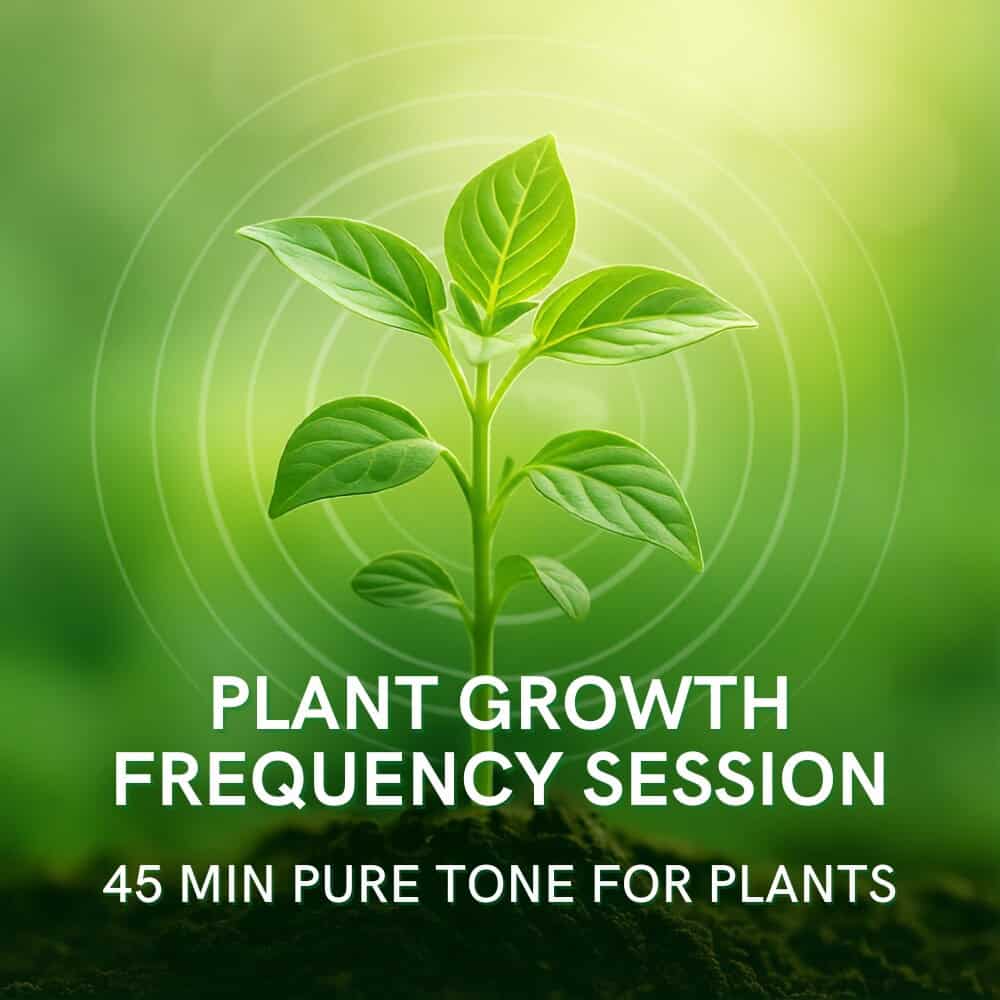
The Plant Growth Frequency is a 45-minute sound therapy session tuned to support stronger, healthier growth. Press play near your plants and let the vibrations do the rest.
Get the Plant Growth Frequency →Or explore the full Plant Sound Therapy collection.
| Claim | What the evidence shows |
|---|---|
| Specific frequencies make plants grow faster | No rigorous, repeatable studies confirm a reliable effect |
| Sound heals or repairs plants | There is no scientific evidence that sound heals plant tissue |
| Frequencies protect plants from pests | This is anecdotal, not shown in controlled studies |
| It is a relaxing, enjoyable routine | True, many people find the sound calming for themselves and their space |
What Is Plant Sound Therapy?
Plant sound therapy is the practice of playing specific sound frequencies - measured in hertz (Hz) - to plants to enhance their natural growth and resilience. These frequencies work on a vibrational level, influencing the plant’s cells, water content, and metabolic activity.
Unlike random background music, plant sound therapy uses pure, targeted frequencies that have been shown to affect processes like:
- Cell regeneration
- Nutrient absorption
- Bloom stimulation
- Stress resistance
Our collection includes 13 specialized plant sound therapy sessions, each designed for a specific growth phase or plant need.
The Idea Behind Plant Frequencies
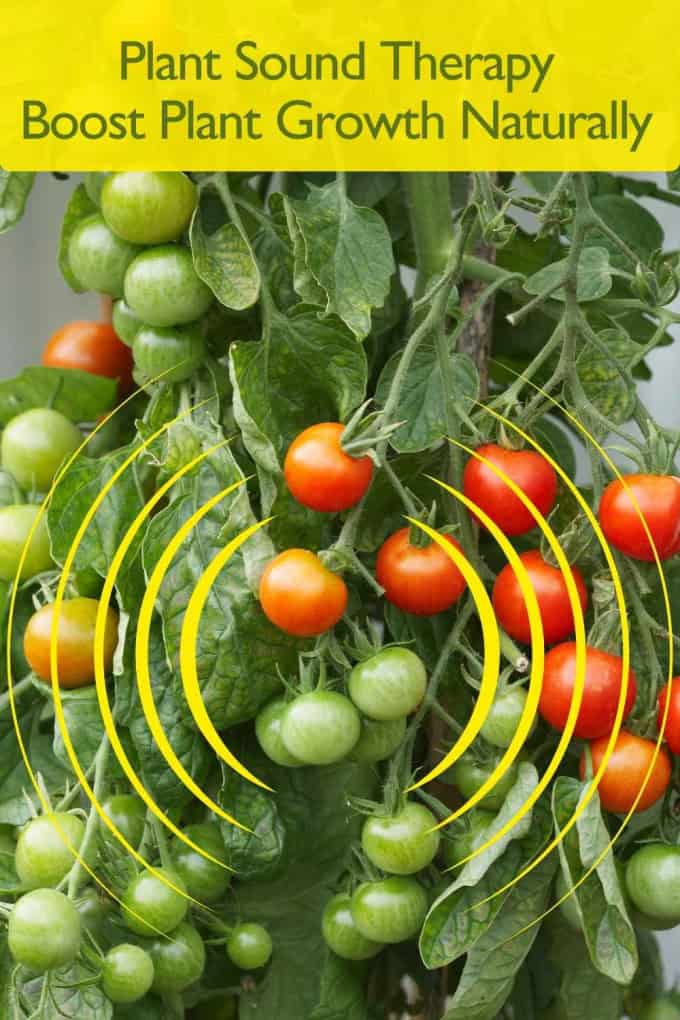
Plants are over 90% water, and water is an excellent conductor of sound. Just like music can affect our mood and energy, certain frequencies can influence a plant’s internal processes. Studies have shown that:
- Specific vibrations can accelerate photosynthesis.
- Some frequencies encourage the production of growth hormones.
- Sound can help plants recover from stress caused by pests, diseases, or environmental changes.
This is not just theory - plant sound therapy is already being used by indoor gardeners, greenhouse owners, and commercial growers around the world.
🔍 Related Reading:
Discover how water reacts to sound and why this matters for your plants. Read my article Masaru Emoto Water Research: How Water, Music, and Frequencies Influence Plant Growth to explore the fascinating science behind how frequencies can shape plant health and vitality.
The 13 Frequencies in Our Collection
Each of our plant sound therapy sessions targets a unique growth stage or plant challenge. Here’s a quick overview:
🌿 Plant Growth Frequency for Stronger Plants (General Growth & Vitality - Published: 45 min)
Give all your plants a natural boost. This session supports stronger stems, healthier leaves, and better overall vitality. Boosts immunity!
🌸 Phoma destructiva - Flowering & Fruiting Bloom Booster (Plant Growth & Flowering Support -Published: 18 min)
Turn up the bloom power! This frequency helps plants channel energy into bigger, brighter flowers and more fruitful harvests.
🌼 Plant sound therapy for Aphid Infestation (Insect Pest - Published: 16 min)
Aphids don’t stand a chance when your plants are supported from within. These frequencies help boost plant energy to recover from pest stress.
🥔 Plant sound therapy - Root Rot (Bacterial Disease - Published: 15 min)
Root rot is a plant parent’s nightmare. These sounds aim to promote a healthier root environment so your plants can drink up nutrients and thrive again.
🌿 Plant sound therapy Gray Mold (Fungal Disease) - coming soon
Give your plants the defense they need against gray mold. This frequency helps support stronger, healthier growth, even in damp conditions that usually encourage fungal problems.
🍃 Plant sound therapy for Powdery Mildew (Fungal Disease) - coming soon
Powdery mildew can make leaves look dusty and dull. This gentle sound therapy is designed to boost plant resilience and help them bounce back with fresh, vibrant foliage.
🌽 Plant sound therapy: Corn Smut - Downy Mildew (Fungal Disease) - coming soon
Perfect for plant lovers battling stubborn smut or mildew. These tones help strengthen your plants’ natural vitality and keep them looking their best.
🌱 Plant sound therapy for Fusarium (Fungal Disease) - coming soon
Fusarium wilt is tough, but your plants can be tougher. This session encourages healthy energy flow, supporting recovery and strong new growth.
🌿 Plant sound therapy for Bacterial Leaf Spot (Bacterial Disease) - coming soon
Spots on leaves? This therapy helps plants restore their natural beauty while encouraging stronger leaf health and overall vigor.
🕷 Plant sound therapy for Helminthosporium - Spider Mites Infestation (Insect Pest/Mite) - coming soon
Spider mites can sap a plant’s strength. This frequency is like a gentle shield, helping your plants stay lush and green after an infestation.
☀ Plant sound therapy for Thrip Infestation & Sun Scald (Environmental Stress + Insect Pest) - coming soon
Whether it’s sunburnt leaves or thrip damage, this upcoming therapy will help your plants recover and keep growing strong.
🍂 Plant sound therapy for Whitefly Infestation Virus (Viral Disease + Insect Pest Vector) - coming soon
Support your plants through viral and pest challenges. This therapy helps maintain steady energy so they can stay green and lively.
🌾 Plant sound therapy for Seed Germination & Disease (Fungal Disease & Germination Support) - coming soon
For strong starts and healthy sprouts, this therapy supports seeds as they grow into robust, resilient plants.
How to Use Plant Sound Therapy
For best results:
- Choose a Good Speaker: Use quality speakers for clear sound.
- Set the Right Time: Morning or early evening are ideal for most sessions.
- Play Consistently: Most frequencies work best when played 5-7 times per week.
- Avoid Loud Background Noise: A calm environment helps the plants absorb the vibrations.
For example, our Flowering & Fruiting Frequency works best when played during visible bloom or fruiting stages, twice per day for maximum results.
Why Gardeners Love It
People using plant sound therapy have reported:
- Faster growth in seedlings and mature plants.
- Bigger, more vibrant flowers.
- Higher fruit yields.
- Stronger resistance to pests and diseases.
- Healthier indoor and outdoor plants all year round.
Start Your Plant Sound Therapy Journey
We currently have three plant sound therapy sessions available for instant download:
- Plant Growth Frequency: 45 Min Sound Therapy for Stronger Plants - $29.99
- Flowering & Fruiting Frequency: 18 Min Sound Therapy for Bigger Blooms - $19.99
- Aphid Protection Sound Therapy & Plant Recovery: 16 Min Frequency for All Plants - $19.99
More sessions will be added soon - each designed to help your plants thrive naturally.
Conclusion:
Plant sound therapy is more than just music for plants - it’s a calming, natural way to nurture growth, beauty, and resilience in your garden. Whether you’re growing leafy greens, tropical houseplants, or blooming flowers, the right frequency can make all the difference.
Tip for Plant Lovers:
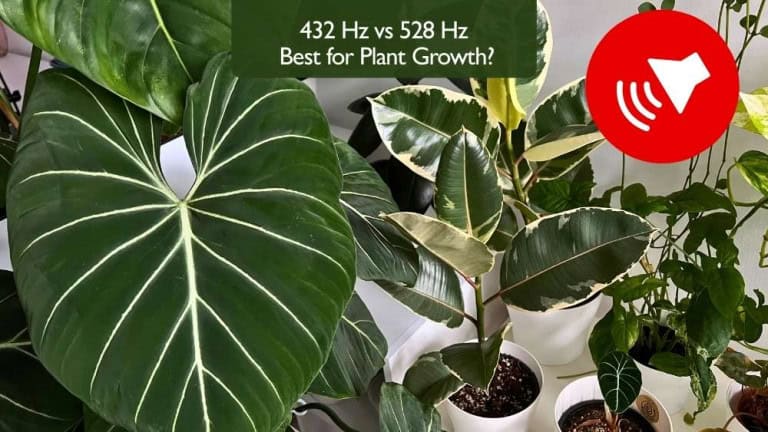
For the best results, I recommend following each frequency session with background music specially designed by me for plant growth. These unique compositions are tuned to powerful natural frequencies like 432 Hz, 528 Hz, and the Schumann Resonance (7.83 Hz) - all known to promote harmony, vitality, and faster growth in plants. You can also visit my YouTube channel Plant House & Garden to find more than 100 music tracks for plants.
Below, you’ll find three of my favorite plant growth music videos you can play after therapy to keep your plants in a happy, thriving state all day. 🌿✨


Curious to try it? You can explore the frequency tracks in the shop, and if you are new to plants in general, our houseplant care for beginners guide covers the basics that matter most. For the science side, see whether plants can feel vibrations.
Frequently Asked Questions
Is plant sound therapy scientifically proven?
No. While many gardeners enjoy playing frequencies and music to their plants, there is no solid scientific evidence that sound reliably boosts plant growth or health. It is best thought of as a pleasant, relaxing routine rather than a proven treatment.
Can sound or frequencies really help my plants grow?
Some people report that their plants seem happier with regular sound or music, but these reports are anecdotal. Good light, water, and soil will always matter far more for growth. Think of sound therapy as a nice extra, not a replacement for proper care.
How do I use plant sound therapy?
Simply play the frequency or music near your plants at a low, comfortable volume for a while each day, for example while you water or relax nearby. There is no strict rule. Many people enjoy it as much as their plants, so keep it gentle and pleasant.
Will sound therapy harm my plants?
No. Playing music or frequencies at a normal, gentle volume will not harm your plants. It is a completely safe thing to try, so the main thing you gain is a calmer, more pleasant space while you garden.
Which frequency is best for plants?
There is no scientifically established best frequency, since the effects are not proven. People commonly enjoy 432 Hz, 528 Hz, and the 7.83 Hz Schumann resonance for their soothing quality. Choose whichever sound you and your plants enjoy spending time with.
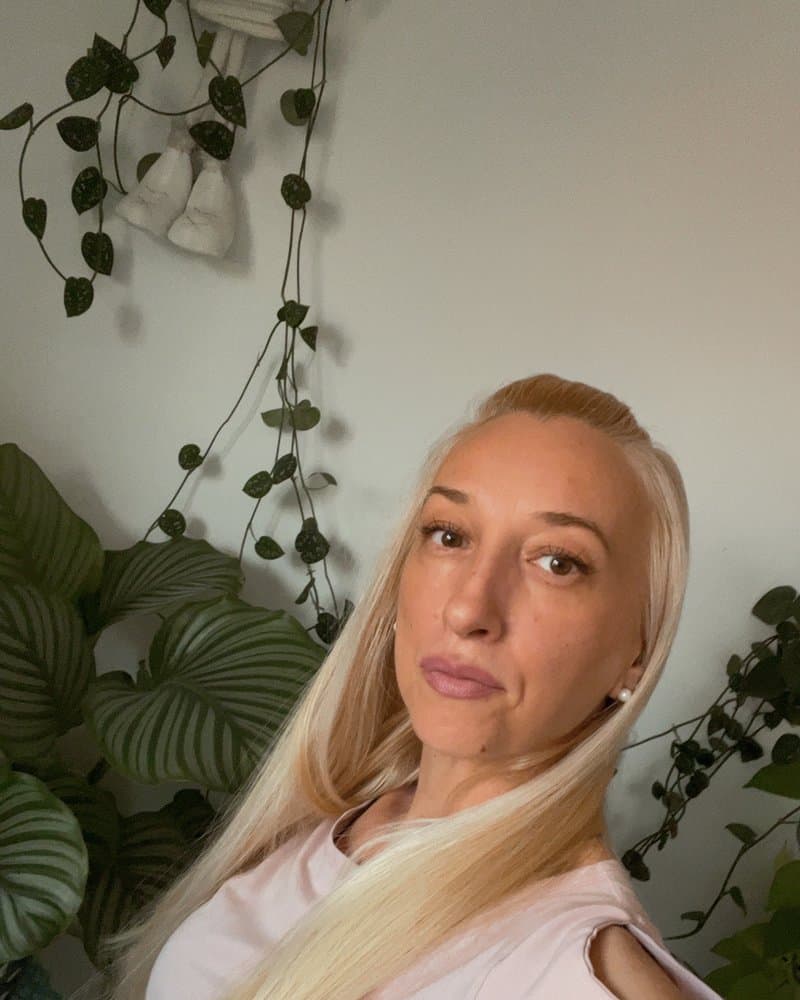
Written by Bojana
Plant lover, grower, and music maker behind Plant House & Garden, with 35+ years of hands-on houseplant experience. Read more about Bojana →
A note from Bojana: I share sound frequencies like 432 Hz from years of personal experience and hands-on experimenting with my own plants. I want to be honest with you: the science on whether specific frequencies directly affect plant growth is still limited and not conclusive. So throughout this site I describe what I have observed and what others report, rather than promising guaranteed results. Think of these frequencies as a calming, supportive practice to enjoy alongside good plant care, not as a medical treatment or a replacement for light, water, and healthy soil.