Alocasia Amazonica Care: The Ultimate Guide to Thriving African Mask Houseplants
Quick answer: Alocasia Amazonica (African Mask) needs bright, indirect light, watering when the top inch of soil is dry, a chunky well-draining aroid mix and high humidity (60 percent or more). Keep it warm, never soggy, and expect it to slow down or drop leaves in winter. It is toxic to cats and dogs.
For another dramatic jewel Alocasia, the silvery Silver Dragon is hard to resist.
Alocasia Amazonica Care at a Glance
| Care | What it needs |
|---|---|
| Light | Bright, indirect light; no direct sun |
| Water | When the top inch of soil is dry; keep lightly moist, never soggy |
| Soil | Chunky, well-draining aroid mix |
| Humidity | High, 60 percent or more |
| Temperature | 18 to 27 C (65 to 80 F); keep it warm |
| Toxicity | Toxic to cats, dogs and people |
If you’ve been searching for Alocasia Amazonica care, you’re in the perfect place. In this comprehensive walkthrough, I’ll share everything I’ve learned from nurturing my own mother plant, medium‑sized specimen, and three adorable babies - from understanding its hybrid origins to mastering water, light, and humidity requirements. Whether you’re rescuing a dusty nursery find or expanding your collection, you’ll discover proven strategies for lush foliage, rapid new growth, and effortless propagation.
For a detailed visual tutorial and extra tips for Alocasia Amazonica care, be sure to watch my video below:

Click here to watch the video on YouTube
Name & Origin: The Hybrid Misnomer Behind Alocasia Amazonica
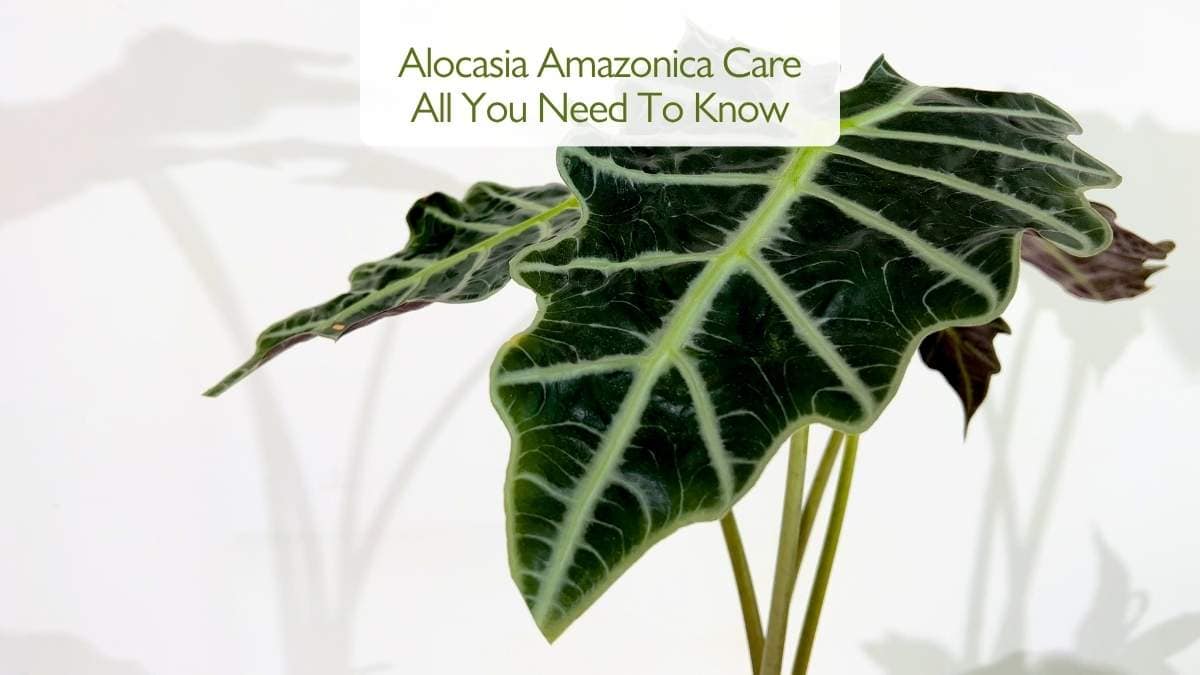
Although marketed as the “Amazonian” Alocasia, Alocasia Amazonica care actually centers on a man‑made hybrid: a cross between Alocasia longiloba and Alocasia sanderiana, first developed by Salvadore Mauro. Commonly called African Mask, Jewel Alocasia, or “Polly,” this plant never grew wild in South America. Its striking arrow‑shaped leaves, glossy dark front, and maroon‑purple undersides have made it a coveted indoor specimen worldwide.
Signature Foliage: What Your Leaves Reveal About Health
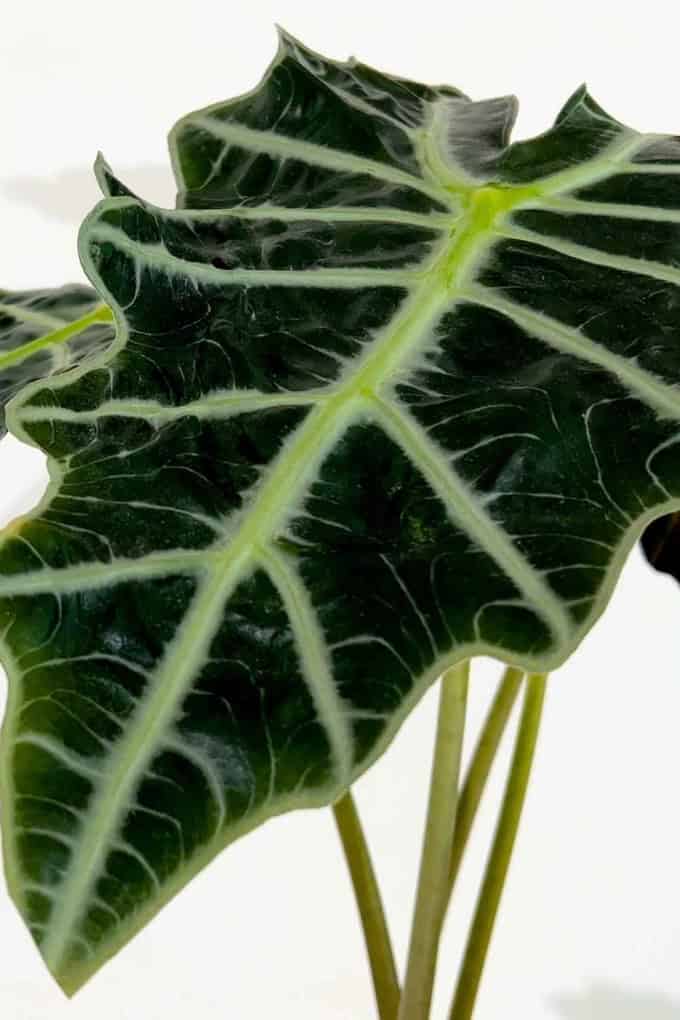
Alocasia Amazonica’s leaves are its crowning glory - up to a foot long, arrow-shaped, and marked with striking pale veins against deep green. The matte-textured underside reveals a rich purple hue, adding beautiful dimension. Healthy leaves emerge as tight tubes and slowly unfurl into broad, flat blades. If you notice browning edges or yellowing surfaces, it’s a clear sign that something in the care routine needs adjusting, whether watering, humidity, or nutrients.
Water Requirements for Alocasia Amazonica Care
Mastering Alocasia Amazonica care begins with precise watering. This aroid prefers consistently moist, not waterlogged - soil. I water mine when the top inch feels dry, giving a thorough soak and letting excess drain completely. Room‑temperature water prevents shock, and pots with ample drainage holes are non‑negotiable. If you notice yellow leaves with soggy bases, you’ve likely overwatered; crisp, drooping foliage means it’s time for a drink. For an airtight watering routine across all houseplants, explore my Houseplants Watering Tips.
Light Conditions: Balancing Brightness without Burn
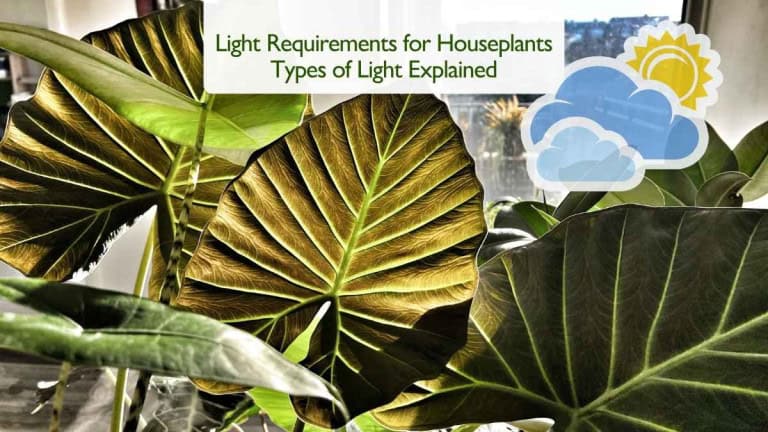
Bright, indirect light is essential to keep your Alocasia Amazonica vibrant. Direct midday sun can scorch, so I position mine just out of direct beams, behind sheer curtains or under dappled light. In winter, when daylight wanes, move it closer to a north‑ or east‑facing window; during summer, shift it back to prevent leaf bleaching. Prolonged low light yields leggy growth and smaller leaves, so aim for at least four hours of strong, filtered illumination daily. Very important step for Alocasia Amazonica care.
Humidity & Temperature: Mirroring the Rainforest Floor
High humidity (60 to 80%) and stable warmth (65 to 80 °F) are non‑negotiable for Alocasia Amazonica care. Indoor heating and air conditioning sap moisture, so I run a humidifier nearby and group my Alocasias on a pebble tray. Avoid misting, as water trapped in the textured leaf surface can invite fungal issues; instead, shower the plant every few months and gently towel‑dry afterward. Keep temperatures above 60 °F to prevent chill damage - Amazonicas hate drafts!
Soil Mix & Repotting Best Practices | Alocasia Amazonica care
A chunky, well‑draining mix is the foundation of Alocasia Amazonica care. I use my custom aroid blend - coco coir, orchid bark, and perlite - which balances moisture retention with airflow. You can also enhance a pre‑made potting mix by stirring in extra perlite and bark. Repot every one to two years in spring: choose a container just one size larger and gently refresh soil around the corms without burying them too deeply. For a step‑by‑step DIY aroid mix, check my Soil‑Free Aroid Potting Mix: The Best DIY Recipe for Healthy Aroid Plants.
Propagation: From Corms to New Plants
One of the most rewarding aspects of Alocasia Amazonica care is propagation via corm division. When repotting, you’ll discover small corms attached to the root mass, these are baby plants waiting to be separated. Remove gently and pot each corm in fresh aroid mix, keeping soil lightly moist until new growth emerges. For a detailed video guide on corm propagation - applicable to Alocasia Amazonica and other aroids; see my tutorial on Alocasia Regal Shield Propagation from Corms. The same corm-division method works for other striped alocasias like the Alocasia Tigrina.
Fertilizing Your Alocasia Amazonica
Feed your Amazonica during spring and summer with a balanced liquid fertilizer diluted to half strength, applying every two to four weeks. Always water first to prevent root burn. In fall and winter, pause feeding to allow natural dormancy. Over‑fertilization causes salt buildup and leaf tip burn, so a light hand ensures steady, healthy growth.
Cleaning & Maintenance: Keeping Leaves Pristine
Dusty leaves block light and harbor pests. To maintain your Alocasia’s glossy sheen, gently brush away debris, then wipe each leaf with a soft, damp cloth. For extra polish and protection, try my Homemade Leaf Shine Recipe, which conditions foliage without harsh chemicals. A clean plant is a happy plant - free to absorb maximum light and fend off infestations. If your plant is already struggling, my guide to common Alocasia care problems covers the most likely causes and fixes.
Common Problems & Troubleshooting
- Yellow Lower Leaves: Natural aging or low humidity; prune as needed.
- Brown Edges: Sign of underwatering or dry air; adjust moisture and humidity.
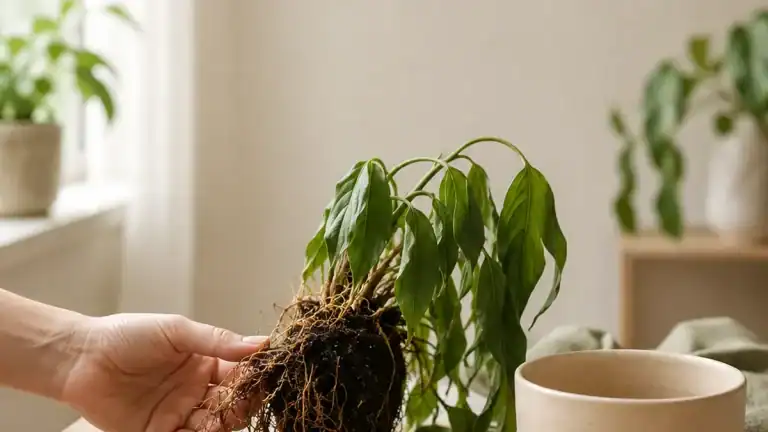
- Root Rot: Caused by waterlogged soil; repot in fresh aroid mix with proper drainage.
- Pests (Spider Mites, Aphids, Mealybugs): Inspect regularly and treat with neem oil or insecticidal soap, testing on a single leaf first.
Frequently Asked Questions
Why is my Alocasia Amazonica drooping?
Usually a watering issue, too dry or too wet. Water when the top inch is dry and never leave it soggy. Low humidity also causes drooping.
How often should I water Alocasia Amazonica?
When the top inch of soil is dry, often once or twice a week in summer and less in winter. Keep it lightly moist, not soggy.
Why are the leaves turning yellow?
Most often overwatering. Let the soil dry a little more between waterings and make sure the pot drains well.
Does Alocasia Amazonica need high humidity?
Yes, it loves 60 percent or more. Dry air causes crispy edges and invites spider mites, so a humidifier helps.
Is Alocasia Amazonica toxic to pets?
Yes, it is toxic to cats and dogs (calcium oxalates), so keep it out of reach. See our list of indoor plants safe for cats and dogs.
And if you want the full picture on these dramatic beauties, my alocasia care guide brings together care, every variety, common problems, and propagation in one place.

Written by Bojana
Plant lover, grower, and music maker behind Plant House & Garden, with 35+ years of hands-on houseplant experience. Read more about Bojana →