How to make Closed Terrarium with Moss & Houseplants
Are you ready to bring a slice of nature indoors with a beautiful, self-sustaining mini-garden? Learning how to make closed terrarium is an easy and rewarding project that adds greenery and life to any space. A closed terrarium creates its own humid microclimate, making it perfect for moisture-loving plants like mosses and tropical houseplants.
In this detailed guide, I’ll walk you through everything you need to know - from selecting the right plants to layering your terrarium base for optimal drainage and aeration. Plus, you’ll find tips on how to clean and prepare mosses, and the best watering practices to keep your closed terrarium thriving.

| Layer or step | What to use and why |
|---|---|
| Drainage layer | Pebbles or LECA so excess water sits below the roots |
| Charcoal layer | A thin layer of activated charcoal to keep air and water fresh |
| Substrate | A well-draining terrarium soil mix for moss and small plants |
| Plants and moss | Cleaned moss plus small, humidity-loving plants |
| Finishing and sealing | Mist lightly, add decor, then close the lid to trap humidity |
What Is a Closed Terrarium and Why Make One?
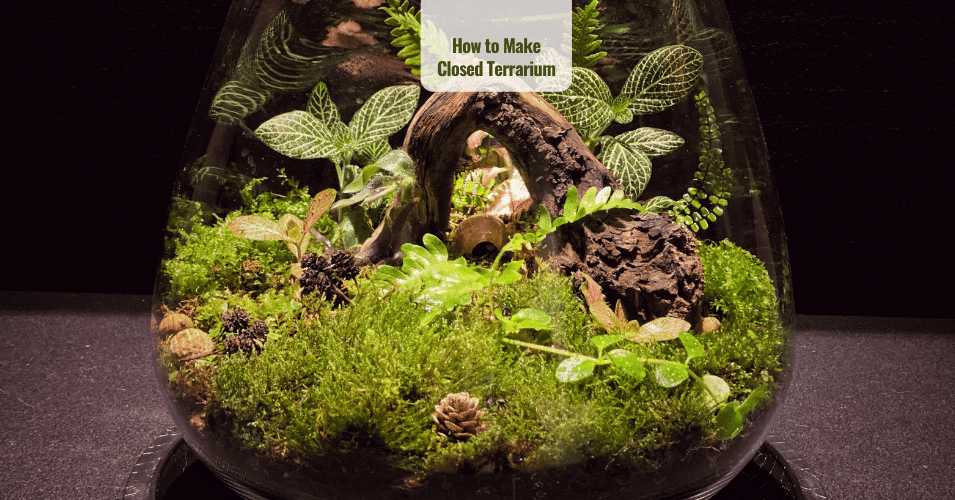
A closed terrarium is essentially a sealed glass container that traps moisture inside, creating a humid environment similar to a rainforest. This makes it ideal for plants that love humidity and consistent moisture, such as moss, ferns, and certain tropical species.
How to make closed terrarium involves creating layers that promote drainage and prevent waterlogging, along with choosing plants that can thrive in limited airflow and higher humidity. The result is a low-maintenance, eye-catching display that can brighten up your home or office.
Essential Base Layers for Your Closed Terrarium
Creating a solid foundation is key to a successful process on how to make closed terrarium. The base layers serve crucial functions:
- Drainage Layer: Usually made from small pebbles, gravel, or expanded clay balls, this prevents excess water from pooling at the bottom and causing root rot.
- Activated Charcoal: A thin layer of charcoal acts as a natural filter, keeping water fresh and reducing odors.
- Soil Mix: Use a well-draining potting mix tailored to the needs of your chosen plants. For moss and tropical plants, a mix with peat, coco coir, and orchid bark works well.
- Moss and Lichen: These can be added for aesthetic appeal and to help retain moisture in the soil.
Layering properly ensures your plants have the right environment to grow healthily inside a closed system.
Choosing Plants for a Closed Terrarium
Knowing how to make closed terrarium means selecting plants that thrive in high humidity and limited airflow. Some great choices include:
- Moss Varieties: Baby Tooth Moss, Pincushion Moss, and Seductive Moss add lush green texture and help retain moisture.
- Tropical Ferns: Asplenium platyneuron (Ebony Spleenwort), Polypodium vulgare, and Didymoglossum cuspidatum bring unique foliage shapes.
- Trailing Plants: Peperomia Rotundifolia and Tradescantia pallida (Purple Heart) add movement and vibrant color.
- Nerve Plant (Fittonia): Available in various colorful patterns, perfect for brightening up your terrarium.
Feel free to mix and match to create a terrarium that’s uniquely yours!
How to Prepare and Clean Moss for Your Terrarium?
Moss is an essential ingredient in closed terrariums, helping maintain humidity and adding a soft, natural carpet. When preparing moss:
- Gently rinse to remove dirt and debris.
- Rehydrate dried moss by soaking it briefly in distilled or rainwater.
- Remove any damaged parts to encourage fresh growth inside your terrarium.
Using distilled or rainwater is crucial, as tap water contains chlorine and other chemicals harmful to delicate moss and plants.
Watering and Maintaining Your Closed Terrarium
One of the beauties of a closed terrarium is its self-sustaining moisture cycle. However, you still need to do these things in the process of how to make a closed terrarium:
- Use distilled or rainwater for watering to avoid harmful chemicals.
- Water sparingly - usually once every few weeks or when the soil looks dry.
- Avoid overwatering; excess moisture can lead to mold or rot.
- Open the terrarium occasionally to allow fresh air and prevent stagnant conditions.
Enhancing Air Quality with How to Make Closed Terrarium
One lesser-known benefit when you learn how to make closed terrarium is its positive impact on indoor air quality. Closed terrariums, with their dense arrangement of moss and houseplants, act as natural air purifiers by absorbing pollutants and releasing oxygen.
The high humidity inside the terrarium also helps reduce dust and allergens in the surrounding air. This makes your mini ecosystem not only a beautiful decorative element but also a subtle health booster for your home or office environment. Incorporating a closed terrarium can therefore improve the atmosphere of your space, creating a fresher and more breathable environment while you enjoy the calming presence of nature indoors.
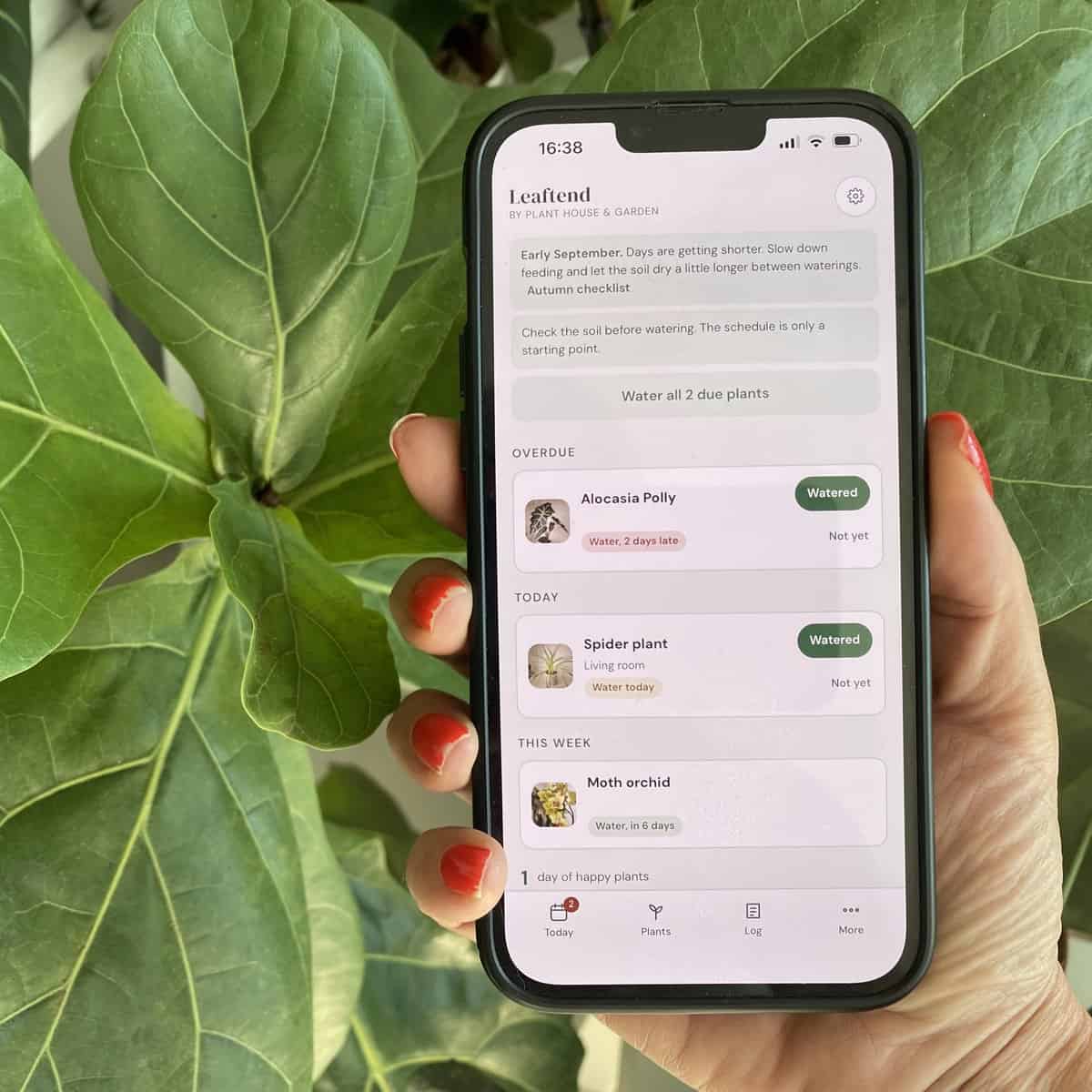
Once your terrarium is sealed it is wonderfully low-maintenance, but it still helps to note when you last watered or aired it. My Plant Care Journal is a simple way to keep track.
Frequently Asked Questions
How often do you water a closed terrarium?
Very rarely. A sealed terrarium recycles its own moisture, so once it is balanced you may only need to add a little water every few months. If the glass is constantly fogged or there is standing water, open the lid to let it dry out a little.
Why is my closed terrarium fogging up?
A little condensation is normal, especially after sealing or in warm light. If the glass is so foggy you cannot see inside, there is too much moisture. Open the lid for a few hours to let some evaporate, then reseal once it clears.
What plants grow best in a closed terrarium?
Small, humidity-loving plants do best, such as moss, ferns, fittonia, baby tears, and small selaginella. Avoid succulents and cacti, which need dry air and will rot in a sealed, humid terrarium.
Does a closed terrarium need light?
Yes, bright, indirect light is ideal. Keep it out of direct sun, which overheats the glass and can cook the plants. A spot near a bright window, or under a grow light, keeps the moss green and the plants healthy.
Do closed terrariums need charcoal?
A thin layer of activated charcoal is recommended. It helps keep the water and air inside fresh and reduces odours and mould in the sealed environment. It is not strictly essential, but it helps a closed terrarium stay healthy long term.
Final Thoughts on How to Make Closed Terrarium
Mastering how to make closed terrarium is a fun way to combine creativity, gardening, and a bit of science. Your finished terrarium will be a stunning miniature ecosystem that requires minimal care but offers maximum beauty.
With the right plants, proper base layers, and mindful watering, your closed terrarium can thrive for months or even years. Ready to get started? Watch the full step-by-step video tutorial on how to make closed terrarium below for hands-on guidance and inspiration!
Happy terrarium making!

Written by Bojana
Plant lover, grower, and music maker behind Plant House & Garden, with 35+ years of hands-on houseplant experience. Read more about Bojana →