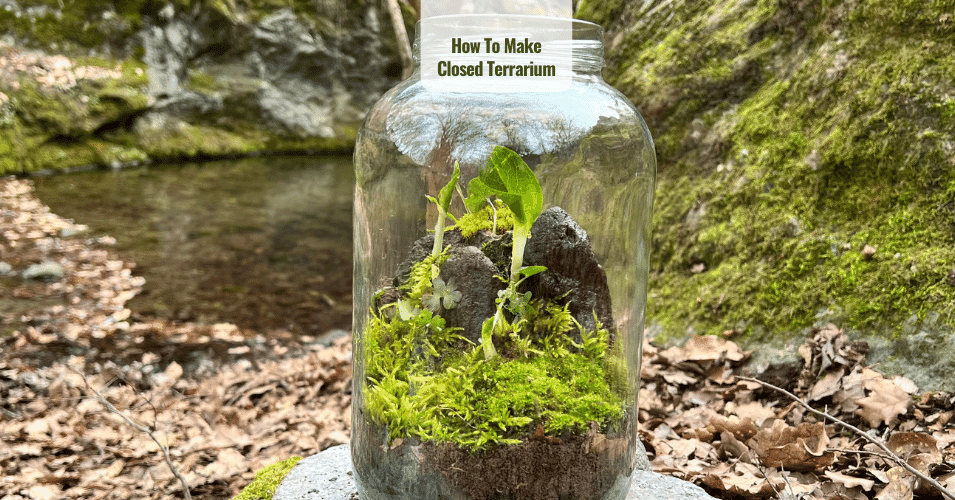
How to Make Native Terrarium in Nature for FREE
If you’ve ever dreamed of bringing a piece of wild nature right into your home - without spending a single dime, you’re in the perfect place. In this comprehensive guide on how to make native terrarium, I’ll walk you through creating a stunning, eco-friendly terrarium using only materials sourced directly from nature. No fancy supplies, no expensive purchases - just pure, natural beauty and sustainability.
| Material from nature | How to use it |
|---|---|
| Moss | Rinse and check for pests, then lay over the soil as a green carpet |
| Small plants and seedlings | Choose tiny, slow-growing finds and remove excess soil |
| Stones and gravel | Use at the base as a drainage layer |
| Bark and twigs | Add as natural decor and hiding spots, clean them first |
| Leaf litter or soil | Use sparingly and sterilise to avoid bringing in pests |
Why Learn How to Make Native Terrarium?
Native terrariums are more than just beautiful indoor decorations. They’re miniature ecosystems that nurture small plants, mosses, and even tiny wildlife. Making your own native terrarium is a rewarding way to connect with nature, create a peaceful green corner in your home, and practice sustainability by using natural materials responsibly.
This project is perfect for anyone interested in gardening, nature crafts, or creating living decor that tells a story. Whether you’re a seasoned plant lover or just starting your green journey, knowing how to make native terrarium will open up a new world of creativity and eco-consciousness.
Step 1: Finding the Perfect Spot in Nature
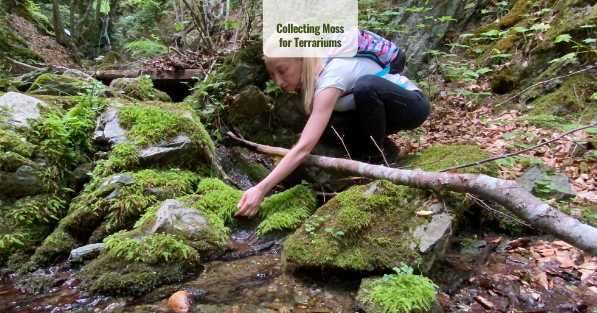
The first step in learning how to make native terrarium is to head outdoors and find a location rich with natural materials. Look for places with plenty of rocks, healthy soil, vibrant moss, and small plants. Parks, forest edges, or your own backyard can be perfect spots, just make sure you’re mindful of local regulations and environmental impact.
Step 2: Collecting Natural Materials Responsibly
When collecting materials for your terrarium, it’s important to do so with respect for nature. Gather rocks, pebbles, soil, moss, fallen leaves, and small native plants without causing harm to living ecosystems.
The video tutorial shows exactly how to select the best pieces that will thrive inside your terrarium while preserving the environment around you. This is a crucial part of how to make native terrarium sustainably.
Step 3: Creating the Foundation with Proper Drainage
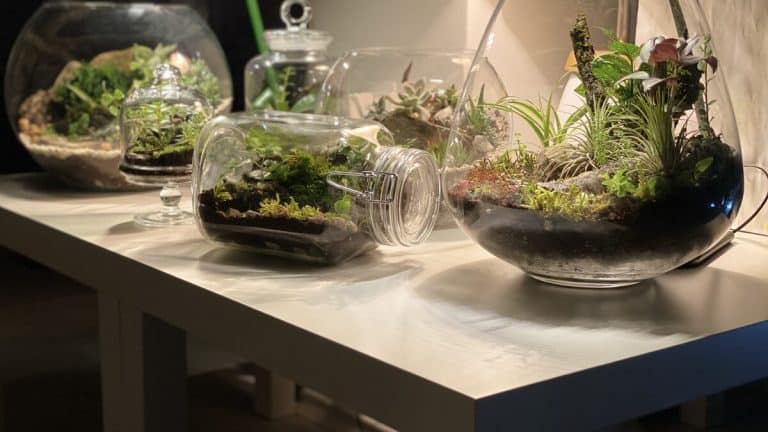
In your terrarium container, which can be anything from a recycled glass jar to a clear plastic container - start by layering small rocks or pebbles at the bottom. This drainage layer prevents water from stagnating and causing root rot.
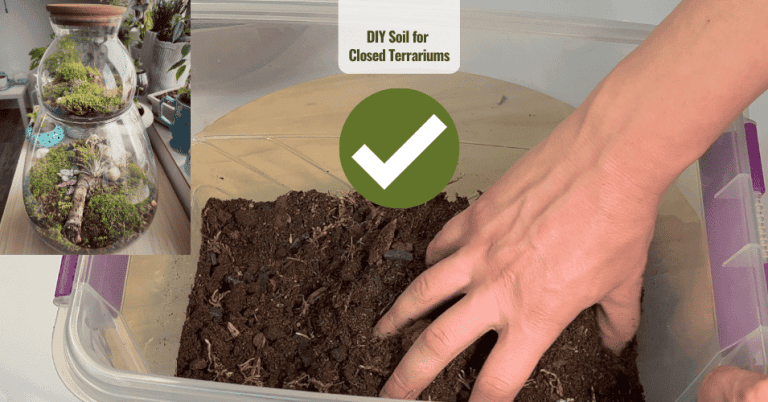
Next, add a layer of nutrient-rich native soil. This soil supports the growth of your plants and mosses, replicating their natural environment.
Step 4: Arranging Your Plants and Moss
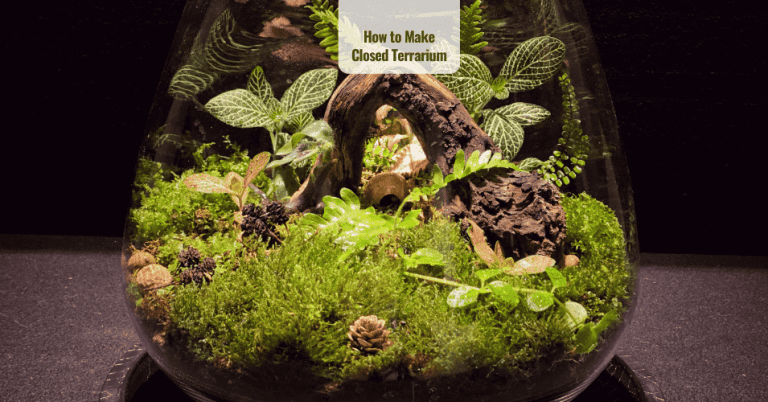
Now, the fun begins! Arrange your collected mosses, small native plants, and decorative stones inside the container. Create a natural landscape that mimics what you’d see in the wild - uneven layers, small hills, shaded patches.
Take your time experimenting with placement until you’re happy with the balance of textures and colors. This hands-on experience is at the heart of how to make native terrarium truly special.
Step 5: Caring for Your Native Terrarium
Once assembled, place your native terrarium in a spot with indirect sunlight. Too much direct sun can overheat the delicate ecosystem, while too little light slows plant growth.
Water sparingly, as terrariums retain moisture well. Mist occasionally to keep humidity balanced. The beauty of a native terrarium is its self-sustaining nature, requiring minimal care once established.
Why Sustainable Practices Matter in Your Native Terrarium?
Throughout your journey of how to make native terrarium, sustainability should be your guiding principle. This means avoiding overharvesting from any single location, respecting protected areas, and understanding the needs of your native plants.
By practicing responsible harvesting and care, you create a terrarium that lasts and teaches respect for the environment, a small but meaningful contribution to preserving natural beauty.
Want to learn about how music for plants affects you and your plants? Check out my article on music for plants for healing and happiness!

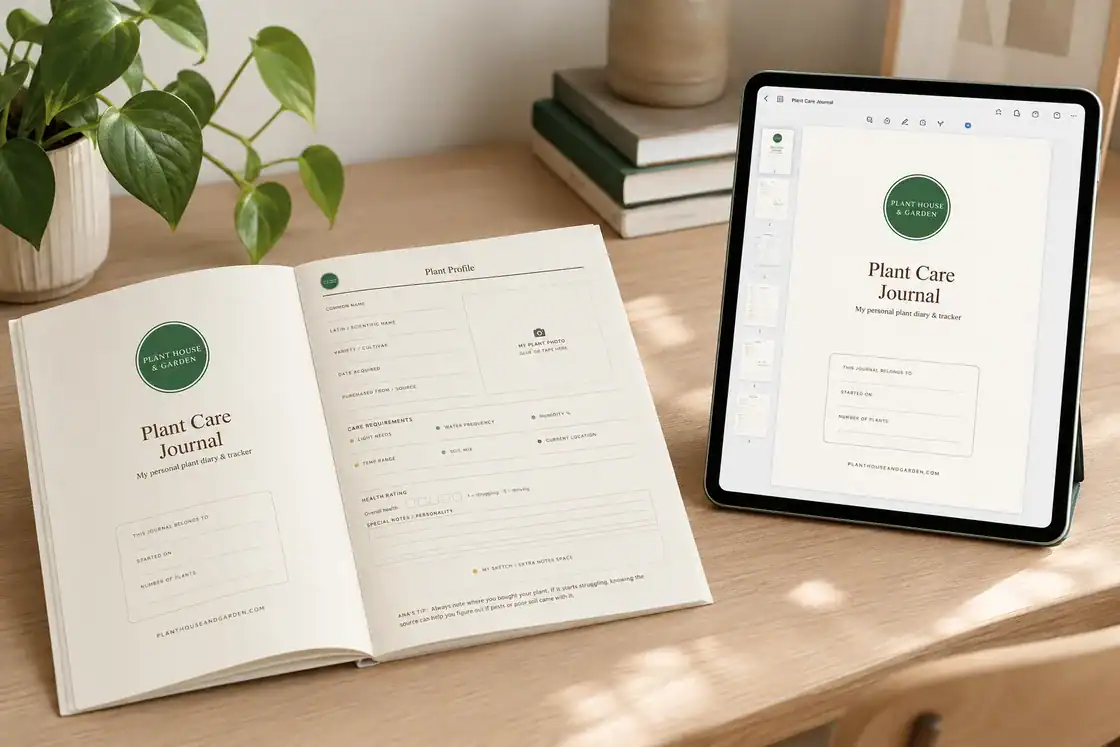
Building a terrarium from foraged finds is rewarding, and a little record helps you remember what you used and how it settles in. My Plant Care Journal is a simple way to keep notes.
Frequently Asked Questions
Is it okay to take moss and plants from nature?
In small, responsible amounts it usually is, but always check local rules first. Never strip an area bare or take from protected land. Gather just a little from common, abundant spots, and leave the habitat as healthy as you found it.
How do I clean materials collected from nature?
Rinse moss, stones, and bark well to remove dirt and bugs, and inspect everything closely. You can briefly rinse or soak moss in water, and let stones and bark dry out. This reduces the chance of pests or mould getting into your terrarium.
Do native terrariums need charcoal and drainage?
Yes, the same layers help. A base of stones or gravel for drainage and a thin layer of activated charcoal keep the water and air fresh, even when you are using wild-gathered materials. They help your free terrarium stay healthy for longer.
Will wild moss survive indoors in a terrarium?
Often yes, especially in a humid, closed terrarium with bright, indirect light. Native moss is used to damp, shady conditions, which a sealed terrarium recreates well. Keep it out of direct sun and it can stay green for a long time.
How do I stop pests from a native terrarium?
Clean and inspect everything you gather, rinse off soil, and quarantine new finds for a few days if you can. A thin charcoal layer and good airflow when needed also help. If pests appear, remove affected material promptly to protect the rest.

Written by Bojana
Plant lover, grower, and music maker behind Plant House & Garden, with 35+ years of hands-on houseplant experience. Read more about Bojana →