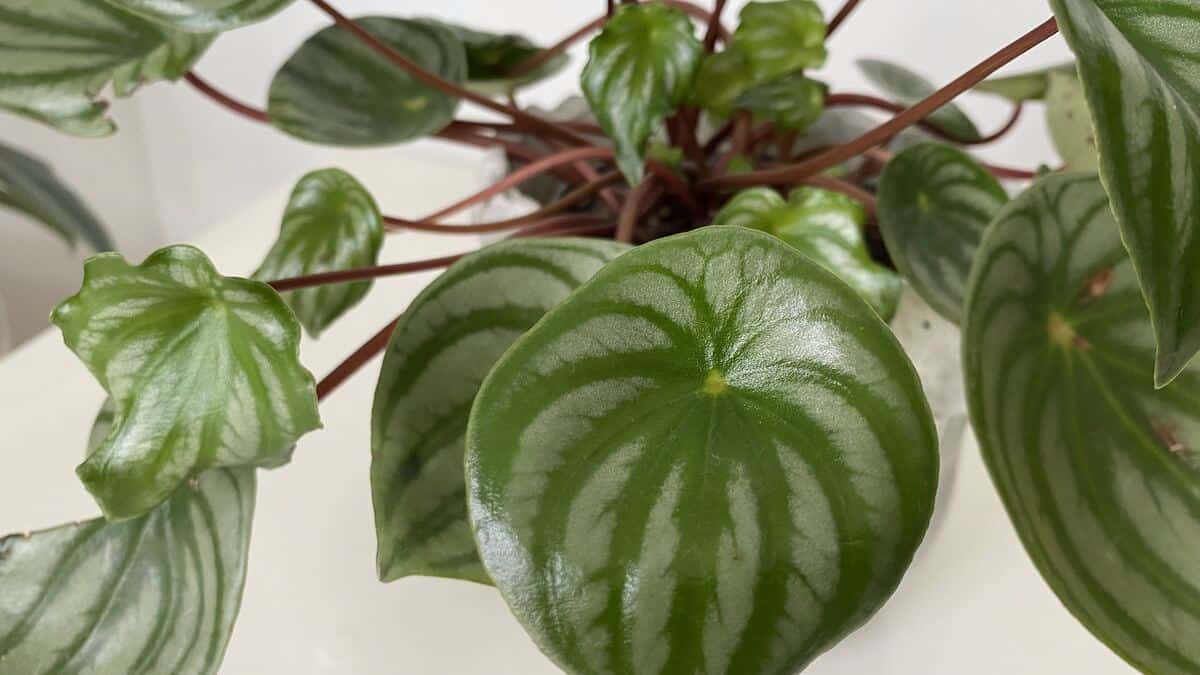
Watermelon Peperomia Care: 5 Mistakes Behind Drooping, Curling and Yellow Leaves (and How to Avoid Them)
Is your watermelon peperomia drooping, curling her leaves or turning yellow? Well, you're not alone. She's one of the prettiest little houseplants you can grow, but she lets you know quickly when something isn't right.
Quick answer: Good watermelon peperomia care comes down to light and water. Give her bright, indirect light, let the top of the soil dry before watering, and use a light, well-draining mix in a small pot. Drooping and yellow leaves usually mean too much water, while curling leaves often mean she has dried out or gets harsh sun.
My watermelon peperomia lives indoors at a south-west window, and honestly, she has never given me a serious problem. I've repotted her, propagated her from leaves, and filmed her care for my channel. So in this post I'll share what I do, and the five mistakes that usually cause trouble with this plant.

I share more real plant fixes and calming music for plants on my YouTube channel. Subscribe if you'd like to grow along with me.
Watermelon Peperomia Care at a Glance
| Care need | What she likes |
|---|---|
| Light | Bright, indirect light. Harsh direct sun can scorch the leaves. |
| Water | Let the top of the soil dry out, then water thoroughly and drain. |
| Soil and pot | Light, well-draining houseplant or cactus mix in a small pot with drainage holes. |
| Temperature | Warm rooms, away from cold drafts. Below about 60°F (15°C) she sulks. |
| Feeding | Diluted liquid fertilizer now and then in spring and summer only. |
| Pets | Non-toxic to cats and dogs (ASPCA). |
| Size | Compact and bushy, usually around 8 inches tall. |
Mistake #1: Watering Too Often
This is the number one reason a watermelon peperomia droops, turns yellow and drops leaves. Her leaves and stems are thick and juicy because they hold water, a bit like a succulent. So she needs much less water than you might think.
When the soil stays wet, the roots can't breathe and start to rot. The signs are drooping leaves even though the soil is damp, yellow lower leaves, and soft, dark stems at the base. If the stems feel mushy, check the roots straight away. My guide on how to fix root rot walks you through it step by step.
Feel the soil before you water. When the top inch or two is dry, water thoroughly, let all the excess drain, and empty the saucer. In winter, when she grows slowly, she needs even less.
If you find it hard to remember when you last watered, Leaftend, my free plant care app, keeps track for you. You still check the soil first, but it helps you stay consistent.
Mistake #2: The Wrong Light
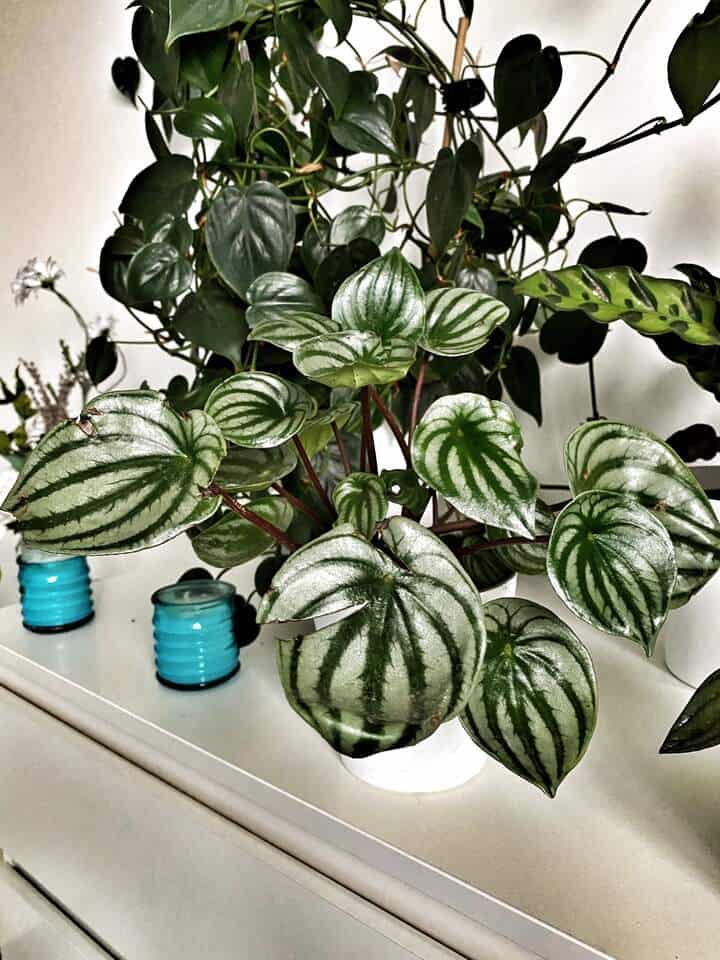
Those silver and green stripes are the whole reason we love this plant, and light keeps them looking their best. In a dark corner, she stretches, her stems get long and floppy, and the stripes fade.
Too much harsh, direct sun is the other problem. The leaves can turn pale, curl, or get dry brown patches where the sun hits them. Mine sits at a south-west window, which is bright. If your window gets strong afternoon sun, a sheer curtain or a spot a little further back keeps her safe. My guide to light requirements for houseplants explains how to read your window.
Mistake #3: Letting Her Dry Out Too Long
Watermelon peperomia leaves curling is one of the most searched problems with this plant, and the most common reason is thirst. She doesn't like soggy soil, but she doesn't like staying bone dry for weeks either. The leaves start to curl, feel thin and soft, and she droops.
The fix is to feel the soil. If it's completely dry and the leaves are curling, give her a good drink and she usually perks up within a day or two. If the soil is wet and the leaves are curling or drooping, the problem is too much water, so don't add more. Very dry winter air and strong sun can also make the leaves curl.
Mistake #4: Heavy Soil and a Pot That's Too Big
A watermelon peperomia has a small root system. In a big pot full of heavy soil, the extra soil stays wet for days and the roots rot. She's happiest a little snug.
Use a light, well-draining mix, like a houseplant mix with plenty of perlite or a cactus mix, and a pot only slightly bigger than her root ball, always with drainage holes. She doesn't need repotting every year. In my short video I show exactly how I repot her.

Mistake #5: Cold Drafts and Wet Leaves
She's a tropical plant and likes to be warm. A cold window in winter or a draft from a door can make her droop and drop leaves, so keep her somewhere steady and above about 60°F (15°C).
Water the soil, not the leaves. Water sitting on the leaves and in the centre of the plant, especially in a cool room, can lead to spots and rot. And while you're watering, take a quick look under the leaves. Like most peperomias, she can get mealybugs or spider mites now and then. My guide on how to get rid of mealybugs shows what to do.

How to Propagate Watermelon Peperomia From a Leaf
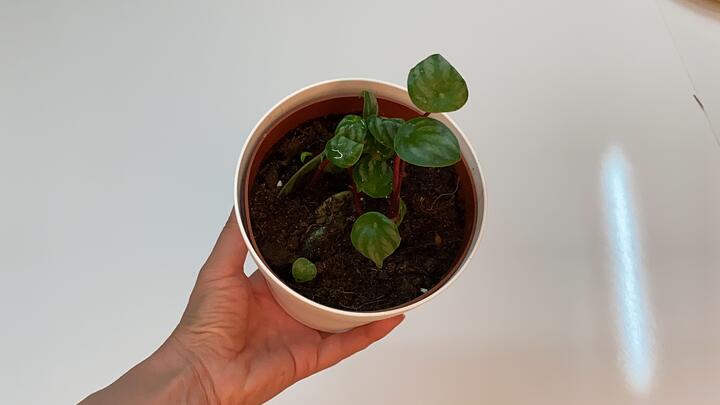
This is my favourite thing about this plant: you can grow a whole new one from a single leaf. Cut a healthy leaf with a piece of its stalk, put it in a light, moist mix, and give it bright, indirect light and patience. For me, it took a few months before new little plants appeared at the base, so don't give up too early.
Here's my full video showing how I propagate watermelon peperomia from leaves. For more methods and plants, see my houseplant propagation guide.

Other Peperomias I Grow
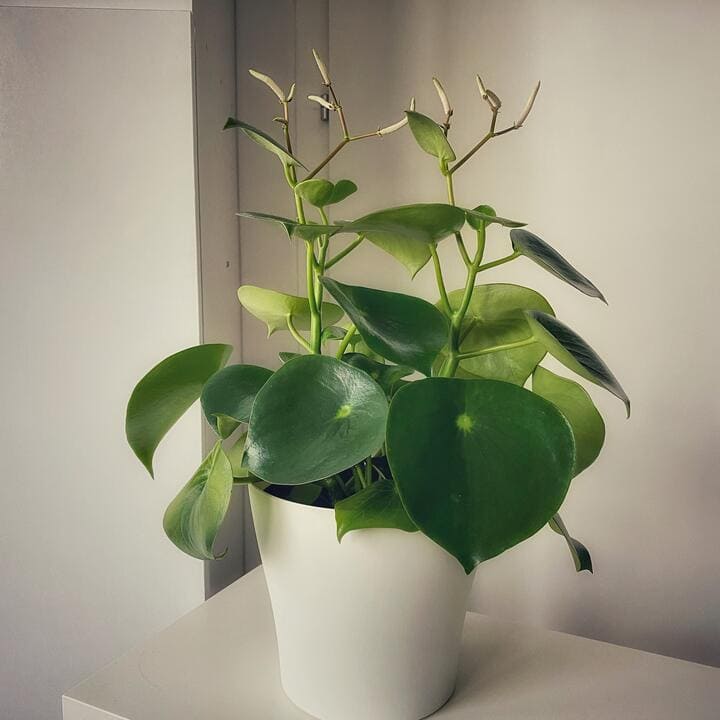
Once you have one peperomia, it's hard to stop. I also grow a Raindrop peperomia (Peperomia polybotrya), which surprises me with little flower spikes in autumn, and a few others like the round-leaved Peperomia obtusifolia and the rippled Peperomia caperata. They all share the same basic needs: bright indirect light, a light mix, and water only when the top of the soil is dry. So everything in this post helps them too.
Is Watermelon Peperomia Safe for Cats and Dogs?
Yes. The ASPCA lists Peperomia argyreia as non-toxic to cats and dogs. I have two cats and they leave mine alone, but if yours like to chew, it's still nice to keep the leaves out of reach so they stay pretty. You'll find more safe choices in my list of pet-friendly houseplants.
Which problem do you have with your watermelon peperomia: drooping, curling or yellow leaves? Let me know in the comments. And for any other plant problem, my guide to houseplant pests and problems is a good place to start.
Frequently Asked Questions
Why is my watermelon peperomia drooping?
Feel the soil first. Drooping in wet soil usually means too much water and possibly root rot, so let it dry out and check the stems and roots. Drooping in bone-dry soil means she is thirsty, so water thoroughly and she usually perks up within a day or two.
Why are my watermelon peperomia leaves curling?
The most common reason is thirst: the soil has stayed dry for too long. Very dry air and harsh direct sun can also make the leaves curl. If the soil is wet and the leaves still curl or droop, the problem is too much water instead.
Why are my watermelon peperomia leaves turning yellow?
Yellow lower leaves usually mean overwatering or soil that stays wet too long. One old leaf yellowing now and then is normal, but several at once is a sign to water less and check that the pot drains well.
How often should I water a watermelon peperomia?
There is no fixed schedule. Water when the top inch or two of soil is dry, water thoroughly, and let the excess drain. She needs less water in winter, when she grows slowly.
How much light does a watermelon peperomia need?
Bright, indirect light keeps her compact and her stripes bold. Too little light makes her stretch and fade, and harsh direct sun can scorch or curl the leaves.
How do you propagate watermelon peperomia?
Cut a healthy leaf with a piece of its stalk and place it in a light, moist mix in bright, indirect light. Be patient: it can take a few months before new little plants appear at the base.
Is watermelon peperomia safe for cats and dogs?
Yes. The ASPCA lists Peperomia argyreia as non-toxic to cats and dogs, which makes it a good choice for homes with pets.
Related Topics
- Pet-Friendly Houseplants
- Houseplant Propagation Guide
- How to Fix Root Rot
- Office Plants: 8 Low-Light Desk Picks
- Houseplant Care for Beginners

Written by Bojana
Plant lover, grower, and music maker behind Plant House & Garden, with 35+ years of hands-on houseplant experience. Read more about Bojana →