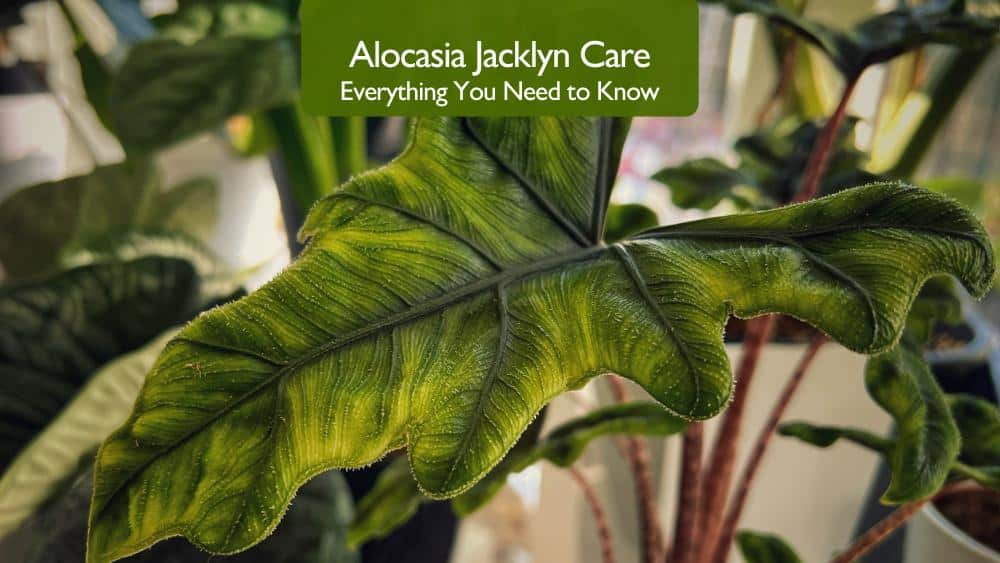
Alocasia Jacklyn Care – Everything You Need to Know
Alocasia Jacklyn is one of the most unique and eye-catching aroids you can grow at home, but it also needs very specific conditions to stay healthy. In this guide, you’ll learn everything about Alocasia Jacklyn care, including light, watering, soil, humidity, and the most common problems you may face.
If you’ve been wondering how to care for Alocasia Jacklyn or why your plant is showing unusual spots, curling, or slow growth, this article will help you understand exactly what your Jacklyn needs. We’ll also cover Alocasia Jacklyn problems, how to solve them quickly, and the ideal Alocasia Jacklyn light requirements to help your plant thrive.
Let’s dive in!
What Is Alocasia Jacklyn? (Origin + Unique Features)
Before we get into detailed Alocasia Jacklyn care, it’s important to understand where this rare beauty comes from and what makes it so special. Alocasia Jacklyn is a tropical aroid discovered in the rainforests of Indonesia, where it grows in warm, humid, and deeply shaded environments. This natural habitat explains many of its care needs indoors.
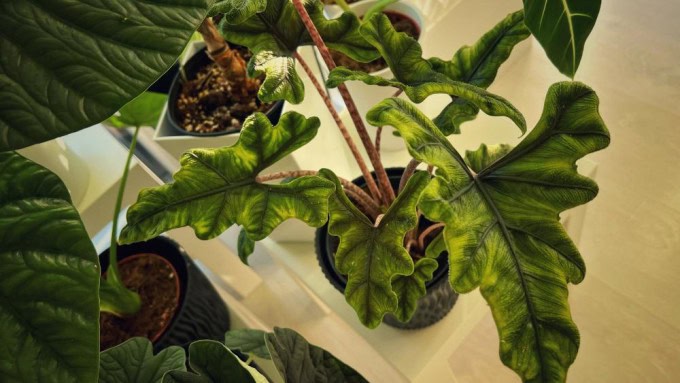
What makes Alocasia Jacklyn instantly recognizable are the dramatic, almost “hand-painted” dark green veins that run across its leaves. As the plant matures, the veins become even darker and more pronounced, giving the foliage a striking contrast and a slightly reptile-like texture. Many plant lovers describe it as a mix between Alocasia Zebrina and Alocasia Frydek, but with a wilder, more artistic pattern.
Jacklyn typically grows upright with long petioles and elongated leaves that develop a deep rippled texture. In ideal conditions, it can reach up to 1 meter tall, although smaller indoor sizes are more common. Its growth habit is similar to other Alocasias – fast during the warm months and slower in winter.
Because of its unique look and sensitive nature, understanding proper Alocasia Jacklyn care is essential if you want to maintain vibrant leaves, strong petioles, and steady growth throughout the year.
Alocasia Jacklyn Light Requirements
Light plays a huge role in successful Alocasia Jacklyn care, and it’s one of the most common reasons why this plant struggles indoors. In its native habitat, Jacklyn grows under tall trees where it receives bright, filtered light all day long – never harsh, direct sun.
Indoors, the ideal setup is bright, indirect light.
A spot near an east or north-facing window is perfect, while a west or south-facing window will also work if the plant is protected by a sheer curtain or other plants.
For example, I keep my Alocasia Jacklyn about 2 feet away from a west-facing window, but I have several other plants in front of the glass. This means the light is bright, but the Jacklyn is never exposed to direct sun – it stays pleasantly shaded (image below). This position works beautifully for her. The only thing I do is rotate the plant once per week so it grows straight and doesn’t stretch toward the light.

Signs your Alocasia Jacklyn is not getting enough light:
- Pale or washed-out leaves
- Slow leaf production
- Stretching petioles
- Smaller, deformed leaves
Signs of too much light or sunburn:
- Yellow patches
- Crispy edges
- Dark burn marks in the center of the leaf
If your home doesn’t receive enough natural light, a grow light is an excellent solution. Keep it 12–18 inches above the plant and run it for 8–10 hours a day. This prevents legginess, keeps the veins dark, and supports strong leaf growth.
Because this plant is sensitive, adjusting your lighting setup is one of the easiest ways to improve overall Alocasia Jacklyn care and prevent many common problems.
Alocasia Jacklyn Watering Guide
Watering is one of the most important parts of proper Alocasia Jacklyn care, and it’s also where plant parents make the biggest mistakes. Jacklyn has sensitive roots and corms that react quickly to both underwatering and overwatering, so finding the right balance is essential.
How Often to Water
The best approach is simple:
👉 Water when the top 2–3 inches of soil feel dry.
Never water on a schedule. Instead, check the soil with your finger before watering. During the growing season (spring and summer), Jacklyn usually needs water more often. In autumn and winter, watering frequency naturally decreases because growth slows down and the plant uses less moisture.
Why Overwatering Is So Dangerous
Alocasia Jacklyn roots sit close to the surface, which makes them very prone to rot if the soil stays wet too long. If you water too often, the corms can soften and collapse, which quickly leads to yellow leaves, drooping, and root rot. Always ensure your pot has drainage holes and avoid letting water sit in the saucer.
Signs of Overwatering
- Yellowing leaves
- Mushy stems
- Soil staying wet for several days
- A damp or sour smell from the pot
If you notice these, allow the soil to dry completely and adjust your watering pattern.
Signs of Underwatering
- Dry, crispy edges
- Slow growth
- Drooping leaves that perk up after watering
While underwatering is easier to fix, avoiding long periods of dryness helps keep the corms healthy and active.
Water Quality Matters
Alocasia Jacklyn prefers soft, low-mineral water. If your tap water is hard, try using filtered, rainwater, or distilled water to prevent leaf spotting and mineral buildup.
When you combine proper watering with good soil, drainage, and humidity levels, you dramatically improve overall Alocasia Jacklyn care, helping your plant grow beautiful, strong, dramatically veined leaves.

Best Soil Mix for Alocasia Jacklyn
Best Soil Mix for Alocasia Jacklyn
Soil choice makes a dramatic difference in successful Alocasia Jacklyn care. Because Jacklyn has sensitive roots and corms, it needs a mix that drains quickly while still holding enough moisture to stay lightly and consistently damp – never soggy and never compacted.
The perfect soil for Alocasia Jacklyn is light, airy, and fast-draining, with plenty of chunky texture that keeps oxygen flowing around the roots. Dense or peat-heavy mixes hold too much water and increase the risk of root rot.
You can choose a pre-made aroid mix, or if you are starting with a regular houseplant mix, simply amend it with:
- 30% perlite for drainage
- 15% orchid bark for airflow and structure
This creates a beautifully balanced soil that prevents moisture pockets and keeps Jacklyn’s roots healthy.
I also have a detailed video and article showing how I prepare my own soil-free aroid mix, it works wonderfully for all aroids, including Alocasia Jacklyn. You can read more here: Soil-Free Aroid Potting Mix: The Best DIY Recipe for Healthy Aroid Plants
🌱 Why Jacklyn Needs Airy Soil
Alocasia Jacklyn has thin, delicate roots that must breathe. When the soil is too tight or stays wet for too long, the roots suffocate, leading to yellow leaves, mushy stems, and soft corms. A well-draining mix gives you much more control over watering and helps prevent almost all major issues.
Good soil is one of the foundations of proper Alocasia Jacklyn care, and this mix is reliable, accessible, and perfect even for beginners.
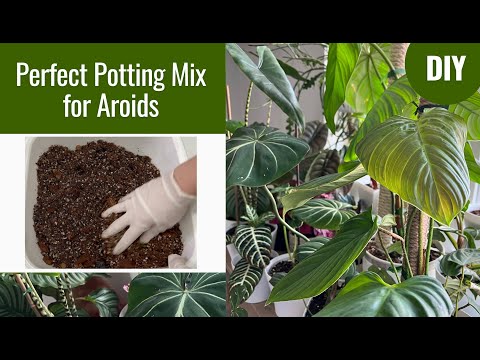
Click here to watch the video on YouTube
Humidity & Temperature Needs | Alocasia Jacklyn Care Tips
Humidity and temperature play a big role in proper Alocasia Jacklyn care, especially because this plant comes from warm, tropical forests where the air is naturally moist and stable. If you want your Jacklyn to grow large, dramatic leaves with dark, defined veining, providing the right environment is essential.
🌬️ Humidity Requirements
Alocasia Jacklyn thrives in 60–80% humidity.
Lower humidity levels can cause:
- Crispy leaf edges
- Curling leaves
- Slower growth
- Weak, thin new leaves
To keep humidity high indoors, you can:
- Group plants together
- Place a humidifier nearby
- Use a pebble tray (without letting the pot sit in water)
- Keep the plant away from heaters, air conditioners, and drafts
Bathrooms with bright light or kitchen corners can also work well because they naturally have higher humidity.
🌡️ Temperature Preferences
Jacklyn loves warm conditions. Aim for:
✔ 70–85°F (21–29°C) during the day
✔ Above 65°F (18°C) at night
Avoid exposing it to:
- Cold drafts
- Windows that get very cold in winter
- Sudden temperature changes
- Airflow from fans or AC units
Cold stress is a common hidden cause of yellowing leaves and limp stems.
Why Consistent Conditions Matter
Alocasia Jacklyn is sensitive to fluctuations. Stable warmth and steady humidity help the plant focus its energy on producing strong, beautifully veined foliage. When these conditions drop, Jacklyn may slow down, droop, or stop growing until the environment improves.
Providing the right humidity and temperature is one of the easiest ways to dramatically improve Alocasia Jacklyn care and keep the plant thriving all year round.

Fertilizing Alocasia Jacklyn
Feeding is an important part of proper Alocasia Jacklyn care, especially during the active growing season. Jacklyn grows quickly when it gets enough nutrients, producing larger leaves with strong, dark venation. But because it has sensitive roots and corms, fertilizing must be done carefully to avoid burning.
How Often to Fertilize
During spring and summer, feed your Alocasia Jacklyn once every 1-2 weeks with a balanced liquid fertilizer diluted to half strength. This provides consistent nutrients without overwhelming the plant.
My personal routine:
I fertilize my Jacklyn with diluted liquid fertilizer at every watering, but always at a gentle strength. This method supports steady growth without causing stress to the roots.
Don’t Forget to Flush the Soil
If you fertilize regularly, mineral salts can slowly build up in the soil. To prevent leaf damage or root burn, it’s important to flush the soil once a month.
This is exactly what I do – once per month I take the plant to the shower and let clean water run through the soil for a few minutes. This washes out excess salts and keeps the soil fresh and healthy.
Best Fertilizer Type
Choose:
- A balanced formula like 10-10-10 or 20-20-20
- Or a gentle foliage-boosting fertilizer like 5-3-3
Avoid slow-release granules or heavy synthetic pellets, as they can create nutrient hotspots in the soil and damage the roots.
Signs Your Jacklyn Needs Fertilizer
- Smaller new leaves
- Pale or faded coloration
- Slow or stalled growth
- Weak petioles
With the right feeding routine, your Alocasia Jacklyn will grow consistently and maintain its signature bold, dark leaf pattern. Fertilizing properly is another key element of successful Alocasia Jacklyn care.
Common Alocasia Jacklyn Problems (and How to Fix Them)
Even with the best care, this plant can be a little dramatic. Understanding Alocasia Jacklyn problems – and what causes them will help you fix issues quickly and prevent long-term damage. Because Jacklyn is sensitive to its environment, small changes in light, watering, or humidity can affect it faster than other aroids.
Below are the most common problems you may notice, along with the simple solutions that work.
1. Yellow Leaves
Cause: Overwatering, compact soil, low light, or sudden temperature drops.
Fix:
- Let the soil dry 2–3 inches before watering
- Improve drainage by adding perlite
- Move the plant to brighter indirect light
- Keep away from cold drafts or AC airflow
Yellow leaves on older growth are normal, but yellowing across the whole plant means the roots are stressed.
2. Drooping or Limp Leaves
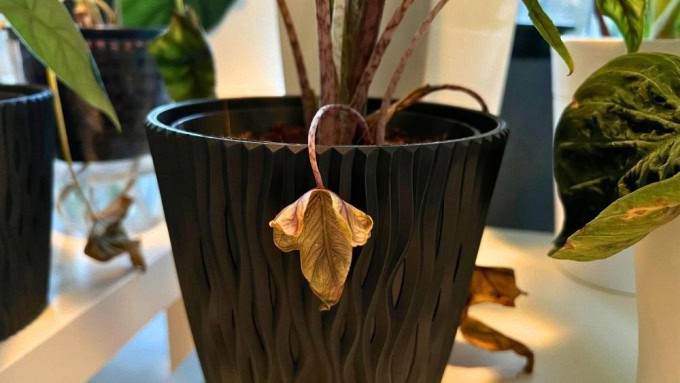
Cause: Either underwatering or more commonly root rot from too much water.
Fix:
- Check soil moisture with your finger
- If the soil is wet → let it dry fully
- If the soil is dry → give a deep watering
- Ensure drainage holes are not blocked
Drooping often improves within 24 hours once the cause is corrected.

3. Brown Leaf Edges
Cause: Low humidity or underwatering.
Fix:
- Increase humidity to 60–80%
- Water when the top 2–3 inches dry
- Avoid hot, dry rooms and heaters nearby
Alocasias show crispy edges quickly when the air is too dry.
🐛 4. Spider Mites (Very Common on Jacklyn!)
Jacklyn’s textured leaves attract spider mites more than many other aroids.
Signs:
- Tiny webbing
- Dust-like speckles
- Faded or dull leaves
Fix:
- Rinse leaves in the shower
- Spray with neem oil or insecticidal soap
- Increase humidity (mites hate moisture)
👉 You can read my full guide here: How to Get Rid of Spider Mites.
5. Mealybugs
These pests hide between the leaf veins and stems.
Fix:
- Dab with alcohol-soaked cotton swabs
- Spray infested areas every few days
- Isolate the plant until fully clean
👉 Full guide: How to Get Rid of Mealybugs Permanently or watch the video below:

6. Slow Growth or Tiny Leaves
Cause: Not enough light, depleted soil, or lack of nutrients.
Fix:
- Move to a brighter spot (indirect light)
- Fertilize regularly (diluted every watering if you prefer)
- Repot into fresh soil if the mix is too old
Slow growth in winter is normal, but during warm months your Jacklyn should push new leaves consistently.
7. Leaf Curling
Cause: Low humidity or inconsistent watering.
Fix:
- Maintain steady moisture
- Increase humidity with a humidifier
- Avoid letting the soil dry out completely
8. Soft Corms
The biggest red flag for Alocasia keepers.
Cause: Overwatering, cold stress, or compact soil.
Fix:
- Remove affected areas
- Repot into fresh, airy mix
- Reduce watering until top layer dries
Soft corms must be addressed quickly or the whole plant will collapse.
Understanding these common Alocasia Jacklyn problems will help you react on time and keep your plant in excellent condition. Most issues come from light, watering, or humidity – once these are adjusted, Jacklyn usually bounces back beautifully.
Repotting Alocasia Jacklyn
Repotting is an important part of good Alocasia Jacklyn care, especially because this plant develops corms and fine roots that need space and airflow to stay healthy. Jacklyn is not a fast root-grower like Monstera, but once the roots fill the pot, it will slow down and produce smaller leaves, a clear sign that it’s time for a fresh start.
🌱 How Often Should You Repot?
Alocasia Jacklyn usually needs repotting every 1–2 years, depending on growth speed and the size of the pot. Younger plants may need it more often, while mature plants can stay in the same container longer if the soil remains fresh and airy.
🪴 Signs Your Jacklyn Needs Repotting
- Roots circling the bottom or popping through drainage holes
- Water running straight through the pot too quickly
- Soil dries out extremely fast
- Leaves becoming smaller with each new growth
- The plant leans or becomes top-heavy
If you see one or more of these signs, it’s time to repot.
🌿 Choosing the Right Pot
Select a pot that is only 2–3 cm (1 inch) wider than the current one. Alocasias dislike large pots because they hold too much water around the roots, increasing the risk of rot. Always choose a pot with drainage holes.
Terracotta is a great option if you tend to overwater, because it allows the soil to dry faster. Plastic or ceramic pots work perfectly as long as your soil mix is airy.
🧵 How to Repot Alocasia Jacklyn (Step-by-Step)
- Water the plant lightly one day before repotting (moist soil makes it easier to remove).
- Gently lift the plant out of the pot, supporting the base.
- Loosen the old soil around the roots without breaking them.
- Remove any mushy or rotten roots if present.
- Place the plant into a slightly larger pot with fresh, airy aroid mix.
- Fill around the roots and lightly press the soil – don’t compact it.
- Water lightly to settle everything in.
Avoid heavy watering right after repotting; let the plant adjust for a few days.
Aftercare | Alocasia Jacklyn Care
Place your Jacklyn in bright, indirect light, maintain stable humidity, and avoid fertilizing for 2–3 weeks until you see new growth. This helps the plant recover quickly and continue producing large, beautifully veined leaves.
It’s normal for Alocasia Jacklyn to lose a few leaves from stress after repotting. Don’t worry – this is temporary. After 2–3 weeks, the plant stabilizes and usually begins to produce new, larger leaves once the roots settle in and adapt to the fresh soil.
Repotting correctly gives your plant fresh nutrients, healthy airflow, and more stability – all key elements of successful Alocasia Jacklyn care.
How to Propagate Alocasia Jacklyn (Quick Overview)
Propagation is part of good Alocasia Jacklyn care, but this plant grows slowly, so most people keep propagation simple. There are two main methods: corms and pups, and both require patience and warm, stable conditions.
✔ Corms
Alocasia Jacklyn forms small corms around its root system. These can be removed during repotting and sprouted in moist sphagnum moss or airy soil. Corms usually take a few weeks to sprout, depending on temperature.
You can read more about propagating from corms in my article on Alocasia Regal Shields propagation – the process is exactly the same.
✔ Pups (Offsets) / Division
Sometimes Jacklyn produces small baby plants at the base. These can be gently separated once they have several leaves and their own roots.

Read more about propagating Alocasia through division here: How to Propagate Alocasia Portodora from Stem Cuttings?

Click here to watch the video on YouTube
Final Thoughts on Alocasia Jacklyn Care
Alocasia Jacklyn is a truly special plant with its dramatic veining, unique texture, and bold character. With the right conditions – bright indirect light, airy soil, steady humidity, and mindful watering — it rewards you with gorgeous new leaves and healthy growth throughout the year.
Even though it’s a bit more sensitive than other aroids, once you understand its needs, Alocasia Jacklyn care becomes simple and enjoyable. Keep it warm, keep the soil breathable, rotate it weekly, and stay consistent with your routine. Your Jacklyn will thank you with bigger, stronger, beautifully patterned leaves.
Try This: 432 Hz Music for Healthier, Happier Plants
Did you know that sound frequencies can support plant growth, boost energy flow, and reduce stress in your indoor environment?
If you want to give your Alocasia Jacklyn an extra dose of calm and vitality, try playing 432 Hz music near your plants.
432 Hz is known for:
- promoting cellular balance
- enhancing water structure
- supporting gentle, natural growth
- creating a peaceful atmosphere for both plants and people
👉 Play my 432 Hz plant music video below and let your Alocasia Jacklyn enjoy the soothing vibrations while you relax too.

Click here to watch the video on YouTube
Related Articles
If you enjoyed learning about Alocasia Jacklyn care, you may also find these helpful:
- Humidity and Temperature for Houseplants
- Alocasia Amazonica Care: The Ultimate Guide
- Pet-Friendly Houseplants: Toxic vs. Non-Toxic Plants – Which Are Safe?
Explore More Music for Your Plants & Stay Connected!
Check out my Playlist: Music for Plants and find the perfect tunes to help your plants and yourself thrive.
Don’t forget to visit my YouTube Channel Plant House & Garden and subscribe – your support means the world to me!
Connect with me on social media for more plant care tips and music updates: Instagram | Facebook | X | Pinterest | Reddit | TikTok
Love plants? Love music? Don’t miss out on new updates – hit subscribe and follow now to keep your plants happy and your space vibrant!