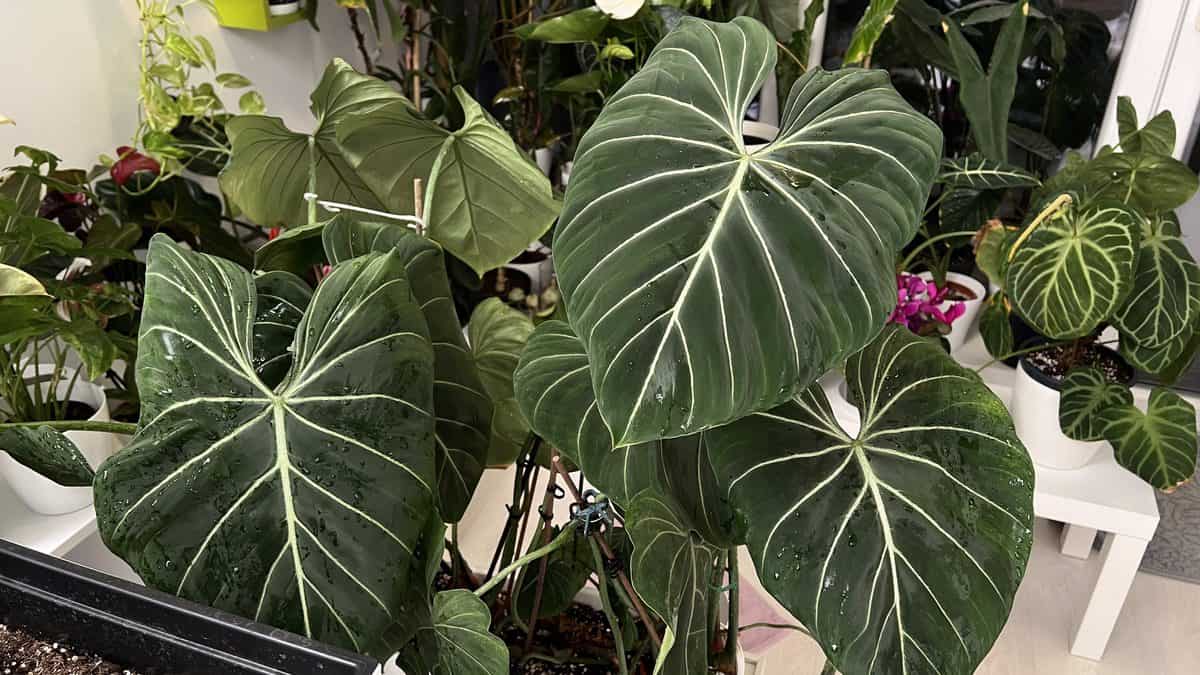
Philodendron Care: The Complete Guide to Lush, Thriving Plants
Philodendrons hold a special place in my home, and in this complete philodendron care guide I want to bring together everything I have learned about them after years of hands-on growing. From the easy Heartleaf to the dramatic Gloriosum and the famous Pink Princess, almost every Philodendron wants the same handful of things. Once you understand those basics, caring for any variety becomes simple.
This is your hub for everything Philodendron: the core care your plants need, the most common problems and how to fix them, a guide to individual varieties, and how to propagate new plants for free. Wherever there is a deeper guide, I have linked it so you can dive straight in.
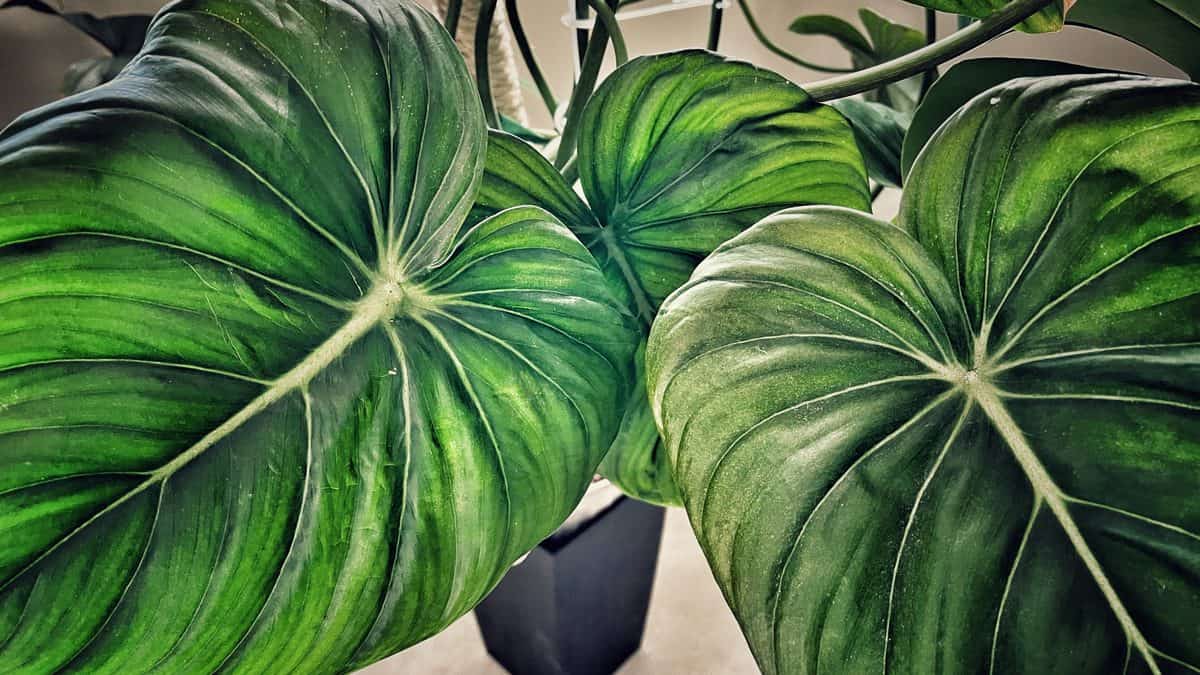
Philodendron Care at a Glance
Most Philodendrons share the same needs: bright indirect light, soil that dries slightly between waterings, a chunky well-draining aroid mix, moderate to high humidity, and warm room temperatures. They are wonderfully forgiving, which is exactly why Philodendron care suits both nervous beginners and seasoned collectors.
Philodendron Light Requirements
Philodendrons grow best in bright, indirect light. An east-facing window, or a spot a few feet back from a brighter window, is ideal. They will tolerate medium light, but growth slows and variegated types like Pink Princess and Birkin lose their color and pattern in low light. Avoid long hours of harsh direct sun, which can scorch the leaves.
How to Water a Philodendron
Overwatering is the number one way people lose a Philodendron. Wait until the top one to two inches of soil feels dry, then water thoroughly until it drains from the bottom. In winter, when growth slows, let the soil dry a little more between waterings. If you ever see yellowing or browning leaves, watering is usually the first thing to check, and I cover both in detail in Philodendron Leaves Turning Yellow and Philodendron Leaves Turning Brown.
Best Soil for Philodendrons
Philodendrons are aroids, and aroids hate sitting in dense, soggy soil. They want a loose, chunky mix that holds some moisture but drains fast and lets air reach the roots. My go-to recipe is in my Aroid Potting Mix Recipe, and it works beautifully for every Philodendron in this guide.
Humidity and Temperature for Philodendrons
Philodendrons enjoy moderate to high humidity, ideally around 50 to 60 percent, though most adapt well to average homes. Higher humidity encourages bigger, healthier leaves. Keep them warm, between roughly 18 and 27 degrees Celsius, and away from cold drafts and hot air from heating vents.
How to Fertilize a Philodendron
During spring and summer, feed your Philodendron with a balanced fertilizer every few weeks to support strong growth. Ease off in autumn and winter when the plant naturally rests. Gentle, consistent feeding gives you fuller plants and noticeably larger leaves over time.
Common Philodendron Problems and How to Fix Them
Most Philodendron problems trace back to watering, light, or humidity. Here are the issues I am asked about most, each with its own full guide:
If you ever notice sticky, sap-like droplets on otherwise healthy leaves, that is usually harmless extrafloral nectar, not a pest problem.
- Yellow leaves are usually a watering issue, most often overwatering. See Philodendron Leaves Turning Yellow.
- Brown leaves, tips, or edges point to underwatering, low humidity, or too much sun. See Philodendron Leaves Turning Brown.
- Heartleaf Philodendron struggles like leggy or sad growth are covered in Philodendron Heartleaf Problems.
- Pink Princess losing its pink, or growing all-green or all-pink leaves, is a light and pruning issue. See Philodendron Pink Princess Problems.
- Birkin reverting or staying small is covered in Philodendron Birkin Problems and How to Grow Bigger Leaves on Philodendron Birkin.
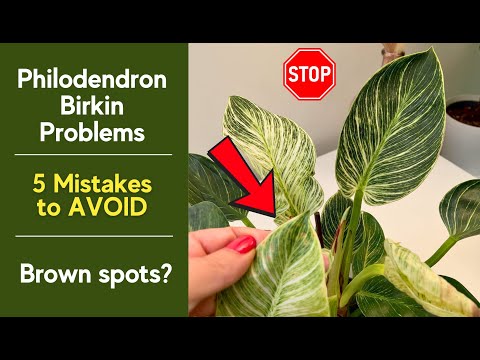
Want to see the most common mistakes in action? Here is my video on the five Philodendron Birkin problems to avoid and how to fix them:
Are Philodendrons Toxic to Pets?
Yes. Philodendrons contain calcium oxalate crystals, which are toxic to cats, dogs, and people if chewed or eaten. They can cause mouth irritation, drooling, and an upset stomach. If you share your home with curious pets or small children, keep your Philodendrons up high or somewhere they cannot reach.
Since philodendrons are toxic if chewed, it helps to know your safe options, so grab my free pet-safe plant checklist.
Do Philodendrons Climb? Using a Moss Pole
Many Philodendrons are natural climbers, and giving them something to climb is the secret to bigger, more mature leaves. A moss pole or coir pole lets aerial roots attach and mimics how they grow up trees in the wild. Crawling types like Gloriosum and Pastazanum prefer to creep sideways across a wide, shallow pot instead. Match the support to the plant and you will see a real difference in leaf size.
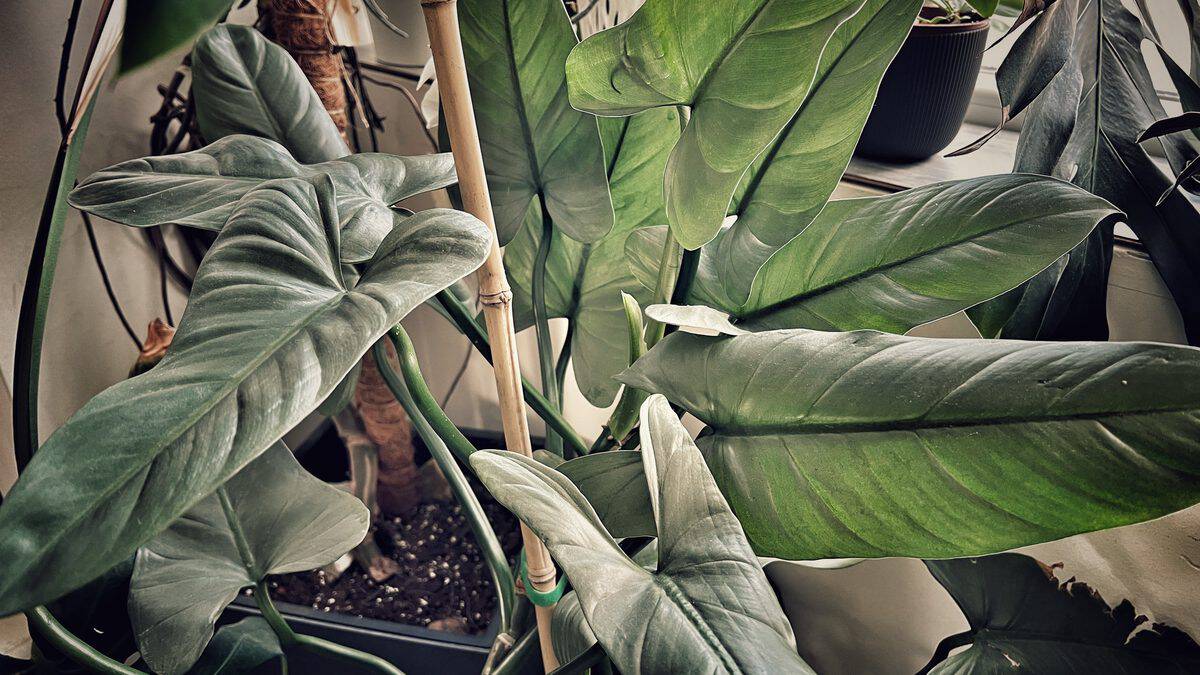
Philodendron Varieties: Care Guides
Once you know the basics above, each variety only needs small tweaks. Here are my complete care guides to the Philodendrons I grow:
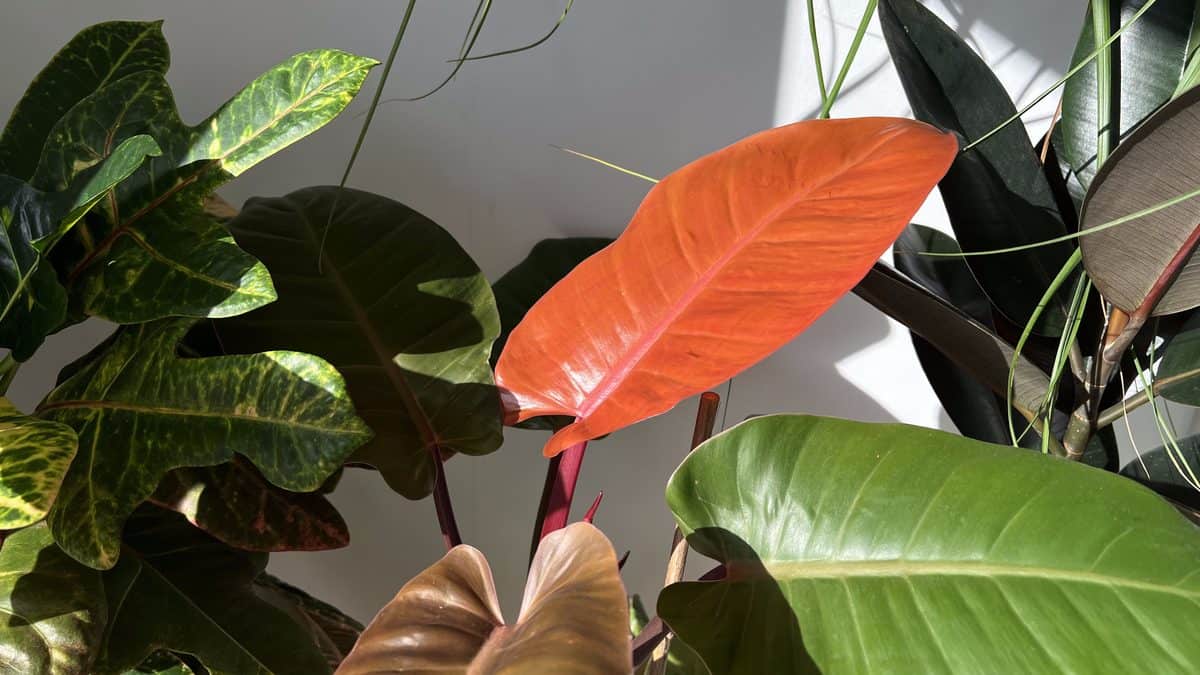
Variegated and Collector Philodendrons
- Philodendron Pink Princess Care
- Philodendron White Princess Care Guide
- How to Care for Philodendron Birkin
- Philodendron Brasil Care
Crawling and Large-Leaf Philodendrons
Climbing and Easy Philodendrons
- Philodendron Red Emerald Care
- Philodendron Prince of Orange Care
- Philodendron Jungle Boogie Care
- Philodendron Fuzzy Petiole Care
How to Propagate a Philodendron
The wonderful thing about Philodendrons is how easily they propagate. Most climbing types root readily in water from a cutting with at least one node. Here are my step-by-step propagation guides:
The easiest one to start with is the trailing heartleaf type, and my guide on how to propagate a heartleaf Philodendron walks through every step.
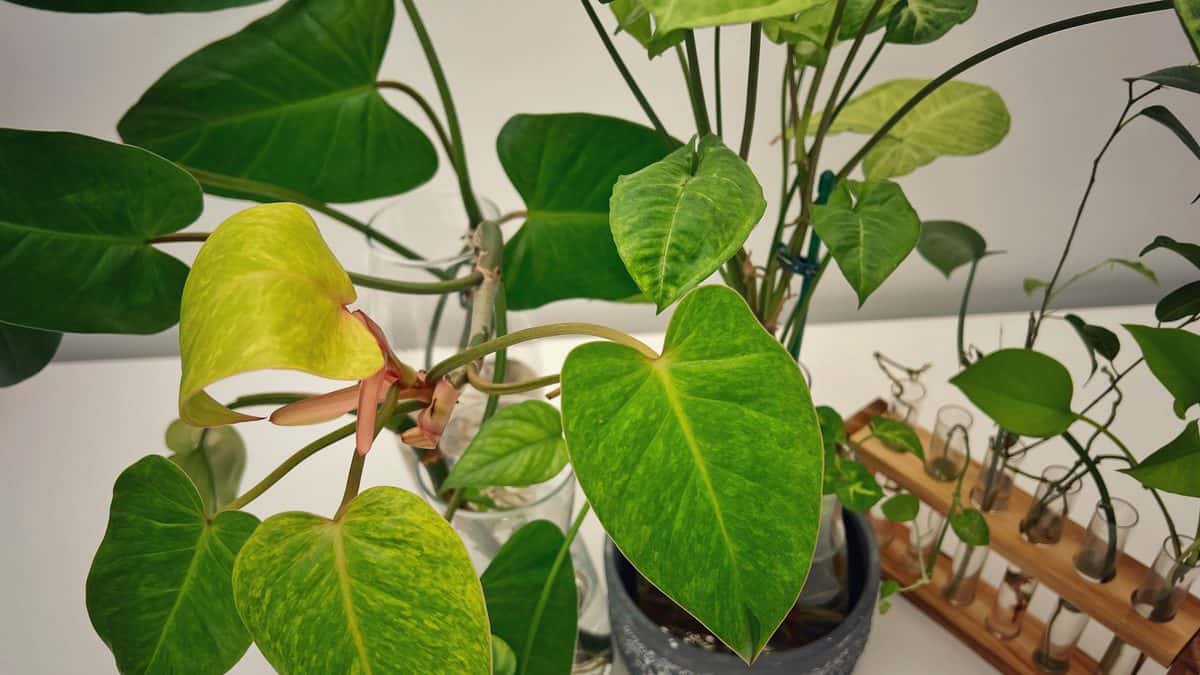
- How to Propagate Philodendron White Princess in Water
- How to Propagate Philodendron Pink Princess
- Philodendron Birkin Propagation
Prefer to watch? Here is my full step-by-step guide to propagating a Philodendron Pink Princess in water, including a root rot rescue:

Frequently Asked Questions
If you love a splash of colour, do not miss my guide to rare pink houseplants and how to keep them pink.
Are Philodendrons easy to care for?
Yes. Most Philodendrons are beginner-friendly. Give them bright indirect light, water when the top inch or two of soil dries, and use an airy aroid mix, and they will grow happily with little fuss.
Why is my Philodendron turning yellow?
The most common cause is overwatering. Let the top of the soil dry before watering again, make sure the pot drains well, and check that the plant is not sitting in soggy mix.
How do I make my Philodendron grow bigger leaves?
More bright indirect light, higher humidity, regular feeding in the growing season, and a moss pole for climbing types all encourage larger leaves.
Are Philodendrons toxic to cats and dogs?
Yes. Philodendrons are toxic to pets because of calcium oxalate crystals, which can cause mouth irritation and stomach upset if chewed. Keep them out of reach of cats, dogs, and small children.
How often should I water a Philodendron?
Water when the top one to two inches of soil feels dry, usually about once a week in warmer months and less in winter. Always adjust to your home rather than a fixed schedule.
Let's Grow, Together 🌿
Philodendrons are proof that a beautiful, thriving plant collection does not have to be complicated. Start with the basics in this philodendron care guide, explore the variety and problem guides linked above, and your Philodendrons will keep rewarding you with gorgeous new leaves.

Written by Bojana
Plant lover, grower, and music maker behind Plant House & Garden, with 35+ years of hands-on houseplant experience. Read more about Bojana →