Caladium Plant Care: 11 Essential Tips for Vibrant Leaves
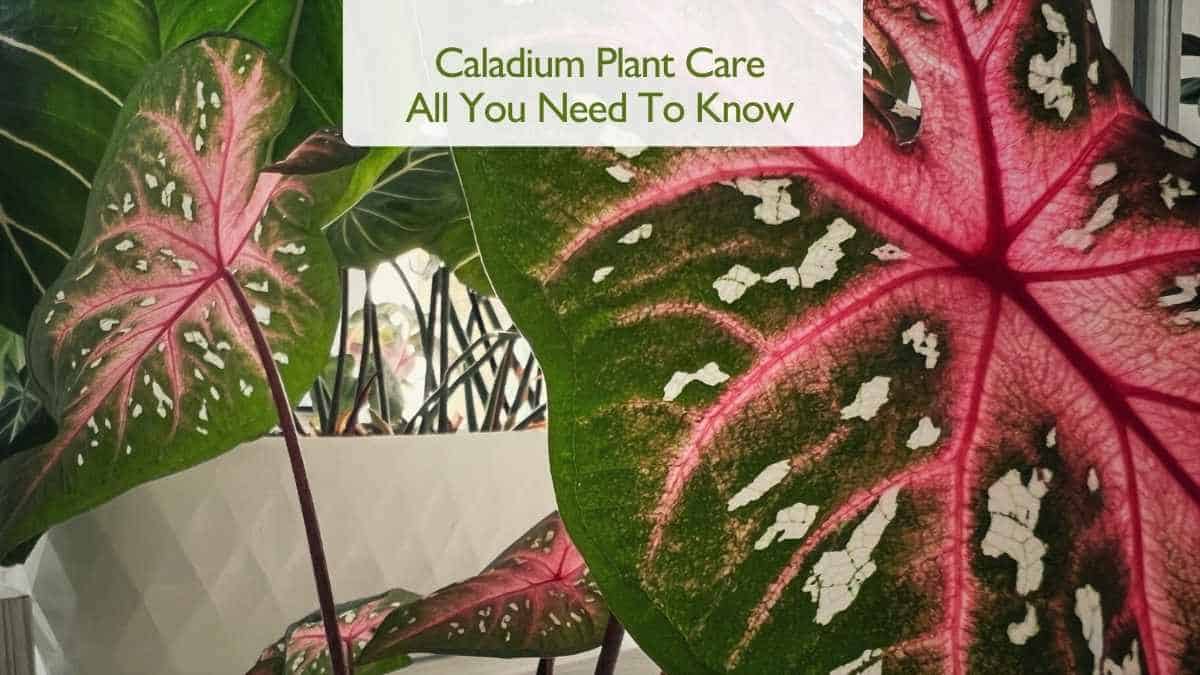
Are your caladium leaves fading, drooping, or suddenly dying back? Well, you’re not alone. Caladiums are some of the most colourful plants you can grow, with heart-shaped leaves splashed in pink, red, white and green, but they do have a few very specific needs. Mine even goes fully dormant every autumn, and after one winter resting in a semi-dark corner she came back three times bigger.
Below are my 11 essential Caladium plant care tips, in the same order as my quick video, so you can read and watch along.
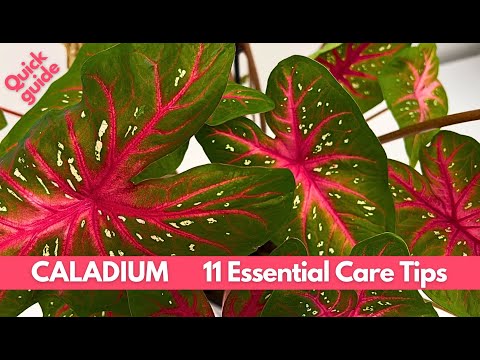
Click here to watch the video on YouTube
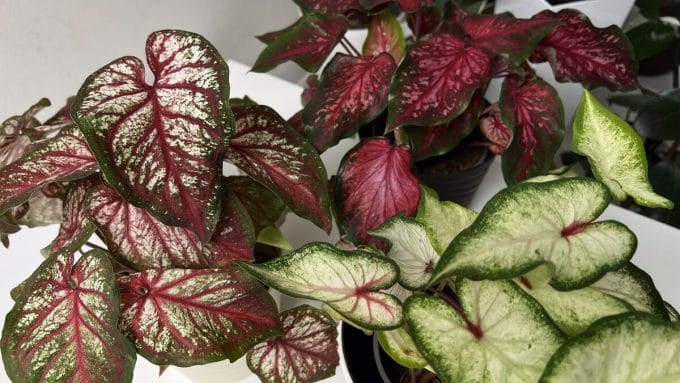
| Need | What it likes |
|---|---|
| Light | Bright, indirect light, some types take a little more sun |
| Water | Keep evenly moist in growth, never soggy or bone dry |
| Soil | Rich, well-draining mix: peat, perlite, coco coir and organic matter |
| Humidity | High, ideally 60 to 80 percent, but 50 percent is fine |
| Temperature | Warm, 18 to 27 C (65 to 80 F), never below 15 C |
| Dormancy | Dies back in autumn; keep tubers dry and never cold over winter |
| Toxicity | Toxic to pets and people if eaten |
Growth Rate and Size
Caladiums are fast-growing, seasonal plants. Indoors they usually reach 1 to 2 feet (30 to 60 cm) tall, and they are grown for their vibrant, colourful leaves rather than flowers. Each year they grow from a tuber, put on a big show of leaves through spring and summer, and then rest over winter.
1. Light Requirements
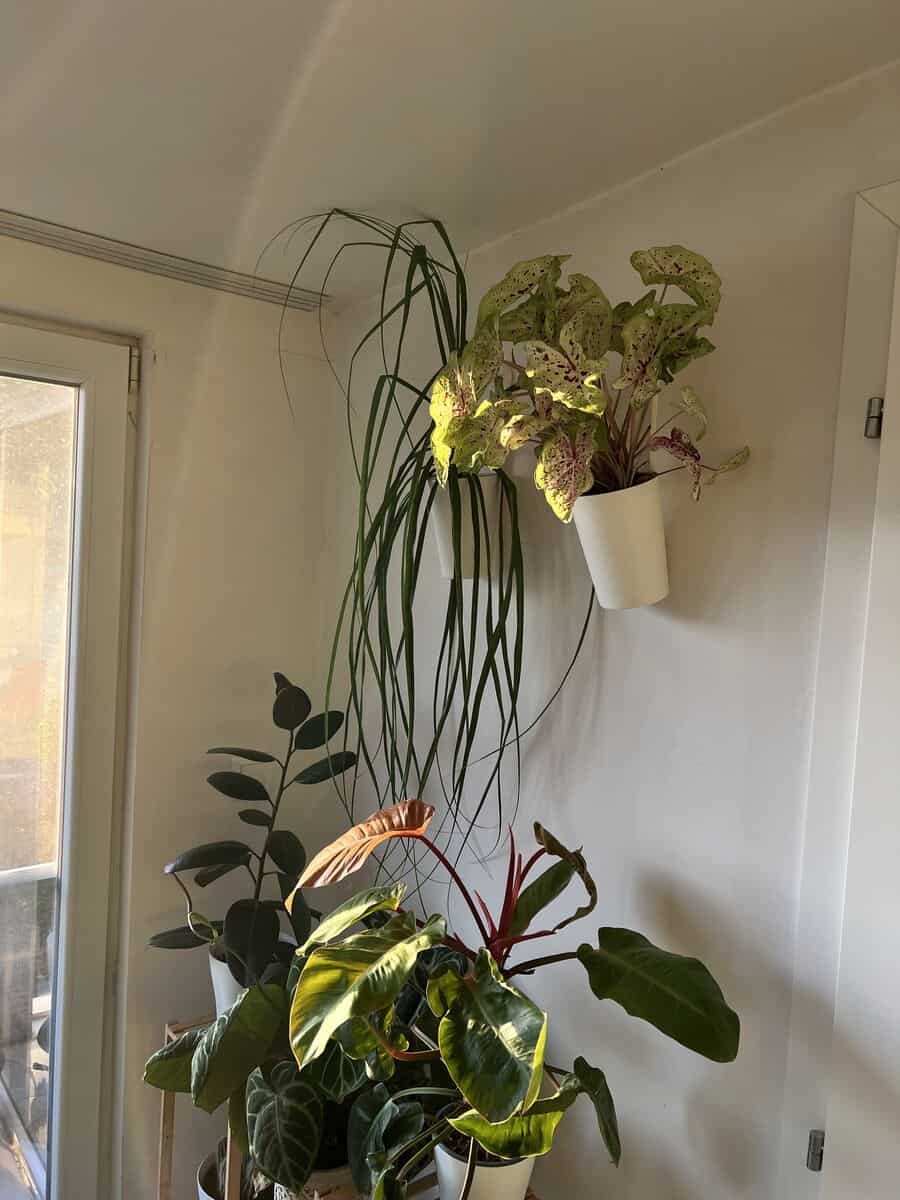
Caladiums prefer bright, indirect light. They can handle some gentle morning sun, but harsh midday sun scorches their thin leaves, leaving faded patches or brown edges. Indoors, a bright north or east-facing window works well. Outdoors, give them partial shade for the best colour.
2. Watering
Keep the soil consistently moist, but never soggy. I check with my finger and water when the top inch (about 2.5 cm) of soil feels dry. Caladiums are thirsty in warm weather, but sitting in wet soil quickly rots the tuber, so always use a pot with drainage holes. As the plant goes dormant in autumn, reduce watering step by step.
3. Humidity
Caladiums thrive in high humidity, ideally 60 to 80 percent, although they can do fine at around 50 percent too. Dry air causes crispy, brown leaf edges. A humidifier nearby or a pebble tray under the pot helps far more than misting, which only raises the humidity for a few minutes. You can read more in Humidity and Temperature for Houseplants.
4. Temperature
The best range is 65 to 80°F (18 to 27°C). Protect your caladium from cold drafts and from temperatures below 60°F (15°C), and avoid sudden changes, because caladiums are very sensitive to them and react by drooping or dropping leaves.
5. Fertilizing
During the growing season (spring and summer), feed every 2 to 4 weeks with a balanced liquid fertilizer diluted to half strength. Don’t fertilize at all when the plant is dormant in winter. If you prefer a natural option, try my Homemade Organic Fertilizer Recipe.
6. Pruning and Maintenance
Remove any dead or yellowing leaves to encourage new growth, and cut off stems that are drying out. Keep the plant clean and free from dust so the leaves can soak up as much light as possible.
7. Soil
Use a rich, well-draining potting mix. A blend of peat, perlite, coco coir and some organic matter works well: it holds enough moisture for this thirsty plant while letting the extra water drain away. And always make sure the pot has drainage holes to prevent waterlogging.
8. Repotting
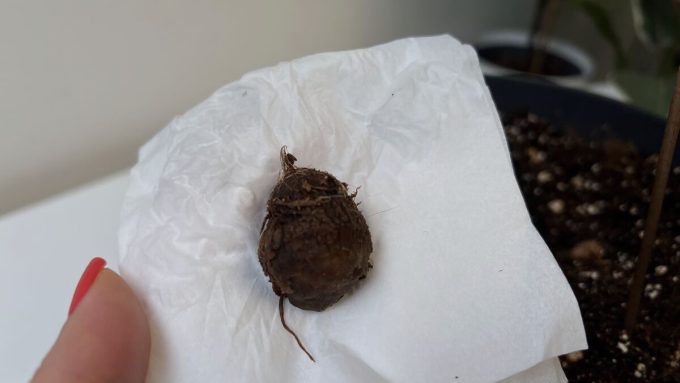
Repot once a year in spring, just before the growing season starts. Choose a pot that is only slightly larger than the current one and refresh the soil mix to give the tuber new nutrients. This is also the best time to propagate: separate the tubers, making sure each piece has at least one growth eye, and plant them in fresh, moist soil in a warm spot.

9. Pests
Check your caladium regularly for pests like spider mites, aphids and mealybugs. Treat infestations early with insecticidal soap or neem oil, and keep the plant healthy and stress-free, because a strong plant is much less likely to have pest problems.
10. Dormancy
Caladiums go dormant in winter. As the days get shorter, the leaves yellow and die back, which is completely normal. Reduce watering and let the soil dry out, then keep the tuber resting somewhere dry that never gets cold until spring.
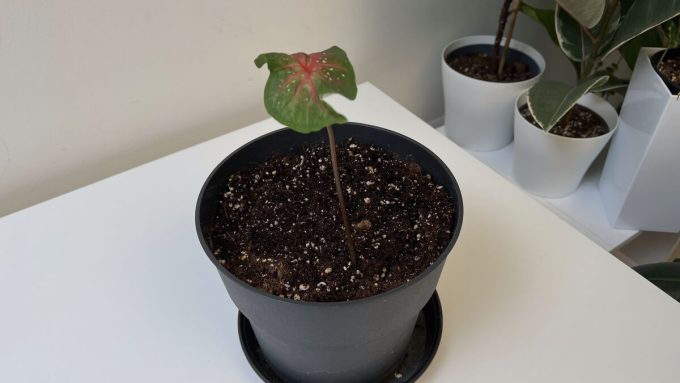
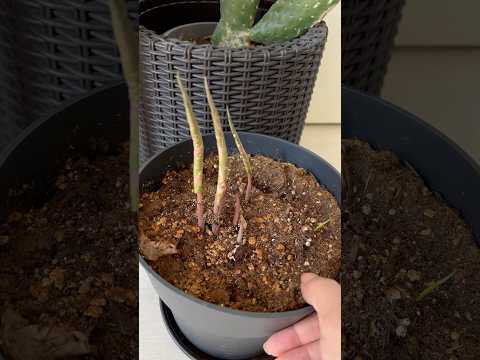
Last winter I left my caladium in its medium-sized pot in a semi-dark spot at around 68°F (20°C), and because the warm room dried the soil faster, I watered it just two or three times all winter. In mid-March I moved it to a bright spot and started watering normally again. I share the whole method in How to Overwinter Caladium: Keep Your Tubers Healthy for Next Season.
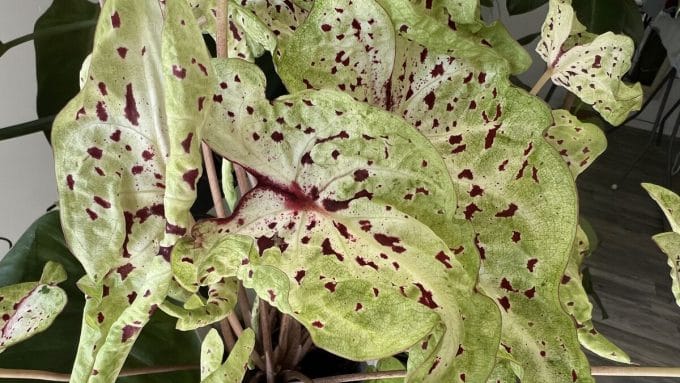
Here is my caladium waking up from dormancy in early spring:
11. Toxicity
Caladiums are toxic if eaten by pets or people, because they contain calcium oxalate crystals that irritate the mouth and stomach. Keep them out of reach of children and pets. If you need a safer option, see my guide to Pet-Friendly Houseplants.
Caladiums reward steady warmth and moisture. My Plant Care Journal helps you track watering and spot dormancy coming, so your tubers rest and regrow on cue.
Frequently Asked Questions
Why are my caladium leaves dying back?
In autumn, caladiums naturally go dormant and their leaves yellow and die back. This is normal. Reduce watering, let the foliage fade, and store the tubers somewhere warm and dry until you restart them in spring.
How much light does a caladium need?
Caladiums like bright, indirect light, which keeps their colours vivid. Most prefer to avoid harsh midday sun, though some newer sun-tolerant varieties cope with more. Too little light leads to dull colour and leggy growth.
How often should I water a caladium?
During active growth, keep the soil consistently moist but never waterlogged, watering when the surface starts to dry. They are thirsty in warm weather. As they enter dormancy in autumn, gradually reduce watering until you stop.
Are caladiums toxic to pets?
Yes. Caladiums contain calcium oxalate crystals and are toxic to cats, dogs, and people if chewed or eaten, causing mouth irritation and an upset stomach. Keep them out of reach of curious pets and children.
How do I get my caladium to grow back after winter?
After dormancy, restart the tubers in spring by potting them in fresh, moist soil and keeping them warm, around 21 C or above. Be patient, as they can take a few weeks to sprout, then growth speeds up with warmth and light.
Final Thoughts
Caladium plant care is simple once you know the rhythm: give her bright, indirect light, steady moisture, warmth and humidity, and let her rest when winter comes, and she will reward you with spectacular colour season after season. If this guide helped, I would love for you to subscribe to my YouTube channel for more plant care videos. Thanks for reading, and happy growing!

Written by Bojana
Plant lover, grower, and music maker behind Plant House & Garden, with 35+ years of hands-on houseplant experience. Read more about Bojana →